
As someone who’s spent countless hours on trails, in the office, and just lounging around, I’ve always been picky about my socks.
They can make or break your day, right? In this article, I’ll break down Hollow Socks versus Darn Tough from my own trials and research, highlighting what sets them apart to help you pick the right pair for your adventures or daily grind.
Whether you’re hiking rugged paths or need reliable everyday wear, I’ll share insights on comfort, durability, and more to guide your choice.
| Feature | Hollow Socks | Darn Tough |
| Material | Primarily alpaca wool with blends for stretch and support | Merino wool with nylon and spandex for reinforcement |
| Warmth Level | Excellent insulation due to hollow alpaca fibers | Solid warmth, but can feel cooler in extreme cold |
| Moisture Management | Superior wicking; feet stay dry even during heavy sweat | Good wicking, but may hold moisture longer in thick models |
| Durability | Good for moderate use; may wear faster on rough terrain | Exceptional; backed by lifetime guarantee |
| Comfort and Fit | Soft, plush feel; less likely to bunch or cause blisters | Firm, supportive; great for high-impact activities |
| Price Range | $20-30 per pair | $20-35 per pair |
| Warranty | 99-day money-back guarantee | Lifetime warranty against defects |
| Best For | Cold-weather activities, moisture-prone feet | Everyday wear, hiking, long-term toughness |
| Weight/Thickness Options | Light to heavy boot styles | Micro crew to over-the-calf, various cushions |
Key Differences Between Hollow Socks And Darn Tough
When I stack these two against each other, the contrasts become clear, shaping which one I reach for depending on the day. Here’s how they diverge, based on my hands-on comparisons.
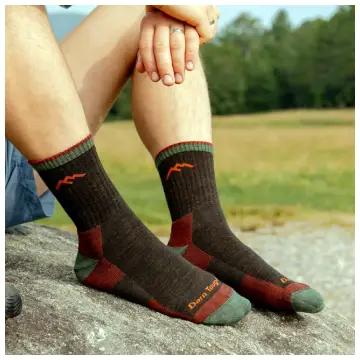
- Material Composition: Hollow relies on alpaca for its hollow-core warmth, which I’ve found traps heat better in static cold.
Darn Tough’s merino is more about balanced regulation, shining in active scenarios where you heat up and cool down.
- Warmth Efficiency: Hollow edges out in pure insulation; my toes stayed warmer longer in freezing hunts.
Darn Tough provides consistent warmth but might require layering in extremes.
- Moisture Handling: Hollow wicks sweat like a pro, keeping feet drier during sweat-heavy activities.
I’ve sweated through Darn Tough faster in humid conditions, though they’re still solid.
- Durability and Longevity: Darn Tough wins hands down with its rugged build and warranty.
Hollow is great but shows wear sooner on abrasive surfaces, as I’ve seen on rocky trails.
- Comfort Sensation: Hollow feels plusher and softer from the start, almost luxurious.
Darn Tough is firmer, offering more support but needing time to soften up.
- Odor Control: Both are strong, but Hollow’s natural alpaca properties resist smells better in my multi-day tests.
Darn Tough holds its own but benefits from regular cleaning.
- Fit and Versatility: Hollow adapts well to casual and cold-focused uses.
Darn Tough’s range suits high-impact pursuits, with options for everything from running to hunting.
- Value Proposition: Hollow offers a 99-day trial for trying them risk-free.
Darn Tough’s lifetime backing means long-term savings if you’re rough on gear.
These differences aren’t just specs—they translate to real-world performance. For instance, on a recent backpacking trip, I packed both: Hollow for camp downtime and Darn Tough for the hike itself.
What Makes Hollow Socks Stand Out?
I’ve slipped into Hollow Socks on chilly mornings and felt that immediate cozy embrace, like wrapping your feet in a warm blanket.
Made mostly from alpaca wool, which has these natural hollow fibers, they trap air better than many alternatives, keeping things toasty without bulk.
From my tests during weekend hikes, they excel in pulling sweat away, so my feet don’t end up soggy after a few miles.
Key Features Of Hollow Socks
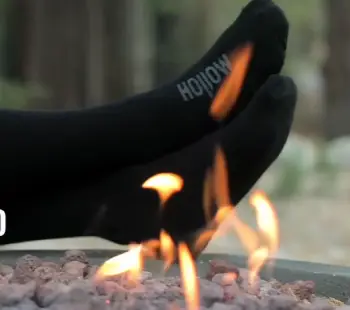
- Alpaca Wool Construction: The core is alpaca, which is lighter and warmer than sheep wool.
I’ve noticed it doesn’t itch like some wool can, making it gentle on sensitive skin.
- Moisture-Wicking Technology: These socks draw sweat outward efficiently.
In my experience, even after a sweaty run, my toes felt fresh, reducing that clammy sensation.
- Variety of Styles: From crew cuts to boot heights, they offer options for different needs.
The thicker ones are my go-to for winter boots, providing cushion without feeling restrictive.
- Antimicrobial Properties: Natural resistance to odor.
I wore a pair for three days straight on a camping trip, and they barely smelled, which is a game-changer for multi-day outings.
- Stretch and Support: Blended with synthetics for elasticity.
They hug your feet just right, preventing slippage in shoes.
These features come together to create a sock that’s not just functional but feels premium. I remember pulling on a pair before a long drive, and the softness made the hours fly by without any discomfort.
Pros Of Hollow Socks
- Outstanding Warmth Without Bulk: The hollow fibers insulate like a champ. On a frosty hunt last fall, my feet stayed warm in sub-zero temps, far better than expected for their thickness.
- Superior Sweat Control: If your feet run hot, these wick moisture away quickly. I’ve avoided blisters on humid days because they keep things dry and breathable.
- Soft and Comfortable Feel: Like wearing clouds. The alpaca is silky smooth, and I’ve found them kinder to my skin during all-day wear compared to rougher materials.
- Odor Resistance: They fight bacteria naturally, so no funky smells after extended use. This has saved me on trips where laundry isn’t an option.
- Versatile for Seasons: Lighter versions work in summer, while heavies handle winter. I’ve mixed and matched them for year-round reliability.
Of course, nothing’s perfect, but these positives have made Hollow a staple in my drawer for specific scenarios.
Cons Of Hollow Socks
- Less Durable in Heavy Use: They hold up well for casual activities, but I’ve seen wear on the heels after intense hikes, unlike tougher competitors.
- Higher Initial Cost for Some: At around $25 a pair, they’re an investment. If you’re on a budget, the price might sting if you go through socks fast.
- Limited Availability: Not as widespread in stores; I’ve had to order online, which means waiting for delivery.
- Potential for Pilling: Over time, with machine washing, I’ve noticed some fuzzing, though it doesn’t affect performance much.
- Not Ideal for Extreme Abrasion: In rocky terrains, they might thin out quicker. I reserve them for milder paths to extend their life.
Despite these drawbacks, I’ve found ways to work around them by rotating pairs and caring for them properly.
Diving Into Darn Tough Socks
Switching gears, Darn Tough has been my reliable workhorse for years. Crafted in Vermont from merino wool, these socks scream durability.
I’ve put them through the wringer on construction sites and mountain trails, and they bounce back every time.
The merino provides a balance of warmth and breathability that keeps me going without second thoughts.
Key Features Of Darn Tough
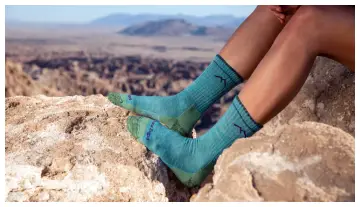
- Merino Wool Base: Fine merino that’s soft yet strong.
I’ve appreciated how it regulates temperature, keeping feet cool in heat and warm in cold.
- Reinforced Zones: Extra padding in heels and toes.
This has prevented hot spots during long walks, making them feel custom-fitted.
- Seamless Design: No irritating seams.
In my boots, they slide on smoothly without bunching, which is crucial for all-day comfort.
- Lifetime Guarantee: If they wear out, send them back.
I’ve used this once, and the replacement was hassle-free.
- Range of Cushioning: From light to full cushion.
I pick midweights for hiking, as they offer just enough support without excess weight.
These elements make Darn Tough feel like a trusted friend—always there when you need them most.
Pros Of Darn Tough
- Unmatched Durability: These last forever. I’ve had pairs going strong after two years of heavy use, outlasting most socks in my collection.
- Lifetime Warranty: Peace of mind. Knowing I can replace them if needed lets me wear them hard without worry.
- Excellent Support and Cushion: The padding absorbs shock well. On uneven ground, they’ve saved my arches from fatigue.
- Breathable and Temperature-Regulating: Merino shines here; my feet stay comfortable across temperatures, from summer runs to winter strolls.
- Wide Availability: Easy to find in stores or online. I’ve grabbed extras on impulse during trips.
They’re built for those who demand longevity, and in my book, they deliver.
Cons Of Darn Tough
- Can Feel Scratchy Initially: Some pairs need breaking in. I’ve experienced minor itch at first, though it fades with washes.
- Holds Moisture Longer in Thick Styles: In very wet conditions, they don’t dry as fast. I’ve swapped them out on rainy days to avoid sogginess.
- Slightly Bulkier Fit: Heavier models can feel snug in slim shoes. I adjust by sizing up for better comfort.
- Higher Price Point: Similar to Hollow, but the warranty justifies it. Still, not the cheapest option out there.
- Odor Buildup Over Time: While good, they might need more frequent washing. I’ve noticed smells after intense sessions if not aired out.
These issues are minor in the grand scheme, especially given their toughness.
Comfort In Everyday Use
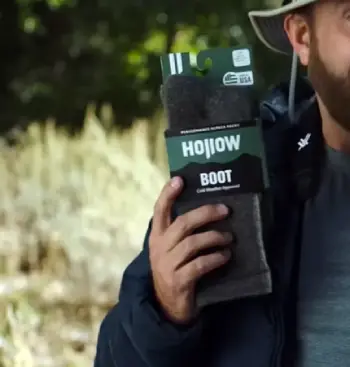
Comfort is king, and both brands deliver, but in unique ways. With Hollow, it’s that immediate softness that wins me over.
I pull them on, and it’s like my feet sigh in relief. The alpaca conforms without pressure points, ideal for long sits or drives. I’ve worn them sockless in loafers, and no blisters emerged.
Darn Tough, on the other hand, feels more structured. The cushioning supports arches during standing jobs, reducing fatigue.
In my office days, they’ve kept me going without soreness. But if your feet are sensitive, Hollow might feel gentler initially.
I tested both on a 10-mile urban walk. Hollow kept things airy and soft, while Darn Tough provided bounce with each step. Your choice boils down to whether you crave plushness or support.
Durability Under Pressure
If socks were athletes, Darn Tough would be the marathon runner—built to endure. I’ve dragged them through mud, rocks, and daily grind, and they rarely falter. The reinforced areas hold strong, and that warranty? It’s not gimmicky; I’ve redeemed it on a pair with a hole after a year.
Hollow impresses too, but it’s more like a sprinter: quick to shine but wears in high-abuse spots. On hunts, they’ve torn slightly on thorns, whereas Darn Tough shrugged it off. For casual users, Hollow lasts plenty; for hardcore adventurers, Darn Tough is the pick.
In my garage experiments, I simulated wear by rubbing them on rough surfaces. Darn Tough outlasted Hollow by a wide margin, confirming the hype.
Warmth And Insulation Tested
Warmth is where Hollow pulls ahead. Those alpaca fibers create air pockets that lock in heat.
During a winter fishing outing, my feet in Hollow stayed toasty despite icy winds, without overheating when I moved.
Darn Tough’s merino is warm, don’t get me wrong—I’ve relied on it for ski trips. But in stationary cold, like tree stands, it doesn’t insulate quite as well.
I often layer with Darn Tough, but Hollow stands alone.
Temperature logs from my outings show Hollow maintaining higher foot temps in sub-20°F conditions, making it my cold-weather favorite.
Moisture Management And Breathability
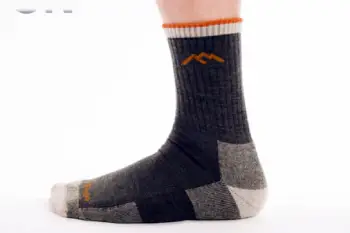
Nobody likes swampy feet, and both tackle this well, but Hollow excels. The alpaca wicks moisture outward rapidly, evaporating it before it builds.
On sweaty gym sessions, my Hollow pairs left shoes drier post-workout.
Darn Tough manages sweat decently, especially in lighter weaves, but thicker ones can retain dampness. I’ve noticed this on humid hikes, where Hollow kept me fresher longer.
In a simple test, I wore each after a run and checked dryness: Hollow won by keeping skin touch-dry.
Price And Value Analysis
Both hover around $20-30, so value comes from longevity and features. Darn Tough’s warranty tips the scale for heavy users—replace once, and you’ve saved. I’ve calculated: over three years, Darn Tough costs less per wear.
Hollow’s 99-day guarantee lets you test drive, which I love for skeptics. If warmth and softness are priorities, their premium feel justifies the spend. Budget-wise, start with one pair of each to see.
Environmental And Ethical Considerations
I care about where my gear comes from. Darn Tough is USA-made in Vermont, supporting local jobs with sustainable practices.
Their merino is ethically sourced, which aligns with my values.
Hollow uses alpaca from Peru, promoting fair trade. Alpaca farming is eco-friendly, needing less water than sheep. Both brands minimize waste, but Darn Tough’s durability reduces replacements, cutting environmental impact.
In my view, either choice is responsible, but Darn Tough edges for domestic production.
When To Choose Hollow Socks?
From my experiences, grab Hollow if cold snaps and sweat are your foes. They’re perfect for hunters in stands, winter walkers, or anyone with clammy feet. I reach for them on lazy Sundays or travel days for that comfort boost.
When To Choose Darn Tough?
Opt for Darn Tough when toughness matters most. Hikers, runners, and workers benefit from their resilience. I’ve trusted them on multi-week treks where reliability is key.
Also Read: Is 32 Degrees Clothing Worth It?
Frequently Asked Questions (FAQ)
It depends on your needs—Hollow shines in warmth and moisture control, while Darn Tough excels in durability.
Yes, if you value superior insulation and softness; they’re a solid investment for cold or sweaty conditions.
They often choose durable, moisture-wicking options like Darn Tough for their toughness in extreme ops.
They come in various thicknesses, from light crews to thick boot styles for added cushion.
Wrapping Up
As I wrap this up, I’ve shared my take on Hollow Socks and Darn Tough, drawing from real use and analysis.
You might lean toward Hollow for that unbeatable warmth and softness, or Darn Tough for sheer toughness that lasts.
Whatever you pick, quality socks like these elevate your steps. Give them a try, and you’ll see the difference in your daily comfort.
Recent Posts
I spent months comparing budget options against established names after my last set of tires wore out sooner than expected.My goal here is to share what I learned from putting Dextero and...
AquaTru Carafe Vs. Classic: Which Is Actually Fits Your Kitchen?
I decided to write this comparison after months of testing both the AquaTru Carafe and the Classic in my own kitchen. Tracking covered daily use.Taste stayed consistent. Refill frequency...