
I wanted a compact space heater that could warm a room without taking over the floor, and the Honeywell 360 heater caught my attention because of its 360-degree heat output and compact design.
After looking at how it works, where it fits best, and what to expect from everyday use, I found it especially appealing for bedrooms, offices, and smaller living spaces.
If you want a straightforward personal heater with useful safety features, I think the Honeywell 360 heater is worth considering before you buy.
My First Experience With The Honeywell 360 Heater
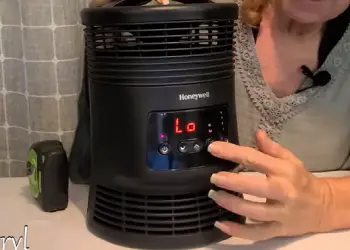
The first thing I noticed about the Honeywell 360 heater was its compact size.
I could place it beside a chair, under a desk, or in another small area without feeling like I was sacrificing much floor space.
That matters when you’re trying to heat one particular room rather than an entire house.
What I liked most was the way the heater distributes warmth around itself. Instead of directing all the heat toward one narrow spot, the 360-degree design is intended to spread warm air more broadly.
When I sat nearby, I could feel the warmth building around the space rather than getting an intense blast on just one side of my body.
I also appreciated how quickly a small room could start feeling more comfortable. Of course, a compact electric heater isn’t going to transform a large, cold living room instantly.
But when I used it for personal heating, the difference was noticeable without needing to run a whole-house heating system.
The controls are another strong point. I don’t want to spend several minutes figuring out basic heater settings, and this type of Honeywell heater keeps the operation relatively straightforward.
Depending on the specific model, you may have multiple heat settings, thermostat controls, and other convenience features.
Safety was something I paid particular attention to. A portable heater needs to be treated seriously, and features such as tip-over protection and overheat protection give me more confidence during normal use.
They don’t eliminate the need for careful placement, though. I still keep the heater away from curtains, bedding, furniture, paper, and other things that shouldn’t be near a heating appliance.
Overall, my experience with the Honeywell 360 heater is best described as practical. It isn’t trying to replace a central heating system. Instead, it gives you a convenient way to add warmth where you actually need it.
Pros Of The Honeywell 360 Heater
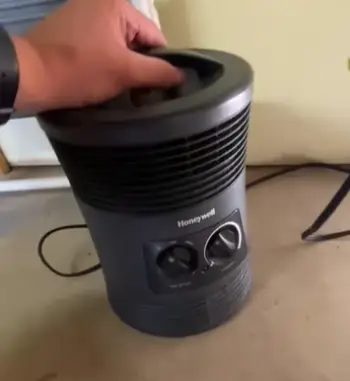
- 360-Degree Heat Distribution
The biggest advantage for me is the surrounding heat pattern. When I want warmth across a small area instead of directly in front of my feet, the 360-degree concept makes sense.
You can position the heater in a suitable open area and allow the warm air to circulate around it. That can be especially convenient when more than one person is sitting nearby.
- Compact and Easy to Move
I don’t want a space heater that feels like a piece of furniture. The Honeywell 360 heater is designed to be portable, so moving it from one room to another is relatively simple.
If your bedroom feels cold at night but your home office is chilly during the day, you don’t necessarily need two heaters. You can move one unit as needed.
- Useful for Personal Heating
I think this is where the heater makes the most sense.
If you’re working at a desk, watching television, reading, or relaxing in a small room, you may not need to heat the entire house. A portable heater lets you target the space you’re actually using.
That can be much more practical than turning up a whole-home heating system simply because one room feels uncomfortable.
- Ceramic Heating Technology
Ceramic heating is another benefit. The technology allows the heater to produce warmth without requiring an oversized appliance.
For everyday supplemental heating, I find this type of design appealing because the heater can remain relatively compact while still producing useful heat.
- Safety Features
Portable electric heaters need safety features, and Honeywell includes features on its 360-degree models designed to reduce certain risks.
Depending on the model, these can include tip-over protection and overheating protection.
I still wouldn’t treat those features as permission to leave the heater unattended. I see them as additional protection rather than a replacement for responsible use.
- Simple Operation
Another thing I appreciate is simplicity.
When I’m cold, I don’t want to navigate complicated menus. I want to select a comfortable heat setting and get on with my day.
Honeywell’s space-heater lineup generally focuses on accessible controls, making these heaters approachable for everyday use.
- Good Fit for Smaller Rooms
A portable heater like this makes more sense in a bedroom, office, dorm room, enclosed porch, or other relatively small area than in a huge open-plan space.
If you understand that limitation before buying, you can have much more realistic expectations.
Cons Of The Honeywell 360 Heater
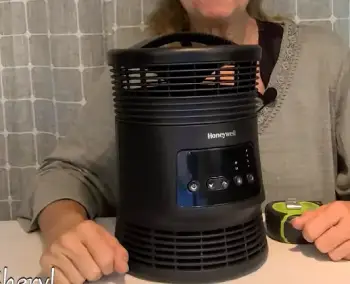
- Not Designed to Replace Whole-Home Heating
This is probably the biggest limitation.
If you’re expecting one compact heater to warm an entire large house, you’re likely to be disappointed. A space heater works best as supplemental or localized heating.
I would use it to make the room I’m occupying more comfortable rather than expecting it to replace a central heating system.
- Electricity Consumption Can Add Up
Electric resistance heating converts electrical energy into heat, but that doesn’t mean operating a space heater is free.
If you run a heater continuously for hours every day, you’ll see additional electricity consumption.
That’s why I prefer using a space heater strategically. I heat the room I’m using instead of running it unnecessarily when nobody is there.
- Placement Matters
The 360-degree heating design means you need to think carefully about where you place the unit.
You don’t want it pressed against a wall, trapped under furniture, or surrounded by objects. It needs sufficient open space for proper airflow and safe operation.
- Fan Noise May Be Noticeable
Like many fan-assisted heaters, the Honeywell 360 heater isn’t completely silent.
For general daytime use, I don’t find that particularly concerning. But if you’re extremely sensitive to background noise while sleeping, the fan may be something you notice.
- Small Size Can Create Unrealistic Expectations
The compact body is convenient, but it can also make the heater look less powerful than people expect.
A small heater doesn’t automatically mean it can efficiently heat a huge room. The room size, insulation, outdoor temperature, ceiling height, and placement all influence the result.
Maintenance For The Honeywell 360 Heater
- Keep the Air Intake Clean
Dust is one of the biggest enemies of fan-assisted heating appliances.
Over time, dust and lint can accumulate around air intake and exhaust areas. That can interfere with airflow and make the heater work less effectively.
I make it a habit to inspect the vents periodically and clean them according to the manufacturer’s instructions.
Before cleaning, I always switch the heater off, unplug it, and allow it to cool completely.
- Keep the Heater Dust-Free
When the heater isn’t being used regularly, dust can settle on the exterior.
A soft, dry cloth is generally sufficient for wiping the outside. I avoid spraying cleaning products directly onto the heater because moisture and electrical components aren’t a good combination.
- Don’t Block the Vents
This sounds obvious, but it’s easy to forget when you’re trying to fit the heater into a small room.
Don’t place clothing, blankets, furniture, bags, or other objects directly against the unit.
Good airflow is essential for both performance and safe operation.
- Inspect the Power Cord
I also recommend checking the power cord occasionally.
Look for cuts, damaged insulation, exposed wiring, unusual discoloration, or signs of overheating. If the cord or plug looks damaged, I wouldn’t continue using the heater.
A space heater should be plugged directly into an appropriate wall outlet rather than an overloaded extension setup.
- Store It Properly
When winter ends, don’t simply throw the heater into a closet under a pile of belongings.
Clean the exterior, make sure it is completely dry and cool, and store it somewhere clean and dry.
Keeping dust and moisture away from the unit can help it remain in better condition between seasons.
- Use a Stable Surface
I always place a portable heater on a stable, level surface where it won’t easily get knocked over.
Avoid unstable stools, piles of books, soft bedding, or other unsuitable surfaces.
The heater’s safety systems are useful, but stable placement should always be your first line of defense.
- Give It Space
The surrounding area should remain clear.
Because this is a 360-degree heating concept, I wouldn’t squeeze it tightly between furniture or place it right beside curtains. Leaving adequate clearance allows the heater to operate as intended.
- Don’t Treat Safety Features as a Guarantee
This is worth emphasizing.
Tip-over and overheat protection can reduce certain hazards, but no safety feature makes careless heater use risk-free.
I never place combustible materials close to a running heater, and I don’t use a portable heater as a substitute for normal fire-safety precautions.
Comparison Of Honeywell 360 Heater With Other Brands
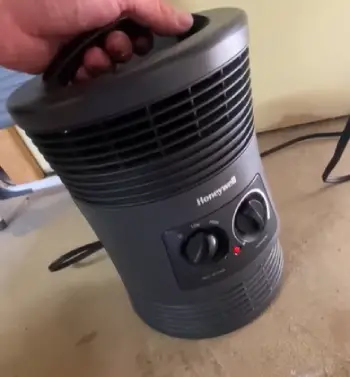
- Honeywell 360 Heater vs Lasko
Lasko has a broad range of portable heaters with different shapes, heating technologies, and control systems.
When I compare the two brands conceptually, Honeywell’s 360-degree models stand out for their surrounding heat distribution.
Lasko offers more variety across its space-heater lineup, so your choice may depend on whether you prioritize a particular form factor or heating arrangement.
For a small personal-heating application, the Honeywell 360 design is appealing because it doesn’t require you to sit directly in front of the unit.
- Honeywell 360 Heater vs Vornado
Vornado is well known for its air-circulation approach. Its heating products often emphasize moving warm air through a room rather than simply delivering heat in one direction.
The Honeywell 360 concept takes a different approach by distributing warmth around the heater.
If you want localized warmth surrounding a compact unit, the Honeywell design has an obvious advantage in terms of its intended heating pattern. If room-wide air circulation is your primary concern, you may look more closely at circulation-focused designs.
- Honeywell 360 Heater vs De’Longhi
De’Longhi offers several types of heating appliances, including portable electric heaters and oil-filled radiator designs.
An oil-filled radiator can provide a different heating experience, particularly for people who prefer longer-lasting radiant warmth after the heating element cycles.
The Honeywell 360 heater is more compact and easier to reposition when you need quick supplemental warmth.
For portability and occasional room heating, I find the Honeywell approach more straightforward. For longer-duration heating, the type of heater you prefer may depend on how you use the room.
Is The Honeywell 360 Heater Good For A Bedroom?
It can be a practical option for a bedroom when used correctly.
I like the compact design because it doesn’t require much floor space. However, bedroom use also requires extra caution.
I would place it on a stable, unobstructed surface away from bedding and curtains. I also wouldn’t cover the heater or place it directly beside a bed.
If you’re using it overnight, follow the specific instructions for your model regarding unattended operation and automatic shutoff. Don’t assume every portable heater is designed for continuous unattended use simply because it has safety features.
Is The Honeywell 360 Heater Energy Efficient?
The answer depends on what you mean by energy efficient.
An electric resistance heater converts electricity into heat very effectively at the point of use, but electricity itself can be expensive compared with other heating sources depending on your home and local utility rates.
The real advantage of a portable heater can come from targeted heating.
If I’m sitting in one small room, I may not need to heat the entire home. Using a space heater only where warmth is needed can potentially reduce overall heating demand, depending on what heating system you’re replacing and how you use it.
Your electricity rate and the heater’s wattage are the key numbers to consider.
How Much Electricity Does A Honeywell 360 Heater Use?
Many portable Honeywell heaters operate around the common 1,500-watt level on their highest setting, although the exact consumption depends on the model and selected heat setting.
At 1,500 watts, running continuously for one hour consumes approximately 1.5 kilowatt-hours.
For example, if your electricity rate were $0.15 per kWh, one hour at full power would cost about $0.23. Your actual cost depends on your local electricity rate and how frequently the thermostat cycles the heater on and off.
That’s why I recommend checking the wattage printed on your specific model rather than relying on a general number.
Frequently Asked Questions (FAQ)
People commonly appreciate its compact design, ceramic heating, adjustable settings, and convenient room heating, while some note fan noise and limited usefulness in very large rooms.
Many models use up to about 1,500 watts on high, but the exact figure depends on the specific model and heat setting.
Honeywell has a long-standing presence in home heating products and offers a wide selection of portable heaters with features focused on convenience and safety.
A high setting around 1,500 watts can consume noticeable electricity during extended operation, so actual usage depends heavily on runtime, heat setting, and your electricity rate.
Final Verdict
After considering the design, heating performance, portability, controls, and safety features, I see the Honeywell 360 heater as a practical choice for targeted heating rather than whole-home warmth.
I especially like it for smaller rooms and personal comfort because I can move it where I need it. If that matches how you plan to use a space heater, I think the Honeywell 360 heater is worth buying.
Recent Posts
Wet and Forget is primarily associated with outdoor stain removal, especially the green, dark, or discolored patches that develop when moisture encourages moss, mold, mildew, and algae to...
● Interactive 5-Zone Interior & Exterior Paint Blueprint Paint Coverage Calculator: Gallons, Primer, Square Footage & Cost Tap any architectural surface zone on the blueprint...