
I’ve tested plenty of fuel additives, but Howes Diesel Treatment stands out for its practical approach to diesel fuel care.
If you want an additive that can help with fuel-system maintenance, smoother operation, cold-weather performance, and fuel stability, I think Howes Diesel Treatment is worth buying.
It isn’t a magic fix for every diesel problem, but when I use it consistently and follow the recommended dosage, it can be a useful part of regular diesel maintenance.
My First Experience With Howes Diesel Treatment

My first impression of Howes Diesel Treatment was that it was designed for people who actually depend on their diesel engines.
Whether you drive a pickup, operate heavy equipment, use a diesel generator, or simply want to take better care of your fuel system, the idea is straightforward: add the treatment to your diesel fuel and let it work as part of your normal fueling routine.
I like products that don’t require a complicated process, and this one fits that preference. I simply treated the fuel according to the recommended amount rather than trying to guess how much additive the tank needed.
That matters because fuel additives work best when you use them consistently rather than treating them like emergency repair products.
After using it, I paid attention to the things I could realistically observe. My focus was on engine starting, general running smoothness, fuel-system behavior, and how the diesel performed during changing temperatures.
I wouldn’t claim that every difference I noticed was caused exclusively by the additive, because driving conditions, fuel quality, engine condition, and maintenance all influence diesel performance. Still, I found the treatment useful as a preventative maintenance product.
One thing I particularly appreciated was the convenience. I didn’t have to change my driving routine or perform additional mechanical work. It became something I could incorporate into fueling.
I also think this product makes more sense when you view it as maintenance rather than a repair solution. If your injectors are badly damaged, your fuel pump is failing, or your engine has a serious mechanical problem, pouring in an additive isn’t going to replace professional diagnosis.
For me, that distinction is important. I use Howes Diesel Treatment to support fuel quality and fuel-system care, not to cover up an existing mechanical problem.
Pros Of Howes Diesel Treatment
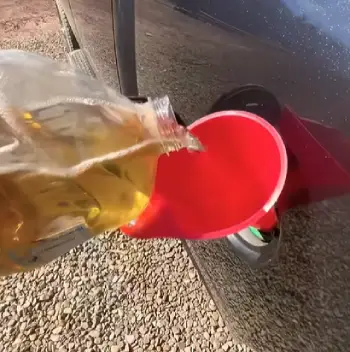
- Helps Support Fuel-System Maintenance
The biggest advantage for me is that Howes Diesel Treatment fits naturally into preventive maintenance.
Instead of waiting for a fuel-related problem to appear, I can incorporate a treatment into my fueling routine.
That proactive approach makes sense when you own an expensive diesel vehicle or equipment and want to minimize unnecessary stress on the fuel system.
I would rather spend a modest amount maintaining a system than ignore it until a component becomes expensive.
- Useful for Different Diesel Applications
I also like the versatility.
You don’t necessarily need to own one particular type of diesel vehicle to appreciate the concept. Diesel pickups, work trucks, agricultural equipment, generators, and other diesel-powered machinery can all benefit from attention to fuel quality.
That makes the product appealing to more than just everyday drivers.
- Supports Lubricity
Lubricity is something I wouldn’t ignore when thinking about diesel fuel.
The fuel system contains precision components, and adequate lubrication is important for their operation. A treatment designed to improve lubricity can therefore make sense as part of a broader fuel-care routine.
For me, this is one of the more compelling reasons to consider using a diesel treatment consistently.
- Helpful During Cold Weather
If you operate a diesel in cold conditions, fuel management becomes more important.
I appreciate that Howes is positioned toward cold-weather diesel use because winter can expose weaknesses that aren’t obvious during warmer months.
A vehicle that starts perfectly in mild weather may behave differently when temperatures drop sharply. That’s why I prefer preparing for cold weather rather than waiting until the first difficult morning.
- Simple to Use
Convenience matters.
I don’t want a fuel additive that turns routine maintenance into a complicated project. Howes Diesel Treatment is straightforward to incorporate into fueling, which makes it easier for me to use consistently.
And consistency is important. A product sitting unopened on your garage shelf isn’t doing anything for your fuel system.
- Can Be Used as Preventive Care
Another advantage is the preventive mindset.
I’m a bigger fan of maintenance products when they help me stay ahead of problems rather than simply react to them. Fuel treatment belongs in that category.
It shouldn’t replace professional servicing, but it can become one small part of an overall maintenance plan.
- Useful for Stored Diesel Equipment
If you own equipment that spends long periods sitting unused, fuel care becomes even more relevant.
Generators, seasonal equipment, backup machinery, and recreational diesel vehicles may remain stationary for extended periods. In those situations, fuel conditioning can be worth considering.
I find this especially practical because equipment that sits idle still needs maintenance.
- Easy to Incorporate Into a Routine
The best maintenance products are often the ones you actually remember to use.
I can connect fuel treatment with refueling, which gives me an obvious reminder. That’s much easier than remembering a separate maintenance task every few weeks.
If you want to use any fuel additive regularly, I recommend creating a consistent routine instead of adding it randomly.
Cons Of Howes Diesel Treatment
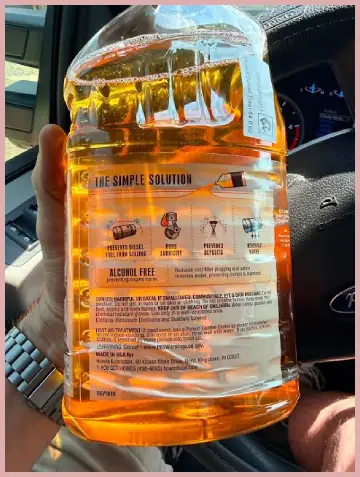
- It Isn’t a Mechanical Repair
This is the first limitation I would keep in mind.
If your diesel engine has a damaged injector, failing fuel pump, clogged filter, compression problem, or another serious mechanical fault, an additive won’t magically repair it.
I wouldn’t use fuel treatment as a substitute for diagnosis.
- Results Can Vary
Not every diesel engine responds in exactly the same way.
Your results can depend on fuel quality, engine age, mileage, maintenance history, climate, driving habits, and the condition of the fuel system.
That means you shouldn’t expect dramatic changes every time you use it.
- Requires Proper Dosage
More additive doesn’t automatically mean better results.
I always recommend following the product’s stated dosing instructions. Overusing a concentrated treatment can be unnecessary and potentially counterproductive.
The goal is controlled fuel conditioning, not simply adding as much product as possible.
- Adds Another Maintenance Expense
Even if the cost per treatment is reasonable, regular use becomes another expense.
For someone who drives very little or operates a newer diesel in favorable conditions, the value proposition may feel less compelling.
For heavy-duty diesel users, however, preventive fuel care may make more sense.
Maintenance Tips For Howes Diesel Treatment
- Follow the Recommended Dosage
This is probably my number-one tip.
Measure the treatment according to the instructions rather than pouring in an arbitrary amount. Proper dosing keeps your fuel treatment routine controlled and predictable.
I wouldn’t assume that doubling the amount doubles the benefit.
- Treat the Fuel Consistently
If you decide to use a diesel treatment, consistency matters.
I prefer connecting treatment with fueling so I don’t forget. Depending on your particular product and vehicle requirements, you should follow the stated treatment schedule rather than inventing your own.
- Keep Your Fuel Filter Maintained
A fuel additive doesn’t eliminate the need for fuel-filter replacement.
Your filter plays a critical role in keeping contaminants away from sensitive components. I consider the filter and fuel treatment complementary rather than interchangeable.
- Buy Quality Diesel Fuel
An additive shouldn’t be an excuse to use questionable fuel.
Whenever possible, I prefer getting diesel from reliable sources. Starting with good-quality fuel makes more sense than trying to compensate for poor fuel afterward.
- Keep the Container Properly Stored
I keep additives sealed and stored appropriately.
Extreme heat, freezing conditions, contamination, or leaving the container open can affect product condition. Follow the storage instructions and keep the container away from children and incompatible materials.
- Monitor Your Engine
Don’t rely on an additive to tell you whether your engine is healthy.
I still pay attention to hard starting, unusual smoke, rough idling, poor acceleration, strange noises, warning lights, and changes in fuel consumption.
If something suddenly changes, I investigate the actual cause.
- Prepare for Seasonal Changes
Cold-weather preparation shouldn’t begin after temperatures have already dropped.
If you operate a diesel in a cold climate, think ahead. Fuel treatment can be one component of winter preparation, alongside appropriate fuel, battery maintenance, proper engine oil, and a healthy fuel system.
- Don’t Ignore Water Contamination
If you suspect water contamination in the fuel system, don’t simply keep adding treatment and hope the issue disappears.
Water can cause serious problems, so I would address the contamination directly and inspect the system when necessary.
- Maintain the Entire Vehicle
Fuel-system maintenance is only one part of diesel ownership.
I still maintain engine oil, coolant, transmission fluid, air filters, tires, batteries, belts, hoses, and other components according to the vehicle’s maintenance requirements.
That broader approach gives me much more confidence than relying heavily on any single additive.
Comparison Of Howes Diesel Treatment With Other Diesel Treatments
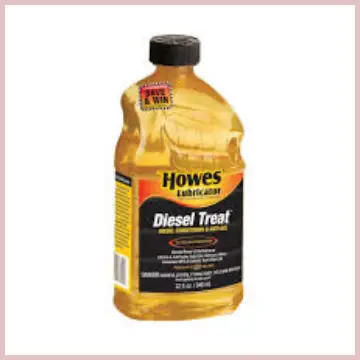
- Howes Diesel Treatment vs. General-Purpose Fuel Additives
I see Howes as more focused on diesel-specific concerns than a generic fuel additive.
A general-purpose product may target fuel cleanliness or basic conditioning, while a diesel-focused treatment can be more relevant when lubricity, moisture, and cold-weather diesel performance are priorities.
For a dedicated diesel vehicle, I would generally prefer a product formulated specifically for diesel fuel.
- Howes Diesel Treatment vs. Injector Cleaners
Injector cleaners have a different emphasis.
Their primary appeal is usually keeping injectors and fuel-delivery components clean. Howes Diesel Treatment is broader in its fuel-conditioning role.
If my biggest concern were suspected injector deposits, I would look specifically at cleaning-oriented solutions. If my goal were routine diesel fuel maintenance, a conditioner makes more sense to me.
- Howes Diesel Treatment vs. Premium Diesel Fuel
Premium fuel and fuel additives aren’t necessarily interchangeable.
Better-quality diesel can provide a stronger starting point, while an additive is something you deliberately introduce to address specific fuel-management needs.
I would rather start with good fuel and then use a suitable treatment when it makes sense.
- Howes Diesel Treatment vs. Winter Diesel Additives
Winter-focused additives are particularly useful when low temperatures are the main concern.
Howes can appeal to drivers who want broader year-round fuel conditioning while still paying attention to cold-weather operation.
For someone in an extremely cold environment, however, I would pay close attention to the specific cold-weather capabilities of any product rather than assuming every diesel treatment performs identically.
Who Should Consider Howes Diesel Treatment?
I think this product makes the most sense for diesel owners who take preventive maintenance seriously.
If you operate a work truck every day, use diesel machinery regularly, own equipment that sits for periods of time, or deal with seasonal temperature changes, fuel treatment can be a reasonable addition to your routine.
I’m less convinced that every diesel owner absolutely needs an additive.
If your vehicle is newer, regularly serviced, receives quality fuel, and operates under mild conditions, you may notice less dramatic benefits.
The key is matching the product to your circumstances.
Who May Want to Skip It?
If you’re expecting a fuel additive to repair a mechanical issue, I’d skip that approach and diagnose the problem first.
Likewise, if you’re extremely inconsistent with basic vehicle maintenance, I wouldn’t make an additive your priority.
Oil changes, fuel-filter service, air-filter maintenance, proper tire pressure, battery health, and professional inspection should come first.
A fuel treatment is an enhancement to good maintenance, not a replacement for it.
Also Read: Is Fram Oil Filter Worth It?
Frequently Asked Questions (FAQ)
Yes, it can help condition diesel fuel and support fuel-system maintenance when used correctly.
Yes. Follow the recommended dosage rather than assuming more product provides greater benefits.
Yes, it is a practical option for diesel fuel conditioning, lubricity support, and seasonal fuel care.
There isn’t one universal winner; the best choice depends on your engine, climate, fuel quality, and specific maintenance needs.
Final Verdict
After looking at the product from a practical diesel-owner perspective, I think Howes Diesel Treatment is worth buying if you want a simple way to add fuel conditioning to your maintenance routine.
I especially like its focus on lubricity, moisture management, and cold-weather fuel care. Just remember that it isn’t a mechanical repair product.
If you use it at the correct dosage and combine it with proper fuel-filter service and overall vehicle maintenance, it can be a sensible addition to your diesel-care routine.
Recent Posts
I tried Meltoway Hair Dissolving Cream because I wanted a quick way to deal with unwanted body hair without reaching for a razor every few days. If you are looking for a convenient at-home...
If you’re considering a saffron-based supplement to support mood, appetite control, and everyday wellness, Happy Saffron Plus is worth considering.I like that it takes a familiar botanical...