
If you want an affordable oil filter that is easy to find and offers dependable filtration for everyday driving, I think a Fram oil filter is worth considering.
I’ve found that Fram offers several filter lines aimed at different driving needs, so you can choose something basic or step up to a more premium option.
For routine commuting, family vehicles, and regular oil changes, I’d consider buying a Fram filter when the correct model matches your vehicle and oil-change schedule.
My First Experience With Fram Oil Filters
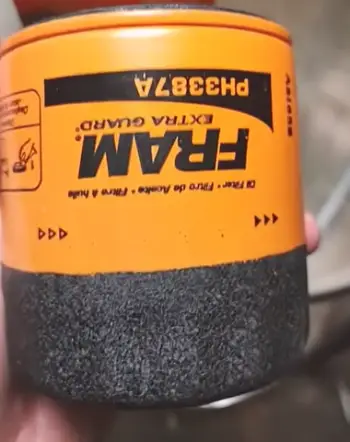
When I first started paying more attention to oil filters, I realized how easy it is to treat them as an afterthought.
Most people focus on choosing engine oil, but the filter is working alongside that oil every time the engine runs.
That made me more interested in seeing how a Fram oil filter actually performs in normal driving.
My experience with Fram has generally been positive for routine use. The first thing I noticed was how easy these filters are to recognize and find.
More importantly, there are multiple product levels, which means you aren’t necessarily locked into one basic filter.
I usually look at three things before installing an oil filter: whether it fits correctly, whether the filter feels well constructed, and whether its filtration design makes sense for my vehicle.
Fram generally checks those boxes, although the exact construction can vary considerably between product lines.
Installation has also been straightforward for me. The threaded connection feels properly made, and the gasket is an important part of getting a secure seal.
I always put a small amount of clean engine oil on the gasket before installation, because I want it to seat smoothly rather than stick or become damaged.
Once installed, I don’t expect an oil filter to make my engine suddenly quieter or more powerful. That’s not really what a filter is designed to do.
Its job is much less dramatic but extremely important: keep unwanted particles out of the circulating engine oil while maintaining appropriate oil flow.
During normal commuting, I haven’t found Fram filters to be troublesome. They work quietly in the background, which is exactly what I want from an oil filter.
One thing I learned, though, is that choosing a filter solely because it says Fram isn’t enough. Fram has different ranges, and construction, filtration materials, durability, and intended service can differ.
If you’re driving an older daily commuter, your needs may be different from someone driving a high-performance vehicle or following extended oil-change intervals.
So, my overall first impression is simple: Fram makes practical oil filters, but you should choose the specific filter rather than judging the entire brand from one model.
Pros Of Fram Oil Filters

- Affordable for Routine Maintenance
The biggest advantage I see with Fram is affordability.
Oil changes are already a recurring expense, and an oil filter is something you replace regularly. A reasonably priced filter can help keep routine maintenance costs under control.
If you drive thousands of miles every year, those small savings can add up.
I also like the fact that you can choose from different Fram product levels. That gives you some flexibility. You can stick with a basic option when cost is your main concern or choose a more advanced filter when you want additional filtration features.
- Easy to Find
Another major advantage is availability. When I need an oil filter, I don’t want to spend hours searching for an obscure part.
Fram is a familiar name in the automotive maintenance market, so its filters are commonly available through many automotive retailers and parts suppliers. That makes it convenient for people who prefer doing their own oil changes.
For me, convenience matters. If I can easily find the correct filter when it’s time for maintenance, that’s one less thing to worry about.
- Good Choice for Everyday Driving
For a typical commuter vehicle, I don’t need an oil filter designed around extreme racing conditions.
Most people drive to work, run errands, take children to school, travel on highways, and occasionally take longer road trips. A properly selected Fram filter can be a sensible choice for those situations.
I think this is where Fram makes the most sense. It isn’t necessarily about buying the most expensive filter available. It’s about matching the filter to how you actually use your vehicle.
- Multiple Product Levels
I appreciate having options. Some drivers want the lowest possible cost, while others are willing to spend more for additional filtration or construction features.
Fram’s range allows you to make that decision.
Personally, I would rather spend a little more on a higher-tier filter if I’m planning a longer service interval or simply want additional peace of mind. But if I’m changing oil frequently, a basic filter may be perfectly reasonable.
- Straightforward Installation
A good oil filter should not make installation unnecessarily complicated. Fram filters generally have a familiar design, and I find the installation process straightforward when the correct part number is used.
I still recommend checking the old filter against the replacement before installation. Look at the diameter, gasket, threads, and overall size. Spending a minute checking can prevent a frustrating mistake.
- Convenient Grip on Some Models
Some Fram filter designs include features intended to make installation and removal easier. I find this particularly useful when an old filter has become difficult to loosen.
Anyone who has performed an oil change knows how annoying a stubborn filter can be. A design that gives you a better grip can make the job much easier.
- Suitable for DIY Maintenance
If you enjoy maintaining your own vehicle, Fram can be a convenient option.
I like being able to purchase a filter, gather my oil and tools, and complete an oil change without making the process unnecessarily expensive.
For a basic maintenance job, that’s a real advantage.
Cons Of Fram Oil Filters
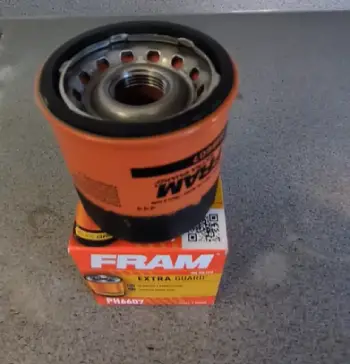
- Not Every Fram Filter Is the Same
This is probably the most important criticism I would make.
When someone asks, “Are Fram oil filters good?” I don’t think the answer should simply be yes or no. Different Fram filters can have different features and construction.
So, you need to identify the exact model.
- Basic Models May Feel Less Premium
Some entry-level filters are clearly designed around affordability. If you’re comparing one of these with a premium filter from another manufacturer, you may notice differences in materials, construction, or filtration design.
That doesn’t automatically make the basic Fram unsuitable. It simply means you shouldn’t expect a budget product to offer every feature found on a premium filter.
- Brand Reputation Can Create Confusion
Fram has had plenty of discussions surrounding its filter construction over the years. Some drivers strongly prefer competing brands, while others have used Fram filters for years without problems.
I think personal experience can sometimes distort the conversation. One filter failure, one poor installation, or one unusual engine problem doesn’t necessarily tell you everything about an entire product range.
Still, if you’re uncomfortable with a particular Fram design, there are plenty of alternatives available.
- Correct Fit Is Essential
This isn’t unique to Fram, but it’s worth emphasizing.
An oil filter that isn’t designed for your engine isn’t a bargain. I always verify the exact application before buying.
Never assume that a filter will work simply because the threads appear similar.
Maintenance For Fram Oil Filter
- Replace the Filter With Every Oil Change
This is the first rule I follow.
If I’m changing the engine oil, I replace the oil filter at the same time. The old filter has already collected contaminants, so reinstalling it with fresh oil defeats part of the purpose of the service.
A new filter gives the fresh oil a clean filtration path.
- Check the Old Gasket
Before installing the new filter, I inspect the old filter carefully after removal.
One mistake I never want to make is leaving the old rubber gasket stuck to the engine mounting surface. If a new filter is installed with its gasket on top of the old gasket, you can create a serious leak once the engine starts.
I always check the mounting surface before installing the replacement.
- Lubricate the New Gasket
I put a thin film of clean engine oil around the new filter gasket.
This helps the gasket seat properly and makes future removal easier.
You don’t need to soak the gasket. A light coating is enough.
- Don’t Overtighten
This is another mistake I’ve seen people make.
An oil filter doesn’t need to be tightened as hard as possible. Excessive force can damage the gasket or make the filter extremely difficult to remove later.
I follow the installation instructions for the specific filter and vehicle whenever torque specifications are provided.
- Inspect for Leaks
After installing the filter and adding oil, I start the engine and let it run briefly.
Then I check around the filter and drain area for leaks.
I don’t consider an oil change complete until I’ve confirmed that everything is dry and properly sealed.
- Use the Correct Oil
An oil filter cannot compensate for the wrong engine oil.
I always use the oil viscosity and specification recommended for the vehicle. The filter and oil work together, so both need to be appropriate.
- Follow a Sensible Oil-Change Schedule
Even a high-quality filter isn’t a substitute for proper maintenance.
If you regularly exceed the recommended oil-change interval, you’re asking the filter and engine oil to work longer and harder.
I prefer following the vehicle manufacturer’s maintenance recommendations and adjusting them when driving conditions genuinely require it.
- Consider Your Driving Conditions
Your driving habits matter.
Frequent short trips, heavy traffic, dusty roads, towing, extreme temperatures, and extended idling can place different demands on an engine.
If your vehicle experiences demanding conditions, I would pay more attention to oil-change intervals and filter selection rather than automatically choosing the cheapest filter.
Comparison Of Fram Oil Filter With Other Brands
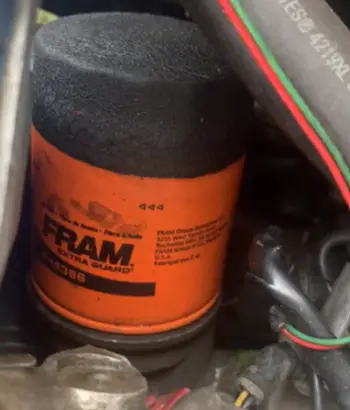
- Fram vs Mobil 1 Oil Filters
Mobil 1 oil filters are often positioned toward drivers looking for premium filtration and construction, while Fram provides a wider spread of choices across different price levels.
When I compare the two, I don’t automatically declare one winner.
If you’re primarily concerned about value and routine maintenance, Fram can be attractive. If you place greater emphasis on premium construction and are comfortable spending more, a Mobil 1 filter may be appealing.
Your oil-change interval also matters. For normal maintenance, I would focus on choosing a filter that matches the vehicle and replacing it at the proper interval rather than obsessing over tiny differences between brands.
- Fram vs Bosch Oil Filters
Bosch is another established name in automotive filtration, and its oil filters can be a strong alternative to Fram.
When I compare them, I look at the exact filter rather than the logo printed on the outside.
Fram has an advantage in terms of product familiarity and broad availability, while Bosch appeals to drivers who already prefer its automotive components.
For a normal daily driver, I would be comfortable considering either brand as long as the specific filter is appropriate for the engine.
- Fram vs K&N Oil Filters
K&N has a particularly strong reputation among enthusiasts and performance-oriented drivers.
I see K&N as a more specialized-feeling choice, while Fram is easier to position as an everyday maintenance option.
If you’re driving a standard commuter vehicle, you may not need to pay extra simply because a filter is marketed toward performance enthusiasts.
For a modified or performance-focused vehicle, however, I’d spend more time evaluating the exact filter’s construction and specifications.
- Fram vs WIX Oil Filters
WIX is another brand frequently considered by people who take filtration seriously.
In my experience, this is where personal preference becomes important. Some drivers swear by WIX, while others have used Fram for years without issues.
I wouldn’t replace a perfectly suitable Fram filter solely because someone says another brand is universally better.
Instead, I’d compare the specific model, intended service interval, construction, filtration characteristics, and price.
Also Read: Comparison of Jiffy Lube And Take 5
Frequently Asked Questions (FAQ)
There isn’t one universal winner. Fram, Mobil 1, WIX, Bosch, and other reputable brands offer suitable options depending on the vehicle and application.
Mobil 1 is often considered a more premium option, while Fram offers more choices across different price levels. The better choice depends on the specific filter and your maintenance needs.
Some drivers prefer other brands because they dislike certain Fram filter designs or want premium construction. However, a correctly matched Fram filter can be suitable for routine maintenance.
Fram’s higher-tier filters are generally the most appealing choice when you want upgraded filtration and construction rather than simply the lowest price.
Final Verdict
After looking at Fram oil filters from a practical driver’s perspective, I see them as a convenient option for routine engine maintenance rather than a one-size-fits-all solution.
I especially like the combination of availability, price, and multiple product levels. If you’re changing your oil regularly, choose the correct Fram model for your vehicle and follow proper installation practices.
For most everyday drivers, I’d be comfortable buying one, particularly when the specific filter fits the vehicle’s requirements.
Recent Posts
I tried Meltoway Hair Dissolving Cream because I wanted a quick way to deal with unwanted body hair without reaching for a razor every few days. If you are looking for a convenient at-home...
If you’re considering a saffron-based supplement to support mood, appetite control, and everyday wellness, Happy Saffron Plus is worth considering.I like that it takes a familiar botanical...