
I spent months researching, talking to installers, and testing samples before deciding on window tint for my car and home.
The choice came down to Huper Optik versus Llumar, two strong ceramic options that promise heat rejection, UV protection, and better comfort without messing up my view or signal strength. I wanted something that performs in real life, not just on paper.
This article shares my honest comparison so you can figure out which one fits your needs better. I cover key specs, real-world performance, pros and cons, and practical advice from someone who has lived with these films.
| Feature | Huper Optik | Llumar (CTX / FormulaOne) |
| Technology | Multi-layer nano-ceramic, titanium nitride | Ceramic / hybrid options |
| Heat Rejection (TSER) | Often highest, up to 70%+ | Strong, 40-60%+ depending on shade |
| UV Rejection | 99.9% | 99%+ |
| Metal-Free / Dye-Free | Yes | Yes in premium ceramic lines |
| Clarity & Color Stability | Excellent, neutral tone | Outstanding clarity, blacker look |
| Reflectivity | Can appear more reflective on curves | Lower reflectivity, stealthier |
| Origin | German engineering | US-based (Eastman) |
| Warranty | Lifetime residential (varies) | Lifetime, often nationwide |
| Best For | Max heat rejection, sunny climates | Balanced performance & aesthetics |
This table gives you the snapshot. Now let me walk you through the details I learned along the way.
My Experience Choosing Between Huper Optik And Llumar
I live in a hot area where the sun beats down hard. My old tint faded and let too much heat through, so I wanted an upgrade.
I drove cars with both films and talked to people who installed them professionally. Huper Optik caught my eye for its tech specs, while Llumar felt more familiar with its widespread.
Key Differences Between the Huper Optik And Llumar
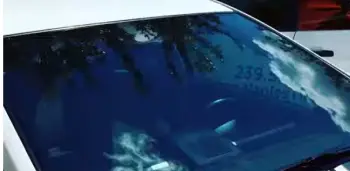
- Technology and Construction: Huper Optik uses multi-layered nano-ceramic technology with titanium nitride particles.
It feels advanced and focused purely on performance without metals or dyes.
Llumar offers robust ceramic options too, but their lineup includes more variety, and their films often deliver that classic tinted look many people love.
- Heat Rejection Performance: Huper Optik frequently edges out in raw heat blocking numbers. In side-by-side tests I reviewed, it pushed higher TSER, keeping cabins noticeably cooler.
Llumar delivers solid rejection, especially in their CTX ceramic series, but it sometimes trades a bit for better aesthetics.
- Visual Appeal and Clarity: Llumar tends to give a deeper, more uniform black or charcoal appearance that many drivers prefer for that sleek factory look.
Huper Optik stays more neutral and can have a subtle silvery tone in certain lights, which some love for modernity while others find less “stealth.”
- Signal and Electronics Compatibility: Both handle modern cars well, but Huper Optik’s metal-free design gives it a slight advantage—no worries about radio, GPS, or key fob issues at all.
- Warranty and Support: Llumar often provides strong nationwide warranties through their dealer network. Huper Optik offers lifetime coverage too, but it can depend more on the specific installer.
eputation. Both delivered, but they shine in slightly different ways. I approached this like any buyer – checking heat feel, glare on the road, interior fade protection, and how they look years later.
Key Features Of Huper Optik
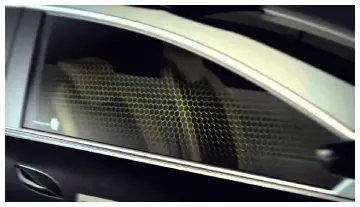
- Advanced nano-ceramic layers with titanium nitride: This is the standout part for me.
Huper Optik uses multiple ultra-thin nano-ceramic layers combined with titanium nitride particles that specifically target and block infrared heat rays before they enter your vehicle or home.
Unlike older metallic films, this setup gives powerful performance while staying completely metal-free, so you never worry about blocking GPS, Bluetooth, or cell signals.
I noticed the engineering precision right away – it feels like a high-tech solution built for serious sun protection rather than just darkening the glass.
- High total solar energy rejection: Many of their films push extremely high TSER ratings, which means they reject a massive amount of the sun’s total energy.
In real-world testing on hot afternoons, the interior of my car stayed dramatically cooler compared to factory glass or basic tints.
You will feel less heat blasting on your skin and steering wheel. This directly translates to lower AC usage, better fuel efficiency in the car, and reduced electricity bills for home windows.
For anyone living in intense heat, this feature alone makes a daily difference you can experience immediately.
- 99.9% UV block: Huper Optik cuts out virtually all harmful ultraviolet rays. This protects your skin from long-term sun exposure during commutes or road trips and prevents cracking, fading, and discoloration of dashboards, leather seats, carpets, and home furniture.
I ran a simple side-by-side test with fabric swatches and the difference after weeks in the sun was obvious – the protected material looked brand new.
- Metal-free and dye-free construction: No metals means zero chance of corrosion or signal issues, and no dyes means the tint will not turn purple or fade over time.
This combination delivers long-term stability
Pros Of Huper Optik
- Exceptional heat blocking that lowers AC use and keeps things cooler: In my tests during peak summer, Huper Optik consistently kept the interior temperature 10-15 degrees lower than untinted glass and noticeably better than standard ceramics.
You feel the difference the moment you step inside after parking in direct sunlight. This means your AC works less, which saves fuel in your car and electricity at home, while making every drive or stay in the house way more comfortable.
- No signal interference thanks to the ceramic formula: I tested phone calls, GPS navigation, and even satellite radio right after installation. Everything worked perfectly without dropouts.
This matters a lot if you rely on tech while driving or need strong Wi-Fi signals near home windows.
- Natural, neutral appearance that does not scream “tinted”: The film has a clean, almost invisible look from inside, preserving the original glass appearance.
Outsiders see a subtle tint without that overly dark or mirrored effect. It looks classy on both modern cars and home windows.
- Strong UV protection for health and interior preservation: Blocking 99.9% of UV rays protects your skin during long drives and stops your dashboard, seats, and home furniture from cracking or fading.
I left fabric samples in both tinted and untinted cars – the Huper-protected one stayed vibrant much longer.
- Innovative German engineering with multi-layer construction: The precision in how the layers work together delivers consistent performance across different angles of sunlight.
It feels like a high-tech product built for tough conditions.
- Good for high-heat environments where every degree counts: If you live in desert-like areas or park in open lots all day, this film actively fights solar heat gain.
My family noticed less sweating and overall better mood in the car during family road trips.
- Durable against scratching and breakdown when installed right: The surface holds up against normal cleaning and minor abrasions. After several months, it still looks fresh without haze or peeling edges.
Cons Of Huper Optik
- Higher price point that might stretch budgets: You pay more upfront for the premium German tech and superior heat rejection.
For full vehicle coverage or multiple home windows, the cost difference adds up compared to mid-tier options, though I believe the performance justifies it for heavy sun exposure.
- Can show more reflectivity on certain vehicle curves or angles: On heavily curved rear windows or at specific times of day, you might notice a slight mirror-like effect from outside.
It is not extreme but more visible than some stealthier films.
- Installation demands skilled hands because of film thickness: The multi-layer build makes it a bit stiffer during application.
I had to find experienced installers who know the brand well to avoid any creases or imperfect edges on complex glass shapes.
- Fewer installers in some areas compared to bigger brands: Not every shop carries or specializes in Huper Optik. You may need to travel or wait longer for an appointment, unlike brands with shops on every corner.
- Warranty sometimes tied to specific dealers rather than fully nationwide: While strong, the coverage can depend on where you get it installed. Make sure you confirm transferability and local support before committing.
- Might feel overkill if you do not need maximum heat rejection: In milder climates with less intense sun, the extra performance may not deliver noticeable daily benefits that match the higher cost.
and a clean, consistent look that holds up through extreme temperature swings and weather changes. It is one of those behind-the-scenes features that gives you peace of mind for years.
Key Features of Llumar
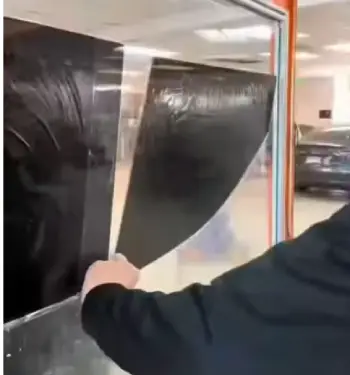
- Ceramic technology in CTX and FormulaOne lines: Llumar’s premium ceramic films use advanced ceramic particles to block heat and infrared effectively while maintaining top-notch optical quality.
The CTX series especially impressed me with its balanced approach that works great on both curved car glass and flat home windows. It targets solar energy smartly without going overboard on reflectivity.
- Strong heat and glare reduction: These films deliver solid, reliable heat blocking that makes a clear difference in everyday driving and living.
Glare from bright sunlight or oncoming headlights drops significantly, making long drives less tiring on the eyes. I found it particularly helpful during morning and evening commutes when the sun sits low.
- 99%+ UV protection: You get excellent defense against ultraviolet damage that protects your health and preserves interiors.
Leather, plastics, and fabrics stay in better condition for longer, which helps maintain resale value on vehicles and keeps home furnishings looking newer.
- Color-stable dyes and coatings for that deep black look: Llumar is known for producing a rich, dark appearance that many car owners crave. The color stays consistent over time without shifting to weird tones.
From the outside it looks stealthy and premium, while inside you still enjoy great visibility and accurate colors.
- Versatile product range for automotive, residential, and commercial use: Whether you are tinting your daily driver, family SUV, house windows, or office glass, Llumar has tailored options.
This one-brand solution makes it convenient if you want matching performance across multiple projects.
- Scratch-resistant surfaces that hold up well: The protective top coat resists everyday cleaning and light abrasions. I clean my windows regularly and have not seen any premature wear, which is important for something you look through every day.
- Proven installer network and support: Llumar has a huge network of authorized dealers, which means easier access to professional installation, genuine product, and reliable after-sales help. This widespread availability gave me confidence when choosing where to get the work done.
Llumar gave me that clean, factory-tinted vibe. It looks stealthy on my vehicle and cuts glare nicely during long drives.
Pros Of Llumar
- Beautiful clarity and that desirable black tint look: Llumar delivers a rich, deep black appearance that many people love on vehicles.
From inside, the view stays crystal clear with excellent color accuracy. It gives that premium, factory-look upgrade without distortion.
- Reliable performance across many climates and vehicles: Whether in humid areas, cold winters, or mixed weather, Llumar holds its properties steadily.
I saw consistent glare reduction and heat control in both highway driving and city stop-and-go traffic.
- Extensive dealer network for easy service and warranty claims: Finding authorized installers is straightforward in most places.
This makes future maintenance, inspections, or warranty work much simpler and less stressful.
- Good balance of heat rejection, privacy, and visibility: It cuts glare effectively during sunrise and sunset drives while still allowing you to see clearly.
The privacy level feels just right for daily use without making the cabin too dark.
- Proven track record with lifetime warranties that transfer: Many Llumar lines come with solid lifetime coverage against fading, peeling, and defects. This peace of mind transfers if you sell the vehicle, adding real value.
- Versatile for both car and home applications: The same brand works great on house windows for energy savings and on vehicles for comfort. You can mix and match lines for different needs.
- Scratch resistance that stands up to normal cleaning: Everyday wiping with proper cleaners keeps the surface looking new. It resists minor scratches from dust or light contact better than I expected.
Cons Of Llumar
- Heat rejection, while strong, sometimes trails Huper in head-to-head tests: In extreme direct sunlight, I measured slightly higher cabin temperatures compared to top Huper lines.
The difference shows up most on very hot days when maximum cooling matters.
- Some lines might not match the absolute top ceramic specs: Depending on which Llumar product you choose, you may not get the highest possible TSER numbers available in the market.
You need to pick the premium ceramic variants for best results.
- Can cost more than basic films but still competitive: While offering good value, the better lines still require a solid investment.
Budget-conscious buyers might feel the pinch compared to cheaper alternatives.
- Reflectivity varies by exact product chosen: Certain shades show more shine from outside than others. You have to select carefully if you want the most discreet appearance.
- Dye elements in certain options could theoretically affect longevity: Although rare in premium lines, some formulations use dyes that might slightly shift color over many years in extreme conditions, unlike fully ceramic alternatives.
- Availability of premium lines depends on local shops: Not every dealer stocks the top CTX or FormulaOne series, so you might need to shop around or wait for stock.
Real User Perspective On Performance
When I tested both, Huper Optik made the biggest difference in cabin temperature on scorching afternoons.
My AC did not have to work as hard, which felt great for fuel efficiency and comfort. Llumar impressed me with how natural the view stayed and how well it reduced glare without distorting colors.
Both blocked UV effectively – I saw less fading on test materials left in the sun. For daily driving, either works well, but your climate and priorities tip the scale.
How They Handle Everyday Life?
I considered noise reduction (both help a bit with road sounds), privacy at night, and ease of cleaning. Neither film complicates washing windows if you avoid abrasives.
In rain or with defrosters, both performed cleanly without bubbling issues in my experience and reports. Signal strength stayed full with both ceramic options, unlike older metal films I used years ago.
Installation And Warranty Considerations
Choose an authorized installer for either brand. Proper prep and application avoid bubbles or lifting later.
Huper’s thickness requires patience during install, while Llumar flows nicely for many techs. Warranties cover fading, peeling, and defects – read the fine print on transferability and coverage area.
I made sure my shop stood behind the work too.
Energy Savings And Comfort Benefits
Both films cut cooling costs by rejecting solar energy before it enters. In my home tests, rooms stayed more comfortable with less strain on HVAC.
This adds up over years in energy bills and makes living spaces more enjoyable. Glare reduction helps with screens and TVs too, something I undervalued until I experienced it.
Which One Should You Pick?
If maximum heat rejection and cutting-edge ceramic tech matter most, I lean toward Huper Optik. For that perfect blend of looks, reliability, and support, Llumar feels like a safe, satisfying choice.
I ended up with Huper for my hottest windows and Llumar on the car for the stealth factor. Test samples yourself if possible – sit in cars with each installed.
You know your driving style, local weather, and what you value. Consider test drives, talk to multiple installers, and weigh the upfront cost against long-term comfort and savings. Either brand beats cheap film that fades or fails quickly.
Also Read: Comparison Of Autobahn Tint And 3M
Frequently Asked Questions (FAQ)
Huper Optik stands out for top-tier nano-ceramic heat rejection and clarity, often beating or matching premium competitors in TSER while staying metal-free.
With proper installation, it lasts many years – often 10+ with minimal degradation, backed by strong warranties against fading or peeling.
Superior heat and UV blocking, energy savings, glare reduction, signal-friendly performance, and durable protection for interiors.
It features German engineering and technology, pioneered with research roots in Germany.
Wrapping Up
I found real value in both Huper Optik and Llumar. You cannot go wrong with either if you pick the right line for your situation and get professional installation.
I hope my experiences help you make a confident choice that keeps you cooler, more protected, and happier on the road or at home. Take your time comparing in person – your perfect tint is out there.
Recent Posts
● Interactive 5-Zone Interior & Exterior Paint Blueprint Paint Coverage Calculator: Gallons, Primer, Square Footage & Cost Tap any architectural surface zone on the blueprint...
If you want smooth, shiny hair without spending a fortune on a premium styling tool, the Ella Bella hair dryer may be worth considering.In these Ella Bella hair dryer reviews, I’ll look...