
If you are considering the Hyggear bunion corrector, I recommend thinking twice before buying it.
I understand the appeal: a simple wearable device that promises to align the big toe and make bunion discomfort easier sounds convenient.
However, after weighing the product’s intended design against the negative feedback reported across ecommerce marketplaces, I would not choose Hyggear as my first option.
If you want reliable bunion support, I would rather spend my money on a product with stronger customer satisfaction, clearer construction details, and recommendations that better align with podiatric care.
My Personal Experience With The Hyggear Bunion Corrector
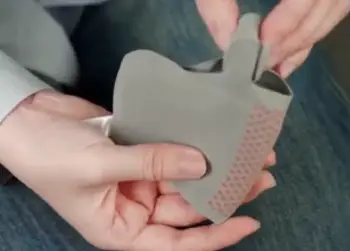
When I first looked at the Hyggear bunion corrector, the concept immediately seemed practical.
Like many people dealing with a bunion, I would naturally prefer something I could wear at home rather than immediately relying on complicated treatment.
The promise of gently positioning the big toe while providing support around the bunion area makes sense on paper.
My expectations, however, would be fairly realistic. A bunion is not simply a toe that has temporarily moved out of position. It involves a structural change around the joint at the base of the big toe.
Because of that, I would never expect a fabric or plastic corrector to permanently reverse the underlying deformity.
That distinction became particularly important when assessing Hyggear.
The first thing I would look at is comfort. A bunion corrector has to stay in contact with the foot for an extended period, so even a theoretically useful design becomes frustrating if it rubs, pinches, slips, or creates pressure in the wrong place.
I would want the material to feel secure without making my foot feel compressed.
I would also pay attention to how consistently the corrector holds the big toe. If the device moves around while I walk, its intended support becomes much less meaningful.
A bunion corrector should ideally provide gentle positioning rather than aggressively forcing the toe into place.
Hyggear’s basic proposition sounds attractive, but the customer feedback is where my enthusiasm drops.
Negative experiences reported on ecommerce platforms raise concerns about comfort, effectiveness, fit, durability, and whether the product delivers the results shoppers expect.
That matters because I am not buying a bunion corrector merely for its appearance. I am buying it because I want useful support.
I would be especially cautious if I expected Hyggear to actually “correct” my bunion. The wording surrounding products in this category can easily create unrealistic expectations. A wearable support may temporarily position the toe or reduce pressure, but that does not necessarily mean it can permanently correct a structural deformity.
Another issue I would consider is individual foot shape. My foot may respond differently from yours.
Someone with a mild bunion and flexible big toe could potentially find a soft separator comfortable, while someone with a more pronounced deformity might find the same device restrictive.
I also wouldn’t judge a bunion corrector solely by whether it feels tight. Tightness isn’t proof of effectiveness. In fact, excessive pressure can make an already irritated area feel worse.
After considering these factors, I wouldn’t recommend Hyggear despite its appealing concept.
The negative ecommerce feedback makes it difficult for me to justify choosing it over alternatives that have more established reputations.
Pros Of Hyggear Bunion Corrector
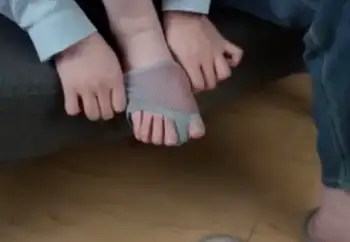
- Simple Concept and Easy-to-Understand Purpose
One thing I like about Hyggear’s concept is its simplicity.
I don’t need a complicated mechanism to understand what a toe corrector is trying to do.
The idea is straightforward: provide support around the big toe and bunion area while encouraging a more comfortable toe position.
For someone searching for a non-invasive accessory, that simplicity is appealing.
- Convenient for Home Use
A wearable corrector can be convenient because I can potentially use it while relaxing at home. I don’t need specialized equipment or a complicated routine.
That convenience is one reason bunion supports remain popular.
However, convenience alone doesn’t make Hyggear a good purchase. I would still want the product to perform consistently.
- Potential for Temporary Comfort
A correctly fitted bunion support may help some users manage pressure or irritation temporarily.
I want to emphasize “may.”
I wouldn’t promise that Hyggear will relieve your symptoms because everyone’s feet and bunions are different.
- Non-Surgical Approach
Hyggear is attractive to shoppers who want to explore conservative options before considering more invasive interventions.
For mild symptoms, conservative foot-care measures can be reasonable. But a wearable corrector should be viewed as one possible comfort tool rather than a treatment that guarantees structural correction.
- Portable Design
Another advantage of products in this category is portability. I can potentially use a compact support at home or take it with me when traveling.
That is much easier than relying on bulky equipment.
Still, portability only matters if the device remains comfortable and functional.
Cons Of Hyggear Bunion Corrector
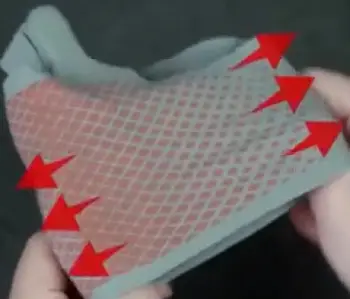
- Negative Ecommerce Feedback Concerns Me
This is the biggest reason I wouldn’t recommend Hyggear.
When I see substantial negative feedback surrounding a product, I don’t want to dismiss it simply because the marketing sounds attractive. Reviews aren’t perfect scientific evidence, but repeated complaints can reveal practical problems that promotional descriptions don’t communicate.
For a product that sits directly against a sensitive part of my foot, comfort and fit are particularly important.
- Effectiveness May Not Match Expectations
I would be very cautious about expecting Hyggear to actually correct a bunion.
A structural foot deformity generally cannot be permanently reversed simply because a wearable device holds the toe in a different position for several hours.
At most, a corrector may provide temporary positioning or symptom relief for some people.
That makes the word “corrector” potentially misleading if shoppers interpret it as a permanent solution.
- Fit Can Be a Problem
Feet vary enormously.
The width of my forefoot, size of my big toe, severity of the bunion, flexibility of the joint, and footwear can all influence how a corrector feels.
A design that works comfortably for one person may rub another person’s skin.
- Possible Discomfort
If the device creates excessive pressure, I would stop using it rather than assuming discomfort means it is working.
That is an important principle with bunion products.
Pain isn’t evidence of effectiveness.
- Questions About Value
Even if Hyggear provides some temporary support, I would still ask whether the results justify the purchase.
Because there are other conservative options available, I need a reasonable combination of comfort, durability, and effectiveness before spending money.
The negative customer feedback makes that value proposition less convincing to me.
Maintenance Tips For Hyggear Bunion Corrector
- Keep the Device Clean
If I were using any foot support regularly, hygiene would be one of my first priorities.
Feet naturally produce sweat, and a device worn against the skin can collect moisture, skin oils, and debris.
I would clean the corrector according to its manufacturer instructions and allow it to dry completely before using it again.
I wouldn’t put a damp support back onto my foot.
- Inspect It Regularly
I would check the material periodically for stretching, cracking, fraying, separation, or other deterioration.
This matters because a worn-out support may stop providing consistent positioning.
A damaged edge can also become a source of rubbing.
- Don’t Overtighten It
This is probably my most important practical tip.
If I have to tighten a corrector aggressively to keep it in position, I would question whether it is actually the right fit.
The goal should be gentle support—not squeezing the foot until it becomes uncomfortable.
- Start Gradually
If I decided to try a new bunion support, I wouldn’t immediately wear it for an extended period.
I’d start with a shorter session and pay attention to how my foot responds.
If I noticed increasing pain, numbness, tingling, skin irritation, or unusual pressure, I’d remove it.
- Pair It With Comfortable Footwear
A bunion corrector can’t compensate for shoes that squeeze the toes.
I would choose footwear with enough room in the toe box so the big toe isn’t being forced sideways.
This is especially important because repeatedly compressing the forefoot can undermine the comfort benefits I’m trying to achieve.
- Don’t Wear It Through Severe Pain
I wouldn’t follow the mentality that I should “push through” pain.
Persistent or worsening pain deserves attention, particularly if walking becomes difficult.
- Keep Your Feet Dry
Moisture can contribute to irritation when a support is worn for prolonged periods.
I would make sure my feet are clean and dry before putting the device on.
- Store It Properly
When I’m finished using a foot support, I’d store it somewhere clean and dry rather than leaving it on a damp bathroom floor.
Proper storage can help preserve the material.
- Replace It When Necessary
No wearable support lasts forever.
If the material becomes stretched or loses its shape, I wouldn’t expect it to work exactly as it did when new.
Replacing worn equipment is preferable to continuing to use something that no longer fits properly.
Comparison Of Hyggear With Other Bunion Brand
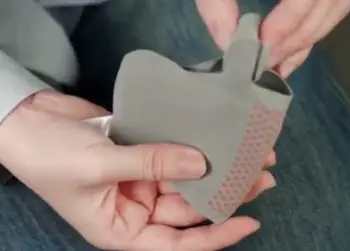
- Hyggear vs. Toe Separators
Toe separators are among the simplest options I can consider.
Instead of relying on a more elaborate strap arrangement, a separator primarily creates space between the toes.
For some people, that straightforward approach may be preferable because there are fewer components that can shift around.
I wouldn’t say a separator is automatically better than Hyggear, but simplicity has an advantage when comfort is the primary goal.
- Hyggear vs. Bunion Splints
Bunion splints usually focus more heavily on positioning and stabilization.
Depending on the design, a splint may provide firmer support than a soft corrector.
I would consider a splint if my main concern were nighttime positioning rather than wearing a device inside shoes.
Again, fit is critical.
- Hyggear vs. Gel Bunion Pads
Gel pads approach the problem from a different direction.
Instead of trying to reposition the toe, they can provide cushioning between the bunion and footwear.
If my biggest issue were shoe friction, I might actually prefer a cushioning approach over an aggressive positioning device.
- Hyggear vs. Custom Orthotics
Custom orthotics are a much more individualized option.
Rather than using a generic design, an appropriately fitted orthotic can be selected according to the mechanics and needs of my feet.
That doesn’t mean every person with a bunion needs custom orthotics.
It simply highlights why individualized assessment can be valuable when symptoms are persistent.
- Hyggear vs. Conservative Foot Care
This is perhaps the most important comparison.
Sometimes the most useful first step isn’t another gadget.
Wearing shoes with adequate toe-box space, reducing pressure on the bunion, using appropriate cushioning, and addressing foot mechanics can all be more sensible than expecting one inexpensive corrector to solve everything.
For that reason, I would approach Hyggear as an optional accessory at most—not the centerpiece of a bunion-management strategy.
Who Should Avoid Buying Hyggear?
Based on the concerns discussed above, I would be particularly cautious if I were expecting a permanent correction.
I also wouldn’t buy it simply because an advertisement suggests that wearing it regularly will straighten my big toe permanently.
If I have significant pain, swelling, difficulty walking, or a rapidly worsening deformity, I would rather seek professional assessment than experiment with an online corrective device.
Similarly, if I already know that my feet are sensitive to pressure or rubbing, I would be careful with any product that wraps around the toes or forefoot.
Also Read: Is Hyggear Silicone Toe Separators Worth It?
Frequently Asked Questions (FAQ)
I wouldn’t confidently say that Hyggear reliably corrects bunions. A wearable corrector may provide temporary positioning or comfort for some users, but it should not be assumed to permanently reverse a structural bunion. The negative feedback associated with Hyggear also makes me hesitant to recommend it.
There isn’t one universally best bunion corrector for everyone. The right option depends on the severity of the bunion, foot shape, symptoms, footwear, and whether the goal is cushioning, toe separation, or positioning. Personally, I would prioritize a comfortable, well-fitting product with strong customer feedback rather than choosing Hyggear based solely on its claims.
The concerns I would pay the most attention to are negative reports involving fit, comfort, effectiveness, durability, and whether the product delivers the expected correction. Because marketplace reviews can change and individual experiences vary, I wouldn’t treat every review as definitive. However, enough negative feedback would make me cautious about purchasing it.
Podiatrists commonly focus on conservative measures such as properly fitting shoes with adequate room for the toes, reducing pressure on the bunion, cushioning painful areas, and addressing individual foot mechanics. Depending on the person’s symptoms and severity, a podiatrist may recommend orthotics, other supportive measures, or additional treatment. Persistent or severe symptoms deserve professional evaluation.
Final Verdict
After looking at the concept, potential benefits, drawbacks, and customer feedback concerns, I wouldn’t recommend Hyggear as my first choice.
I understand why it looks appealing. The idea of gently repositioning the big toe at home is convenient, inexpensive, and far less intimidating than medical treatment. But convenience doesn’t automatically equal effectiveness.
For me, the negative ecommerce feedback is the deciding factor. I don’t want to spend money on a product when there are reasonable concerns about comfort, fit, durability, and performance.
If I were dealing with a bunion, I’d start with properly fitting footwear, pressure reduction, cushioning where appropriate, and professional advice if symptoms continued.
If I eventually chose a bunion support, I’d look for one with stronger user satisfaction and realistic claims.
Recent Posts
I tried Meltoway Hair Dissolving Cream because I wanted a quick way to deal with unwanted body hair without reaching for a razor every few days. If you are looking for a convenient at-home...
If you’re considering a saffron-based supplement to support mood, appetite control, and everyday wellness, Happy Saffron Plus is worth considering.I like that it takes a familiar botanical...