
I’ve found that a chainsaw doesn’t need to be packed with premium features to be useful around the property.
The Hyper Tough chainsaw line focuses on affordability and practical cutting tasks, making it worth considering if you need a budget-friendly saw for occasional yard work.
If you want a reasonably priced chainsaw for trimming branches, cutting small logs, or handling routine outdoor cleanup, I think Hyper Tough is worth considering. Just keep your expectations realistic: this is more about affordable utility than professional-grade performance.
My First Experience With The Hyper Tough Chainsaw
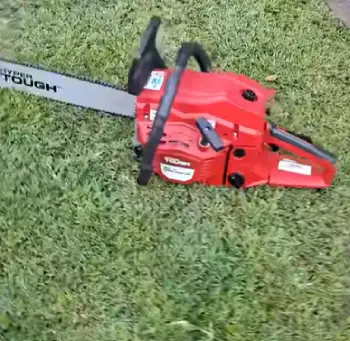
When I first look at a budget chainsaw, I don’t expect it to behave like an expensive professional model.
What I want is straightforward: does it start without a fight, does it cut reasonably well, and can I comfortably use it for ordinary property maintenance?
That’s where the Hyper Tough chainsaw caught my attention.
The brand offers chainsaws in different configurations, including compact electric and gas-powered models, depending on the specific product.
The 16-inch model is particularly interesting for homeowners because that bar length provides a useful balance between reach and maneuverability.
I like having enough bar length to handle medium-sized branches without carrying a huge, cumbersome saw around. At the same time, I don’t want a machine that feels oversized when I’m working in a backyard.
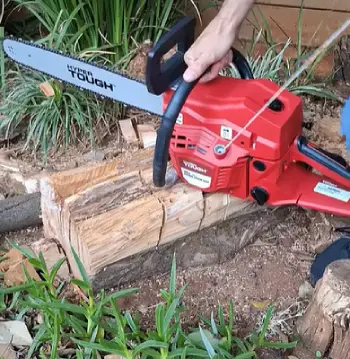
During typical cutting jobs, I would use a saw like this for fallen branches, firewood preparation, pruning larger limbs, and general cleanup after storms. Those are the situations where an affordable chainsaw makes the most sense.
The biggest thing I noticed is that expectations matter. If you’re buying this for occasional household use, the concept makes sense. If you’re expecting hours of continuous cutting every day, you should probably look at equipment designed specifically for demanding professional workloads.
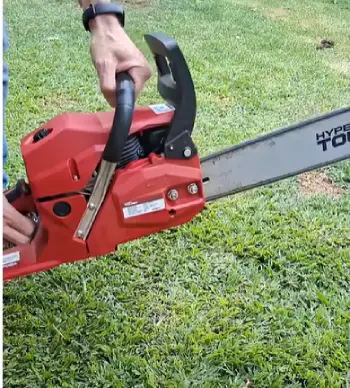
Handling is another important factor. A chainsaw can have plenty of cutting power, but if it feels awkward in your hands, the experience quickly becomes frustrating. The Hyper Tough design is aimed at everyday users rather than experienced logging professionals, so I find its overall approach more suitable for basic property maintenance.
Starting and operating the saw also require you to follow the instructions carefully. A chainsaw isn’t the type of tool where you want to rush through setup. I always make sure the chain is properly tensioned, the cutting area is clear, and the safety features are functioning before beginning.
For me, that practical approach is what makes the Hyper Tough chainsaw interesting. It isn’t trying to be something it isn’t. It’s positioned as an affordable tool for homeowners who need cutting capability without spending a fortune.
Pros Of Hyper Tough Chainsaws
- Affordable Entry Price
The biggest attraction for me is affordability.
Chainsaws can become surprisingly expensive, especially when you start looking at professional equipment. If you only need one a few times each month or during seasonal cleanup, spending a substantial amount may not make financial sense.
Hyper Tough targets buyers who want useful functionality without a premium price tag.
That makes the brand particularly interesting for homeowners, occasional DIY users, and people who need a chainsaw for straightforward outdoor maintenance.
- Useful for Routine Yard Work
You don’t necessarily need professional equipment to cut fallen branches.
If your typical jobs involve trimming limbs, cutting smaller logs, preparing manageable pieces of firewood, or cleaning up after windy weather, a budget chainsaw can make those tasks much easier.
I appreciate tools that have a clear purpose. For basic property maintenance, a Hyper Tough chainsaw can fill that role without demanding the investment associated with higher-end equipment.
- Practical Bar Length
A 16-inch bar is a useful size for many residential applications.
You get enough reach for numerous branches while keeping the saw relatively manageable. If you’ve ever carried a large chainsaw around a yard, you’ll understand why maneuverability matters.
A shorter or mid-sized bar can also make positioning easier when you’re working in tighter spaces.
- Straightforward Concept
I like equipment that doesn’t make ordinary maintenance unnecessarily complicated.
The Hyper Tough chainsaw is designed around a familiar chainsaw format: power source, guide bar, chain, chain tensioning, lubrication, safety controls, and cutting operation.
That makes the overall concept easy to understand for someone purchasing their first chainsaw.
Of course, simple operation doesn’t mean careless operation. You still need to understand kickback, chain tension, protective equipment, and safe cutting practices.
- Convenient for Occasional Users
If you’re not cutting wood every day, you probably don’t need a professional-grade saw.
That’s one of the strongest arguments for considering Hyper Tough. A homeowner may simply want a tool that can sit in the garage until a tree branch falls or a pile of firewood needs cutting.
In that situation, affordability becomes much more important.
- Compact and Manageable Options
Depending on the model, Hyper Tough offers configurations that are easier to handle than larger professional machines.
That can be helpful when you’re performing smaller jobs where excessive weight would become tiring.
I always prefer using a tool that’s appropriately sized for the job. Bigger isn’t automatically better.
Cons Of Hyper Tough Chainsaws
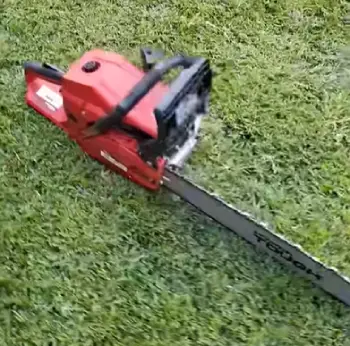
- Not Intended for Heavy Professional Work
This is the biggest limitation I’d keep in mind.
If you’re cutting large trees regularly, processing substantial amounts of firewood, or working commercially, you’ll probably want equipment specifically designed for intensive workloads.
A budget homeowner chainsaw shouldn’t be judged by the same standard as a professional forestry saw.
- Model Differences Matter
One thing I would be careful about is assuming every Hyper Tough chainsaw performs identically.
Specifications can vary between models, particularly regarding power source, engine or motor output, bar length, chain configuration, and included features.
Before buying, you should check the exact model specifications rather than relying only on the brand name.
- Maintenance Still Matters
A low-cost chainsaw isn’t a maintenance-free chainsaw.
You still need to keep the chain sharp, maintain proper tension, lubricate the chain where required, clean the saw, and inspect important components regularly.
If you neglect those tasks, cutting performance can decline quickly.
- Limited Heavy-Duty Capability
Large, dense wood can place significant demands on a chainsaw.
I wouldn’t choose a budget model simply because it has an appealing price and then expect it to perform like a commercial machine.
Matching the saw to your workload is much more important than chasing the lowest price.
Maintenance For Hyper Tough Chainsaw
- Keep the Chain Properly Tensioned
Chain tension is one of the first things I check.
A chain that’s too loose can create safety and performance problems, while one that’s excessively tight can increase wear.
Check the manufacturer’s instructions for the correct tensioning procedure and inspect the chain before each use.
Don’t assume that yesterday’s adjustment is automatically correct today.
- Sharpen the Chain Regularly
A sharp chain makes a huge difference.
If the saw starts producing fine dust instead of efficiently producing wood chips, that’s a sign that the chain may need attention. A dull chain can make cutting slower and force you to apply unnecessary pressure.
I prefer keeping the chain properly sharpened rather than waiting until performance becomes frustrating.
- Use the Correct Lubrication
Chain lubrication helps reduce friction and heat between the chain and guide bar.
If your particular Hyper Tough model requires bar and chain oil, use the appropriate lubricant and check the oil level regularly.
Never ignore lubrication simply because the saw still appears to be cutting.
- Clean After Use
Wood chips, sawdust, dirt, and debris can accumulate surprisingly quickly.
After using the chainsaw, I recommend cleaning accessible areas and checking around the bar, chain, air intake, and other relevant components according to the model instructions.
A few minutes of cleaning can help prevent debris from becoming a bigger problem.
- Inspect the Guide Bar
The guide bar takes considerable abuse.
Look for excessive wear, damage, unusual grooves, or other signs that something isn’t right. A damaged or excessively worn bar can affect chain movement and cutting performance.
If you’re unsure about its condition, have the saw inspected rather than continuing to use questionable equipment.
- Store It Correctly
Storage matters more than many people realize.
Keep the chainsaw somewhere dry and protected from extreme environmental conditions. For gas-powered versions, follow the manufacturer’s instructions regarding fuel storage and long-term storage procedures.
If you’re storing the saw for an extended period, don’t simply put it away and forget about it.
- Check Safety Components
Before every use, I would inspect the chain brake, hand guard, trigger controls, and other safety components specified by the manufacturer.
A chainsaw is a powerful cutting tool. You don’t want to discover a safety feature isn’t working properly while you’re already cutting.
- Wear Appropriate Protective Equipment
This isn’t an area where I would try to save money.
Eye and hearing protection, gloves designed for the task, sturdy footwear, and appropriate protective clothing can provide valuable protection.
You should also keep other people and pets away from the cutting area.
Comparison Of Hyper Tough Chainsaw With Other Brands
- Hyper Tough vs. Stihl
Stihl has a much broader reputation for chainsaws designed across homeowner, farm, forestry, and professional applications.
Hyper Tough generally appeals more to buyers focused on affordability and occasional use.
If you’re comparing them, don’t look only at brand recognition. Consider power, bar length, intended workload, service availability, replacement parts, weight, and long-term maintenance.
- Hyper Tough vs. Husqvarna
Husqvarna also offers chainsaws across several performance categories.
The important distinction is that different Husqvarna models may target significantly different workloads. A homeowner model and a professional model aren’t interchangeable.
When comparing one with Hyper Tough, I would focus on the exact specifications rather than comparing brand names alone.
- Hyper Tough vs. Craftsman
Craftsman has a broad selection of outdoor power equipment, including chainsaws aimed at residential users.
This makes Craftsman a particularly relevant comparison for someone shopping in the same general homeowner category.
I would compare engine or motor specifications, bar length, weight, chain system, warranty terms, replacement components, and your expected frequency of use.
- Hyper Tough vs. Greenworks
Greenworks is particularly relevant if you’re considering electric chainsaws.
If your cutting jobs are close to an electrical outlet or you already use battery-powered outdoor equipment, an electric configuration can offer a different ownership experience from a gas-powered saw.
Your choice here largely depends on whether convenience, runtime, power source, and portability fit your property.
Is Hyper Tough A Good Chainsaw For Homeowners?
For the right homeowner, it can be a practical choice.
I wouldn’t describe any chainsaw as universally suitable because cutting requirements vary dramatically. A person trimming occasional branches has completely different needs from someone cutting several cords of firewood.
The key is matching the machine to the workload.
If affordability is important and your jobs are relatively modest, Hyper Tough deserves consideration. If your work is demanding, compare more powerful models designed specifically for that environment.
Frequently Asked Questions (FAQ)
Hyper Tough is a Walmart-associated private-label brand offering various tools and equipment, including chainsaws.
Feedback commonly focuses on its affordability and suitability for basic household cutting, while expectations about heavy-duty performance vary.
There isn’t one universal choice. The right value depends on your cutting workload, preferred power source, bar length, durability needs, and budget.
There isn’t one official “knockoff” Stihl brand. Several manufacturers produce lower-priced chainsaws that compete in similar consumer categories.
Final Verdict
After considering what the Hyper Tough chainsaw is designed to do, I see it as a budget-oriented option for routine homeowner cutting rather than demanding professional work.
If you need an affordable saw for occasional branches, small logs, and property cleanup, I think it’s worth considering.
Just maintain the chain, follow the safety instructions, and choose the exact model according to your workload.
If those expectations match your needs, you can buy a Hyper Tough chainsaw without paying for capabilities you may never use.
Recent Posts
I spent months comparing budget options against established names after my last set of tires wore out sooner than expected.My goal here is to share what I learned from putting Dextero and...
AquaTru Carafe Vs. Classic: Which Is Actually Fits Your Kitchen?
I decided to write this comparison after months of testing both the AquaTru Carafe and the Classic in my own kitchen. Tracking covered daily use.Taste stayed consistent. Refill frequency...