
I decided to tackle the IKEA versus Home Depot cabinets question head-on because I have walked both paths in my own kitchen projects and watched friends struggle with the same choice.
My goal here is simple: give you a clear, practical breakdown so you can pick the cabinets that actually fit your budget, timeline, skill level, and how hard you plan to use the space.
| Aspect | IKEA (SEKTION focus) | Home Depot (Hampton Bay to KraftMaid range) |
| Typical full kitchen cost (materials) | $2,000–$7,000 | $4,000–$20,000+ |
| Construction materials | High-density particleboard / MDF with melamine | Particleboard (budget) to plywood / solid wood (premium) |
| Hardware | High-quality soft-close (often Blum) standard | Varies; soft-close common on mid-to-high lines |
| Assembly | Flat-pack, DIY-friendly | Ready-to-assemble or pre-assembled options |
| Style range | Strongly modern / minimalist | Traditional, transitional, modern |
| Customization | Modular but fixed sizes | Stock to semi-custom and custom sizing |
| Warranty | Up to 25 years on SEKTION | Varies by brand; often 1–25 years |
| Best for | Budget + modern look + DIY | Variety + higher durability options |
Key Differences Between IKEA And Home Depot Cabinets
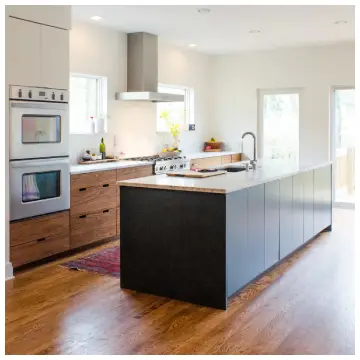
- Price structure and overall project cost: IKEA keeps entry costs low with flat-pack design.
A full average kitchen often stays under five thousand dollars for cabinets alone.
Home Depot starts close on budget lines. Costs rise fast with better materials.
- Material quality ladder: IKEA sticks to engineered wood and melamine across most options.
Home Depot offers a clear step-up path.
You can choose basic particleboard or move to plywood and solid wood.
- Hardware and everyday function: IKEA includes soft-close hinges and full-extension drawers as standard.
Home Depot adds these features on mid-tier and higher lines.
Daily use feels smoother with better hardware.
- Design language and size flexibility: IKEA focuses on clean modern lines and set widths. Home Depot covers traditional and transitional looks.
Higher lines also give more size choices for odd spaces.
- Installation path and timeline: IKEA expects assembly from flat packs. Many people do it themselves or hire help.
Home Depot stocks both ready-to-assemble and fully built cabinets. This shortens the job for busy owners.
- Support and shopping experience: IKEA relies on online tools and store planners.
Home Depot provides in-store design help more often.
Local availability can feel easier at the big-box store.
Key Features Of IKEA Cabinets
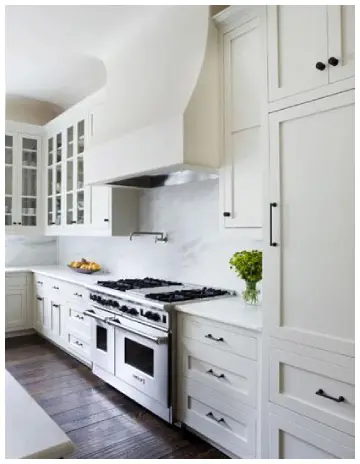
- Modular SEKTION system: Boxes doors and interiors mix freely.
You can expand storage later without full replacement.
This keeps future updates simple and affordable.
- Consistent high-end hardware: Soft-close hinges and slides come standard.
The action stays smooth for years. Daily closing feels quiet and reliable.
- Flat-pack efficiency: Everything ships in compact boxes.
You can haul a full kitchen in a normal vehicle. Storage before install stays easy.
- Door and finish variety within a modern frame: Matte gloss and wood-look options share the same boxes. You can swap fronts later for a fresh look.
Cost stays lower than full replacement.
- Long structural warranty: The main system carries up to twenty-five years of coverage. This gives solid peace of mind on the boxes. Normal use is clearly protected.
- Integrated storage solutions: Drawers and organizers fit the system tightly. Space use feels efficient every day. Clutter drops without extra effort.
Pros Of IKEA Cabinets
- Strong value for the money: Soft-close hardware and modern storage come at a lower price. Full kitchens often cost less than mid-tier Home Depot setups. Budget stretch feels real.
- Predictable dimensions and easy planning: Every box follows the same height and depth rules. Online tools show the layout clearly. Mistakes drop during the design stage.
- Easy future updates: Modular parts let you change doors or add organizers later. Partial refreshes cost far less than full gut jobs. The system stays useful longer.
- High-quality hardware that holds up: Hinges and slides rarely fail under normal loads. Adjustments stay simple and cheap. Daily function remains consistent for years.
- Generous structural warranty: Twenty-five years on the main boxes is strong at this price. Confidence in the core structure rises. Long-term risk feels lower.
- Modern efficient look: Clean lines create a calm kitchen feel. Storage solutions hide clutter well. Everyday cooking stays organized.
Cons Of IKEA Cabinets
- Assembly time and skill requirement: Building a full kitchen takes real hours. Tool comfort is needed or hired help becomes necessary. Free weekends can disappear fast.
- Moisture sensitivity of particleboard: Water can swell the core if it reaches raw edges. Under-sink areas need careful sealing. Quick leak response is essential.
- Limited traditional styling: Modern looks dominate the range. Classic or farmhouse homes may feel mismatched. Third-party doors add extra cost and steps.
- Fixed size increments: Odd wall lengths force more fillers. Older homes with uneven walls need extra finishing work. Perfect fits take more planning.
- Front thickness and perceived solidity: Some doors feel thinner than solid wood options. The tactile close is different. Looks stay clean but weight feels lighter.
- Learning curve for first-time builders: Instructions are clear yet volume of parts can overwhelm. Organization becomes critical. First kitchens take longer than expected.
Key Features Of Home Depot Cabinets
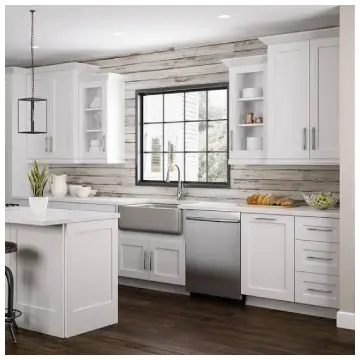
- Broad brand and quality spectrum: Hampton Bay covers the budget end.
Higher lines move into plywood and solid wood. You can match quality to your full renovation budget.
- Pre-assembled stock options: Many cabinets arrive already built.
Assembly time drops sharply. New users avoid common build mistakes.
- Style coverage from traditional to contemporary: Raised panel shaker and slab doors sit side by side.
Classic homes find natural matches. Modern looks are also easy to create.
- Semi-custom sizing on higher lines: You can order closer to exact widths needed.
Filler strips become fewer. Finished walls look cleaner.
- In-store design help and installation services: Kitchen appointments are available in many locations.
Installers can be arranged through the store. One-stop support reduces stress.
- Wide finish and color range: Painted stained and textured options fill the aisles. Matching existing trim feels straightforward. Personal taste is easier to hit.
Pros Of Home Depot Cabinets
- Real quality ladder: Spending more buys plywood boxes and solid wood doors. Humidity resistance improves with the upgrade. Long-term durability rises clearly.
- Style flexibility: Traditional raised panels sit next to clean shaker styles. Architecture matching becomes easier. Period homes feel more natural.
- Reduced assembly burden: Pre-assembled cabinets hang faster. Physical work drops for larger kitchens. Limited DIY time is less of a problem.
- Local availability and service network: Samples are easy to see in person. Returns and support feel simpler. Contractor connections reduce coordination stress.
- Better options for non-standard spaces: Semi-custom lines handle awkward widths well. Gaps and fillers shrink. Finished results look tighter.
- Broader price-to-feature steps: Budget stock mid-tier and premium lines all exist. You can stop at the exact quality level needed. Overspending becomes easier to avoid.
Cons Of Home Depot Cabinets
- Price climbs quickly: Leaving the basic range raises costs fast. Comparable modern kitchens often exceed IKEA totals. Budget control needs careful watching.
- Inconsistent quality across lines: Cheapest stock can feel lighter than expected. Specs must be checked closely. Hardware upgrades sometimes cost extra.
- Longer lead times on higher lines: Stock ships fast yet semi-custom orders wait weeks. Tight renovation calendars feel pressure. Planning buffers become important.
- Hardware upgrades cost extra on budget lines: Soft-close is not always standard at the lowest prices. Adding it later raises the final number. Entry value drops a bit.
- Design experience varies by store: Some locations have strong kitchen help. Others feel more general. Guidance quality depends on the day and staff.
Heavier shipping and handling: Assembled cabinets cost more to move. Damage risk rises slightly in transit. Returns can feel more involved.
Materials And Construction In Everyday Use

I have lived with both systems. IKEA’s melamine-coated particleboard shrugs off daily splatters and cleans easily.
The surface stays looking new longer than I expected. The weak point remains water. Once moisture reaches the raw edges or the core, swelling begins.
Careful installation with sealant around sinks and dishwashers is non-negotiable.
Home Depot’s plywood options handle humidity better. The screw-holding power is stronger, and the boxes feel more rigid when you lean on them.
Solid-wood doors expand and contract with seasons, which can show as small gaps, but many people prefer the authentic look and repairability of real wood.
Budget particleboard lines at Home Depot behave much like IKEA’s material.
Hardware quality often decides the daily experience more than the box material. Soft-close mechanisms that work smoothly year after year make a kitchen feel expensive.
IKEA wins this category at the entry level. Higher Home Depot lines catch up and sometimes surpass it.
Installation Realities
Assembling IKEA cabinets is straightforward if you follow the sequence and keep parts organized. Two people make the job faster and safer.
Wall mounting requires accurate leveling; the system is unforgiving of out-of-plumb walls. Many owners hire installers who specialize in IKEA kitchens and still come out ahead on total cost.
Home Depot’s pre-assembled cabinets reduce the physical work but still demand careful leveling and secure fastening to studs.
Professional installation is more common and often expected with the higher-end lines. The store’s contractor network can simplify scheduling, though quality of installers varies.
In both cases, countertop templating and appliance delivery need to be coordinated carefully. Cabinets that arrive early sit in the way; cabinets that arrive late stall the whole project.
Durability Over Years Of Real Use
After watching kitchens age, I see a pattern. Properly installed IKEA SEKTION boxes hold their shape for a decade or more when protected from chronic moisture.
The most common service items are hinge adjustments and occasional drawer slide replacements—both inexpensive. Door fronts show wear first, especially around handles on high-use cabinets. Replacing fronts is a relatively affordable refresh.
Home Depot plywood and solid-wood cabinets age more gracefully in humid climates. They tolerate the occasional leak better.
Budget particleboard lines show the same swelling risks as IKEA. Finish quality on painted doors varies; some chip more easily than others. Higher lines with catalyzed finishes hold up well.
Both systems benefit from good habits: wipe spills promptly, avoid hanging heavy items on doors, and keep the kitchen reasonably dry. Neither is indestructible, but both can serve a family for many years when treated reasonably.
Style And Design Fit
IKEA kitchens look best in modern, transitional, or minimalist homes. The clean lines and integrated storage solutions create a calm, efficient feel.
Adding open shelving, contrasting island colors, or third-party hardware can personalize the look without losing the system advantages.
Home Depot covers a wider emotional range. A traditional raised-panel kitchen feels at home in a colonial or craftsman house.
Shaker styles bridge modern and classic. If your design goal is to match existing architecture rather than create a fresh contemporary statement, Home Depot usually has more natural options.
Lighting, hardware, and countertops influence the final impression more than many people expect. Both cabinet systems can look expensive or inexpensive depending on the surrounding choices.
Cost Breakdown And Hidden Expenses
Cabinet boxes are only part of the total. Doors, drawers, hardware, fillers, toe-kicks, and installation add up.
IKEA’s transparent pricing helps here; you can build a detailed list online and see the number grow in real time.
Home Depot quotes can feel more layered once design fees, delivery, and installation packages enter the picture.
Labor is the biggest variable. DIY assembly favors IKEA. Professional installation narrows or eliminates the price gap, especially if the Home Depot cabinets arrive pre-assembled.
Countertops, appliances, flooring, and plumbing usually dwarf the cabinet difference once the project expands.
Shipping and returns also matter. IKEA’s flat-pack model keeps freight costs low. Home Depot’s assembled cabinets cost more to move and can be harder to return if a piece arrives damaged.
Who Should Choose IKEA?
Choose IKEA if your budget is tight, you like modern design, you are comfortable with assembly or can hire focused help, and you want soft-close features without paying a premium.
It also suits renters or people who may update the kitchen again in ten years, because the modular system supports partial refreshes.
Who Should Choose Home Depot?
Choose Home Depot if you want traditional styling, prefer pre-assembled cabinets, need non-standard sizes, or plan to invest in plywood or solid-wood construction for long-term durability.
It also fits people who value in-store support and a wider range of price-to-quality steps.
Also Read: Is Ikea Sågmästare Cabinet Worth It?
Frequently Asked Questions (FAQ)
It depends on your priorities. IKEA wins on value and modern design. Home Depot wins on style range and higher materials.
Yes for most full modern kitchens. Home Depot budget lines can compete. Mid-tier and above usually cost more.
Yes especially plywood and higher lines. Budget stock options stay more basic.
For the price yes. Boxes and hardware hold up with proper install and moisture control.
Wrapping Up
I walked through the numbers materials daily use and long-term behavior so you can decide with clear eyes.
You now know where IKEA saves money and where Home Depot offers more flexibility or durability.
Match the cabinets to your budget your design taste and how much time you want to spend with tools. When those pieces line up either system can give you a kitchen that works hard and looks good.
Choose the one that fits your life then enjoy cooking in it.
Recent Posts
I spent months comparing budget options against established names after my last set of tires wore out sooner than expected.My goal here is to share what I learned from putting Dextero and...
AquaTru Carafe Vs. Classic: Which Is Actually Fits Your Kitchen?
I decided to write this comparison after months of testing both the AquaTru Carafe and the Classic in my own kitchen. Tracking covered daily use.Taste stayed consistent. Refill frequency...