
If you are tired of watching broadleaf weeds, dollarweed, clover, and other unwanted growth take over your warm-season lawn, I think Image Southern Lawn Weed Killer is worth considering.
I like it because it is designed specifically with southern lawns in mind and can target several common weeds without requiring a complicated routine.
If you have St. Augustinegrass, centipedegrass, zoysiagrass, or another listed warm-season turf, I would consider buying Image Southern Lawn Weed Killer after checking the label for your specific grass and weeds.
My Personal Experience With Image Southern Lawn Weed Killer
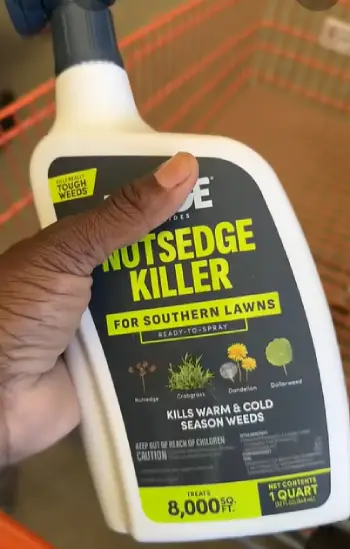
When I first looked at Image Southern Lawn Weed Killer, what caught my attention was its focus on southern lawns.
That matters more than many people realize. I have learned that you cannot simply grab any weed killer from a shelf and assume it will be suitable for every type of turfgrass.
Southern lawns often deal with a different mix of weeds and growing conditions than northern lawns.
Warm temperatures, humidity, frequent rainfall, and aggressive summer growth can create an environment where weeds seem to appear overnight.
I wanted something that could address those problems without turning routine lawn care into a major project.
My first impression was that Image Southern Lawn Weed Killer was relatively straightforward to use.
I read the product label carefully before application because turfgrass tolerance, application rates, weather conditions, and weed species all matter. I would strongly recommend that you do the same rather than relying only on general instructions from reviews.
What I particularly appreciated was the product’s focus on common southern-lawn weeds. Instead of treating every unwanted plant as if it were the same problem, I looked at what was actually growing in the lawn.
That helped me determine whether the product was appropriate before applying it.
I also learned to keep my expectations realistic. Weed control is not always an overnight transformation.
Some weeds began showing signs of stress before disappearing completely. For me, that was a reminder that a weed killer is only one part of lawn management.
The biggest difference came when I combined weed treatment with better lawn maintenance. I kept the grass properly watered, avoided unnecessary stress, and paid attention to mowing practices. A healthier lawn naturally gave weeds less room to establish themselves.
Overall, my experience left me viewing Image Southern Lawn Weed Killer as a practical option for people dealing with weeds in suitable southern turfgrass.
However, I would not call it a universal weed killer. The label matters, and identifying the weed and grass correctly is just as important as choosing the product.
What Is Image Southern Lawn Weed Killer?
Image Southern Lawn Weed Killer is a selective herbicide formulated for use on certain warm-season lawns.
The goal of a selective herbicide is to control targeted weeds while being tolerated by specified turfgrass when used according to the label.
One important active ingredient associated with Image Southern Lawn Weed Killer products is atrazine.
Depending on the specific Image formulation you purchase, however, the active ingredients can differ, so I would always check the current product label rather than assuming every Image product has the same formulation.
That distinction is important. Image is a product family, not necessarily one identical formula sold for every lawn problem.
The southern-lawn formulation is intended for particular weeds and turf situations, while other Image products may have different purposes.
For me, this is one of the biggest lessons from researching lawn herbicides: the name on the front of the bottle is not enough. I want to know the exact formulation, active ingredients, permitted turf species, weeds controlled, application rate, and restrictions before I spray anything.
Pros Of Image Southern Lawn Weed Killer
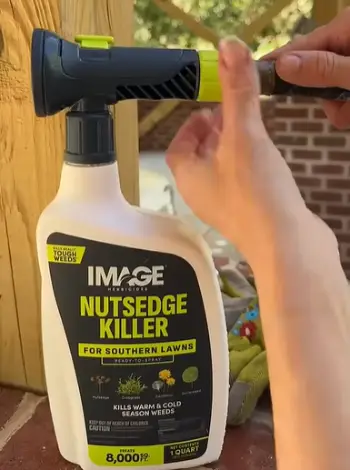
- Designed for Southern Turfgrass
The biggest advantage I see is its focus on warm-season lawns.
If you maintain a southern lawn, you probably know that turfgrass selection matters. St. Augustinegrass, centipedegrass, zoysia, and other warm-season grasses can respond differently to herbicides.
Having a product formulated for specific southern turf situations gives me more confidence than randomly choosing a general weed killer.
That does not mean every lawn can safely receive it. I still check the label for my exact grass type.
- Targets Common Lawn Weeds
Another major benefit is its usefulness against certain common weeds found in southern lawns.
If your lawn is dealing with broadleaf weeds, grassy weeds, or other species specifically listed on the label, having a targeted herbicide can save time compared with manually removing every weed.
I particularly like targeted control because pulling weeds by hand can become exhausting when an infestation covers a large lawn.
- Convenient Lawn Treatment
I appreciate products that do not require an elaborate process. When I have a lawn problem, I want the treatment to be practical.
Image Southern Lawn Weed Killer can fit into a normal lawn-care routine when applied according to its directions. That makes it appealing to homeowners who want to handle weed problems themselves rather than immediately paying for professional treatment.
- Useful for Established Weed Problems
A lawn full of weeds can quickly become frustrating. I have found that selective herbicides can be particularly helpful when weeds have already established themselves across a sizeable area.
Instead of manually treating each plant, a properly applied lawn treatment can cover a larger area.
That is a major convenience when the infestation is beyond what hand-pulling can reasonably handle.
- Can Complement a Broader Lawn-Care Routine
One thing I like about Image is that I do not have to think of it as the entire lawn-care solution.
I can use weed control alongside mowing, watering, fertilization, soil management, and overseeding or turf establishment where appropriate.
That broader approach matters because killing today’s weeds does not automatically prevent tomorrow’s weeds.
Cons Of Image Southern Lawn Weed Killer
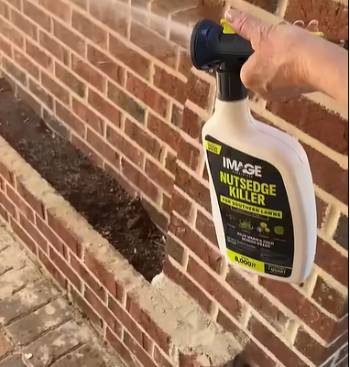
- It Is Not Suitable for Every Grass
This is probably the first limitation I would mention.
You cannot assume that because something says “lawn weed killer,” it is safe for every lawn. Turfgrass tolerance varies significantly.
If you are unsure what type of grass you have, identify it before applying the product. I would rather spend a few minutes confirming the grass species than risk damaging an entire lawn.
- Results Can Vary by Weed
Not every weed responds identically to a herbicide.
Some weeds may be easier to control than others, while mature or stressed weeds can be more difficult. Environmental conditions also influence performance.
For that reason, I would not judge the product after only a day or two.
- Application Requires Attention
Although the product can be convenient, careless application can create problems.
Overapplication does not necessarily mean better weed control. In fact, using more than the recommended amount can increase the risk of turf injury and environmental exposure.
I prefer measuring carefully and following the label exactly.
- Weather Can Affect Performance
Southern weather can be unpredictable. High temperatures, heavy rainfall, drought, and other conditions can affect application and results.
I therefore avoid treating immediately before heavy rain unless the product label specifically indicates that it is appropriate.
- It Does Not Replace Good Lawn Maintenance
This is perhaps the most important limitation.
If your lawn has compacted soil, poor drainage, bare patches, irregular mowing, or inadequate turf density, weeds may return even after successful treatment.
A herbicide handles the existing problem. It does not automatically fix the underlying reason weeds were able to establish.
Maintenance Tips For Image Southern Lawn Weed Killer
- Keep Your Grass Healthy
My first maintenance priority is always the grass itself.
Dense, healthy turf competes with weeds for sunlight, water, nutrients, and space. If I allow the grass to become thin or stressed, weeds have more opportunities to establish.
I therefore pay attention to proper mowing, watering, and fertilization based on the turf species.
- Mow at the Correct Height
I avoid treating mowing as simply cutting the grass as short as possible.
Scalping a warm-season lawn can stress the turf and expose soil, giving weeds an opportunity to establish.
Instead, I follow the recommended mowing height for the particular grass species.
- Avoid Overwatering
Watering too frequently can create its own set of problems.
I prefer watering according to the needs of the lawn and local conditions rather than automatically turning on sprinklers every day.
Excess moisture can encourage certain weeds and contribute to other lawn problems.
- Watch for Bare Spots
After controlling weeds, I pay special attention to areas where the turf is thin.
A bare patch is basically an invitation for new weeds.
Depending on the turfgrass and season, repairing thin areas can help the lawn become more competitive. The exact repair method varies by grass type, so I choose the approach appropriate for my turf.
- Identify Weeds Before Re-Treating
One mistake I try to avoid is repeatedly applying herbicide simply because I still see something green.
Instead, I identify what remains.
It may be a weed that the product does not control. It could also be turfgrass or another plant that should not be treated.
Correct identification prevents unnecessary applications.
- Follow the Label for Repeat Applications
I never assume that applying the product again immediately will produce better results.
The label provides important information about application frequency, intervals, maximum seasonal use, turf restrictions, and other precautions.
I treat those instructions as part of the product itself, not as optional fine print.
Comparison Of Image Southern Lawn Weed Killer Vs Other Options
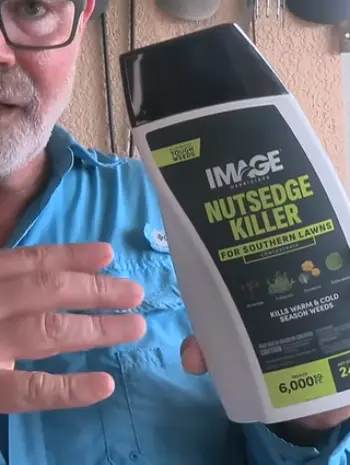
- Image Southern Lawn Weed Killer vs Roundup
Roundup is widely associated with glyphosate-based weed control, but that does not automatically make it the right choice for a turfgrass lawn.
When I am treating weeds directly inside desirable grass, I prefer a product specifically labeled for the turf situation rather than a non-selective herbicide that can damage or kill desirable vegetation.
That makes the two products fundamentally different choices for many lawn applications.
- Image Southern Lawn Weed Killer vs Ortho WeedClear
Ortho WeedClear products are also designed around lawn weed control, with formulations varying according to the specific product.
When comparing the two, I would look beyond brand recognition. I would compare the exact weeds controlled, grass species listed, active ingredients, application instructions, and seasonal restrictions.
For a southern lawn, Image can be attractive when its specific label matches the turfgrass and weed problem I am dealing with.
- Image Southern Lawn Weed Killer vs Spectracide
Spectracide offers several lawn and weed-control products, and formulations vary.
My approach is similar here: I do not automatically assume one brand is better. I want the product whose label best matches my lawn.
If Image covers the weeds I have while being appropriate for my turfgrass, that specific match matters more to me than simply choosing the most recognizable brand.
- Image Southern Lawn Weed Killer vs Manual Weed Removal
Manual removal sounds simple, and for a small lawn infestation, it can actually be effective.
If I see five weeds, I can pull five weeds.
If I see several hundred weeds spread throughout my lawn, however, that strategy quickly becomes impractical.
This is where a suitable selective herbicide becomes more attractive. I can combine targeted chemical control with better lawn maintenance instead of spending hours on my knees pulling individual weeds.
When Is The Best Time To Apply Image Weed Killer For Southern Lawns?
For me, the best timing depends more on active weed growth and the product label than on a specific month.
Generally, herbicides work best when susceptible weeds are actively growing and environmental conditions are suitable.
Southern lawns can experience extended growing seasons, so timing may differ considerably depending on your location.
I also avoid treating a severely drought-stressed lawn unless the label specifically allows it. Extreme heat can increase turf stress, and I do not want to create additional problems by treating at the wrong time.
The exact application window should always come from the current label for the specific Image product you have.
Frequently Asked Questions (FAQ)
Yes, it can be effective when the specific formulation matches your turfgrass and the weeds listed on its label.
There is no single best option for every lawn. The right choice depends on turfgrass, weed species, climate, and application requirements.
Apply it when susceptible weeds are actively growing and conditions meet the product-label requirements.
Atrazine is an active ingredient in certain Image Southern formulations, but check your product’s current label because Image products can differ.
Wrapping Up
I would recommend Image Southern Lawn Weed Killer to homeowners who have a suitable warm-season lawn and need targeted control of weeds listed on the product label.
I like its southern-lawn focus and practical approach, but I would not use it blindly. Before you buy, confirm your grass type, weed species, formulation, active ingredients, and application instructions.
If those details line up, Image can be a useful part of a larger lawn-care routine and help me keep unwanted weeds from taking over.
Recent Posts
I tried Meltoway Hair Dissolving Cream because I wanted a quick way to deal with unwanted body hair without reaching for a razor every few days. If you are looking for a convenient at-home...
If you’re considering a saffron-based supplement to support mood, appetite control, and everyday wellness, Happy Saffron Plus is worth considering.I like that it takes a familiar botanical...