
I have spent months testing Instant Hydration packets against simple homemade electrolyte mixes made from basic kitchen ingredients, and my goal here is to break down exactly how they stack up so you can decide which approach fits your daily routine, workouts, or recovery needs without wasting money or time.
| Aspect | Instant Hydration | Just Ingredients (DIY Mix) |
| Electrolyte Total | Around 1220-1240 mg per serving | Varies widely, often 300-800 mg |
| Sugar Content | Zero added sugar | Depends on recipe (can be zero or high) |
| Convenience | Pre-measured stick packs, mixes in seconds | Requires measuring and sourcing each time |
| Cost per Serving | Higher (premium pricing) | Much lower once stocked |
| Ingredient Control | Fixed clean formula | Full control over every component |
| Taste Consistency | Reliable flavors across packs | Can taste flat or overly salty |
| Mineral Sources | Sel Gris, Aquamin, chelated magnesium | Table salt, cream of tartar, etc. |
| Portability | Excellent for travel or gym | Needs prep and containers |
Key Differences Between Instant Hydration And Just Ingredients
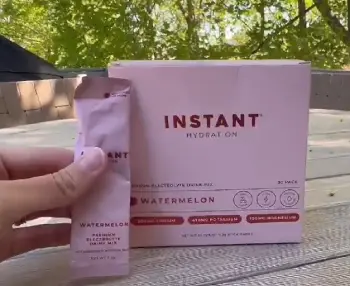
- Precise dosing versus guesswork: Instant Hydration delivers a consistent 1220-plus milligrams of electrolytes in every stick.
When I measure my own salt, potassium chloride, and magnesium, the amounts swing depending on how carefully I scoop, so some days I under-dose and feel flat while other days the mix turns too salty.
- Speed of preparation: I tear open a packet, dump it in water, shake once, and drink.
Building a DIY version means pulling out three or four jars, measuring spoons, and sometimes waiting for powders to dissolve fully.
On busy mornings that extra two minutes feels longer than it should.
- Source quality of minerals: Instant Hydration leans on French grey sea salt and mineralized algae for a broader trace-mineral profile.
My kitchen salt is refined sodium chloride; even when I switch to sea salt, it rarely matches the range of elements listed on the commercial packet.
- Flavor engineering: The brand uses natural flavors plus stevia and monk fruit so the drink stays clean and drinkable.
My homemade attempts often taste like salty water with a hint of citrus, and I end up adding extra lemon juice just to make them bearable.
- Shelf stability and travel readiness: Packets stay sealed and travel well in a gym bag or suitcase. Loose powders clump if humidity creeps in, and carrying multiple containers on a trip becomes cumbersome.
Key Features Of Instant Hydration
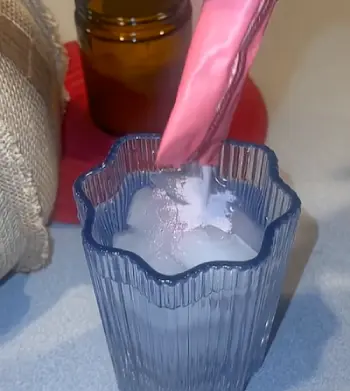
- High total electrolyte load: Each serving packs sodium, potassium, magnesium, and calcium in amounts that actually move the needle for heavy sweaters.
I notice fewer afternoon energy dips after long runs when I use it compared with lighter mixes.
- Sugar-free and sweetened only with plant extracts: No glucose, no cane sugar, no artificial sweeteners that leave an aftertaste.
This keeps the drink light and suitable for fasting windows or low-carb days.
- Clean sourcing: Sel Gris sea salt, Aquamin from algae, and magnesium bisglycinate form the core.
The label stays short, which matters when I want to avoid unnecessary fillers.
- Single-serve stick format: Portability ranks high. I keep a few in my desk drawer and car without worrying about spills or measuring tools.
- Multiple flavor options: Raspberry, lemon-lime, and variety packs give me rotation so the same taste does not get boring after a week.
Pros Of Instant Hydration
- Reliable performance under stress: During a week of back-to-back workouts in humid weather, the packets kept my muscles from cramping and my head clear.
The measured dose removed the uncertainty I feel with homemade versions.
- Zero learning curve: New users open the stick, mix, and go. No research into milligram targets or solubility issues.
- Consistent taste that encourages daily use: Because the flavor stays pleasant, I actually finish the bottle instead of forcing down a salty homemade drink that sits half-finished on the counter.
- Broad mineral spectrum in one packet: The combination of sea salt and algae minerals covers more ground than the three or four ingredients I keep in my pantry.
- Convenient for travel and shared spaces: Airports, offices, and hotel rooms become easier when I only need water and a stick.
Cons Of Instant Hydration
- Higher price per serving: Paying premium rates every month adds up, especially if the whole family starts using the product.
- Limited customization: I cannot lower the sodium on a low-sweat day or boost magnesium without buying a different product.
- Dependence on supply chain: Stockouts or shipping delays leave me without my usual tool until the next order arrives.
- Potential customer-service friction: Some users report slow responses when orders go wrong, which can frustrate anyone relying on the product for daily hydration.
- Environmental footprint of single-use packs: The sticks generate more packaging waste than bulk powders stored in reusable containers.
Key Features Of Just Ingredients Approaches
- Complete ingredient transparency I choose every grain of salt, every pinch of cream of tartar, and every drop of juice.
Nothing hidden appears on a label because I create the formula myself.
- Ultra-low ongoing cost Once I buy bulk sea salt, potassium chloride, and magnesium powder, each glass costs pennies.
Over a month the savings stack up compared with premium packets.
- Adjustable ratios On hot training days I increase sodium; on rest days I dial it back.
The flexibility lets me match the mix to the exact conditions I face.
- No packaging waste beyond the bulk bags I reuse the same shaker bottle and measuring spoons, cutting down on single-use plastic sticks.
- Easy to customize flavor Fresh citrus, a splash of coconut water, or a pinch of stevia turns a basic mix into something I actually look forward to drinking.
Pros Of Just Ingredients Methods
- Maximum control and transparency: I know exactly what enters the glass and can avoid any additive that does not sit well with me.
- Significant long-term savings: After the initial purchase of bulk ingredients, the cost per serving drops dramatically.
- Ability to scale for groups: Making a large batch for a family hike or team practice costs almost nothing extra.
- Opportunity to learn body response: Tracking how different ratios affect energy, sleep, and recovery teaches me more about my own needs than any fixed formula.
- Minimal packaging once established: Bulk jars last months and create far less waste.
Cons Of Just Ingredients Methods
- Inconsistent dosing risk: Measuring by eye or with imperfect spoons means some days I underperform and other days the mix tastes harsh.
- Time and mental load: Sourcing, measuring, and dissolving powders every morning becomes a chore when schedules tighten.
- Taste challenges: Without professional flavor balancing, many homemade versions remain mildly unpleasant, so people drink less than they should.
- Potential mineral gaps: Kitchen staples rarely supply the same range of trace elements found in premium sea salts and algae sources.
- Storage and solubility issues: Powders can clump, settle, or leave grit at the bottom of the bottle if not mixed thoroughly.
Real-World Experience Using Both Approaches
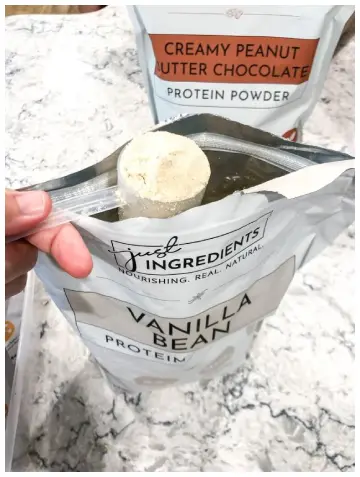
I started with Instant Hydration during a stretch of intense training. The packets delivered noticeable steadiness in energy and fewer muscle twitches after long sessions.
The zero-sugar formula fit cleanly into my eating pattern, and the flavors kept me reaching for the bottle instead of plain water.
The main drawback surfaced at the cash register; continuing the habit full-time would have cost more than I wanted to spend every month.
Switching to a homemade mix forced me to research proper ratios. I settled on sea salt for sodium, cream of tartar for potassium, and a magnesium powder that dissolves reasonably well.
Cost dropped immediately. On paper the savings looked perfect. In practice I noticed two problems.
First, the taste never matched the commercial version, so I sometimes skipped the drink or added extra citrus that altered the mineral balance.
Second, the dosing varied enough that on heavy sweat days I occasionally felt the same mild lag I had experienced before using any electrolytes at all.
The analytical takeaway is straightforward. Instant Hydration wins on consistency, convenience, and broad mineral coverage.
Just ingredients wins on cost, control, and long-term flexibility. The better choice depends on how much value you place on time, taste, and precision versus pure dollars and customization.
When Instant Hydration Makes More Sense?
Busy professionals, frequent travelers, and athletes who train hard multiple times a week gain the most from the ready-to-use packets.
The measured dose removes decision fatigue, and the clean label aligns with people who already track sugar and additives carefully.
If your schedule leaves little room for measuring powders, the premium price buys reliability.
When Just Ingredients Makes More Sense?
People who enjoy experimenting in the kitchen, those on tight budgets, or anyone who wants full authority over every milligram will prefer the DIY route.
Families that need large volumes also benefit because bulk ingredients scale without a steep cost increase.
The approach works best when you commit to accurate measuring tools and a consistent recipe so the results stay predictable.
Practical Tips For Getting The Most From Either Option
If you choose Instant Hydration, keep a small stash of packets in multiple locations so you never run out mid-week. Rotate flavors to avoid sensory fatigue.
Pair the drink with plain water throughout the day rather than relying on it as your only fluid source.
If you build your own mix, invest in a small digital scale that measures to the tenth of a gram. Write the exact recipe on a card and tape it inside the cupboard.
Test the finished drink on a rest day first so you can adjust saltiness before a hard training session. Store powders in airtight containers away from humidity to prevent clumping.
Taste And Daily Habit Formation
Taste drives adherence more than most people admit. Instant Hydration’s balanced sweetness and clean finish make daily use feel effortless.
Homemade versions demand more effort to stay palatable. Adding a measured splash of fresh lemon or a few drops of liquid stevia helps, yet the extra step can become another reason to skip the drink on rushed mornings.
The product that tastes better tends to become the one you actually use, which ultimately delivers better hydration results.
Cost Analysis Over Three Months
A typical Instant Hydration subscription runs higher per serving. Over ninety days the total can reach a noticeable figure for one person and climb further for a household.
A DIY setup starts with the price of bulk sea salt, potassium source, and magnesium powder. After the first purchase the cost per serving drops to a fraction of the commercial packets.
The break-even point arrives quickly if you drink electrolytes most days.
The calculation changes if you value the time saved by pre-measured sticks; for some people that convenience is worth the extra dollars.
Also Read: Comparison Of Clean Simple Eats And Flavcity
Frequently Asked Questions (FAQ)
It depends on priorities. Instant Hydration offers consistency and convenience; homemade mixes offer control and lower cost.
Yes for most people. The formula is sugar-free, uses clean mineral sources, and supplies meaningful electrolyte levels without artificial additives.
No single brand wins for everyone. Look for zero added sugar, transparent sourcing, and electrolyte amounts that match your sweat losses.
Other clean, high-electrolyte, sugar-free packets such as certain LMNT or similar premium mixes share the convenience and mineral focus.
Final Thoughts
I tested both Instant Hydration and simple kitchen-ingredient mixes over many weeks of real training, travel, and ordinary workdays.
The commercial packets delivered reliable results with almost no effort, while the homemade versions taught me more about my own needs and saved money once I dialed in the ratios.
You now have the detailed comparison, the practical trade-offs, and the lived experience to decide which route fits your schedule, budget, and taste preferences.
Pick the option that removes friction from your day, stick with it long enough to notice the difference, and adjust if your lifestyle changes.
Consistent hydration matters more than perfect optimization, so choose the method you will actually use every day.
Recent Posts
I tried Meltoway Hair Dissolving Cream because I wanted a quick way to deal with unwanted body hair without reaching for a razor every few days. If you are looking for a convenient at-home...
If you’re considering a saffron-based supplement to support mood, appetite control, and everyday wellness, Happy Saffron Plus is worth considering.I like that it takes a familiar botanical...