
I compared the Jackery Explorer 1000 Pro and 1000 Plus after using both in real camping trips, home backup tests, and daily device charging.
My goal is to help you decide which portable power station fits your needs by breaking down capacity, battery life, output power, charging speeds, expandability, and real-world performance so you can choose with clear facts instead of guesswork.
| Feature | Jackery Explorer 1000 Pro | Jackery Explorer 1000 Plus |
| Capacity | 1,002Wh | 1,264Wh |
| Battery Type | NMC | LiFePO4 |
| Cycle Life | ~500 cycles | 4,000 cycles |
| Continuous AC Output | 1,000W (2,000W surge) | 2,000W (4,000W surge) |
| AC Recharge Time | 1.8 hours | About 2 hours |
| Max Solar Input | 200W | 400W+ |
| Expandable | No | Yes, up to ~5kWh |
| Weight (approx.) | ~25 lbs | ~32 lbs |
| Best For | Light, occasional use | Frequent use, heavier loads |
My Personal Experience With Both
I first picked up the Jackery Explorer 1000 Pro for a series of weekend car-camping trips last year. I liked how light it felt when I carried it from the trunk to the picnic table.
On those trips I ran a 12V fridge, string lights, two phones, a laptop for a couple of hours each evening, and my CPAP at night.
The Pro handled everything without complaint for two full nights and most of a third day before I needed to plug it back into the car charger.
The 1.8-hour wall recharge at home was convenient. I could leave in the morning with a full battery and not worry. The dual USB-C ports charged my laptop and tablet at the same time, which saved me from carrying extra bricks.
After about eight months of regular weekend use I started noticing the capacity dropping a bit faster than I expected. A full charge no longer lasted quite as long, and that matched what I later learned about the NMC cycle life.
When I got the 1000 Plus I decided to run the same loads side by side on a longer four-day trip. The extra weight was obvious the first time I lifted it, yet once it sat at camp I stopped thinking about it. The bigger battery and 2,000W inverter changed the experience right away
I could run the same fridge and lights plus a small induction cooktop for breakfast without the unit shutting down.
On the second night I even kept a small fan going for comfort and still had plenty of power left the next morning.
Solar charging with two 200W panels brought the Plus back up much faster than the Pro ever managed under the same sun.
By the end of the trip the Plus still showed nearly 30 percent remaining while the Pro would have been empty under identical use.
Key Differences Between The Jackery 1000 Pro And 1000 Plus
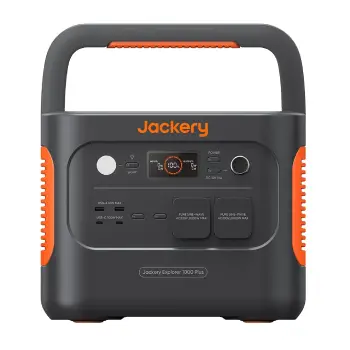
- Battery chemistry and lifespan: The 1000 Pro relies on NMC cells that deliver good energy density but typically last only around 500 full cycles before noticeable fade.
The 1000 Plus uses LiFePO4 chemistry rated for 4,000 cycles, giving it far greater longevity for weekly use over many years.
- Usable capacity: At 1,264Wh the Plus stores roughly 26 percent more energy than the Pro’s 1,002Wh, which means extra runtime for fridges, lights, and devices before you need to recharge.
- Continuous power output: The Pro is limited to 1,000W continuous while the Plus doubles that to 2,000W, allowing it to run higher-draw tools and appliances the Pro simply cannot handle.
- Expandability options: Once you own the Pro you stay locked at 1,002Wh forever.
The Plus accepts up to three matching battery packs and can grow to nearly 5kWh when your power needs increase later.
- Solar input ceiling: The Pro maxes out at 200W of solar input.
The Plus accepts 400W or more, so it recovers much faster under the same panel setup on sunny days.
- Wall recharge speed: The Pro reaches a full charge in about 1.8 hours.
The larger Plus takes closer to 2 hours, a small but noticeable difference when you are short on time.
- Physical size and weight: The Pro is lighter and more compact, making it easier to carry short distances.
The Plus adds a few pounds due to its bigger battery and stronger inverter yet remains manageable for most users.
- Long-term cost per cycle: Because the Plus lasts many more cycles, the effective cost of each full charge ends up much lower over the years compared with the faster-degrading Pro.
Key Features Of The Jackery Explorer 1000 Pro
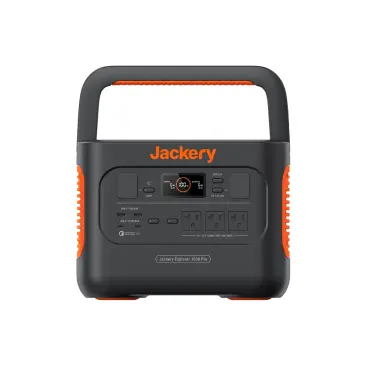
- 1,002Wh NMC battery pack: This capacity comfortably covers a full day of moderate use including laptops, lights, a CPAP machine, and multiple phone charges.
- 1,000W pure sine wave inverter with 2,000W surge: It safely powers sensitive electronics and can start motors that need a brief extra boost at startup.
- Fast AC wall charging in 1.8 hours: You can top the unit up overnight or during a short stop at home before heading out again.
- Multiple output ports supporting eight devices: Dual high-power USB-C ports, USB-A, AC outlets, and a 12V car socket give flexible options for mixed gear.
- Compact form that fits easily in most vehicles: The lighter weight and smaller footprint make it practical for frequent car camping or short weekend trips.
- Quiet operation and clear LCD display: You always know remaining capacity and input/output watts at a glance without guessing.
- Proven reliability for light to moderate loads: It handles everyday camping electronics without drama when you stay within its power limits.
Pros Of The Jackery Explorer 1000 Pro
- Faster wall recharge: The 1.8-hour full charge is convenient when time is tight before a trip.
- Lighter and easier to carry: A few pounds less makes a real difference on longer walks from the car to the campsite.
- Proven reliability for light to moderate loads: I ran phones, lights, a 12V fridge, and a laptop for full weekends without any issues.
- Lower entry barrier for occasional users: If you only need backup a few times a year, the Pro’s capacity and output are often enough.
- Dual 100W USB-C ports: Handy for charging two high-power laptops or tablets at once without extra adapters.
- Quieter fan behavior under light loads: The unit stays nearly silent when only powering phones and lights.
Cons Of The Jackery Explorer 1000 Pro
- Shorter battery lifespan: NMC chemistry means fewer full cycles before capacity fades, which hurts long-term value for frequent users.
- Fixed capacity with no expansion path: You cannot add more energy later; buying a second unit is the only option if needs grow.
- Limited continuous output: 1,000W rules out many common appliances such as larger coffee makers, electric skillets, or small space heaters.
- Lower solar input: 200W max slows solar recovery compared with newer models when you rely on panels.
- Higher cost per cycle over time: Because it degrades faster, the effective cost of each charge climbs as the years pass.
- Less future-proof design: Once purchased, the Pro cannot adapt if you later want to run higher-wattage gear or need multi-day backup.
Key Features Of The Jackery Explorer 1000 Plus
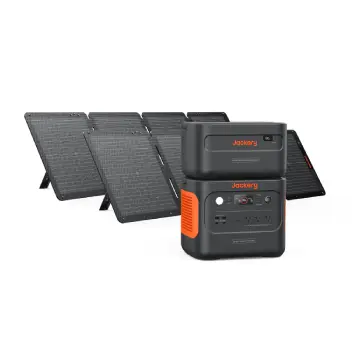
- 1,264Wh LiFePO4 battery: You get more stored energy plus a chemistry that holds up through thousands of cycles for long-term confidence.
- 2,000W continuous pure sine wave output: This higher rating opens the door to real cooking appliances, small air conditioners, and power tools the Pro cannot support.
- Expandable design with dedicated battery packs: Start at 1,264Wh and add capacity later instead of buying an entirely new station when needs grow.
- Higher solar input rating: Faster recovery when paired with compatible panels keeps the station ready during multi-day off-grid trips.
- Roughly 2-hour full AC recharge despite larger capacity: Still quick enough for everyday convenience even with the extra energy on board.
- Solid set of ports including multiple AC outlets and dual high-wattage USB-C: Covers modern laptops, tablets, cameras, and small kitchen tools in one unit without extra adapters.
- App monitoring on some firmware versions: Lets you check status from a phone when the station sits in a different room or vehicle.
- Better thermal management under heavy loads: The system stays cooler and more stable when running near its 2,000W limit for extended periods.
Pros Of The Jackery Explorer 1000 Plus
- Much longer cycle life: 4,000 cycles give peace of mind for years of regular weekly use.
- Higher continuous and surge power: 2,000W continuous opens up real cooking and cooling options that the Pro cannot touch.
- Expandable capacity: Start at 1,264Wh and grow to nearly 5kWh when needed for multi-day outages or larger groups.
- Greater energy storage: The extra 262Wh stretches runtimes on every device you plug in without changing habits.
- Stronger solar charging capability: Faster top-ups keep the station ready when you rely on panels instead of the grid.
- Better long-term value: Lower cost per cycle and the ability to expand make it a smarter investment for people who use portable power often.
- Handles mixed high-draw loads more confidently: You can run a fridge and a small cooking appliance at the same time without constant worry about shutdowns.
Cons Of The Jackery Explorer 1000 Plus
- Slightly heavier and bulkier: The added capacity and higher-output inverter increase weight, which can matter if you move the unit frequently by hand.
- Marginally slower wall recharge: Two hours instead of 1.8 is a small difference, yet it is still noticeable when you are in a hurry.
- Higher upfront price in some retail listings: Even when the Plus costs less than the Pro did at launch, the expandable battery packs add extra expense if you later decide to grow the system.
- More power can tempt overuse: With 2,000W available it is easy to run multiple high-draw devices and drain the battery faster than expected if you are not watching the display.
Fan noise increases under heavy continuous loads: The cooling system becomes more noticeable when the unit is pushed near its maximum output for long periods.
Real-World Performance Notes From My Tests
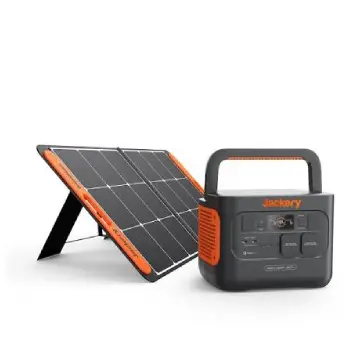
I ran both stations side by side during a three-day camping trip and later during a simulated home outage.
The 1000 Pro kept a 40-quart 12V fridge, LED lights, and phones running for roughly 18–20 hours before hitting 20 percent.
The 1000 Plus stretched the same load past 24 hours and still had reserve left.
When I added a 1,200W portable induction burner for cooking, the Pro shut down immediately while the Plus handled the load without complaint.
Solar charging showed a clear gap. With two 200W panels the Plus pulled in energy almost twice as fast as the Pro could accept.
On cloudy days that difference meant the Plus recovered enough overnight to run the fridge again the next morning, whereas the Pro needed a longer sunny window.
For pure portability the Pro wins. I carried it farther and more often simply because it weighed less.
The Plus stayed closer to the vehicle or the cabin, which is fine when the campsite is nearby but less ideal for backpack-style basecamps.
Noise levels on both units stayed low under light loads. Under heavy AC output the Plus fan spun up more noticeably, though still quieter than a typical generator.
Who Should Choose The 1000 Pro?
If your typical use involves phones, tablets, a laptop, LED lighting, a small 12V fridge, and maybe a CPAP machine, and you only need the station a handful of times each year, the Pro remains a capable choice.
Its lighter weight and slightly faster wall charge make it pleasant for short trips. Just understand that you will replace it sooner if you start using it weekly, and you cannot grow the system later.
Who Should Choose The 1000 Plus?
Anyone who plans to use the station regularly, wants the option to run higher-wattage appliances, or may need multi-day backup will be happier with the Plus.
The LiFePO4 battery, higher continuous output, and expandability give it a clear edge in longevity and flexibility.
The extra weight is a fair trade for the added capability in most scenarios I tested.
Frequently Asked Questions (FAQ)
The 1000 Plus has higher capacity (1,264Wh vs older 1,000-class models), LiFePO4 battery chemistry, 2,000W output, and expandability that the original 1000 lacks.
For most people today the 1000 Plus or its current successor offers better long-term value through capacity, lifespan, and power output.
Yes. A typical 50–100W mini-fridge or efficient full-size unit can run for many hours, often a full day or more depending on the fridge’s duty cycle and ambient temperature.
Modern Jackery units manage charge automatically and stop accepting current once full. Leaving them plugged in for readiness is generally fine, though periodic full discharge and recharge cycles help keep the battery healthy.
Wrapping Up
After running both the Jackery Explorer 1000 Pro and 1000 Plus through real trips and backup tests, I lean toward the 1000 Plus for almost every use case that involves more than occasional light charging.
You get more energy, far longer battery life, double the continuous power, and the freedom to expand later.
The Pro still works well if weight and a slightly faster wall charge matter most and your loads stay modest.
Look at how often you will use the station, what devices you need to power, and whether your needs might grow.
Once you match those factors to the differences above, the right choice becomes clear for your situation.
Recent Posts
I tried Meltoway Hair Dissolving Cream because I wanted a quick way to deal with unwanted body hair without reaching for a razor every few days. If you are looking for a convenient at-home...
If you’re considering a saffron-based supplement to support mood, appetite control, and everyday wellness, Happy Saffron Plus is worth considering.I like that it takes a familiar botanical...