
I have spent countless hours turning plain fabric into personalized gifts, home decor, and fun projects with embroidery machines.
When it comes to choosing between Janome and Brother, I have tested and compared them side by side in my own sewing room.
In this article, I share my real experiences to help you decide which one fits your needs best.
Whether you are just starting out or looking to upgrade your setup, I break down the key differences, features, pros, cons, and everything in between so you can make a confident choice.
| Feature | Janome (e.g., MC500E/550E) | Brother (e.g., PE800/SE600) |
| Embroidery Field Size | Up to 7.9″ x 11″ or larger in some models | Often 4″ x 4″ to 5″ x 7″, expandable |
| Built-in Designs | 160+ with strong editing tools | 100-300+, easy import options |
| Stitch Quality | Exceptional precision and smoothness | Reliable and consistent for most projects |
| Ease of Use | Intuitive touchscreen, great for detailed work | Beginner-friendly with simple interfaces |
| Speed | Up to 860 SPM | Around 650-710 SPM |
| Price Range | Generally higher | More affordable entry points |
| Durability & Support | Solid build, precise mechanics | Good service network, reliable for daily use |
| Best For | Serious hobbyists wanting pro results | Beginners and budget-conscious users |
Why I Compared Janome And Brother Embroidery Machines?
Over the years, I have gone through several machines, and these two brands keep coming up in conversations with fellow stitchers.
I picked Janome and Brother because they both deliver solid performance but approach embroidery from slightly different angles.
My goal here is simple: give you the straight talk so you avoid buyer’s regret and find the machine that matches how you actually create.
I focus on what matters in real life — how the machine handles everyday projects, not just specs on paper. From monogramming towels to adding designs on jackets, I have put both through their paces.
Key Differences Between The Janome And Brother Embroidery Machine
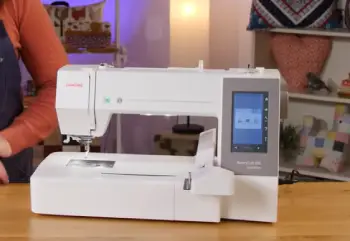
Here is what stands out when I switch between them:
- Build and Feel: Janome machines feel more premium and solid, with excellent engineering that shows in smooth operation during long sessions.
Brother models are lighter and more approachable, perfect when you want something that does not overwhelm your workspace.
- Hoop and Workspace: Janome often gives you larger embroidery fields right out of the box, which means fewer re-hoopings for bigger pieces.
Brother starts smaller in many entry models but offers good expansion options.
- User Interface: Both have touchscreens, but Janome’s editing capabilities let you manipulate designs with more precision on the screen.
Brother keeps things straightforward, which I appreciate when I am in a hurry.
- Speed and Efficiency: Janome edges out with higher maximum speeds, great for production-style work.
Brother keeps a steady pace that suits casual projects without frustration.
- Integration with Other Tools: Brother shines with easy USB imports and app connectivity in newer models.
Janome excels at standalone reliability without needing extra gadgets.
These differences shape how each machine fits into your routine, and I will expand on them throughout.
Key Features Of Janome Embroidery Machines
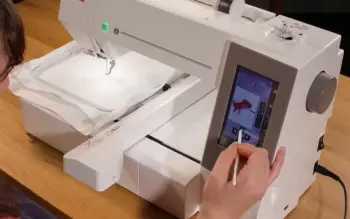
- Large Embroidery Areas: These handle substantial projects without constant adjustments.
Models often offer up to 7.9” x 11” or bigger fields, letting me complete full jacket backs or wall hangings in fewer hoopings.
This feature saves time and keeps designs perfectly aligned from start to finish.
- Advanced On-Screen Editing: Features like rotate, flip, resize, and combine designs work seamlessly right on the machine.
I can tweak lettering spacing or merge patterns without a computer, which proved invaluable during last-minute gift preparations when I needed quick customizations.
- High Stitch Quality with Precise Tension: The machine delivers smooth, even stitches across different fabrics.
With good setup, dense fills and fine details come out clean every time, giving my embroidered items that polished, professional appearance I am proud to show off.
- Automatic Thread Cutter and Needle Threader: These time-saving tools keep my workflow moving during long runs.
No more manual cutting between color changes or struggling with threading — they reduce fatigue and let me focus on the creative side.
- USB Connectivity for Custom Designs: Importing patterns is straightforward and reliable.
I transfer my own creations or downloaded files easily, expanding possibilities far beyond the built-in library for truly unique projects.
- Durable Construction: The solid build holds up well over years of regular use.
I have run mine weekly without major issues, knowing the mechanics stay consistent and dependable session after session.
- Excellent Monogramming Fonts: Built-in fonts and designs are ready to customize quickly.
They offer nice variety and quality, making personalized gifts like towels or shirts look elegant with minimal effort.
I remember finishing a large quilted wall hanging on a Janome model — the consistency across the entire piece was impressive and made me proud to hang it up.
Pros Of Janome Embroidery Machines
- Superior Stitch Precision: Designs come out crisp and professional-looking with fewer adjustments needed.
The tension control and mechanical accuracy mean that even dense, intricate patterns look smooth and even.
I have embroidered detailed floral motifs on delicate silk where every thread sat perfectly in place, giving results that rival commercial work.
This precision reduces the frustration of fixing skipped stitches or uneven lines, letting me focus more on creativity instead of troubleshooting.
- Larger Workspace Options: You tackle bigger projects comfortably, which reduces time spent re-hooping.
With fields reaching 7.9” x 11” or more on many models, I can complete large jacket backs or table runners in one go.
This saves time and improves alignment, especially important when centering lettering or repeating patterns across wide areas.
It has transformed how I approach home decor pieces that used to feel tedious on smaller machines.
- Robust Editing Tools: On-machine customization feels powerful and intuitive.
I can resize, rotate, combine multiple designs, and adjust density directly on the screen without always needing a computer.
This flexibility came in handy when I needed to tweak a monogram last minute for a gift — quick changes without restarting the whole process saved me hours and kept the creative flow going.
- Long-Term Reliability: With proper care, these machines last and maintain performance.
The solid build quality means fewer breakdowns even after years of weekly use.
I still rely on an older Janome model for basic jobs because it performs as well today as when I first got it, giving me confidence for ongoing projects.
- Quiet Operation: They run smoothly without excessive noise during extended sessions. This makes a huge difference during late-night projects or when working in shared spaces.
I can stitch for hours without disturbing family or feeling drained by constant machine hum, making the whole experience more relaxing.
Cons Of Janome Embroidery Machines
- Higher Upfront Cost: The premium pricing can feel steep if you are testing the waters or working within a tight budget.
I hesitated before my first Janome purchase, wondering if the extra dollars would truly pay off in daily use.
For casual users or those just exploring embroidery, this might delay entry into better quality machines.
- Fewer Built-in Designs on Some Models: You may need to spend time sourcing and transferring extra patterns.
While the editing tools are strong, this extra step slowed me down initially until I built up my design library through USB imports and online sources.
- Occasional Tension Issues: If you do not maintain proper threading and cleaning routines, you might see puckering or loose stitches.
I learned the hard way during a rushed project and now make cleaning a weekly habit to avoid repeats, but it does require consistent attention.
- Heavier Machines: Moving it between rooms or taking it to classes requires more effort compared to lighter Brother models.
This matters if your workspace setup changes often or if you travel with your machine.
- Learning Curve for Advanced Features: The powerful editing tools are great once mastered but can overwhelm beginners who just want to load a design and go.
I spent extra time watching tutorials before feeling fully comfortable with all the options.
- Limited Wireless Options in Older Models: You often rely on USB drives for transfers, which feels dated compared to some modern alternatives.
It is not a dealbreaker for me but adds minor friction when I want to quickly pull a design from my phone or tablet.
I have dealt with bobbin tension quirks a few times, usually solved by rethreading carefully and using the right supplies. Overall, these cons are manageable with experience and good habits.
Key Features Of Brother Embroidery Machines
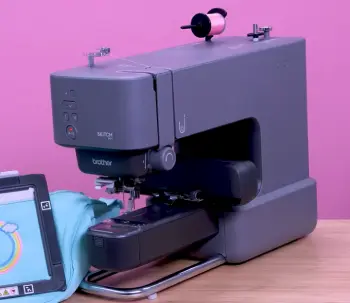
Brother machines bring accessibility and fun to the table. These stand out in my experience and work well for everyday creativity:
- User-Friendly Setup: Getting started is quick and straightforward, even for beginners.
Clear instructions and simple threading get you stitching in minutes, helping new users like I once was build confidence fast.
- Good Selection of Built-in Designs: There are plenty of ready-to-use patterns plus easy ways to add more.
This variety keeps projects fresh, and I often find something suitable right away for small gifts or home accents.
- Color Touchscreens for Previewing: You can see and edit designs clearly on the screen before stitching.
It helps catch issues early and makes planning multi-color jobs much more intuitive and enjoyable.
- Reliable Automatic Features: Needle threading and thread cutting work consistently. These little conveniences add up, especially during sessions with many color changes, keeping frustration low.
- Versatile Combo Models: Many switch easily between sewing and embroidery.
This flexibility means one machine handles multiple tasks in my sewing room, from basic seams to detailed embroidery.
- Strong Community Support: Accessories and help are widely available. I have found tips, parts, and designs without much searching, which makes ownership smoother over time.
- Affordable Pricing: You start without a huge investment while still getting solid capabilities.
This lets you allocate budget toward threads, stabilizers, and other supplies that enhance your projects.
One of my favorite Brother sessions involved quick monograms on baby onesies — the machine handled multiple small items efficiently and looked professional.
Pros Of Brother Embroidery Machines
- Excellent Price-to-Performance Ratio: You get capable embroidery without spending a fortune, which allowed me to jump in confidently years ago.
The savings mean you can invest more in threads, stabilizers, and fabrics instead of putting everything into the machine itself.
- Easy Learning Curve: Setup takes minutes, and the interface guides you gently. New stitchers I know gained confidence fast, completing their first hoop in under an hour.
This accessibility encourages more frequent use and experimentation.
- Wide Availability of Accessories and Support: Parts and service are easy to find locally or online.
This peace of mind matters when something small needs fixing — I have replaced needles and bobbins without hassle, keeping downtime minimal.
- Solid Performance for Most Home Needs: It handles everyday items like towels, shirts, and bags reliably.
I use it for quick custom gifts where speed and consistency trump absolute perfection, delivering great everyday results.
- Fun, Reliable Results on Various Fabrics: From cotton to fleece, it adapts well with the right settings.
The automatic features reduce errors, making multi-color designs less intimidating and more enjoyable.
- Good Integration with Software and USB: Newer models connect smoothly, letting me pull in custom files effortlessly.
This versatility expands creative options without extra cost and fits nicely into modern workflows.
The affordability lets you experiment more freely, which I appreciate when trying new techniques. Brother has been my reliable sidekick for many spontaneous projects.
Cons Of Brother Embroidery Machines
From hands-on time, these are areas where Brother could improve. Knowing them helps set realistic expectations for your projects.
- Smaller Standard Hoop Sizes: You often re-hoop for larger items, which adds time and risk of misalignment.
I felt this limitation when scaling up from small monograms to bigger wall art pieces.
- Lower Top Speeds: For high-volume work, the difference accumulates compared to premium options.
Long sessions can feel slower when you are eager to finish multiple items.
- Thread Handling Sensitivities: Certain specialty threads may need more babysitting to prevent breaks or tangles.
I adjusted my thread choices and it improved, but it is something to watch with certain materials.
- Durability Varies Across Lineup: Entry models may show wear faster under heavy daily use compared to Janome’s consistency.
My experience has been positive, but I have heard mixed feedback from others pushing limits.
- Less Precise On-Machine Editing: Adjustments are basic on some budget models compared to Janome, sometimes requiring computer work for complex changes.
- More Stabilizer Needed for Dense Designs: Pushing intricate fills can lead to fabric pull or thread issues if not supported properly. Extra preparation becomes part of the routine on tougher projects.
In my testing, I noticed occasional thread breaks on complex designs if I pushed the speed too high. These points are not dealbreakers but worth considering for your project types.
How I Choose Between Them For Different Projects?
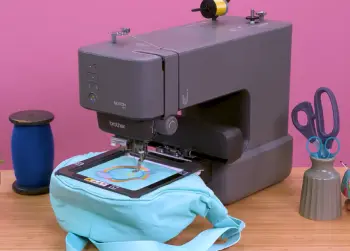
When I work on gifts for family, I often reach for Brother because it is quick to set up and delivers charming results without fuss.
For client pieces or larger home decor, Janome’s precision and larger field give me confidence that the final product will impress.
Consider your space, budget, and how much time you spend embroidering.
If you are just dipping your toes in, Brother lowers the barrier. If you are committed and want to grow your skills, Janome rewards that investment.
I also factor in maintenance. Both need regular cleaning, but Janome’s precision parts benefit from Consistent Care Routines.
Real User Experiences That Shaped My Views
Plenty of stitchers I know started with Brother and later upgraded to Janome for more advanced work. Others stick with Brother for its simplicity and never look back.
My own journey mirrors this — I began with a basic Brother combo machine and appreciated how it built my confidence. Switching to Janome opened up more creative possibilities with better control.
One project that highlighted the difference was embroidering names on a set of holiday stockings. The Brother handled the small text beautifully and quickly.
When I moved to a bigger family banner, Janome’s larger hoop and editing tools made alignment across sections much easier.
Tips For Getting The Most Out Of Either Machine
No matter which you pick, success comes down to good habits. Use quality stabilizer, match needles to fabric and thread weight, and keep everything clean.
Practice threading and tension adjustments until they become second nature. Join online communities where users share design files and troubleshooting tips — that support network has saved me hours.
Start with simpler designs to learn your machine’s personality, then gradually tackle more complex ones. Both brands respond well to proper setup, so invest time upfront.
Also Read: Is Poolin Vs. Brother Embroidery Worth It?
Frequently Asked Questions (FAQ)
It depends on your needs. Brother is often better for beginners and budgets, while Janome excels for precision and larger projects.
Neither is universally best — Janome for high-end quality, Brother for value and ease. Choose based on your priorities.
Tension issues, thread bunching, and bobbin problems usually stem from improper threading or maintenance. Regular cleaning helps.
Yes, they are well-regarded for stitch quality and reliability when properly maintained.
Wrapping Up
The end, I truly believe you will love whichever machine you choose if it matches your budget, space, and creative goals.
I have enjoyed amazing results with both and continue using them regularly.
Pick the one that excites you to start stitching more — you’ve got this, and your projects are going to look fantastic.
Recent Posts
● Interactive 5-Zone Interior & Exterior Paint Blueprint Paint Coverage Calculator: Gallons, Primer, Square Footage & Cost Tap any architectural surface zone on the blueprint...
If you want smooth, shiny hair without spending a fortune on a premium styling tool, the Ella Bella hair dryer may be worth considering.In these Ella Bella hair dryer reviews, I’ll look...