
I sat down to figure out which paint remover would actually get the job done on my latest restoration project, and the choice between Jasco and Klean Strip kept coming up.
My goal here is to lay out a clear, side-by-side look at these two popular options so you can decide which one fits your needs without wasting time or money on the wrong product.
| Feature | Jasco Premium Paint & Epoxy Remover | Klean Strip Premium Stripper |
| Formula Type | Semi-paste | Thick brushable paste |
| Claimed Speed | Multiple layers in 15 minutes | Multiple layers in 15 minutes |
| Surfaces | Wood, metal, concrete, masonry | Wood, metal, masonry |
| Clings to Vertical | Yes | Yes |
| Wood Grain Raising | Minimal | Will not raise wood grain |
| Cleanup | Water | Solvent or specialized after-wash often recommended |
| Odor Level | Strong chemical | Strong chemical |
| Indoor Use | Limited, strong fumes | Not recommended for indoor or large areas |
| Availability | Hardware stores, quarts and gallons | Hardware stores, quarts and gallons |
| Current Formula | Non-methylene chloride versions common | Non-methylene chloride versions common |
My Experience Testing Both Products Side By Side
I have used both Jasco and Klean Strip on furniture, metal fixtures, and old trim over the past few years. The results were close enough that small differences in application and surface type became the deciding factors for me.
Both products are marketed as premium strippers that attack multiple layers of latex, oil-based paint, epoxy, and polyurethane.
In practice they do strip fast when conditions are right, but neither is a magic wand that works the same on every surface every time.
Temperature, thickness of application, and how many layers sit on the piece all matter.
I learned that the hard way when I applied a thin coat on a cool day and waited the full fifteen minutes only to scrape off almost nothing.
Thick application and covering the surface to keep the product wet made a noticeable difference for both brands. On one old dresser with six layers of paint, both products needed a second round, yet the way each clung and cleaned up shaped how long I spent on the job.
I also noticed that ventilation and personal protection changed the experience as much as the formula itself. Working in an open garage with a respirator felt manageable.
Closing the doors even briefly made the fumes from either product hard to ignore. These real conditions shaped every observation that follows.
Key Differences Between The Jasco And Klean Strip
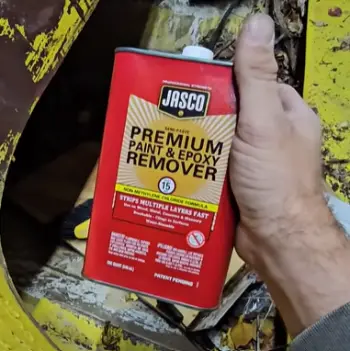
- Application consistency: Jasco feels a bit smoother when I brush it on and spreads with less effort across flat panels, while Klean Strip stays thicker and holds better on vertical surfaces without as much running or sagging during the wait time.
- Surface impact on wood: Klean Strip advertises that it will not raise the grain, and in my tests on old pine and oak it stayed true to that claim more often than Jasco, which sometimes left a slightly raised surface that needed extra light sanding afterward.
- Cleanup process: Jasco rinses more easily with water once the paint is scraped away, whereas Klean Strip often leaves a sticky residue that responds better to mineral spirits or the brand’s own after-wash product for a truly clean surface.
- Fume intensity in enclosed spaces: Both smell strong, but Klean Strip felt heavier in a garage with limited airflow, so I always open doors fully and wear a respirator with either product to keep the air breathable.
- Availability of formula updates: Both brands shifted away from methylene chloride in many markets, and the current versions still work well, yet some older users notice they take longer than the previous formulas did on the toughest coatings.
- Dwell time flexibility: Jasco tends to stay active a bit longer when covered with plastic, giving me a wider window before it starts to dry, while Klean Strip rewards a more precise fifteen-to-thirty-minute check because it can skin over faster on warm days.
- Residue behavior on metal: Klean Strip leaves a film that needs thorough solvent wiping on steel and aluminum to prevent later finish problems, whereas Jasco’s water rinse often leaves metal ready for primer with fewer extra steps.
Key Features Of Jasco Premium paint And Epoxy Remover
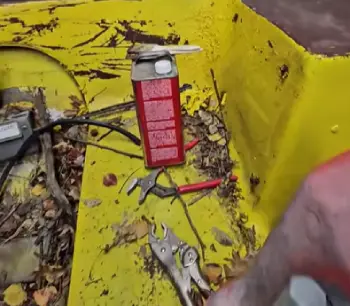
- Semi-paste texture that clings: The product stays where I put it on upright surfaces, which cuts down on drips and wasted material even when the piece has a slight angle or curve.
- Claims of fifteen-minute multi-layer removal: On latex paint this often holds true in practice, while oil-based and epoxy layers usually need closer to thirty or forty-five minutes for full softening before scraping.
- Works on wood, metal, concrete, and masonry: I have used it successfully on all four surfaces without etching metal or damaging masonry when I rinse the residue promptly after scraping.
- Water cleanup option: After scraping, a simple water rinse removes most residue, which feels simpler and less messy than solvent-based methods on jobs near a hose or sink.
- Available in quart and gallon sizes: The quart works well for small furniture projects, while the gallon covers larger jobs such as multiple doors or a full set of trim without constant trips back to the store.
- Smooth brushability across large flats: The consistency lets me cover tabletops and cabinet sides evenly in one pass, reducing the chance of missed spots that require a second coat later.
- Compatible with common scrapers: Both plastic and metal scrapers work without clogging quickly, so I can switch tools mid-job depending on how delicate the underlying surface feels.
The semi-paste nature makes Jasco forgiving for first-time users who might apply unevenly. The product still demands full protective gear and good ventilation every time I open the can.
Pros Of Jasco Premium paint And Epoxy Remover
- Faster water-based cleanup on most jobs: After scraping I can often finish with a hose or damp cloth instead of extra solvents, which speeds up the final steps and reduces chemical exposure at the end of the day.
- Smooth application that spreads evenly: The semi-paste consistency helps me cover large flat surfaces without constant re-dipping of the brush, so the coat stays consistent from edge to edge.
- Reliable on mixed paint types: Latex over oil-based layers come off in fewer applications than with milder citrus strippers I have used, making it practical for unknown old finishes.
- Less grain raising on many woods: Not as consistent as Klean Strip, yet still better than some older solvent strippers that left the surface fuzzy and required heavy sanding.
- Readily available at major hardware retailers: I rarely have trouble finding the current non-methylene chloride version in both quart and gallon sizes when a project starts suddenly.
- Forgiving dwell window under plastic: Keeping the surface covered gives me a bit more time before the product dries, which helps when I am working alone and need to move between pieces.
- Easier tool cleaning afterward: Brushes and scrapers rinse cleaner with water and mild soap, so I spend less time scrubbing equipment once the stripping is finished.
These advantages make Jasco a practical choice when cleanup time and water access matter most on a project. The overall process feels lighter from start to finish on many everyday furniture pieces.
Cons Of Jasco Premium paint And Epoxy Remover
- Can require multiple applications on thick epoxy: The fifteen-minute claim falls short when the coating is old and hard, so I often need two or three rounds with scraping in between to reach bare wood or metal.
- Strong odor that lingers: Even outdoors the smell stays on tools, gloves, and clothing for hours, which means I plan laundry and tool storage carefully after each session.
- Slightly thinner hold on steep vertical surfaces: Compared with Klean Strip it can creep downward if applied too thickly on hot days, forcing me to watch the surface more closely during the dwell time.
- Mixed user reports on current formula strength: Some people who used the older methylene chloride version say the new one works more slowly on the toughest industrial coatings.
- Not ideal for very large indoor projects: Fumes build quickly even with windows open, so I limit its use to smaller pieces or move the work outside whenever possible.
- Occasional sticky spots after water rinse: On certain oil-based paints a light solvent wipe is still needed to remove the last film before sanding or priming.
- Performance drops in cool weather: Below about 65 degrees the chemical action slows noticeably, extending the time I have to wait before scraping becomes effective.
These drawbacks show up most when the project involves heavy industrial coatings or limited outdoor workspace. Planning around them keeps frustration low.
Key Features Of Klean Strip Premium Stripper
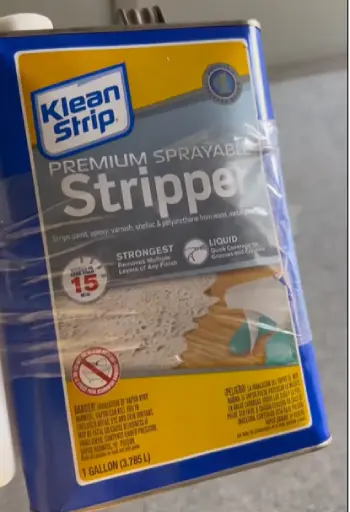
- Thick brushable formula: It stays put better than many thinner gels I have tried, especially on vertical woodwork and metal railings where thinner products tend to slide downward before they finish working.
- Fifteen-minute multi-layer claim: Matches Jasco on most latex jobs, although stubborn polyurethane sometimes needs a second coat and longer dwell time under plastic to fully lift.
- Explicit note that it will not raise wood grain: This feature matters when I want to preserve the original surface texture as much as possible and cut down on sanding before the new finish goes on.
- Designed for wood, metal, and masonry: I avoid using it on large floor areas because the manufacturer warns against that due to increased fire and health risks with bigger volumes of product.
- Strong cling for detailed work: Carvings, grooves, and turned legs hold the product longer, giving the chemicals more time to penetrate into tight spots that a thinner formula might miss.
- Aggressive action on heavy buildup: Multiple old layers often soften in one thick application, which shortens total project time when the piece has decades of paint history.
- Consistent performance across mixed materials: I can move from wood trim to metal hardware without changing products mid-job, which keeps the workflow simpler on complex restorations.
Klean Strip feels more aggressive on heavy buildup. That power comes with a stronger chemical presence that requires careful handling and strict attention to ventilation.
Pros Of Klean Strip
- Excellent cling on vertical and detailed pieces: The thick formula stays in place so I can walk away for the recommended dwell time without constant monitoring or reapplication on chair legs and door frames.
- Strong performance on multiple layers: It often lifts more paint in one application than milder products, saving total project time when the piece carries many years of buildup.
- Grain-friendly on wood: The surface stays smoother after stripping, which reduces sanding time before refinishing and helps preserve the original character of the wood.
- Consistent results across wood, metal, and masonry: I trust it on mixed-material projects without switching products mid-job, which keeps the workflow steady and predictable.
- Widely stocked and familiar to most hardware staff: Questions about application usually get quick answers at the store, and both quart and gallon sizes are easy to find.
- Good penetration into carvings and grooves: The product stays active longer in recessed areas, so detailed furniture and architectural trim come clean with fewer touch-up coats.
- Reliable softening of polyurethane and epoxy: These tougher coatings respond well when the product is applied thickly and kept wet under plastic for the full recommended time.
The power and cling make Klean Strip my go-to when the piece has complex shapes or heavy paint buildup. The time saved on scraping often outweighs the extra cleanup steps.
Cons Of Klean Strip
- Heavier chemical odor: The fumes feel more intense than Jasco in the same space, so I limit indoor use even more strictly and keep a strong fan running whenever the can is open.
- Residue that needs solvent cleanup: Water alone often leaves a sticky film that interferes with new finish adhesion if not fully removed with mineral spirits or the brand’s after-wash.
- Manufacturer warnings against large surface or floor use: Fire and health risks rise with bigger jobs, so I stick to smaller pieces or outdoor work and never treat an entire floor with it.
- Can feel harsher on skin even with gloves: A small splash that finds a glove seam stings more than with some other strippers, reminding me to double-check protection before every session.
- Performance drops if the product dries: Keeping it wet with plastic wrap helps, yet on hot windy days that step becomes extra work and the chemical action slows once a skin forms.
- Stronger lingering smell on tools: Brushes and scrapers hold the odor longer, so I store them outside or in sealed containers until they can be thoroughly cleaned.
- Less forgiving on cool or breezy days: Air movement and lower temperatures can dry the surface faster, requiring more frequent checks and possible reapplication to keep the product active.
These limitations push me toward outdoor or well-ventilated garage work whenever I reach for the can. Respecting the warnings keeps the job safer and more predictable.
How I Decide Which One To Use On A Given Project?
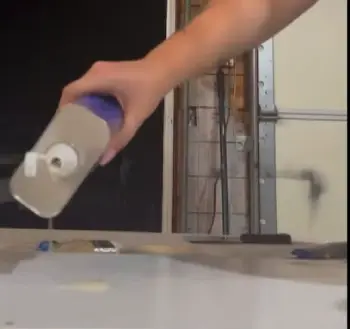
When the piece is mostly flat wood and I have easy water access, I reach for Jasco. The cleanup is quicker and the overall process feels lighter.
When the project involves turned legs, carved details, or thick old varnish, Klean Strip’s thicker hold and grain-friendly behavior win.
On metal railings both work well, yet Klean Strip’s cling keeps more product on the surface during the wait time.
Temperature between 65 and 85 degrees Fahrenheit helps both products perform closest to their claims. Below that range they slow down.
Above it they can dry out before finishing the job. I always test a small hidden area first because paint chemistry varies more than the labels suggest.
That quick test has saved me from applying the wrong product across an entire piece more than once.
Safety remains non-negotiable with either product. Chemical-resistant gloves, splash goggles, and a proper respirator are standard for me.
I never work in a closed room and I keep a water source nearby for immediate rinsing if anything goes wrong.
Both brands carry warnings about skin, eye, and inhalation risks that match what I have felt when protection slips even briefly.
Taking those steps seriously turns a potentially harsh chemical job into a controlled process I can finish with confidence.
Real-World Application Tips That Improved My Results
I apply a thick, even coat with a natural-bristle brush and immediately cover the surface with plastic sheeting.
The cover keeps the product wet longer and prevents the outer layer from drying into a skin that stops the chemical action. After the dwell time I scrape with a plastic or metal scraper held at a low angle to avoid gouging the wood.
Any remaining residue gets a second light coat rather than aggressive sanding while the surface is still soft.
For vertical pieces I work from the bottom up so drips land on already treated areas. On metal I rinse thoroughly and dry completely before any primer goes on, because leftover stripper can cause adhesion problems later.
These small habits cut total project time more than switching brands ever did. Keeping a dedicated set of gloves and a respirator ready also removes the temptation to skip protection when the job feels urgent.
I also learned to watch the weather. A calm day in the right temperature range lets either product work closer to its labeled speed. Wind or direct hot sun forces more frequent plastic checks and sometimes a second application. Building those checks into the plan keeps frustration low and results consistent.
Frequently Asked Questions (FAQ)
It depends on the surface and cleanup preference. Klean Strip holds better on vertical details; Jasco cleans up more easily with water.
Yes. It removes multiple layers effectively on wood, metal, and masonry when applied thickly and kept wet.
Follow the label, usually 15 minutes for many paints. Longer dwell times help stubborn layers, but do not let it dry out.
Klean Strip works faster and more aggressively on heavy coatings. Citristrip is milder, lower-odor, and better for indoor or sensitive projects.
Final Thoughts
After working with both products on real furniture and architectural pieces, I see them as close competitors rather than clear winners and losers.
Jasco gives me simpler water cleanup and smooth application on flatter surfaces. Klean Strip delivers stronger cling and less grain raising when the piece has complex shapes or thick old finishes.
Your project details will point you toward one or the other more reliably than any single ranking can.
You should match the product to the surface, the workspace ventilation, and how much post-strip cleanup you want to handle.
Test a small area, protect yourself fully, and keep the product wet during the dwell time. Those steps matter more than brand loyalty.
Once the old finish is gone and the surface is clean, the satisfaction of a fresh start makes the choice between these two strippers feel secondary to the finished result.
Whether you pick Jasco for its easier rinse or Klean Strip for its hold on detailed work, the real win comes from finishing the job safely and with a surface ready for the next coat of finish.
Recent Posts
I spent months comparing budget options against established names after my last set of tires wore out sooner than expected.My goal here is to share what I learned from putting Dextero and...
AquaTru Carafe Vs. Classic: Which Is Actually Fits Your Kitchen?
I decided to write this comparison after months of testing both the AquaTru Carafe and the Classic in my own kitchen. Tracking covered daily use.Taste stayed consistent. Refill frequency...