
If you want deep black hair without the hassle of frequent salon visits, jet black henna hair dye might initially look appealing.
However, after weighing the potential benefits against reported customer dissatisfaction and the safety concerns associated with some black henna formulas, I would be cautious about recommending it.
Before you spend your money, you should understand its ingredients, coloring performance, possible side effects, and long-term impact on your hair.
In my view, safer, clearly labeled alternatives are worth considering before choosing this product.
My First Experience With Jet Black Henna Hair Dye
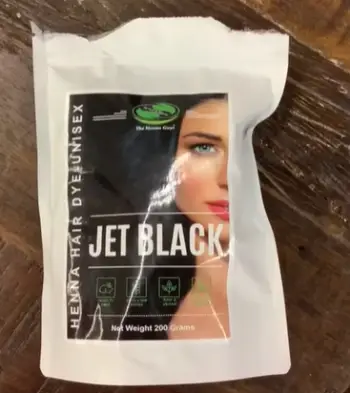
When I evaluate a hair coloring product such as jet black henna hair dye, I look beyond the promise of a rich, dark shade.
I want to know whether it delivers consistent color, whether the ingredients are clearly disclosed, how comfortable it is to apply, and whether the results justify the price.
These details matter because black hair dye sits directly against your scalp and can affect both your hair’s appearance and your skin’s comfort.
One important clarification: I cannot verify a firsthand trial of this specific product or independently confirm individual ecommerce reviews here.
Rather than pretend I personally used it, I will assess the concerns a buyer should consider when evaluating jet black henna hair dye, including the negative customer feedback mentioned in your brief.
A product marketed as jet black creates a clear expectation: deep, even, dark color that covers gray strands and remains attractive after washing.
Unfortunately, the words on the packaging do not guarantee that every user’s hair will turn out the same way.
Henna naturally produces reddish-orange tones rather than a true, neutral black. Traditional henna comes from the Lawsonia inermis plant, and its coloring compound binds to the hair.
To achieve a darker shade, manufacturers may combine henna with indigo or other coloring ingredients. The final result depends on the formulation, application method, original hair color, hair porosity, and processing time.
This distinction is important when reading jet black henna hair dye reviews. If a customer expects a cool, salon-like black but receives a warmer, uneven, or less intense shade, the product may feel disappointing even if it deposits some color.
I would therefore look for detailed feedback about gray coverage, color consistency, fading, and the appearance of roots after several washes. General statements such as “great color” are less helpful than descriptions of what happened on different hair types.
Pros Of Jet Black Henna Hair Dye
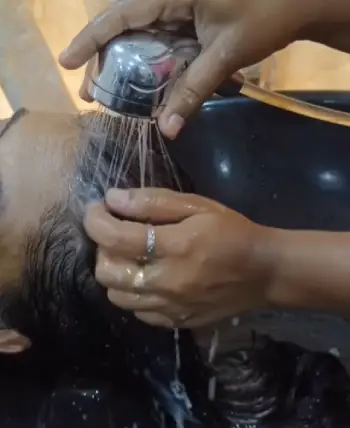
- The Appeal of a Deep Black Hair Color
The biggest attraction is the promise of dark, dramatic hair. If you naturally have dark brown or black hair, you may want a color that refreshes faded lengths, makes your hair appear more uniform, or gives your overall look a polished finish.
A properly formulated henna-and-indigo coloring system can produce dark brown to black shades.
The outcome depends on the ingredients and the coloring process, so not every product marketed as black henna will deliver an identical result.
I would consider the shade range particularly important if you have noticeable gray hair.
Gray strands can react differently from pigmented strands, meaning your finished color may not look completely uniform.
Before buying, I would look for product-specific photographs and reviews that show results on hair similar to yours. Pictures taken immediately after application are not enough; results after several washes provide a better idea of color retention.
- The Potential Appeal of Plant-Based Ingredients
Traditional henna is a plant-derived coloring ingredient, which appeals to people who prefer botanical hair care. Some shoppers also look for henna because they want an alternative to conventional oxidative hair dyes.
However, I would separate traditional henna from products simply labeled “black henna.” They are not necessarily the same thing.
Pure henna generally produces reddish or coppery tones. Indigo may be used alongside henna to create darker shades. Other commercial products can contain additional dyes, preservatives, fragrances, or other ingredients.
That means a botanical label does not automatically tell you what is inside the package. I would check the complete ingredient list rather than assuming that every ingredient is natural or that the product contains only henna and indigo.
If your priority is a plant-based coloring routine, a clearly labeled product containing disclosed botanical ingredients may be more suitable than a product whose formulation is difficult to verify.
- The Convenience of At-Home Hair Coloring
Another potential advantage is the convenience of coloring your hair at home. You can choose when to apply the product rather than arranging a salon appointment.
For people who regularly refresh their roots, home coloring may also seem more economical. However, the actual value depends on how much product you need, how long the color lasts, and whether you need additional treatments to correct uneven results.
I would calculate the full cost rather than comparing package prices alone. Gloves, application tools, additional product for long hair, and possible color correction can increase the overall expense.
Convenience is valuable, but it should not come at the expense of safety or predictable results. If the instructions are unclear or the ingredients raise concerns, I would not consider the product worth the inconvenience.
- A Possible Option for Refreshing Existing Dark Hair
If your hair is already dark, a compatible coloring product may help refresh its appearance. Some henna-based formulations can add visible color and make the hair look more uniform.
Still, I would not assume that this particular dye will improve shine, reduce breakage, or make hair healthier. Coloring performance and hair conditioning are separate matters.
The appearance of shine depends on factors such as the hair’s surface condition, moisture balance, and styling routine. A product might make the color look richer without improving the underlying condition of damaged strands.
If your hair is dry, fragile, or chemically processed, I would focus on gentle cleansing and conditioning alongside any coloring decision.
- Potentially Lower Maintenance Than Frequent Permanent Dyeing
Some people prefer plant-based color because it can fade differently from conventional permanent hair dye. Depending on the formulation, the transition between colored lengths and new growth may look less obvious.
However, this is not guaranteed. Dark color can still produce a visible root line, and some botanical dyes leave persistent pigment that is difficult to remove.
I would also avoid assuming that a henna-based dye is easy to change later. Indigo-containing mixtures and products with undisclosed ingredients can complicate future coloring, bleaching, or salon treatments.
For me, the main lesson is that potential benefits should be evaluated against the exact formulation. These are general advantages of some henna-based coloring systems, not verified performance claims about the specific jet black product.
Cons Of Jet Black Henna Hair Dye
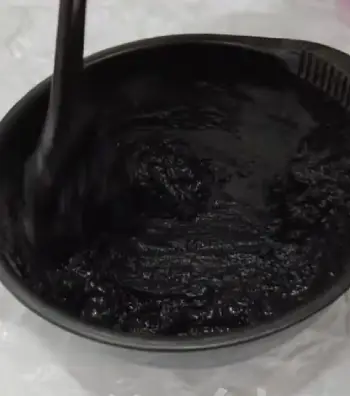
- Uncertainty About the Ingredients
My first concern would be the ingredient list. The term “black henna” is used for different products, and the name alone does not establish whether a formula contains pure henna, indigo, synthetic dyes, or other coloring agents.
Some products marketed as black henna may contain para-phenylenediamine (PPD), a powerful coloring chemical used in many permanent hair dyes. PPD can cause allergic contact dermatitis, and reactions may be severe.
Not every black henna hair dye contains PPD, so it would be inaccurate to assume that this particular product does.
Nevertheless, I would not purchase it without checking the ingredients and the manufacturer’s safety instructions.
If the packaging lacks a complete ingredient list, gives vague descriptions, or does not identify the manufacturer clearly, I would choose another product.
- Potentially Inconsistent Color Results
The promise of jet black hair sounds straightforward, but color results can vary. Differences in natural pigmentation, gray coverage, hair porosity, previous dye treatments, and application technique all influence the outcome.
You might end up with darker roots and lighter lengths, uneven gray coverage, or a shade that appears warmer than expected.
This can be especially frustrating if you are trying to cover gray hair before an event or achieve a uniform color throughout your head.
I would not rely on the product name alone. Look for independent photographs and detailed reviews, and remember that results from another person’s hair cannot guarantee your own outcome.
- Risk of Allergic Reactions and Scalp Irritation
Hair dyes can cause redness, itching, burning, swelling, or a rash. PPD is a particularly important concern because it can cause allergic reactions, including facial or eyelid swelling.
A previous uneventful use of another hair dye does not guarantee that you will tolerate a new formulation. Likewise, calling a product herbal or natural does not eliminate the possibility of an allergic reaction.
Follow the manufacturer’s allergy-alert instructions before every application. If the product’s instructions are missing or unreliable, do not improvise a testing procedure.
A patch test cannot guarantee that an allergic reaction will not occur. If you have previously reacted to hair dye or a black henna tattoo, seek advice from a dermatologist before using a related product. People with a known PPD allergy should avoid PPD-containing dyes.
If you experience difficulty breathing or swelling of the tongue or throat, seek emergency medical care.
- Difficulties With Future Hair Coloring
One disadvantage that people sometimes overlook is what happens when they want a different color later.
Certain henna and indigo products can leave persistent pigments in the hair. If you later decide to bleach your hair, go lighter, or apply another chemical color, the results may be unpredictable.
The situation becomes more concerning when a product contains undisclosed ingredients. A stylist may not be able to assess how the hair will react without knowing what has already been applied.
Before coloring, I would think about my long-term plans. If I enjoy changing my hair color regularly, a permanent or semi-permanent dye with a fully disclosed formulation may be easier to manage.
Maintenance Tips For Jet Black Henna Hair Dye
- Check the Ingredients Before Application
My first maintenance tip actually comes before coloring: identify what you are putting on your hair.
Read the entire ingredient list and follow the instructions on the packaging. If you cannot identify the product’s ingredients, do not assume it is pure henna.
Look for clear information about whether the formula contains henna, indigo, PPD, other colorants, or additional ingredients. If the product is supplied without appropriate labeling or safety guidance, choose a better-documented alternative.
If you have previously experienced a hair dye allergy, do not rely on a home patch test to establish that a new product is safe for you. Speak with a dermatologist, especially if PPD or related ingredients may be involved.
- Follow the Manufacturer’s Instructions Carefully
Different hair coloring products have different preparation and application requirements. Some are powders that need mixing, while others come ready to use.
I would never assume that the same processing time or mixing ratio works for every formula. Leaving a product on longer than directed does not necessarily create a better black shade and may increase irritation or other problems.
Use the specified amount, apply the product only as directed, and avoid contact with your eyes. Wear suitable gloves and protect clothing and surfaces from staining.
Do not apply hair dye to an irritated, broken, or inflamed scalp. If you experience burning, intense itching, or other concerning symptoms during application, rinse the product off promptly and follow the manufacturer’s safety guidance.
- Wash Your Hair Gently
After coloring, gentle cleansing can help maintain the appearance of your hair while reducing unnecessary friction.
I would choose a shampoo suited to my scalp and hair type rather than automatically buying the most expensive color-protection product. If your scalp is oily, you may need to wash more frequently. If your hair is dry, a gentler formula and less frequent washing may feel more comfortable.
Use lukewarm water rather than very hot water, and massage the scalp without aggressively rubbing the lengths. When drying, gently squeeze out excess water instead of twisting or roughening the hair.
No shampoo can guarantee that a particular henna-based dye will remain jet black. Color retention depends on the formulation, hair condition, and individual washing routine.
- Use Conditioner to Reduce Dryness and Tangling
Conditioner can make hair easier to comb, reduce friction, and improve the feel of dry or coarse lengths.
I would apply conditioner primarily to the mid-lengths and ends if those areas tend to feel dry. If your hair is fine or easily weighed down, a lighter formula may be more comfortable.
A weekly conditioning treatment can be useful when your hair feels rough or becomes difficult to detangle. However, you do not need to buy a collection of expensive masks to maintain colored hair.
Remember that conditioning products do not reverse every type of damage. If your hair is breaking, stretching unusually when wet, or becoming increasingly brittle, reassess your routine and consider professional advice.
- Limit Excessive Heat Styling
Frequent use of high-temperature styling tools can contribute to dryness and breakage. I would let my hair air-dry when practical and use a heat protectant when blow-drying or styling with hot tools.
Keep the temperature appropriate for your hair texture and avoid repeatedly passing a straightener over the same section.
You should not expect heat protectants to eliminate all damage. Their purpose is to reduce some of the stress associated with styling, not make unlimited heat exposure harmless.
If your main goal is to maintain a rich black appearance, healthy-looking lengths and smooth styling can contribute to the overall result without repeated coloring.
Comparison Of Jet Black Henna Hair Dye With Other Hair Brands
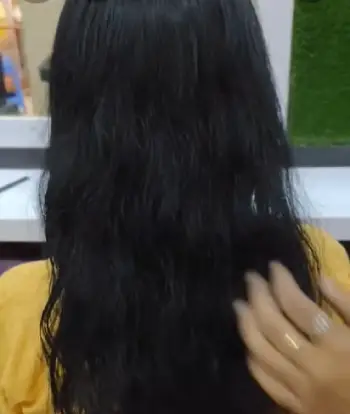
- Jet Black Henna Hair Dye vs. Traditional Pure Henna
Pure henna is generally used to create reddish, copper, or auburn tones rather than a true jet-black shade.
It appeals to people who want plant-derived coloring, but it may not meet your expectations if your goal is neutral black hair.
The biggest difference is the intended result. If you want red-brown tones, pure henna may be worth exploring.
If you want black hair, you would need a different coloring approach, such as a properly formulated henna-and-indigo system.
I would favor a product with clearly disclosed ingredients over one that relies primarily on the phrase “black henna” to communicate what it contains.
- Jet Black Henna Hair Dye vs. Khadi Herbal Hair Color
Brand comparison: botanical hair coloring
Khadi offers herbal hair coloring products, with formulations and shades varying by product and market. Some botanical coloring systems use combinations of plant powders to produce darker shades.
If you are considering this type of alternative, check the exact shade’s ingredient list and application instructions. Do not assume that every product from a botanical hair color brand contains identical ingredients or produces the same result.
Compared with an inadequately documented dye, a clearly labeled alternative may make it easier to understand what you are applying. However, botanical products can still cause reactions, and results may vary according to your hair.
- Jet Black Henna Hair Dye vs. Conventional Permanent Hair Dye
Conventional permanent hair dyes are designed to provide lasting color, often through an oxidative coloring process. Depending on the product, they can offer a broad selection of black shades and specific guidance for covering gray hair.
The trade-off is that these dyes may contain ingredients capable of causing irritation or allergic reactions. Some use PPD or related colorants, so checking the ingredient list and following allergy-alert instructions remains essential.
I would consider a reputable permanent dye if I wanted predictable color options and clear instructions for gray coverage. However, I would avoid it if I had a known allergy to one of its ingredients.
- Jet Black Henna Hair Dye vs. Semi-Permanent Hair Color
Semi-permanent hair color can be useful if you want to refresh your appearance without committing to the same coloring approach as a permanent dye. Depending on the formula, it may deposit color primarily on the hair surface and gradually fade with washing.
Its main limitation is that gray coverage and longevity vary. It may not provide the same results as permanent color, especially when you want a dramatic, uniform black shade.
I would consider semi-permanent color if flexibility matters more to me than long-lasting coverage. Before choosing one, I would verify the ingredients and confirm whether it is suitable for my hair and coloring goals.
Also Read: Is Herbby Hair Color Shampoo Worth It?
Frequently Asked Questions (FAQ)
Henna can produce color that is difficult to remove or change, and the shade may differ from your expectations. Pure henna usually creates reddish tones rather than black. Some products marketed as black henna contain additional dyes that may cause allergic reactions. Always check the ingredients before use.
Not all salons are against henna. Some stylists are cautious because certain henna-based or herbal products may contain undisclosed ingredients, and persistent pigments can complicate bleaching or chemical coloring. Tell your stylist exactly which product you have used before undergoing another treatment.
Potential side effects include scalp irritation, itching, redness, burning, and allergic contact dermatitis. Products containing PPD can cause severe allergic reactions in some people. Check the ingredients, follow the manufacturer’s allergy-alert instructions, and seek medical advice if you have a history of hair dye allergies. Breathing difficulty or swelling of the throat requires emergency care.
It depends on the formulation. Traditional henna can coat the hair and change its color, but black henna products vary considerably in their ingredients. Some may cause allergic reactions or complicate future coloring. I would choose a clearly labeled product with appropriate safety information rather than assuming that black henna is harmless because it sounds natural.
Final Verdict
I would not recommend jet black henna hair dye as a first choice when negative customer feedback and uncertainty about the exact formulation raise concerns.
Although some henna-based coloring systems can produce attractive dark shades, the product’s ingredients, safety information, and consistency matter more than its packaging promises.
I would spend my money on a clearly labeled alternative with reliable instructions and a shade suited to my hair.
Before coloring, check the ingredients and consider your future hair treatment plans.
Recent Posts
Spring Valley probiotics offer an affordable way to support digestive health without spending a fortune on supplements. When I evaluate a probiotic, I look at its bacterial strains, CFU...
If you love stir-frying vegetables, searing meat, and preparing quick Asian-inspired meals at home, the Nuwave induction wok is worth considering. I appreciate the idea of combining...