
If you’re here, you’re probably dealing with persistent pain and wondering whether the Kailo Pain Patch is the quick fix it claims to be.
I tried it with cautious expectations because anything promising drug-free pain relief naturally sounds appealing.
But after testing it and looking at real-world feedback, I wouldn’t rush you into buying it. Instead, I want to walk you through what I experienced, what the product claims, and whether it truly holds up under practical, everyday use so you can make a grounded decision.
My Personal Experience Using The Kailo Pain Patch
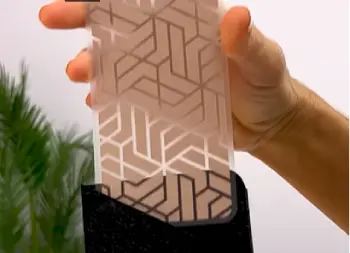
When I first got the Kailo Pain Patch, I was intrigued by its minimalist design. It’s extremely thin, almost like a small metallic sticker.
No gels, no batteries, no smell—just a patch you place on your skin. The concept itself felt futuristic: a nanocapacitor-based technology that supposedly interacts with your body’s electrical signals to reduce pain perception.
I decided to test it on a recurring lower back discomfort that usually flares up after long hours of sitting. Following the instructions, I placed the patch near the pain site and waited.
Within the first 10–15 minutes, I noticed something subtle—not exactly pain elimination, but a slight dulling of intensity.
That initial change made me think, “Maybe there’s something here.”
However, the effect didn’t stay consistent. On some days, I felt mild relief that could easily be attributed to posture adjustment or natural fluctuation in pain levels.
On other days, I didn’t notice any meaningful difference at all. That inconsistency became the pattern throughout my use.
I also experimented with placement, as the instructions suggest that positioning is critical.
Moving it slightly around the pain area sometimes changed the sensation, but again, nothing felt reliably repeatable.
It started to feel like I was guessing the “right spot” rather than using a dependable pain solution.
Another thing I paid attention to was duration. The patch claims extended usability, but in real life, the adhesive weakened faster than expected, especially in humid conditions.
Living in a warm environment made it even harder to keep it secure for long hours.
Emotionally, I found myself oscillating between hope and skepticism. When pain relief seemed to happen, it felt encouraging. But the lack of consistent results made it difficult to trust as a dependable daily solution.
By the end of my trial period, I realized I was still relying on traditional methods like stretching, rest, and occasional over-the-counter relief rather than the patch itself.
Pros Of The Kailo Pain Patch
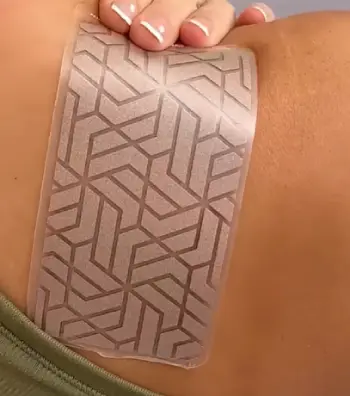
- Drug-free and non-invasive approach
One of the most talked-about advantages is that it doesn’t involve medication. There are no pills, no creams with active drugs, and nothing being absorbed into your bloodstream.
For people who are sensitive to painkillers, or who want to avoid frequent medication use, this is a major psychological relief.
You’re not worrying about liver strain, stomach irritation, or drug interactions. That alone makes it feel “safer” in theory.
However, this benefit is more about perception and comfort than guaranteed effectiveness. Still, many users appreciate the idea of trying something that doesn’t involve chemicals or prescriptions.
- Extremely lightweight and portable design
The patch is almost weightless and very thin. You can carry it in your wallet, pocket, or bag without even noticing it’s there.
This makes it convenient for travel, workdays, or situations where you don’t want to carry bulky pain relief tools.
Unlike heating pads, creams, or electronic devices, it requires no setup. You simply place it on the skin and continue your routine.
That simplicity is one of the reasons people initially stick with it, especially those with busy lifestyles who don’t want complicated solutions.
- No batteries, charging, or maintenance devices
Another appealing feature is that it doesn’t require power. There are no wires, no charging cables, and no replacement batteries. In a world where most wellness tools depend on electronics, this simplicity stands out.
From a user experience perspective, this removes friction. You don’t have to remember to charge it or worry about device failure.
It is always “ready,” which makes it feel convenient compared to TENS machines or other wearable tech.
- Subtle and non-intrusive use
The patch is designed to be discreet. Once applied, it’s barely visible under clothing and doesn’t produce heat, vibration, or smell. This makes it socially comfortable to use in public or at work.
People who dislike the sensation of medicated creams or sticky gels often find this appealing. There is no greasy residue or waiting time for absorption.
It stays on the skin and blends into daily life without drawing attention.
- Some users report mild pain relief
While not consistent, there are users who genuinely feel a reduction in discomfort. In my observation, when relief does occur, it tends to be subtle rather than dramatic.
It may feel like tension easing slightly or pain becoming less sharp.
This variability suggests that it might work better for certain types of discomfort, especially mild muscle tension or stress-related pain.
For those individuals, even a small improvement can feel meaningful enough to continue using it.
- Adjustable placement for targeted use
The idea that you can reposition it based on where the pain is located adds a sense of control. Instead of being locked into a fixed treatment method, you experiment with placement.
This “trial positioning” approach gives users the impression of personalization.
Even though it can become frustrating over time, some people enjoy the process of finding the spot that feels most effective for them.
- Psychological comfort and placebo contribution
Another important factor is the psychological effect. When someone believes they are actively treating pain, the perception of discomfort can sometimes decrease.
The Kailo patch, with its futuristic design and simple application, can create a strong expectation of relief.
That expectation itself may contribute to how some users feel after applying it. While this is not a guaranteed physical mechanism, it is still a real part of human pain perception.
Cons Of The Kailo Pain Patch
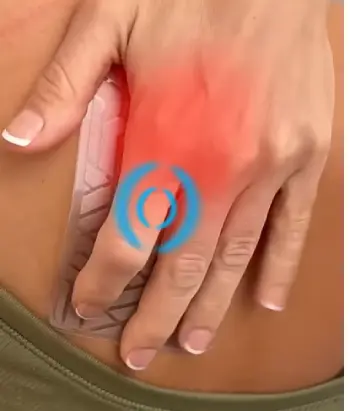
- Inconsistent and unpredictable results
The biggest issue is that results vary widely from person to person. Some users claim mild relief, while others feel absolutely nothing. Even for the same user, the effect can change from day to day.
This inconsistency makes it unreliable for anyone needing dependable pain management.
When dealing with pain, unpredictability is a serious drawback because you need something you can trust to work when discomfort appears.
- Lack of strong clinical validation
The concept behind the patch is based on bioelectric interaction and nanocapacitor technology, but there is limited widely accepted clinical evidence showing consistent effectiveness across controlled studies.
Without strong scientific backing, it becomes difficult to separate real physiological effects from placebo response. This creates skepticism among medical professionals and informed users who rely on proven treatments.
- Overdependence on correct placement
The patch is highly dependent on where you place it. Small adjustments can supposedly change the result, which sounds flexible but becomes frustrating in practice.
Instead of a straightforward application, you may find yourself constantly moving it around trying to “find the right spot.”
This trial-and-error process can feel uncertain, especially if you are already in pain and want quick relief.
- Weak adhesion in real-world conditions
Another practical issue is durability. Sweat, heat, and movement can reduce how well it sticks to the skin. In humid environments, it may lose grip sooner than expected.
Once adhesion weakens, effectiveness becomes questionable since correct positioning is considered important for its function. This makes long-term wear unreliable, especially during physical activity or hot weather.
- High cost compared to alternatives
The price is another major concern. When compared to medicated patches, topical gels, or even physical therapy sessions, the Kailo patch feels expensive for something that does not consistently deliver results.
Many users expect long-term value from reusable wellness devices, but inconsistent performance makes the investment harder to justify.
- No immediate or guaranteed relief
Unlike menthol creams that produce instant cooling or medicated patches that deliver active ingredients, Kailo does not provide a clearly noticeable immediate effect.
This lack of instant feedback makes it difficult to judge whether it is working at all. For people in pain, this uncertainty can be frustrating and discouraging.
- Risk of overreliance on uncertain relief
Another subtle concern is that users might rely on it instead of seeking proven medical care. Because it is marketed as innovative and drug-free, some people may delay proper treatment for underlying conditions.
This can be risky if pain is caused by an injury or chronic condition that requires medical attention rather than experimental tools.
Tips For Using The Kailo Pain Patch
- Keep the skin perfectly clean and dry before application
This is probably the most important step. If your skin has even a light layer of oil, sweat, lotion, or sunscreen, the patch will not stick properly and may shift during use.
I found that wiping the area with a dry cloth first, then letting it sit for a minute, improves adhesion noticeably.
You should avoid applying it right after a shower or exercise. Even if the skin looks dry, hidden moisture can reduce grip and shorten wear time.
A clean, stable surface is essential for any chance of consistent performance.
- Avoid frequent repositioning during a single session
One common mistake users make is constantly moving the patch around every few minutes.
This creates confusion about whether it’s working or not. Instead, apply it once and give it a fair amount of time in that position.
If you change placement too often, you lose track of any subtle effects. It also weakens the adhesive faster, making the patch less reusable over time.
- Store it properly after each use
When not in use, always place the patch back on its original protective backing. This helps preserve the adhesive layer and prevents dust or lint from reducing its stickiness.
Never leave it exposed on a table, in a pocket, or inside a bag without protection. Small particles can accumulate on the surface and affect both comfort and performance during reuse.
- Avoid heat, humidity, and friction exposure
Environmental conditions matter more than most people expect. High humidity and heat can weaken adhesion, especially if you’re wearing it for long periods outdoors.
Also, avoid placing it under tight clothing that constantly rubs against the skin. Friction can shift the patch or cause edges to lift, which reduces effectiveness and makes it feel unreliable.
If you live in a warm climate, you may need to check it more frequently to ensure it hasn’t moved.
- Handle removal gently to preserve reuse potential
When removing the patch, peel it slowly from one corner instead of pulling it off quickly. Aggressive removal can damage the adhesive surface and shorten its usable life.
Slow removal also reduces skin irritation and helps maintain the structural integrity of the patch so it can be reused multiple times.
Comparison Of Kailo Pain Patch With Other Pain Relief Options
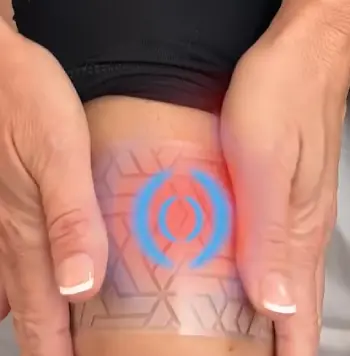
- Kailo Pain Patch Versus medicated pain relief patches
Traditional medicated patches contain active ingredients such as menthol, lidocaine, or anti-inflammatory compounds.
These patches work by directly interacting with the skin and nerves to reduce pain signals.
Compared to Kailo, medicated patches feel more predictable. You usually notice a cooling, warming, or numbing sensation within minutes.
That immediate feedback helps users trust the product more.
Kailo, on the other hand, does not provide any sensory confirmation. You don’t feel anything happening, which makes it harder to judge effectiveness.
In real-life usage, medicated patches tend to outperform Kailo in reliability and consistency.
- Kailo Pain Patch Versus topical pain relief creams and gels
Pain relief creams, especially menthol-based or anti-inflammatory gels, offer fast and noticeable results. They create a warming or cooling sensation that directly signals action.
The advantage of creams is immediacy. You apply them and feel something almost instantly. However, they require reapplication and can feel messy or greasy.
Kailo is cleaner and more convenient, but it lacks that immediate sensory response. So while creams win in effectiveness perception, Kailo wins only in cleanliness and simplicity.
- Kailo Pain Patch Versus TENS therapy devices
TENS devices actively stimulate nerves using electrical impulses. They allow you to adjust intensity, placement, and duration.
Compared to Kailo, TENS devices are far more controllable and evidence-backed in some clinical settings. Many users report noticeable pain relief, especially for muscle and nerve-related discomfort.
Kailo has no adjustable settings and no measurable output. It relies entirely on passive placement, which makes it feel less scientific and less customizable.
However, TENS devices are bulkier, require charging, and are less convenient for daily casual use. Kailo wins only in portability, not performance.
Also Read: Is Outback Pain Relief Worth It?
Frequently Asked Questions (FAQ)
It may provide mild relief for some users, but results are inconsistent and not universally experienced.
The physical patch can last multiple uses, but durability depends heavily on handling, skin condition, and storage.
Based on mixed results and limited reliability, many users may find it difficult to justify the cost.
Traditional medicated patches or clinically tested topical treatments tend to offer more consistent and predictable relief.
Wrapping Up
After using and analyzing the Kailo Pain Patch, I remain cautious about its effectiveness.
While it offers a non-invasive and innovative idea, the inconsistency in results makes it unreliable as a primary pain solution.
It may provide occasional mild relief for some people, but it doesn’t consistently perform well enough to depend on.
If you’re considering it, I’d suggest viewing it as an experimental add-on rather than a serious treatment option, and exploring more evidence-based alternatives for ongoing pain management.
Recent Posts
● Interactive 5-Zone Interior & Exterior Paint Blueprint Paint Coverage Calculator: Gallons, Primer, Square Footage & Cost Tap any architectural surface zone on the blueprint...
If you want smooth, shiny hair without spending a fortune on a premium styling tool, the Ella Bella hair dryer may be worth considering.In these Ella Bella hair dryer reviews, I’ll look...