
I have spent years testing hiking shoes on trails from rocky Appalachian paths to muddy Pacific Northwest forests, and choosing between Keen and Merrell has always felt like picking the right partner for the job.
My goal here is to share an honest, hands-on breakdown of how these two brands stack up so you can match the right pair to your feet, terrain, and hiking style without second-guessing the purchase.
| Feature | Keen Hiking Shoes | Merrell Hiking Shoes |
| Fit | Wider toe box, roomy overall | More traditional, snug midfoot with options for wide |
| Toe Protection | Strong rubber cap (KEEN.PROTECT) | Solid but less pronounced rubber toe |
| Outsole | All-Terrain multi-directional lugs | Often Vibram TC5+ for durable grip |
| Waterproofing | KEEN.DRY membrane standard on many models | M Select DRY or Gore-Tex options |
| Weight | Slightly heavier, more substantial feel | Generally lighter and more flexible |
| Cushioning | Metatomical footbed, supportive | Kinetic Fit contoured, good shock absorption |
| Durability Focus | Uppers and toe area hold up well | Outsoles known for long-lasting traction |
| Best For | Wide feet, protective day-to-multi-day hikes | Versatile trails, lighter pack loads |
| Price Range (approx.) | Mid to higher | Often more budget-friendly entry |
Key Differences Between Keen And Merrell Hiking Shoes
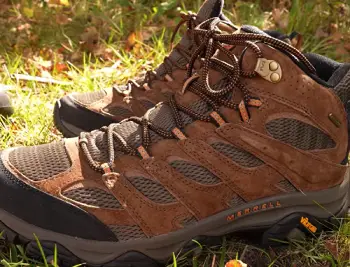
- Fit and toe box space: Keen designs lean wider especially through the toes so my feet never feel pinched after hours on the trail.
Merrell runs closer to a standard athletic fit that hugs the midfoot tighter.
If your toes need room to splay on uneven ground Keen usually wins.
- Protection around the toes and sides: Keen builds in that signature rubber bumper that has saved me from more than one sharp rock or root.
Merrell offers rubber reinforcement too but it sits lower and feels less armored.
On brushy or scree-heavy routes I reach for Keen first because the extra layer keeps me moving.
- Outsole grip and longevity: Merrell frequently pairs with Vibram rubber that bites into wet rock and holds shape longer under heavy use.
Keen’s All-Terrain compound grips well across mixed surfaces and handles mud fine yet the lugs can flatten a bit sooner on abrasive granite.
- Weight and flex underfoot: Merrell shoes tend to feel lighter on my feet which helps when I log long miles with a lighter pack.
Keen sits a touch heavier and stiffer giving a more planted sensation that I appreciate when carrying overnight gear.
- Waterproof systems and breathability: Both brands keep water out effectively. Keen’s membrane has kept my socks dry through stream crossings and all-day rain.
Merrell’s options breathe a bit more on hot days so I overheat less when the temperature climbs.
- Overall feel on the trail: Keen gives me that ready-to-go comfort with a protective stance.
Merrell feels more like an extension of a running shoe that happens to handle serious trails. Neither requires a long break-in for me but the character of each ride stays distinct.
Key Features Of Keen Hiking Shoes
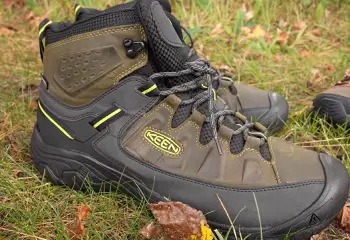
- Wide anatomical toe box: This design lets my toes spread and grip reducing fatigue on long approaches.
I notice less hot spots and better balance when the trail turns technical.
- KEEN.PROTECT rubber toe cap: The thick bumper shields against impacts that would otherwise leave me limping.
It has become my go-to feature whenever the path includes loose rock or low-hanging obstacles.
- KEEN.DRY waterproof breathable membrane: It blocks external water while letting internal moisture escape.
On multi-day trips in variable weather this system keeps feet functional instead of soggy and blistered.
- Metatomical footbed and supportive midsole: The contoured insole cradles my arch without feeling rigid.
Combined with a stable platform it reduces the end-of-day ache I used to feel in cheaper shoes.
- Multi-directional lug pattern: The outsole pulls in different directions so I stay planted on sidehills and wet roots.
It covers most conditions I encounter with reliable traction.
- Durable leather and mesh upper construction: The materials resist abrasion from brush and pack straps.
After seasons of use the uppers still look solid even when the sole begins to show wear.
Pros Of Keen Hiking Shoes
- Excellent room for wider feet: My wider forefoot settles in without the usual squeeze. Friends with similar foot shapes report the same relief after years of settling for narrower options.
- Superior toe and side protection: The built-in armor means fewer impact injuries. I have kicked enough hidden rocks to know this feature is not just marketing.
- Reliable waterproof performance: KEEN.DRY holds up through prolonged wet conditions. My feet stay dry even when the trail turns into a stream bed for stretches.
- Immediate out-of-box comfort: Little to no break-in period is required. I can head out the same day I lace them up and feel supported from the first mile.
- Stable platform for heavier loads: The stiffer build handles overnight packs better than lighter shoes. My ankles feel more secure on uneven descents.
- Distinctive design that stands out: The look is functional and recognizable. I appreciate knowing my gear is built with purpose rather than pure fashion.
Cons Of Keen Hiking Shoes
- Slightly higher weight on longer days: The extra material adds up after fifteen miles. My legs notice the difference compared to lighter alternatives.
- Outsole wear can progress faster on abrasive rock: Lugs flatten sooner than some premium rubbers. I replace pairs more often when I stick to granite-heavy routes.
- Can feel warm in high heat: The protective build and membrane reduce airflow. On hot dry trails I sometimes wish for more ventilation.
- Price tends to sit a bit higher: Quality costs more at the register. Budget-conscious hikers may need to wait for sales.
Sizing can run large for some: I have learned to try them on carefully because a half-size difference shows up quickly. Measuring and testing remains essential.
Key Features Of Merrell Hiking Shoes
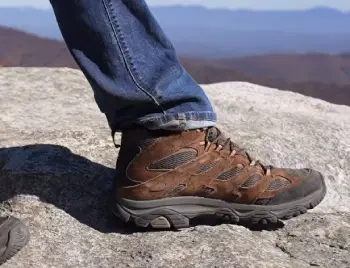
- Vibram outsole options on many models: The rubber compound and lug design deliver reliable traction on rock mud and packed dirt.
I trust it when the trail turns slick after rain.
- Kinetic Fit contoured footbed: It molds to the shape of my foot over time and provides medium support that feels natural rather than forced.
Long days pass with less arch fatigue.
- Lightweight flexible construction: The overall build keeps weight down so my stride stays efficient.
On high-mileage days this feature pays off in reduced leg tiredness.
- M Select DRY or Gore-Tex waterproofing choices: Both keep water out while allowing decent airflow.
I lean toward the more breathable versions for summer and the fully sealed ones for shoulder seasons.
- Bellows tongue and secure lacing systems: Debris stays out and the fit locks in without pressure points.
I can adjust tension quickly when the terrain changes.
- Versatile upper materials including suede leather and mesh: The mix balances protection with ventilation.
I can move from dry dusty trails to damp forest floors without swapping pairs mid-trip.
Pros Of Merrell Hiking Shoes
- Lightweight feel that reduces fatigue: My stride stays lively even late in the day. High-mileage hikers benefit most from this trait.
- Outstanding grip from Vibram compounds: Traction stays consistent across wet and dry surfaces. Confidence on slick rock improves noticeably.
- Strong value for the performance delivered: Many models cost less while still delivering solid trail capability. I get reliable miles without stretching the budget as far.
- Good breathability on warmer days: Mesh panels and lighter membranes keep feet cooler. Summer hiking feels less swampy inside the shoe.
- Flexible ride that adapts to varied terrain: The shoe moves with my foot rather than fighting it. Technical sections feel more natural.
- Wide selection of styles and widths: Finding a match for different foot shapes and activity levels is easier. Options cover day hikes to more demanding routes.
Cons Of Merrell Hiking Shoes
- Less aggressive toe protection: The rubber reinforcement sits lower and thinner. I still watch my steps more carefully around sharp obstacles.
- Traditional fit may feel narrow for wider feet: Standard versions hug tighter through the forefoot. Wide options exist but require extra attention when ordering.
- Ankle coverage on mid models can vary: Some designs sit lower than expected and can rub on steep climbs until broken in. Padding helps but is not always perfect out of the box.
- Mesh areas may show wear sooner in brush: The breathable panels sacrifice some abrasion resistance. Dense vegetation takes a toll over time.
Support level feels medium rather than maximal: Heavy pack loads push the limits sooner than stiffer boots. I prefer them for lighter day or overnight trips.
How Fit And Foot Shape Influence The Choice?
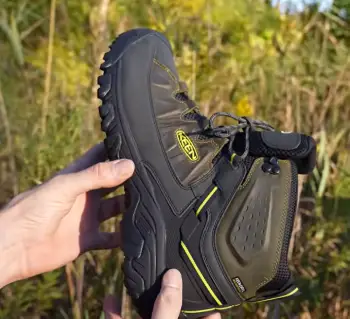
My own feet sit on the wider side with a medium arch. Keen’s roomier shape lets me hike longer without the sides pressing in.
When I tested Merrell on the same trails I sometimes needed the wide version to match that comfort.
Narrow-footed friends flip the preference—they lock into Merrell’s snug midfoot and feel more secure. Arch height also matters. Both brands offer removable footbeds so I can swap in custom orthotics when needed.
The key is trying pairs on with the socks you actually hike in and walking on an incline if the store allows it.
Online returns work but nothing beats real-world testing on a short local trail first.
Performance Across Different Trail Conditions
On rocky, technical terrain Keen’s protective bumper and stable platform give me peace of mind.
I can focus on foot placement instead of worrying about every protruding edge. Merrell’s Vibram grip shines on the same ground, especially when wet, yet I still prefer the extra armor of Keen for pure rock scrambling.
Muddy trails favor Merrell’s lug design that sheds debris better in my experience. Dry dusty paths feel fine in either, though Merrell’s lighter weight keeps energy higher.
Wet weather brings out the strength of both waterproof systems, but Keen’s membrane has held longer during multi-day rain for me.
Hot conditions tip toward Merrell because the lighter uppers breathe more freely.
Cold or mixed seasons let me lean on Keen’s more substantial construction for warmth and stability.
Long-Term Durability From My Perspective
After multiple seasons the uppers on both brands hold up well if I clean them regularly and store them dry.
Keen’s leather sections resist scuffs better, while Merrell’s Vibram outsoles often outlast the rest of the shoe. I have retired Keen pairs mainly because the lugs smoothed out on granite.
Merrell pairs usually retire when the mesh starts fraying or the midsole compresses. Neither fails catastrophically if cared for.
Resoling is rarely practical at this price point, so I treat them as multi-season tools rather than lifetime investments. Proper drying after wet hikes and occasional treatment of leather extends life noticeably.
Value And Who Should Choose Which Brand?
If you have wider feet, prioritize toe protection, or carry heavier loads, Keen delivers more of what I need day after day.
The higher price feels justified by the comfort and armor. If you want lighter weight, strong all-around grip, and solid performance at a more accessible price, Merrell covers those bases reliably.
Many of my hiking partners split the difference—Keen for rugged weekend adventures, Merrell for longer backpacking stretches where every ounce counts.
Neither brand is universally better; the right match depends on your foot shape, typical terrain, and how much protection versus efficiency you value.
Also Read: Is Nortiv 8 Hiking Boots Worth It?
Frequently Asked Questions (FAQ)
Neither wins overall. Choose based on foot width, protection needs, and preferred weight. Keen suits wider feet and protective demands; Merrell suits lighter efficient miles.
No. They are separate brands with different histories and ownership.
Yes. They offer solid construction, reliable waterproofing, and durable uppers that hold up under regular trail use.
The Targhee 3 offers more toe protection and a wider fit. The Moab 3 is lighter with excellent Vibram grip and often costs less. Pick according to your priorities.
Wrapping Up
I have worn both Keen and Merrell through enough miles to know neither is perfect for every situation, yet both earn a place in a serious hiker’s rotation.
My experiences show Keen excel when protection and roomy comfort matter most, while Merrell shine when weight savings and versatile traction take priority.
You now have the detailed comparison, real-world differences, and feature breakdowns to decide what fits your trails and your feet.
Trust your own test walks, match the shoe to your most common conditions, and you will step out with confidence instead of doubt.
The right pair is the one that disappears on your feet so the landscape can take center stage.
Recent Posts
● Interactive 5-Zone Interior & Exterior Paint Blueprint Paint Coverage Calculator: Gallons, Primer, Square Footage & Cost Tap any architectural surface zone on the blueprint...
If you want smooth, shiny hair without spending a fortune on a premium styling tool, the Ella Bella hair dryer may be worth considering.In these Ella Bella hair dryer reviews, I’ll look...