
I set out to compare the Chicco KeyFit Max and KeyFit 35 so I could help you decide which infant car seat better fits your family’s daily needs, safety priorities, and budget.
After examining weight limits, harness systems, installation features, comfort details, and real-world usability, I want to give you a clear, practical side-by-side view that cuts through marketing language and focuses on what actually matters when you buckle your baby in every day.
| Feature | KeyFit Max | KeyFit 35 |
| Weight Range | 4–30 lbs | 4–35 lbs |
| Height Limit | Up to 32 inches (head 1″ below top of headrest) | Up to 32 inches (head 1″ below top of headrest) |
| Harness | 5-position no-rethread | No-rethread (Easy-Extend) in most versions |
| Anti-Rebound Bar | Integrated on base | Integrated on base |
| Carrier Weight | Approximately 10–10.6 lbs | Approximately 10–10.4 lbs |
| Base Compatibility | Accepts KeyFit, KeyFit 30, KeyFit 35, and Max carriers | Accepts KeyFit, KeyFit 30, and KeyFit 35 carriers |
| Recline Positions | 6 | 6 |
| Handle Adjustment | One-hand | Standard multi-position |
| Fabric Options | ClearTex (flame-retardant free) and premium variants | ClearTex and standard |
| Approximate Price Range | $250–$350 | $230–$290 (when available) |
| Lifespan | 6 years from manufacture date | 6 years from manufacture date |
Key Differences Between The KeyFit Max And KeyFit 35
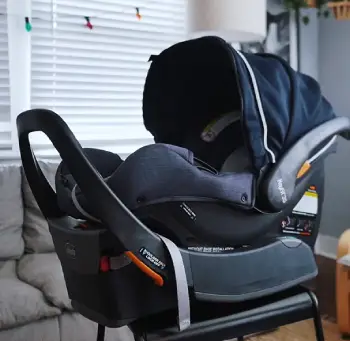
- Weight capacity: The KeyFit 35 allows up to 35 pounds. The Max stops at 30 pounds.
That extra five pounds can translate into several additional months of use for slower-growing babies.
Height often becomes the limiting factor first for both seats.
- Harness adjustment: The Max features a five-position no-rethread system. It moves with the headrest in one smooth motion.
This reduces the chance of improper fit as your baby grows. The KeyFit 35 also offers a no-rethread design in later versions.
The Max system pairs it with slightly more headroom.
- Base compatibility: The Max base adds broader backward compatibility.
You can click older KeyFit and KeyFit 30 carriers into a Max base.
This helps if you already own previous models. It also helps if you plan to reuse equipment across siblings.
- Everyday handling: The Max edges ahead with its one-hand handle adjustment. It makes loading and unloading smoother.
This helps when you are juggling bags or a second child.
The KeyFit 35 handle works reliably. It requires a more deliberate two-handed motion in many situations.
- Price and availability: The KeyFit 35 has largely left the market. Chicco shifted focus to the Max line.
Remaining stock may appear at clearance prices. The Max sits at full current pricing with ongoing support.
Key Features Of The KeyFit Max
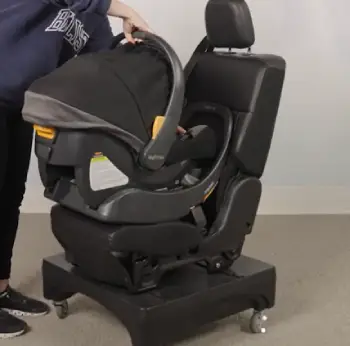
- Five-position no-rethread harness: The system rises with the headrest and gives consistent shoulder placement without removing the carrier from the base or threading straps through slots.
- Integrated anti-rebound bar: The bar on the base increases stability in a frontal impact and creates roughly 1.5 inches of extra legroom so growing babies stay comfortable longer.
- SuperCinch LATCH tightener: This multiplies the force you apply and makes a rock-solid installation possible with less effort than traditional lower-anchor systems.
- Dual RideRight bubble levels: The indicators sit on both sides of the base and remove guesswork when setting the recline angle.
- One-hand adjustable carry handle: The handle lowers or raises quickly so you can reach in to buckle or unbuckle without awkward contortions.
- ClearTex fabric options: These eliminate added chemical flame retardants and carry GREENGUARD Gold certification for lower emissions.
- Euro-style belt path: The path supports secure installation without the base for taxis rideshares or travel days.
- Removable newborn positioner: The insert supports babies from 4 to 11 pounds and can be taken out once they outgrow it.
- FAA approval: The carrier can fly without the base.
Thick foam cushioning and extendable canopy: The padding and UPF 50+ canopy improve comfort on longer outings.
Pros Of The KeyFit Max
- Installation simplicity: The SuperCinch system and clear bubble levels let most parents achieve a tight level fit on the first or second try which reduces the stress of moving the seat between cars.
- Effortless growth adjustments: Raising the headrest and harness together means you are more likely to keep the straps at the correct height as weeks pass supporting better safety over time.
- Improved everyday carrying: The one-hand handle becomes noticeable the first time you need to lower it while holding a diaper bag and that small convenience compounds over dozens of daily transfers.
- Broader base compatibility: If you already own an older KeyFit carrier the Max base can often accept it giving you an upgrade path without replacing everything at once.
- Premium fabric choices: ClearTex and higher ClearLux options remove chemical flame retardants while still meeting flammability standards.
- Anti-rebound bar benefits: Babies gain legroom and the seat resists forward rotation more effectively in testing scenarios.
- Excellent stroller compatibility: The carrier turns into a seamless travel system with a single click across the Chicco lineup.
Cons Of The KeyFit Max
- Lower maximum weight: The 30-pound limit means some babies will outgrow the seat earlier by weight than they would in the KeyFit 35 and taller or denser infants may hit the limit sooner than expected.
- Higher carrier weight: At roughly 10.6 pounds empty frequent carrying can feel heavier once you add a growing baby and accessories.
- Higher price point: You pay more for the refinements and some parents may prefer to hunt for remaining 35 stock if budget is the top priority.
- Single crotch-strap position: The design limits fine-tuning for certain body types even though most babies fit well yet a few may need extra attention to achieve ideal buckle placement.
- Canopy and handle interference: The canopy and handle can interfere slightly when the handle is fully upright requiring a small adjustment during some transitions.
- Limited premium fabric stock: Availability of the highest ClearLux versions can be limited in certain retailers so the exact fabric you want may require ordering or waiting.
Key Features Of The KeyFit 35
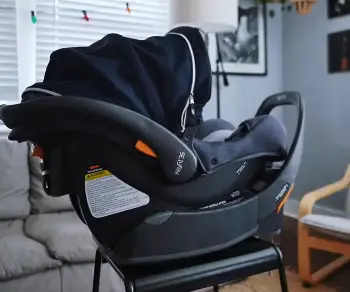
- Higher 35-pound weight limit: The limit extends potential use beyond the Max for babies who stay under the height limit longer.
- Easy-Extend headrest system: The no-rethread harness adjusts in multiple positions to follow growth up to 32 inches.
- Integrated anti-rebound bar: The bar delivers the same stability and legroom benefits found on the Max base.
- SuperCinch LATCH and steel-reinforced LockSure: These simplify both lower-anchor and seat-belt installations.
- ReclineSure spring-loaded leveling foot: The foot works with dual bubble indicators for accurate angle setting across different vehicle seats.
- Compatible click-in design: The system works with most Chicco strollers for a true travel system without adapters in many cases.
- Removable ergonomic newborn support: The head and body cushion supports smaller infants.
- Machine-washable seat pad and canopy: These make cleanup straightforward after inevitable spills.
- European belt path option: The path supports baseless installs when needed.
- EPS energy-absorbing foam: The foam lines the shell for impact protection.
Pros Of The KeyFit 35
- Higher weight capacity: The 35-pound limit offers longer potential use and families with babies who grow more in weight than height gain extra months before switching to a convertible seat.
- Proven ease of installation: Dual bubble levels and SuperCinch keep the process approachable and match the reputation that made earlier KeyFit models favorites among parents and technicians.
- Anti-rebound bar advantages: The bar and extended legroom deliver the same practical benefits found on the Max improving both safety and comfort without requiring a full redesign.
- Strong stroller compatibility: Quick travel-system creation works with Chicco models and many third-party options via adapters.
- Attractive clearance pricing: Remaining units often appear at lower prices once production wound down making it appealing for budget-conscious buyers who still want premium features.
- No-rethread harness: Later versions remove one common source of installation errors as the baby grows.
- Manageable carrier weight: The seat stays light enough relative to many competitors that daily carrying remains manageable for most parents.
Cons Of The KeyFit 35
- Discontinuation status: New units are scarce and you may find leftover inventory yet long-term parts support and color options become harder to secure.
- Less refined harness system: The headrest system while improved over the KeyFit 30 feels a step less refined than the Max five-position design in day-to-day use.
- Similar carrier weight: The higher weight limit does not come with a lighter shell so the seat feels comparable to the Max when carried.
- Narrower base compatibility: Older carriers may not fit as flexibly and you cannot always mix components freely.
- Solid but not top-tier crash data: Some independent sensor results placed it in the reliable mid-to-upper range though it still exceeds federal standards.
- More basic fabric options: Remaining stock leans simpler compared with the Max expanded ClearTex and ClearLux lineup.
- Harder accessory availability: Finding matching accessories or replacement covers grows more difficult as retailers clear remaining inventory.
Real-World Usability And Daily Experience
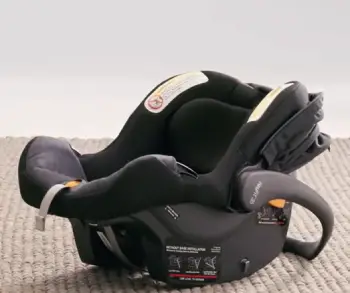
When I picture loading a newborn into either seat for the first ride home both perform reliably.
The newborn inserts cradle small bodies well and the harnesses start low enough for preemies once cleared by a physician.
The Max one-hand handle becomes noticeable the first time you need to lower it while holding a diaper bag. That small convenience compounds over dozens of daily transfers.
Installation in different vehicles highlights the shared SuperCinch strength. Both bases achieve tight LATCH fits with modest effort and the steel-reinforced lock-offs handle seat-belt installs cleanly.
The Max base wider compatibility gives me more flexibility if I ever need to move carriers between family cars that already have older bases installed.
Comfort differences appear as the baby grows past six months. Extra legroom from the anti-rebound bar benefits both models yet the Max slightly taller internal shell and smoother headrest progression keep the fit looking cleaner longer.
Padding thickness on the Max also feels more plush on longer drives.
Travel system use works nearly identically. Click the carrier into a compatible Chicco stroller and the transition is silent and secure.
Baseless installs for air travel or rideshares succeed on both thanks to the European routing option though the Max lock-offs feel a touch more positive in some vehicle belts.
Safety Considerations From An Analytical View
Both seats meet or exceed current FMVSS standards and incorporate side-impact protection via energy-absorbing foam.
The anti-rebound bar on each base reduces rotation in frontal crashes a feature I value highly.
Independent testing has shown solid but not class-leading sensor results for both placing them among reliable mid-to-upper-tier options rather than the absolute highest performers.
Proper installation remains the largest safety variable. The clear visual indicators and force-multiplying tighteners on both models lower the chance of common errors. I always recommend a free car-seat check with a certified technician after any new install regardless of which model you choose.
Expiration arrives six years from the manufacture date printed on the carrier and base.
Plan for replacement well before that window closes especially if the seat experiences any crash even a minor one. Chicco requires replacement after any crash.
Value And Long-Term Ownership
The KeyFit 35 can still represent strong value if you locate new-old-stock units at a discount.
Its higher weight limit and proven track record justify the purchase for many families. The Max commands a higher price yet delivers refinements in handling fabric choices and base flexibility that improve daily life over the full usage period.
Resale value tends to favor the Max simply because it remains the current model with ongoing retailer support.
If you already own a KeyFit 30 or earlier carrier upgrading only the base to a Max unit can be a cost-effective path to the anti-rebound bar and improved compatibility.
That strategy stretches the life of existing equipment while capturing the newest safety geometry.
Frequently Asked Questions (FAQ)
Chicco shifted production focus to the KeyFit Max line which incorporates refined handling updated fabrics and broader base compatibility while maintaining core safety strengths.
The MyFit Zip Air Harness + Booster specific model numbers manufactured between September 2020 and August 2024 was recalled for potential excess chest movement in certain forward-facing lap-belt-only installations.
Some retailers list limited or no stock while others still carry certain ClearTex versions so availability varies by region and specific fabric and you should check current inventory directly.
Until the child reaches 30 pounds or 32 inches tall with the top of the head at least one inch below the top of the headrest whichever comes first and within the six-year expiration window from the manufacture date.
Final Thoughts
After weighing the details I see the KeyFit Max as the stronger choice for most new parents who want the latest refinements in daily handling fabric options and base flexibility.
You gain smoother one-hand operation and cleaner growth adjustments that encourage correct use over many months.
The KeyFit 35 still delivers excellent performance and a higher weight ceiling if you can find it at a favorable price and accept the reality of limited future support.
Whichever seat you select install it carefully check the fit regularly as your baby grows and replace it on schedule.
You will spend less time worrying about the car seat and more time enjoying the rides with your little one.
Recent Posts
● Interactive 5-Zone Interior & Exterior Paint Blueprint Paint Coverage Calculator: Gallons, Primer, Square Footage & Cost Tap any architectural surface zone on the blueprint...
If you want smooth, shiny hair without spending a fortune on a premium styling tool, the Ella Bella hair dryer may be worth considering.In these Ella Bella hair dryer reviews, I’ll look...