
A carbon monoxide alarm is one of those home safety devices you hope you never need but should never ignore.
In my view, a Kidde carbon monoxide alarm is worth considering if you want an affordable, practical way to monitor your home for this invisible, odorless gas.
With different models offering digital displays, battery power, plug-in operation, and combination smoke and carbon monoxide detection, Kidde provides options for different households.
Before buying, though, you should compare the features, check the alarm’s certification, and choose a model that suits your home’s layout.
My First Experience With The Kidde Carbon Monoxide Alarm
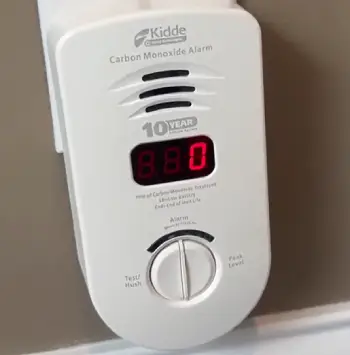
One thing I appreciate about many Kidde alarms is their relatively simple design.
Most models are intended to fit naturally into a home, whether they plug into an electrical outlet or mount on a wall or ceiling according to the manufacturer’s instructions.
Battery-powered models can be especially useful if you want installation flexibility or need protection during a power outage.
Plug-in versions can reduce the hassle of replacing batteries regularly, although some still use backup batteries to keep operating when electricity fails.
I also pay attention to the controls. A clearly labeled test or reset button makes routine checks easier, while a digital display, available on selected models, can help you understand what the device is detecting.
Not every Kidde alarm has a display, so I would check the exact model before purchasing.
Carbon monoxide is particularly dangerous because you cannot reliably detect it using your senses. It can come from malfunctioning fuel-burning appliances, generators, fireplaces, and other combustion sources. A working alarm provides an important warning when carbon monoxide reaches the device’s alarm threshold.
What I find important is that a carbon monoxide alarm is not simply a gadget that beeps when something goes wrong. It is part of a broader home safety plan. You still need properly maintained fuel-burning appliances, adequate ventilation, and safe generator placement.
Kidde models may use different alarm patterns and indicator lights, depending on their design. I would read the supplied manual before relying on any particular beep sequence. A low-battery warning, an end-of-life signal, a fault alert, and a carbon monoxide emergency are not interchangeable.
Pros Of Kidde Carbon Monoxide Alarm
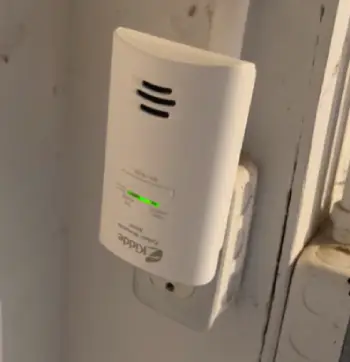
- Straightforward Installation Options
One of the biggest advantages I see in Kidde’s product range is the variety of installation options.
Some alarms plug directly into a wall outlet, while others operate on batteries and can be mounted according to the manufacturer’s instructions.
This flexibility makes it easier to find an alarm that fits your home. If you rent an apartment, a battery-powered model may be convenient because it does not necessarily require permanent electrical modifications.
If you own your home, a plug-in model with battery backup may be a practical choice.
I would still pay attention to placement. A convenient outlet is not automatically the best location for detecting carbon monoxide. Follow the instructions for the specific model, and make sure the alarm can be heard from sleeping areas.
- Audible Alerts for Important Warnings
The most important job of a carbon monoxide alarm is to warn you when dangerous conditions are detected. Kidde alarms use audible alerts, with the exact alarm pattern depending on the model and the condition being reported.
I consider a loud, recognizable warning essential because a visual indicator alone might not wake someone who is sleeping or attract attention when they are in another room.
Before installing any model, I would learn the difference between its emergency alarm, low-battery chirp, malfunction signal, and end-of-life notification. This small step can prevent confusion during a stressful moment.
Remember that you should never assume a warning is harmless just because the alarm stops sounding. If a carbon monoxide alarm activates, move everyone outdoors into fresh air and contact emergency services or the appropriate local fire service. Do not re-enter until authorities say it is safe.
- Battery and Plug-In Choices
Another advantage is the availability of different power arrangements. Depending on the model, you may find replaceable-battery alarms, sealed-battery units, or plug-in devices with battery backup.
I like having these choices because households have different needs. A battery-powered alarm can be useful in a location without a suitable outlet, while a plug-in alarm can be convenient for everyday use.
However, I would not automatically assume that a plug-in alarm will keep working during a power cut. That depends on whether it has a backup power source and whether that source is functioning correctly.
I would also check whether the battery is replaceable. Some models use sealed batteries designed to last for the alarm’s rated service life, while others require periodic battery replacement.
- Digital Displays on Selected Models
A digital display can be a helpful feature if you prefer more information than a flashing light and a sound. Certain Kidde models display carbon monoxide readings or other status information, allowing you to check the device more easily.
For me, this is useful when comparing models, but I would not treat a display as a replacement for the alarm itself. Carbon monoxide can fluctuate, and a displayed reading should not be used to decide whether symptoms are safe to ignore.
A detector that shows a low or zero reading does not guarantee that your home will remain safe. You still need to respond to an alarm and follow the manufacturer’s instructions.
If you are choosing between a basic alarm and a digital model, consider whether the additional information is worth the extra cost for your household.
- Options for Different Household Needs
Kidde offers different types of alarms, including standalone carbon monoxide detectors and combination smoke and carbon monoxide alarms. This gives you the opportunity to choose a device based on the protection you need.
A combination alarm can be convenient because one unit monitors for two different hazards. However, I would confirm that it provides both types of detection and that its installation requirements meet local guidance.
A standalone carbon monoxide alarm may make more sense if your existing smoke alarms already provide adequate coverage. You should not remove or replace a functioning smoke alarm with a carbon monoxide-only detector.
For households with children, older adults, or people who may have difficulty hearing an alarm, I would also investigate suitable alerting features and follow accessibility guidance. A standard audible alarm may not be sufficient for every person’s needs.
- Practical Value for the Price
Kidde is worth considering if you want a product from an established home-safety manufacturer without automatically paying for premium connectivity features.
I would compare the full cost rather than just the shelf price. Battery replacements, replacement alarms at the end of their service life, and any additional units required for proper coverage all affect long-term value.
A less expensive alarm that meets the appropriate safety requirements may be a better purchase than a costly model with features you will never use. On the other hand, spending a little more for a useful display, backup power, or an appropriate accessibility feature may be worthwhile.
My conclusion on value is simple: choose the model that meets your safety needs first, and then compare prices among suitable options.
Cons Of The Kidde Carbon Monoxide Alarm
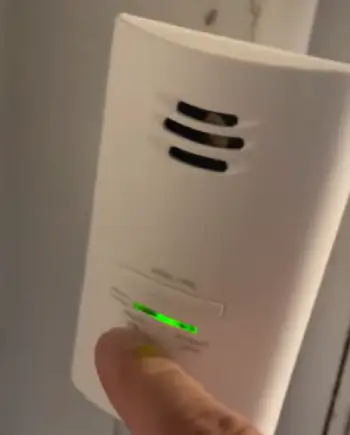
- Different Models Have Different Features
The first drawback is that the name Kidde alone does not tell you exactly what a product can do. Some models have digital displays, while others do not. Power sources, alarm features, battery arrangements, and service lives also vary.
I would find this frustrating if I assumed that every Kidde alarm offered the same functions. Two products from the same manufacturer may suit very different households.
To avoid disappointment, I would compare the exact model number and read its specifications before ordering. I would also confirm whether the device is a carbon monoxide-only alarm or a combination smoke and carbon monoxide unit.
- Batteries Need Attention
Battery-powered alarms require an appropriate power source, and models with replaceable batteries need periodic replacement. A depleted battery, incorrectly installed battery, or battery removed after an irritating chirp can leave the alarm unable to provide protection.
Some sealed-battery models reduce routine battery replacement, but they still have a limited service life. Once the unit reaches its specified end of life, you need to replace the entire alarm.
I would treat battery maintenance as a necessary part of home safety rather than an optional chore. The inconvenience of a replacement battery is minor compared with the consequences of having an alarm that cannot operate properly.
- Chirping Can Be Confusing
An occasional chirp can be annoying, particularly at night. Depending on the model and the sound pattern, it may indicate a low battery, a fault, or that the device has reached the end of its service life.
The problem is that homeowners may assume every short beep means the same thing. I would never make that assumption.
Instead, I would check the model’s manual, identify the signal, and take the required action. If the device indicates a fault or end of life, I would not rely on it until the issue has been resolved.
- A Single Alarm May Not Provide Adequate Coverage
Another limitation is that one detector may not provide suitable coverage throughout a large or multi-level home. Carbon monoxide can spread through indoor spaces, but that does not mean every room will have the same concentration at the same time.
I would not rely on one alarm in a distant utility room to protect every sleeping area. Follow local requirements and the manufacturer’s placement instructions, and consider detectors near sleeping areas and on each level of the home as recommended by applicable guidance.
The number and location of alarms matter just as much as the brand.
- No Detector Can Replace Preventive Safety Measures
A Kidde alarm is a warning device, not a solution to the source of carbon monoxide. It cannot repair a faulty furnace, make an unsafe generator location acceptable, or replace regular appliance inspections.
I would still arrange appropriate maintenance for fuel-burning equipment and never run a portable generator indoors, in a garage, or near doors and windows where exhaust can enter the home.
The alarm should be one layer of protection, not the only layer.
- Replacement Costs Can Add Up
Like other electronic safety devices, carbon monoxide alarms do not last forever. Their sensors and electronics have a limited service life, and the replacement interval varies by model.
If you install several alarms throughout your home, replacing them over time can become a noticeable expense. Still, I would never keep an expired alarm in service simply to avoid buying a replacement.
The best way to manage this cost is to check the product’s rated service life before purchasing and keep track of the date when each unit needs replacement.
Maintenance For Kidde Carbon Monoxide Alarm
- Test the Alarm Regularly
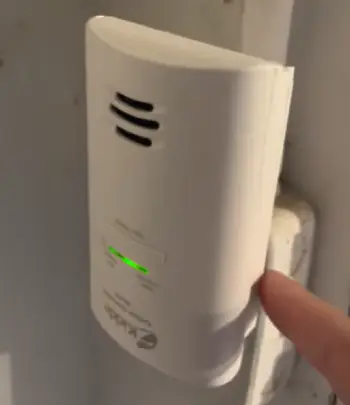
I would make testing part of my regular household safety routine. Use the test button at the interval specified in the manufacturer’s instructions, and make sure you understand what a successful test sounds and looks like.
The test button typically checks important alarm functions, but you should not assume that pressing it proves the sensor will detect every dangerous concentration of carbon monoxide. Follow the manual for any additional checks required by the model.
If the alarm does not respond as expected, consult the troubleshooting instructions. If you cannot restore normal operation, replace the unit or contact the manufacturer for guidance. Do not assume an unresponsive detector is safe to keep using.
I would also make sure everyone in the household knows what the alarm sounds like. That is particularly important if children, older adults, or guests may need to recognize the warning.
- Replace Batteries When Required
Battery maintenance depends on the model. If your Kidde alarm uses replaceable batteries, install the type specified in its manual and replace them when indicated. Never substitute an incompatible battery or leave the battery compartment open.
Some alarms use sealed batteries intended to last for the product’s rated service life. These generally are not designed for routine battery replacement, so you should follow the unit’s instructions when the battery or end-of-life signal appears.
I would avoid removing a battery just to stop a chirp. Doing so can disable the protection you bought the device to provide.
If you hear an unfamiliar sound, identify the signal first. A carbon monoxide emergency alarm requires a different response from a low-battery warning. Never dismiss an emergency pattern as a routine maintenance issue.
- Keep the Detector Clean
Dust and household debris can accumulate around an alarm over time. I would keep the exterior and openings clean according to the manufacturer’s directions.
Use only the cleaning method permitted in the manual. Avoid spraying cleaning products, water, air fresheners, or other substances directly into the detector. Do not immerse the device or dismantle its housing unless the manufacturer specifically instructs you to do so.
I would also avoid placing the alarm where it may be exposed to excessive humidity, grease, steam, or airborne particles beyond its specified operating conditions. These conditions can interfere with reliable operation or contribute to unwanted alerts.
Cleaning does not repair a failed sensor, so I would never use it as a substitute for addressing a fault or replacing an expired unit.
- Choose the Correct Installation Location
Placement deserves careful attention. I would install each alarm according to its model-specific instructions and local safety requirements.
Many households benefit from carbon monoxide alarms near sleeping areas and on each level of the home. Depending on local guidance and the type of property, additional locations may be appropriate.
I would not assume that the best location is directly beside a fuel-burning appliance. The manufacturer’s instructions specify appropriate distances and mounting positions. Avoid locations where normal household conditions, such as cooking fumes or excessive humidity, may cause problems.
If you have a basement, an attached garage, a furnace, or a fireplace, consider how these affect your home’s safety plan. A qualified professional can help you determine appropriate detector placement.
- Understand the Difference Between an Alarm and a Chirp
This is a maintenance habit I would take seriously because it can prevent a dangerous misunderstanding.
A low-battery signal, a fault warning, and an end-of-life notification may sound different from the carbon monoxide emergency alarm. However, the exact patterns depend on the model, so I would never rely on a generic sound description alone.
Keep the user manual accessible or save the model-specific instructions where household members can find them.
If the device indicates a fault, take the required action promptly. If it signals carbon monoxide, get everyone outside into fresh air and contact emergency services. Do not remain indoors while trying to troubleshoot the detector.
If anyone experiences headache, dizziness, weakness, nausea, chest pain, or confusion and carbon monoxide exposure is possible, seek urgent medical assistance. Do not wait for the alarm to sound before leaving an unsafe environment.
Comparison Of Kidde Carbon Monoxide Alarm With Other Brands
- Kidde vs. First Alert
A comparison of two established home-safety brands
Kidde and First Alert both offer carbon monoxide alarms in different configurations, including models with different power arrangements and feature sets.
What I like about Kidde is the range of options available for households that want a straightforward detector.
Depending on the model, you may be able to choose a battery-powered alarm, a plug-in device, or a combination smoke and carbon monoxide alarm.
First Alert also offers a variety of alarms, including standalone and combination products. Some models may appeal to buyers who prefer particular display features, power options, or installation arrangements.
I would not automatically declare one brand safer than the other without comparing the specific products. I would check the relevant safety certification, installation requirements, warranty, replacement interval, and available features.
My recommendation is to choose the model that best meets your home’s needs rather than assuming that either brand is universally superior.
- Kidde vs. Google Nest Protect
Google Nest Protect is known for combining smoke and carbon monoxide detection in a connected home-safety device. Depending on the version, it may offer app-based features and additional status information.
Compared with a basic Kidde carbon monoxide alarm, a connected combination unit may provide a more integrated experience for someone who wants to manage home-safety devices through a smart-home system.
However, I would compare the actual carbon monoxide detection functions and certification rather than choosing based on connectivity alone. Smart features do not replace an audible emergency alarm or proper installation.
Availability, compatibility, and support for particular versions can also affect the buying decision. I would verify these details before spending more on a connected device.
For someone who simply wants a dedicated carbon monoxide alarm, a suitable Kidde model may be all that is necessary. For someone who wants connected smoke and carbon monoxide monitoring, a compatible smart combination alarm may be worth investigating.
- Kidde vs. X-Sense
X-Sense is another brand buyers may encounter when comparing residential carbon monoxide alarms. Its product range includes different detector types, with features varying by model.
I would compare X-Sense and Kidde on certification, power source, display options, alarm behavior, replacement requirements, and ease of obtaining a suitable replacement.
A digital display can be helpful, but it should not outweigh basic safety requirements. Similarly, an appealing design or a long advertised battery life is not enough on its own to establish that a detector is the right choice.
For me, Kidde remains a reasonable option when a particular model meets the necessary safety requirements and fits the intended location. I would consider X-Sense as an alternative if its specific model offered a feature or configuration that better suited my needs.
- Kidde vs. Universal or Store-Brand Alarms
Lower-priced store-brand alarms can be tempting when you are shopping on a budget. I would not dismiss them solely because they are less familiar, but I would be careful about the exact product I purchased.
First, I would verify that the model meets the applicable safety standards in my country. I would then check its rated service life, power requirements, warranty, and the clarity of its instructions.
I would also consider replacement availability. A low purchase price provides little long-term value if obtaining a compatible replacement or understanding the device’s warning signals becomes difficult.
Kidde may be a comfortable choice for someone who prefers an established manufacturer with a broad range of home-safety products. Nevertheless, a properly certified alternative that meets the same needs may also be appropriate.
Frequently Asked Questions (FAQ)
Common issues include low-battery chirping, end-of-life warnings, installation problems, and fault alerts. Check your specific model’s manual to identify the signal and follow the recommended troubleshooting steps.
Both offer a range of carbon monoxide alarms. I would compare the specific models, safety certifications, power options, features, and replacement requirements before choosing.
Recommendations vary by location and fire department. Choose a detector that meets applicable safety standards, install it correctly, and follow your local fire service’s guidance.
The best model depends on your needs. I would prioritize appropriate safety certification, reliable audible alerts, suitable power backup, and a service life that fits your household.
Final Verdict
I consider a Kidde carbon monoxide alarm a worthwhile option for homeowners and renters who want practical protection against an invisible household hazard.
Its range of configurations makes it easier to find a detector suited to different living spaces. Before buying, compare the exact model, verify its certification, and check its replacement interval.
If you want a straightforward, properly maintained carbon monoxide alarm from an established manufacturer, I would put Kidde on my shortlist.
Recent Posts
Hykle Compression Stockings With Zipper Reviews: Are They Worth Buying?
If you struggle to pull tight compression stockings over your feet and calves, Hykle compression stockings with a zipper may be worth considering. I like the idea of combining compression...
Moringa oleifera capsules have caught my attention as a convenient way to add plant-based nutrients to a daily wellness routine. Made from the leaves of the moringa tree, these supplements...