
Moringa oleifera capsules have caught my attention as a convenient way to add plant-based nutrients to a daily wellness routine.
Made from the leaves of the moringa tree, these supplements contain vitamins, minerals, and antioxidant compounds.
If you want a simple supplement to complement a balanced diet, I think moringa capsules are worth considering.
However, I recommend choosing a reputable brand, checking the ingredients carefully, and keeping your expectations realistic because many advertised health benefits still need stronger human research.
My First Experience With Moringa Oleifera Capsules
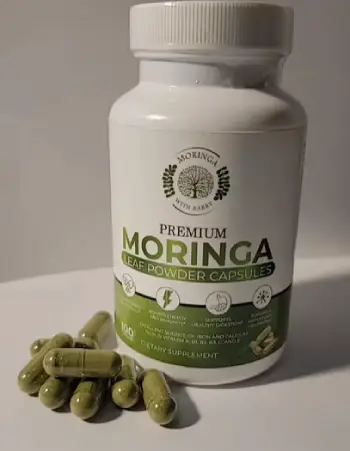
When I first considered moringa oleifera capsules, convenience was one of the biggest selling points for me.
Moringa leaves have traditionally been used as food in different parts of the world, but preparing fresh leaves or dried moringa powder every day is not always practical.
Capsules offer an easier alternative, particularly when you have a busy schedule and want to maintain a consistent routine.
What I find appealing about these supplements is their straightforward concept. You get concentrated dried moringa leaf in a measured serving without needing to prepare a drink, mix powder into a smoothie, or deal with the earthy taste that some people dislike.
For anyone who struggles with the flavor of green superfood powders, that convenience can make a real difference.
However, I would not expect to feel dramatically different after taking a capsule or two. Moringa is not a stimulant, and it should not be treated like an instant energy booster.
Any noticeable effects may depend on your existing diet, general health, the supplement’s quality, and how consistently you use it.
I would also pay close attention to the product label. Some capsules contain only moringa leaf powder, while others include extracts or additional ingredients.
Those formulations are not necessarily interchangeable. A capsule containing 500 mg of leaf powder is not equivalent to 500 mg of a concentrated extract, and a larger number on the front label does not automatically mean better results.
Another factor I consider important is the quality of the raw material. Plants can be affected by growing conditions, harvesting practices, storage, and contamination. A manufacturer that provides transparent ingredient information and independent testing gives me more confidence than a company relying entirely on impressive marketing claims.
There is also a practical consideration: supplements work best when they fit into a sensible routine. I would treat moringa as a possible nutritional addition rather than a replacement for vegetables, protein, healthy fats, or other important foods.
My overall impression is that moringa oleifera capsules may appeal to people seeking a convenient plant-based supplement. Still, I would judge a product by its ingredient transparency, quality controls, tolerability, and price rather than promises of dramatic transformation. These are criteria for evaluating the product, not a claim that I personally completed a clinical trial or experienced a specific medical benefit.
Pros Of Moringa Oleifera Capsules

- Convenient Way to Add a Plant-Based Supplement
Convenience is one of the clearest advantages of moringa capsules. You do not need to wash fresh leaves, prepare a recipe, or measure green powder into a drink.
If your mornings are hectic, capsules may fit more easily into your routine than preparing another nutritious beverage.
You can also avoid the earthy, slightly bitter taste associated with moringa leaf powder.
For me, convenience is meaningful only when the supplement is easy to use consistently and does not create unnecessary expense.
Capsules can meet that requirement for some people, although whole foods should remain the foundation of a healthy diet.
- Contains Naturally Occurring Plant Compounds
Moringa leaves contain various plant compounds, including polyphenols and flavonoids. These substances are studied for their antioxidant activity.
Antioxidants help protect cells from oxidative damage under certain conditions. Nevertheless, the presence of antioxidants in a supplement does not establish that taking it will prevent illness or produce noticeable changes in everyday life.
I consider this a reasonable nutritional feature rather than a guaranteed health benefit. The overall quality of your diet, including your intake of fruits, vegetables, legumes, and other plant foods, matters much more than relying on a single supplement.
- May Complement an Existing Nutrition Plan
Moringa leaves contain several nutrients, including provitamin A carotenoids, vitamin C, calcium, and iron. The actual amounts delivered by capsules depend on the product and serving size.
A supplement made from leaf powder may provide some of these nutrients, but it is important to distinguish nutritional content from meaningful nutritional impact. A small capsule serving might contribute relatively little compared with eating a substantial portion of nutrient-rich food.
I would consider moringa an optional addition to a varied diet, not a replacement for leafy vegetables, beans, fruit, eggs, or other nutrient-dense foods.
If your goal is to correct a nutrient deficiency, you should first establish which nutrient you need and whether moringa provides an appropriate amount. A targeted supplement or dietary change may be more effective.
- Easy to Incorporate Into a Daily Routine
Some people prefer a consistent supplement routine because it reduces the effort involved in making daily nutrition decisions. Moringa capsules may fit that preference.
I would keep the routine simple: check the serving instructions, take the product as directed, and monitor how you feel. Taking more than the recommended amount is not a shortcut to better results.
Consistency is useful for evaluating tolerability, but it does not guarantee a benefit. If you see no meaningful reason to continue using the product, you do not need to keep purchasing it simply because you have already established a routine.
- Available in Different Formulations
Moringa supplements are sold as leaf powders, concentrated extracts, capsules, and tablets. That variety gives consumers several options.
Capsules may suit people who dislike powder, while plain moringa leaf powder may be preferable for someone who wants to mix it into food. The best format depends on your preferences, budget, and the product’s quality.
I would compare the ingredient list and serving information before choosing between formulations. A product with fewer ingredients can be easier to evaluate, especially if you are trying moringa for the first time.
Cons Of Moringa Oleifera Capsules
- Scientific Evidence Is Still Limited
This is the biggest drawback I would consider before purchasing moringa capsules.
Although laboratory research and animal studies have explored potential effects on blood sugar, inflammation, cholesterol, and other health markers, human evidence remains limited and inconsistent.
Small studies cannot establish that a supplement reliably produces the same results for everyone.
If a product claims to balance hormones, reverse diabetes, detoxify the liver, or deliver dramatic weight loss, I would approach those promises with considerable skepticism.
Moringa should not replace prescribed medication or established medical care. Anyone interested in using it to address a health condition should discuss the decision with a qualified healthcare professional.
- Digestive Discomfort Is Possible
Like many plant-based supplements, moringa capsules may cause digestive symptoms in some people. These can include nausea, abdominal discomfort, loose stools, or diarrhea.
Your response may depend on the dose, formulation, and individual sensitivity. Taking more than the label recommends could increase the likelihood of unpleasant effects.
If you experience persistent symptoms after starting moringa, stop taking it and seek medical advice if needed. Severe symptoms, signs of an allergic reaction, or difficulty breathing require urgent medical attention.
- Supplement Quality Can Vary
Not every moringa supplement offers the same level of quality control. Products can differ in plant sourcing, processing, identity verification, contamination testing, and ingredient consistency.
I would look for a clear label identifying the plant part, the amount per serving, the manufacturer, and any additional ingredients. Independent testing by a qualified laboratory can provide extra reassurance when the results are verifiable.
Without adequate testing, consumers may have difficulty determining whether the contents match the label or whether contaminants are present.
- Potential Medication Interactions
Moringa may affect blood glucose or blood pressure, although the extent and clinical significance of these effects in humans remain uncertain.
That uncertainty matters if you already take medication for diabetes or high blood pressure. Combining a supplement with medication could potentially alter your response or complicate monitoring.
Moringa may also be inappropriate with certain other medicines, depending on the formulation and your health circumstances. Ask your pharmacist or healthcare professional before using it alongside prescription drugs.
- Not Suitable for Everyone
I would be particularly cautious about moringa supplements during pregnancy and breastfeeding. Safety information for concentrated supplements is limited, and some parts of the moringa plant have raised specific reproductive safety concerns.
Pregnant individuals should avoid self-prescribing moringa supplements, particularly products containing root, bark, or extracts of uncertain composition. Anyone who is breastfeeding, preparing for surgery, managing a chronic condition, or taking multiple medications should seek professional advice before starting a supplement.
Maintenance Tips For Moringa Oleifera Capsules
- Choose a Reputable Product
Maintaining a supplement routine begins with choosing a product that provides reliable information.
I would check whether the label identifies Moringa oleifera, specifies the plant part used, and states the amount per serving. If the product contains a concentrated extract, I would look for information about the extract’s concentration and standardization rather than comparing its milligram amount directly with leaf powder.
Look for independent testing where possible. Certifications or laboratory reports should be verifiable and relevant to the finished product. A general manufacturing certification does not automatically prove that every batch has been tested for every possible contaminant.
I would also check the manufacturer’s contact information, expiration date, packaging condition, and ingredient list. These basic checks help you make a more informed purchase.
- Follow the Recommended Serving
More is not necessarily better when it comes to botanical supplements.
I would follow the manufacturer’s serving instructions unless a qualified healthcare professional recommends otherwise. Do not increase the dose because you want faster results or because someone online claims to take several times the suggested amount.
Pay attention to the distinction between the amount per capsule and the amount per serving. Some labels define one serving as multiple capsules, which can make comparisons confusing.
If you are taking other supplements, review the combined ingredients and amounts. Overlapping products can increase your total intake of certain substances without providing additional benefits.
- Store Capsules Properly
Storage can influence the condition of botanical supplements over time.
I would keep moringa capsules in their original container, tightly closed, in a cool, dry place away from direct sunlight. Avoid leaving the bottle in a hot car, beside a stove, or in a humid bathroom.
Moisture and heat may affect product quality. If the label specifies refrigeration or other storage conditions, follow those instructions.
Keep the container away from children and pets. Never use capsules that have developed an unusual smell, show signs of moisture damage, or appear inconsistent with the product’s normal condition.
- Monitor Your Body’s Response
If you and your healthcare professional decide that moringa is appropriate, pay attention to how you respond after starting it.
I would watch for digestive discomfort, skin reactions, dizziness, or other unusual symptoms. Keeping a simple record of when you take the supplement and any symptoms you notice can help identify a possible pattern.
If you have diabetes or take medication that affects blood pressure, your healthcare professional may recommend additional monitoring. Do not change medication doses to accommodate a supplement without medical guidance.
Stop taking the product if you suspect an adverse reaction, and seek professional advice before considering another formulation.
- Combine It With a Balanced Diet
Moringa capsules should complement a healthy diet rather than compensate for consistently poor eating habits.
I would continue eating a variety of vegetables, fruits, whole grains, legumes, nuts, and appropriate protein sources. These foods provide a broader nutritional range than a single botanical supplement.
Adequate hydration, regular physical activity, and sufficient sleep also support general well-being. Moringa cannot replace these habits.
If your main concern is fatigue, hair changes, or persistent digestive problems, it is worth investigating the underlying cause instead of assuming that a superfood supplement will solve it.
Comparison Of Moringa Oleifera Capsules With Other Brands
- Moringa Capsules Vs. Moringa Powder
Capsules and powder can provide similar forms of moringa leaf, depending on how each product is manufactured.
Capsules are convenient and help avoid the taste of moringa. Powder can be mixed into food or drinks and may allow more flexibility when measuring a serving.
Neither format is automatically more effective. What matters is the actual amount, ingredient quality, formulation, and how the product fits into your routine.
I would choose capsules for convenience and powder for versatility, provided that either product meets appropriate quality standards.
- Moringa Capsules Vs. Spirulina
Spirulina is a blue-green microorganism commonly sold as a dietary supplement. Like moringa, it is marketed for its nutritional content and plant-based wellness appeal, although the two have different compositions.
I would not consider them interchangeable. Their nutrient profiles differ, and neither should be treated as a substitute for a varied diet.
When choosing between them, consider your dietary needs, allergies, medications, and the quality of the specific product. Independent testing is particularly relevant for products where contamination could be a concern.
- Moringa Capsules Vs. Multivitamins
A multivitamin is designed to supply selected vitamins and minerals in specified amounts, while moringa capsules provide material derived from a plant.
If I needed to address a particular nutritional gap, I would prefer a product that clearly supplies the nutrient in an appropriate amount. Moringa may contain several nutrients, but the quantities in a typical capsule serving may be too small or variable to meet a specific need.
A multivitamin is not necessary for everyone, either. The best option depends on your diet, individual circumstances, and professional advice where appropriate.
Also Read: Is Mindful Advantage Supplement Worth It?
Frequently Asked Questions (FAQ)
They provide moringa-derived plant compounds and nutrients, but evidence that capsules produce specific health benefits in humans remains limited.
Possible downsides include digestive discomfort, uncertain supplement quality, medication interactions, and limited evidence of effectiveness.
Some people may experience no noticeable changes, while others may develop digestive symptoms. Effects depend on the product and individual circumstances.
There is no universally established best brand. Choose one with transparent labeling, appropriate independent testing, and clear ingredient information.
Wrapping Up
Moringa oleifera capsules may be worth buying if you want a convenient plant-based supplement and have realistic expectations.
I would prioritize transparent labeling, independent quality testing, and a reasonable price over dramatic health claims.
If you choose a reputable product and confirm that it is appropriate for your circumstances, it may complement your routine, but it should never replace a balanced diet or necessary medical care.
Recent Posts
Hykle Compression Stockings With Zipper Reviews: Are They Worth Buying?
If you struggle to pull tight compression stockings over your feet and calves, Hykle compression stockings with a zipper may be worth considering. I like the idea of combining compression...
If you want deep black hair without the hassle of frequent salon visits, jet black henna hair dye might initially look appealing.However, after weighing the potential benefits against reported...