
I spent weeks testing both Kilz PVA and Kilz 2 on real projects in my own home and a few client spaces. My goal here is simple.
I want to help you decide which primer matches the surface you face. This stops wasted money and time on the wrong can. I will walk you through the real differences. I cover the strengths each one brings.
I note the limits you hit if you choose poorly. I show the exact situations where one clearly outperforms the other.
| Feature | Kilz PVA | Kilz 2 |
| Base Resin | Polyvinyl Acetate (PVA) | Acrylic Polymer |
| Primary Use | New, uncoated drywall only | Multi-surface, interior and exterior |
| Stain Blocking | None | Light to medium (water, rust, grease, ink, pencil, marker) |
| Surfaces | Bare drywall, gypsum, limited plaster | Drywall, wood, plaster, brick, stucco, concrete, metal, prepared glossy surfaces |
| Interior/Exterior | Interior only | Both |
| Dry to Touch | About 30 minutes | About 30 minutes |
| Recoat Time | Typically 1–2 hours | 1 hour |
| VOC Level | Low | Low |
| Cleanup | Soap and water | Soap and water |
| Best Under | Flat and low-sheen paints only | Latex or oil-based paints |
| Coverage | 300–400 sq ft per gallon | 300–400 sq ft per gallon |
| Mildew Resistance | Not highlighted | Yes |
Understanding What Each Primer Is Built To Do?
When I first started painting new construction rooms I grabbed whatever primer sat closest on the shelf. That approach cost me extra coats.
It also caused uneven sheen more times than I care to admit. Kilz PVA exists for one main job. It seals brand-new drywall.
The paper face and the joint compound then absorb paint at the same rate. Without that seal the mudded seams drink more paint.
They leave dull patches. Painters call this problem flashing. The PVA resin sinks into those porous spots. It creates a uniform film. Your topcoat sits evenly on top.
Kilz 2 is the everyday multi-tool in the Kilz line. Its acrylic polymer formula grips a much wider range of surfaces. It carries mild stain-blocking power. I reach for it when I repaint a lived-in room. I use it to cover a light water mark. I also use it when switching from a dark wall color to a lighter one. It works outdoors on properly prepared wood or masonry. Kilz PVA cannot do that.
Both products are water-based. Both have low odor. Both clean up with soap and water. Both dry fast enough. I can often prime in the morning. I paint the same afternoon. The real split shows up in what the surface needs.
Key Differences Between The Kilz PVA And Kilz 2
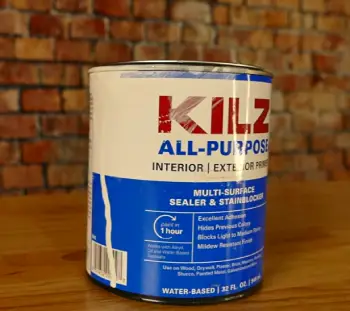
- Chemical makeup: Kilz PVA uses polyvinyl acetate resin. It penetrates deeply into raw drywall.
Kilz 2 uses acrylic polymer. It forms a tougher film on the surface.
- Surface limits: Kilz PVA works only on new bare interior drywall. It fails on glossy surfaces.
It fails on masonry. Kilz 2 grips drywall. It grips wood. It grips plaster. It grips concrete. It grips prepared glossy paint.
- Stain control: Kilz PVA blocks no stains. Any mark shows through.
Kilz 2 blocks light water spots. It blocks rust. It blocks grease. It blocks pencil and ink.
- Location rating: Kilz PVA stays interior only.
Outdoor weather ruins it. Kilz 2 works inside. It works outside on clean surfaces.
- Topcoat rules: Kilz PVA needs flat or low-sheen paint. Glossy finishes may peel.
Kilz 2 accepts latex paint. It accepts oil-based paint across sheens.
- Feel during use: Kilz PVA sits thicker. It fills porous spots well.
Kilz 2 feels thinner. It rolls smoothly on denser surfaces.
- Viscosity range: Kilz PVA measures higher at 105 to 115 KU. The thicker body seals thirsty paper better.
Kilz 2 stays lower at 95 to 105 KU. The thinner body spreads faster on mixed materials.
- Project scale fit: Kilz PVA suits large open new-construction walls. Coverage stays efficient on pure drywall.
Kilz 2 suits smaller mixed jobs. One can covers patches. One can covers trim. One can covers old walls.
These differences matter more than the brand name on the can. Choosing the wrong one forces extra work later.
Key Features Of Kilz PVA
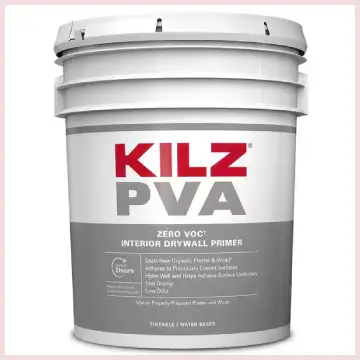
- Drywall sealing: The formula soaks into uneven zones on fresh gypsum. Joint compound absorbs at the same rate as the paper face.
Paint then sits evenly.:
- Speed and smell: The primer dries to the touch in thirty minutes.
The low-VOC formula keeps odor mild. Occupied rooms stay comfortable.
- Tool options: It sprays cleanly. It rolls with a medium nap. It brushes without drag.
Large open walls finish fast.
- Square-foot value: One gallon covers three hundred to four hundred square feet.
Large new-build jobs stay affordable.
- Air quality mark: GREENGUARD Gold certification confirms low emissions.
Bedrooms and nurseries stay safer.
- Film uniformity: The PVA layer creates one consistent base.
Sheen differences across seams disappear. Topcoat color holds true.:
Simple tint limit: Up to two ounces of universal colorant mix in per gallon.
The primer can sit closer to the final shade.
Pros Of Kilz PVA
- Budget stretch: The specialized formula costs less per gallon. Large new-drywall areas save real money.:
- Even absorption: Porosity stays balanced. Flashing almost never appears after correct application.:
- Clean tools: Soap and water remove everything. Mild smell lets closed rooms stay workable.:
- Fewer finish coats: Sealed walls often need only two topcoats. Material and labor drop.:
- Flat paint bond: Matte and eggshell finishes hold strong. Color stays true for years.:
- Large area speed: Open new walls spray fast. Coverage stays high. Project timelines shorten.:
- Low waste risk: The thin seal uses less product on pure drywall. Over-application stays rare.:
Cons Of Kilz PVA
- Narrow scope: Outside new interior drywall the product fails. Painted walls reject it. Exterior surfaces reject it.:
- Zero stain power: Existing marks show through every time. Missed pencil lines stay visible.:
- Sheen restriction: Glossy paints risk peeling. High-traffic washable finishes stay off limits.:
- Indoor lock: Weather exposure destroys the film. Outdoor use is never an option.:
- Fiber lift: Some drywall batches raise fine fibers. Light sanding becomes an extra step.:
- No exterior rating: Rain or humidity breaks the film fast. Porch or siding work needs another product.:
- Limited plaster use: Only certain plaster types accept it. Most masonry stays incompatible.:
Key Features Of Kilz 2
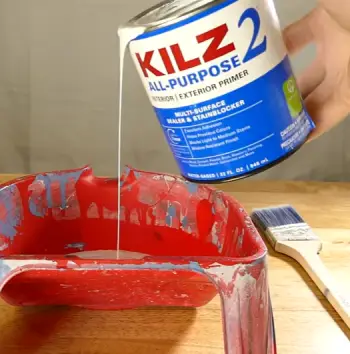
- Surface range: The acrylic grips wood. It grips plaster. It grips masonry.
It grips metal after proper prep.
One can covers mixed materials.
- Mild stain hold: Light water rings stay hidden.
Grease smudges stay locked. Pencil and marker lines disappear under the film.
- Color shift help: Dark walls turn lighter with fewer topcoats. One primer coat knocks back the old shade.
- Humidity defense: The cured film resists mildew.
Bathrooms and basements stay cleaner longer.
- Indoor outdoor reach: The same product primes interior walls.
It primes exterior trim on the same day.
- Quick next step: Touch dry arrives in thirty minutes. Recoat begins in one hour under normal conditions.
- Adhesion boost: Prepared glossy surfaces accept the film after light sanding. The bond holds under normal wear.
- Hide power: Previous colors stay buried better. Deep reds or blues need fewer finish coats to disappear.
Pros Of Kilz 2
- Wide grip: Drywall patches accept it. Wood trim accepts it. Old painted walls accept it. Exterior wood accepts it after cleaning.:
- Daily stain control: Kitchen grease stays blocked. Small water marks stay blocked. Kid marker lines stay blocked.:
- Gloss adhesion: Light scuff sanding lets it grip old enamel. The topcoat holds without lifting.:
- Humidity shield: Mildew growth slows in damp rooms. Basements stay cleaner.:
- Same-day finish: One-hour recoat keeps tight schedules on track. Full rooms complete faster.:
- Color change ease: Dark to light shifts need less paint. The hide power cuts extra coats.:
- Mixed material ease: One can handles walls. One can handles trim. One can handles small repairs.:
Cons Of Kilz 2
- Heavy stain weakness: Deep water rings ghost through. Smoke residue ghosts through. Strong tannin bleed needs stronger primer.:
- Slick surface limit: Melamine and glass need specialized bonding primer. High-gloss factory finishes stay risky.:
- Cost on pure drywall: Extra features raise the price. Simple new-rock jobs pay more than needed.:
- Thin feel on porous areas: Extremely thirsty drywall may need a second coat. Full seal takes extra product.:
- Cure window: Paint can go on in one hour. Maximum hardness builds over several days. Early heavy use leaves marks.:
- Not maximum block: Severe odor or fire damage stays beyond its range. Oil-based options handle those better.:
- Prep still required: Dirty or glossy surfaces need cleaning first. Skipping prep weakens the bond.:
When I Choose Kilz PVA In Real Projects?
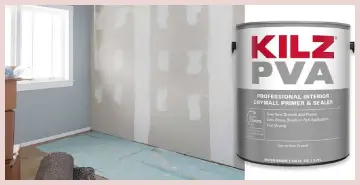
I reach for Kilz PVA every time I walk into a brand-new house. The drywall stays raw. The joint compound is fully dry. The goal is speed.
The goal is uniformity. I spray large open walls. I roll the corners. I move on.
The purpose-built formula lets finish paint go on smoother.
I rarely chase flashing later. The lower price helps when square footage climbs into the thousands.
I avoid it the moment any surface has been painted before. I avoid it when a stain appears. I avoid it when exterior durability is required. The restrictions stay clear on the label. Experience has taught me to respect them.
When Kilz 2 Becomes The Better Tool?
Most of my renovation work involves existing homes. Walls already carry paint. Light stains appear from past leaks. Clients want color changes.
Kilz 2 handles all of that in one product. I also use it on exterior wood that has been cleaned. I use it on plaster repairs. I use it on metal that has been degreased.
The mildew resistance is a quiet benefit in humid climates. When a project mixes new patches with old painted walls Kilz 2 keeps the process simple. I avoid switching primers mid-room.
Application Tips That Actually Matter
Surface preparation stays non-negotiable for both products. I vacuum dust from new drywall. I wipe any remaining powder with a damp cloth.
I let everything dry. On previously painted walls I clean with a mild detergent. I rinse. I scuff sand glossy areas.
Temperature should sit between fifty and ninety degrees Fahrenheit. Humidity stays reasonable. I never apply either primer over frozen surfaces. I never apply it in direct hot sun.
For Kilz PVA I prefer a medium-nap roller. I also use an airless sprayer. One even coat is usually enough. After it dries I inspect for raised fibers.
I sand lightly if needed before the finish paint. For Kilz 2 I follow the same tools. I pay extra attention to stain areas. I sometimes apply a second pass over the worst spots.
Both products accept a small amount of universal tint. The primer can sit closer to the final color.
Long-Term Performance Observations
Rooms I primed with Kilz PVA years ago still show even sheen under flat paints. The seal has held. The drywall has not telegraph joint lines.
Rooms finished with Kilz 2 have resisted light scuffs. They have kept light stains locked away. Neither product substitutes for good surface prep.
Neither substitutes for quality topcoat paint. When I cut corners on cleaning the results suffer. When I cut corners on drying time the results suffer. When I follow the basics both deliver the results the labels promise.
Frequently Asked Questions (FAQ)
Kilz PVA seals new uncoated interior drywall. Joint compound absorbs evenly. Fewer topcoats are needed.
PVA primer seals porous new drywall with polyvinyl acetate resin. Kilz 2 is an acrylic multi-purpose primer. It works on many surfaces. It blocks light stains.
Use PVA primer only on brand-new bare interior drywall. Apply it before flat or low-sheen paint.
The best Kilz primer depends on the job. Kilz PVA wins for pure new drywall. Kilz 2 wins for mixed surfaces. It wins for light stains. It wins for color changes.
Final Thoughts
I have stopped treating primers as interchangeable. When the walls are new and raw I reach for Kilz PVA. I finish the job faster.
Uniformity improves. When the project involves lived-in surfaces I reach for Kilz 2. Light stains disappear. Exterior exposure becomes possible.
You now know the exact limits of each. You know the strengths of each. Match the primer to the surface in front of you.
Prepare that surface properly. The paint job will look the way you planned. The right can saves time. It saves money. It saves frustration every single time you open it.
Recent Posts
● Interactive 5-Zone Interior & Exterior Paint Blueprint Paint Coverage Calculator: Gallons, Primer, Square Footage & Cost Tap any architectural surface zone on the blueprint...
If you want smooth, shiny hair without spending a fortune on a premium styling tool, the Ella Bella hair dryer may be worth considering.In these Ella Bella hair dryer reviews, I’ll look...