
I set out to settle the debate for myself after years of grabbing whatever sports drink was cheapest or closest at the gym.
My goal here is simple: share a clear side-by-side look at Kirkland Signature sports drink and Gatorade so you can decide which one actually fits your workouts budget and taste preferences without the marketing noise.
| Aspect | Kirkland Signature Sports Drink | Gatorade Thirst Quencher |
| Typical Bottle Size | 20 fl oz | 12 or 20 fl oz |
| Calories (20 oz) | Around 150 | Around 140 |
| Total Sugars (20 oz) | About 35 g | About 34 g |
| Sodium (20 oz) | Roughly 250 mg | Roughly 270 mg |
| Potassium (20 oz) | Around 75 mg | Around 80 mg |
| Main Flavors | Fruit Punch Orange Blue Raspberry | Fruit Punch Orange Lemon-Lime many others |
| Price per Bottle (bulk) | Often under $0.60 at Costco | Usually $0.75–$1.20+ outside warehouse clubs |
| Availability | Mostly Costco membership warehouses | Almost everywhere |
| Artificial Colors | Yes (Red 40 Yellow 6 etc.) | Yes (similar dyes) |
| Overall Similarity | Extremely close formula and taste | The original benchmark |
I have bought both for years. I keep a case of Kirkland in the garage for team practices. I reach for Gatorade when I travel or need a specific flavor.
The differences are real. They remain smaller than most people expect.
My First Experience With Kirkland Sports Drink And Gatorade
Kirkland Signature sports drink is Costco’s house-brand answer to the classic sports drink category.
It comes in a variety pack of 20-ounce bottles. The usual mix includes eight each of fruit punch orange and blue raspberry.
The formula aims to replace fluids and electrolytes lost in sweat. It also provides a quick hit of carbohydrates for energy.
It is an isotonic drink. The concentration of salts and sugars sits close to what your body already has. Absorption happens reasonably fast.
Gatorade started the category decades ago at the University of Florida. It has stayed the market leader.
The core Thirst Quencher line uses a similar approach. It includes water sugars sodium potassium and flavorings.
Over time Gatorade expanded into zero-sugar versions higher-electrolyte endurance formulas and countless limited flavors. For this comparison I stick mainly to the original Thirst Quencher. That is the direct rival to what Kirkland sells.
Both drinks deliver carbohydrates primarily from sugar and dextrose. Both rely on sodium and potassium as the key electrolytes.
Both use citric acid for tartness. Both include a short list of stabilizers and colors. The labels look almost interchangeable once you line them up.
Key Differences Between The Kirkland Sports Drink And Gatorade
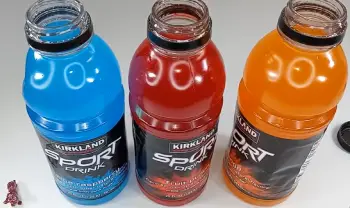
- Price per ounce strongly favors Kirkland in bulk at Costco: Over a season of youth sports or daily gym sessions the savings add up to real money.
- Flavor intensity and salt perception differ slightly: Kirkland often tastes a touch less salty. It can feel milder overall.
Gatorade hits with a sharper more familiar punch.
- Availability creates the practical gap: Kirkland requires a Costco membership and a warehouse trip or delivery.
Gatorade appears almost everywhere.
- Brand perception and variety tilt toward Gatorade: Zero-sugar or higher-electrolyte options exist without switching brands.
Gatorade already stocks those versions on the shelf.
- Packaging and bottle size lean practical with Kirkland: The standard 20-ounce format works well for longer practices.
Gatorade offers both 12-ounce and 20-ounce choices.
Key Features Of Kirkland Signature Sports Drink
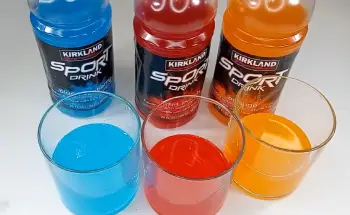
- Ready-to-drink convenience in sturdy 20-ounce bottles: These bottles fit most cup holders and gym bags.
The larger size means fewer bottles to carry for longer sessions. The plastic holds up well on a gym floor or sideline cooler.
- Straightforward electrolyte profile focused on sodium and potassium: A full 20-ounce bottle delivers roughly 250 mg sodium and 75 mg potassium.
This amount covers moderate sweat losses for most recreational athletes.
- Carbohydrate delivery of about 35 to 38 grams per bottle: That sugar load supplies quick energy during or right after exercise lasting 45 to 90 minutes.
- Limited yet reliable flavor lineup: Fruit punch orange and blue raspberry cover the classic spectrum. You avoid hunting for seasonal options.
- Warehouse-club pricing that drops the cost per ounce well below national brands: A 24-pack regularly lands near $13. Regular use becomes realistic for families or teams.
Pros Of Kirkland Signature Sports Drink
- Excellent value that makes consistent hydration affordable: Stocking the team cooler becomes easier. The receipt stays reasonable. That alone keeps me buying it.
- Taste close enough to Gatorade that most people struggle in a blind sip: Informal tests with training partners show mixed results. Roughly half pick Kirkland as the “real” one.
- Solid electrolyte and carb numbers for everyday training: Runs under 90 minutes or gym sessions match long-standing research recommendations for rehydration and energy.
- Less aggressive salt taste for people who dislike the classic Gatorade edge: The smoother profile helps if saltiness has ever put you off mid-workout.
- Simple three-flavor variety pack that still covers the bases: Flavor negotiations with a group of athletes become unnecessary.
Cons Of Kirkland Signature Sports Drink
- Limited to Costco channels only: No membership or no nearby warehouse means you cannot grab it on the way to practice.
- Narrower flavor selection with no zero-sugar version in the core line: Lemon-lime or a low-calorie option requires looking elsewhere.
- Occasional supply questions and reformulation rumors: Some locations have seen temporary gaps. Talk of dye changes has floated around. Exact shelf presence is never guaranteed.
- Still contains artificial colors and a full sugar load: Anyone avoiding Red 40 or tracking added sugars faces the same issues as with most traditional sports drinks.
Key Features Of Gatorade
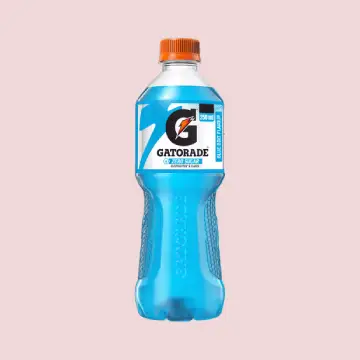
- Broad flavor range that goes far beyond the basics: Lemon-lime remains a staple.
You can also find glacier freeze fierce grape cooler lines and rotating specials.
- Multiple product tiers for different needs: Original Thirst Quencher Gatorade Zero Endurance Formula and Gatorlyte give options for sugar level and electrolyte density.
- Consistent sodium focus that matches heavy sweaters: The classic 20-ounce bottle lands near 270 mg sodium.
Many coaches still treat this number as the reference point.
- Ubiquitous availability across locations: Gas stations stadiums vending machines and grocery stores all stock it.
You rarely get stuck without a bottle.
- Decades of sports marketing and research association: Professional teams and college programs still use Gatorade.
This creates a psychological comfort factor for some athletes.
Pros Of Gatorade
- Instant recognition and trust built over generations of athletes: Handing a bottle to a new teammate requires no explanation. Expectations stay clear.
- Huge flavor catalog and specialized formulas: Zero-sugar days long endurance efforts or kids who only drink one specific color stay covered.
- Easy to find in nearly any location: Airports hotel vending machines and corner stores all carry it.
- Slightly higher sodium in the classic formula that some heavy sweaters prefer: White salt stains on clothes after workouts signal that extra sodium can matter.
Cons Of Gatorade
- Higher cost when purchased outside bulk channels: Single bottles or small packs at retail add up fast.
- Saltier taste profile that some people find overpowering after the first few sips: Teammates sometimes switch mid-session. The flavor starts to feel heavy.
- Same sugar and dye concerns as the rest of the category: The nutrition panel looks a lot like Kirkland’s. Nothing magical appears here.
- Marketing hype can create unrealistic expectations: It remains a solid sports drink. It is not a miracle performance potion.
Taste And Real-World Drinking Experience
I keep both in the fridge. I rotate them. Cold Kirkland fruit punch tastes nearly identical to Gatorade fruit punch.
The orange is bright and citrusy. It avoids an artificial aftertaste that lingers. Blue raspberry divides people.
Some call it fun. Others find it a little flat compared with Gatorade’s cooler or glacier lines.
Gatorade’s lemon-lime still owns a special place for me on hot outdoor days. The sharper tartness cuts through fatigue better than the milder Kirkland options.
After two or three bottles in a long tournament the lower salt perception of Kirkland becomes an advantage. The sticky mouth-coating feeling appears less quickly.
Mixability is not an issue for either. Both come ready to drink. Temperature matters more than brand. Both taste best ice-cold. Both lose appeal when they warm up.
Nutrition And Electrolyte Reality Check
For a standard 20-ounce serving the numbers sit close enough. Performance differences stay hard to measure in everyday use.
Calories hover around 140 to 150. Sugars sit in the mid-30-gram range. Sodium lands between 250 and 270 mg.
Potassium stays modest under 100 mg. Neither drink is a high-potassium solution. Serious potassium replacement still requires food or a different product.
Both use the classic 6-percent carbohydrate solution range. Research has long linked this range to good fluid absorption and energy delivery during exercise.
Neither is designed for all-day sipping at a desk. The sugar load makes sense during or immediately after hard efforts. It becomes unnecessary calories the rest of the time.
I treat them as tools for sessions that last longer than an hour. They also suit heat. Shorter workouts still favor plain water.
Price And Value Over A Season
This is where Kirkland pulls ahead for anyone who can buy in bulk. A 24-pack at Costco often costs less than many 12- or 18-packs of Gatorade at regular grocery stores.
Calculations for a high-school soccer team’s weekly practices showed clear savings. The Kirkland route covered extra ice and cups.
Gatorade still wins on convenience. One bottle is needed right now. Costco sits twenty minutes away.
When I Reach For Each One?
Kirkland is my default for home training team coolers and any situation where volume matters more than brand prestige.
Gatorade comes out for travel. It also appears when someone specifically asks for lemon-lime. The zero-sugar version fits a lower-calorie day.
Both hydrate better than water alone once sweat loss becomes significant. Neither replaces a balanced diet or proper recovery habits.
Ingredients Side By Side
The lists read almost the same. They include water sugar dextrose citric acid salt sodium citrate monopotassium phosphate natural flavors and various gums or colors depending on the flavor.
Gatorade sometimes lists glycerol ester of rosin. Kirkland uses ester gum or similar.
Artificial colors appear in both. Neither claims to be free of common allergens.
Neither uses organic ingredients. Clean-label priorities will likely push past both of these options.
Practical Tips From My Own Use
I chill both thoroughly. I drink them during the second half of longer sessions rather than at the start. I pair them with water.
Sole reliance on the sugar-sweetened version is avoided. For kids’ sports I portion the 20-ounce bottles into smaller cups. Sugar intake stays controlled.
I never leave either brand in a hot car. The plastic and the flavor both suffer.
Also Read: Is Leilo Kava Drink Worth It?
Frequently Asked Questions (FAQ)
No. The formulas are extremely similar. They are not the same product. They are not made by the same company.
Yes. It contains sodium and potassium at levels close to classic Gatorade.
Some locations have seen temporary shortages or talk of reformulation. The product has continued to appear in many warehouses. Check your local Costco.
Yes. Costco’s purified and bottled waters meet standard safety regulations. They are widely considered safe.
Final Thoughts
I started this comparison expecting bigger differences. What I found is two drinks that sit in the same performance lane.
They are separated mainly by price availability and slight taste nuances. Kirkland gives nearly the same hydration and energy package for less money if you shop at Costco.
Gatorade gives more flavor choices and the comfort of finding it anywhere.
You do not need to pick a lifelong loyalty. Keep Kirkland at home for the bulk of your training. Grab Gatorade when convenience or a specific flavor wins the day.
Your body will respond more to consistent fluid and electrolyte replacement than to the logo on the bottle.
Try both side by side on your next hard session. Let your own taste and budget make the final call. That is the only comparison that actually matters for you.
Recent Posts
● Interactive 5-Zone Interior & Exterior Paint Blueprint Paint Coverage Calculator: Gallons, Primer, Square Footage & Cost Tap any architectural surface zone on the blueprint...
If you want smooth, shiny hair without spending a fortune on a premium styling tool, the Ella Bella hair dryer may be worth considering.In these Ella Bella hair dryer reviews, I’ll look...