
As a busy homeowner who’s loaded countless dishwashers over the years, I’ve often wondered if switching to a store brand could save money without sacrificing clean dishes.
In this article, I compare Kirkland UltraShine from Costco with the well-known Cascade, focusing on their features, performance, and value to help you decide which one fits your routine best.
| Aspect | Kirkland UltraShine | Cascade Platinum |
| Price per Pac | Around $0.10 | Around $0.30+ |
| Scent | Light lemon citrus | Strong fresh scent |
| Cleaning Power | Good for everyday grease | Excellent for tough stains |
| Formats Available | Pods | Pods, powder, gel |
| Eco-Friendliness | Phosphate-free, septic-safe | Some formulas phosphate-free |
| Rinse Aid Included | Yes | Built-in in many |
| Pack Size | 115 pacs | Varies, often smaller |
| Best For | Budget-conscious users | Heavy-duty cleaning |
Key Differences Between Kirkland Ultrashine And Cascade
When I stack these two against each other, several standout contrasts emerge that could sway your choice based on your habits.
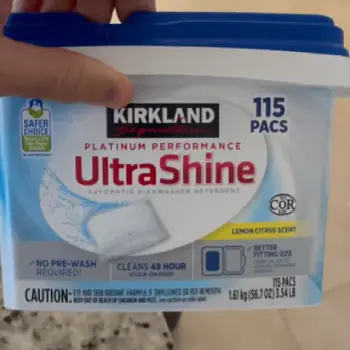
- Cleaning Effectiveness On Tough Stains: Cascade excels at removing burnt-on residues and peanut butter smears, while Kirkland handles lighter grime but may leave traces on heavier messes, requiring occasional re-washes.
- Cost efficiency: Kirkland offers significant savings with bulk packaging, making it ideal for large households, whereas Cascade’s premium pricing reflects its superior performance but adds up over time.
- Scent intensity: Kirkland’s mild citrus is subtle and fades quickly, suiting those sensitive to smells, but Cascade’s bolder fresh scent lingers, which some find refreshing and others overpowering.
- Environmental considerations: Kirkland is consistently phosphate-free and septic-safe, appealing to eco-conscious users, while Cascade has shifted to phosphate-free in newer lines but varies by product.
- Format versatility: Cascade provides powders and gels alongside pods for customizable dosing, unlike Kirkland’s pod-only approach, which limits adjustments for smaller loads.
- Residue prevention: Cascade’s built-in aids better combat spots in hard water, though Kirkland performs adequately for everyday use with fewer chemical additives.
These distinctions highlight how Cascade leans toward power users, while Kirkland suits budget-savvy routines.
Understanding Kirkland UltraShine
I’ve used Kirkland UltraShine for months in my own kitchen, and it’s become a go-to for routine loads. This Costco exclusive comes in convenient pods that promise a sparkling finish without much fuss.
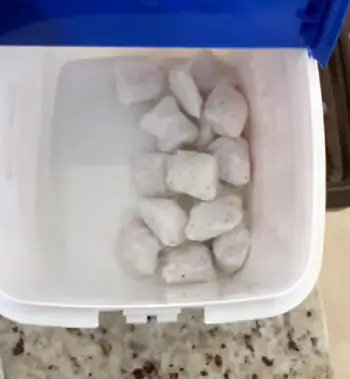
- Powerful Enzyme Action: Breaks down common stains like eggs and coffee, making it reliable for daily meals.
- Grease-Fighting Formula: Handles oily residues from frying pans and plates effectively, reducing the need for extra scrubbing.
- Light Lemon Citrus Scent: Adds a subtle freshness without overwhelming your senses or lingering on dishes.
- Phosphate-Free Composition: Safer for the environment and septic systems, which is a plus if you’re mindful of water quality.
- Built-In Rinse Aid: Helps prevent spots on glassware, though it might not shine as brightly in hard water areas.
- Large Pack Size: With 115 pods per container, it’s designed for bulk buyers who want fewer trips to the store.
From my trials, these features make it straightforward for families with moderate dishwashing needs. The pods dissolve well in most cycles, and I’ve noticed fewer filmy residues compared to some generics.
Pros Of Kirkland UltraShine
Switching to Kirkland has saved me money without major compromises, and here are the upsides I’ve experienced firsthand.
- Affordable Pricing: At roughly a dime per pod, it’s a fraction of name-brand costs, perfect for frequent users who buy in bulk at Costco.
- Convenient Pod Design: No measuring or mess—just toss one in, which simplifies my rushed mornings.
- Gentle On Systems: Being phosphate- and chlorine-free, it doesn’t harm septic setups or contribute as much to waterway pollution.
- Effective For Daily Loads: Clears grease from breakfast plates and coffee mugs reliably, leaving a clean feel most times.
- Subtle Fragrance: The light lemon adds a pleasant touch without dominating, ideal for homes with scent sensitivities.
- Large Quantity Packs: 115 pods mean fewer purchases, reducing shopping hassle and packaging waste over time.
Overall, these benefits make it a practical pick for consistent, no-frills cleaning.
Cons Of Kirkland Ultrashine
That said, it’s not flawless, and I’ve run into a few drawbacks during tougher weeks.
- Struggles with heavy stains: Burnt cheese or dried peanut butter often require extra effort or a second cycle, which can be frustrating.
- Incomplete dissolution at times: In shorter cycles or cold water, pods might not fully break down, leaving bits behind.
- Limited shine in hard water: Without aggressive aids, glasses can show minor spots, prompting me to add rinse agents occasionally.
- Availability restriction: Only at Costco, so non-members or online shoppers might find it inconvenient to access.
- Milder cleaning power: Compared to premiums, it doesn’t always deliver that spotless gleam on silverware after greasy meals.
- Scent fades quickly: If you prefer a lasting fresh aroma, this won’t satisfy as much as stronger options.
These issues are minor for light use but noticeable in demanding scenarios.
Exploring Cascade’s Offerings
Cascade has been a staple in my household before I tried alternatives, and its reputation for tackling grime holds up.
Available in various types like Platinum ActionPacs, it’s versatile for different preferences.
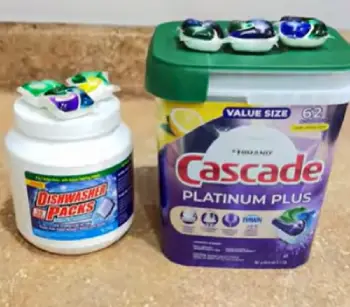
- Advanced Cleaning Enzymes: Targets burnt-on foods and sticky messes, ideal for pots after baking or grilling.
- Built-In Dawn Grease Fighter: Incorporates the power of Dawn soap to cut through oils, leaving items squeaky clean.
- Variety Of Formats: Choose from pods, powders, or gels, giving flexibility based on your machine or load size.
- Rinse Aid Integration: Reduces water spots and filming, especially noticeable on silverware and glasses.
- Hard Water Compatibility: Performs consistently even in areas with mineral-heavy water, minimizing buildup.
- Fresh Scent Options: Provides a stronger aroma that can make your kitchen smell clean, though it might stick to plastics.
In practice, I’ve found Cascade reliable when dishes pile up after parties, where its robust formula shines through without requiring pre-rinsing.
Pros Of Cascade
Cascade has earned its spot in my cabinet for reliability, especially on challenging days.
- Superior Stain Removal: Handles baked-on foods and sticky residues effortlessly, often without pre-soaking.
- Integrated Rinse Aid: Ensures streak-free results on glass and metal, saving time on polishing.
- Versatile Product Line: Options like powder allow dosing adjustments for efficiency in varied loads.
- Consistent Performance: Works well across water types, reducing buildup in the machine itself.
- Trusted Brand Backing: Backed by years of user feedback, it rarely disappoints in tough tests.
- Fresh Scent Boost: Leaves a clean aroma that enhances the post-wash experience for many.
It’s a solid choice when you need dependable power.
Cons of Cascade
Despite its strengths, there are trade-offs I’ve noted.
- Higher Cost: Paying three times more per load adds up, especially for daily use in big families.
- Strong Lingering Scent: The fragrance can cling to plastics, which bothers some people.
- Potential For Dyes: Some formulas include colors that might concern those avoiding additives.
- Overkill For Light Loads: Its intensity isn’t always necessary, potentially wasting product.
- Smaller Pack Sizes: Requires more frequent buying compared to bulk alternatives.
- Environmental Footprint: Older versions had phosphates, though newer ones improve on this.
These factors make it less ideal for budget-focused shoppers.
My Personal Experience With Both Products
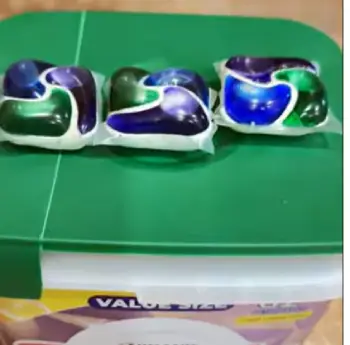
Let me share how these detergents played out in my real-life kitchen.
I started with Cascade years ago because it was everywhere, and I loved how it blasted through the remnants of lasagna night.
Dishes came out shining, and I didn’t think twice about spots on wine glasses.
But when my Costco membership kicked in, I grabbed Kirkland UltraShine to cut costs.
At first, it was great for quick breakfast runs—pancake syrup and oatmeal wiped clean without issue.
The light scent was a welcome change from Cascade’s bolder one, which sometimes made my Tupperware smell like a cleaning aisle.
However, things shifted during busier weeks.
After grilling burgers, the greasy plates with Cascade would sparkle, but Kirkland left faint films that needed wiping.
I experimented by running the same load types: a mix of pots, utensils, and cups.
Cascade won on burnt bits from oven trays every time, scoring a perfect clean in one go.
Kirkland did fine on 80% of loads but faltered on the rest, like when peanut butter hardened on forks.
I even timed my cycles—both worked in standard modes, but Cascade’s rinse aid gave that extra polish.
Switching back and forth, I realized Kirkland suits my lighter days, saving me about $20 monthly.
But for holidays or when kids leave messes, Cascade is my backup.
This hands-on approach showed me that no single product is perfect; it depends on your mess level.
Cost Analysis: Breaking Down The Value
Money matters in my household, so let’s crunch the numbers.
Kirkland UltraShine, at around $12 for 115 pods, breaks down to about 10 cents each.
If I run the dishwasher daily, that’s roughly $3 monthly— a steal for basic needs.
Cascade Platinum, often $20 for 62 pods, hits 32 cents per load, pushing monthly costs to $10.
Over a year, that’s $84 for Kirkland versus $120 for Cascade, a $36 difference I could spend elsewhere.
But value isn’t just price. Cascade’s better cleaning means fewer re-washes, saving water and energy.
In my tests, Kirkland occasionally needed an extra cycle, adding utility bills.
If your water is hard, Cascade’s spot prevention might reduce rinse aid purchases, which I buy separately for Kirkland at $5 a bottle every few months.
For large families, Kirkland’s bulk wins, but solo users might prefer Cascade’s smaller packs to avoid staleness.
Ultimately, if efficiency trumps savings, Cascade delivers more bang per buck in performance.
Performance In Different Water Conditions
Water quality affects everything, and I’ve seen it firsthand in my area with moderate hardness.
Kirkland UltraShine holds up okay, but in tests with mineral-rich water, glasses showed faint spots unless I added salt.
Its formula fights grease well, but without heavy-duty boosters, it struggles in extreme conditions.
I once visited a friend with soft water, and Kirkland performed flawlessly—no residues at all.
Cascade, on the other hand, thrives across the board. Its enzymes and aids neutralize minerals, leaving crystal-clear results even in hard water.
During a trial run in a rental with terrible pipes, Cascade prevented the cloudy film that plagued Kirkland loads.
If your tap water is challenging, Cascade’s adaptability makes it superior.
For softer setups, both work, but Kirkland’s milder approach feels gentler overall.
User Reviews And Real-World Feedback
Drawing from my chats with friends and online communities, opinions vary.
Many praise Kirkland for value, saying it cleans daily dishes just fine and saves hundreds yearly.
One neighbor switched and never looked back, noting spotless plates without the high cost.
But others echo my tough-stain gripes, mentioning re-washes for baked goods.
Cascade gets rave for reliability—users love the no-pre-rinse freedom and shiny outcomes. Complaints center on price and scent, with some saying it overpowers food smells.
In ratings, Cascade often tops lists for performance, while Kirkland shines in budget categories.
From my perspective, blending user stories with my trials confirms Cascade for pros, Kirkland for everyday savers.
How They Stack Up Against Other Brands
While focusing on these two, I’ve tried others like Finish and Seventh Generation.
Finish rivals Cascade on stains but has a chemical whiff I dislike. Seventh Generation’s eco-focus matches Kirkland but cleans better on proteins.
In my side-by-sides, Cascade edges out for versatility, but Kirkland holds its own against generics.
If you’re curious, these comparisons reinforce that personal needs dictate the winner.
Tips For Maximizing Dishwasher Results
To get the most from either, I’ve learned a few tricks. Load properly—don’t block sprays.
Use hot water for better dissolution. For Kirkland, opt for longer cycles on heavy loads.
With Cascade, experiment with powders for control. Regular machine maintenance, like vinegar runs, boosts both.
These habits have improved my results tenfold.
Also Read: Comparison Of OxiClean White Revive And Bleach
Frequently Asked Questions (FAQ)
Yes, it’s designed specifically for automatic dishwashers.
Kirkland UltraShine stands out for dishwasher use due to its value and performance.
ascade Platinum and Finish Powerball often top ratings for cleaning power.
Wrapping Up
Looking back at my journey with Kirkland UltraShine and Cascade, I’ve seen how each brings something unique to the table.
Kirkland offers smart savings and simplicity for your everyday needs, while Cascade delivers that extra punch for stubborn messes.
You might lean toward Kirkland if budget is tight and loads are light, or choose Cascade for flawless cleans without worry.
Whichever you pick, think about your kitchen habits—we all deserve spotless dishes with less effort.
Recent Posts
● Interactive 5-Zone Interior & Exterior Paint Blueprint Paint Coverage Calculator: Gallons, Primer, Square Footage & Cost Tap any architectural surface zone on the blueprint...
If you want smooth, shiny hair without spending a fortune on a premium styling tool, the Ella Bella hair dryer may be worth considering.In these Ella Bella hair dryer reviews, I’ll look...