
If you’re thinking about buying Klean-Strip Caulk Remover, I suggest reading real user experiences before spending your money.
I always prefer products that save time and make home improvement easier, but this one left me with mixed feelings.
While it promises to soften old caulk for easier removal, my experience—and many customer reviews—showed inconsistent performance.
In this review, I’ll explain what worked, what didn’t, and whether I believe it’s worth buying compared to better alternatives on the market.
My Personal Experience With Klean-Strip Caulk Remover
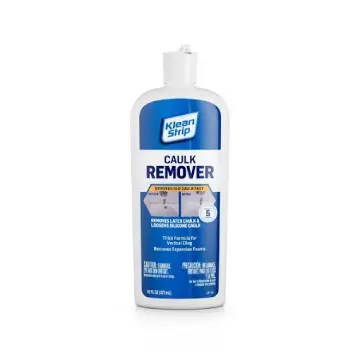
Whenever I replace old bathroom or kitchen caulk, I know the hardest part isn’t applying the new bead—it’s getting rid of the old one.
Over the years, I’ve used everything from utility knives and plastic scrapers to specialty caulk removers.
When I came across Klean-Strip Caulk Remover, I hoped it would make the process quicker and less frustrating.
The packaging promised to soften cured caulk, making removal easier without excessive scraping. That sounded exactly like what I needed.
I had an aging silicone bead around my bathtub that had started to discolor and develop mildew stains.
Rather than spending an hour scraping by hand, I expected this remover to loosen the sealant enough that I could peel it away with minimal effort.
Applying the product was simple. The gel consistency stayed where I applied it instead of immediately running down the vertical surface, which I appreciated.
I spread a generous amount along the entire bead and waited according to the directions.
After waiting, I grabbed my plastic scraper and started removing the caulk. Unfortunately, I didn’t notice the dramatic softening I had expected.
Some small sections became slightly easier to scrape, but most of the silicone remained firmly attached. Instead of peeling away in long strips, it continued breaking into tiny pieces that required repeated scraping.
Thinking I hadn’t used enough product, I applied another thicker coat and waited even longer. The second attempt produced slightly better results, but it still wasn’t close to effortless.
I found myself relying more on my scraper than on the chemical remover itself.
I decided to test it on an older acrylic latex caulk around a utility sink. Here, the performance improved somewhat. The product softened portions of the caulk enough that I could lift larger pieces.
Even then, stubborn spots remained attached to the surface, forcing me to scrape repeatedly.
One thing I noticed was that preparation mattered a lot. Any area with cracked or already-separated caulk came off relatively easily.
Areas where the caulk still had a strong bond barely responded to the remover.
Cleaning afterward was also more work than expected. The softened residue created a sticky mess that needed wiping before I could apply fresh caulk. That extra cleanup reduced the convenience I had hoped to gain.
After finishing both projects, I couldn’t honestly say the remover saved me much time. If anything, I spent additional time waiting for the product to work before returning to the same manual scraping I would have done anyway.
When I later looked through customer feedback online, I realised my experience wasn’t unusual. Some homeowners reported satisfactory results, particularly with older latex caulk, but many others described similar frustrations with silicone sealants.
The most common complaints involved inconsistent performance, multiple applications, and the need for heavy scraping despite using the remover exactly as instructed.
That doesn’t mean Klean-Strip Caulk Remover is completely useless. It can provide some assistance in certain situations, especially when the caulk has already begun separating from the surface. However, if you’re expecting it to dissolve years-old silicone caulk into easily removable strips, your expectations may not match reality.
For me, the product acted more like a small helper than a complete solution. Most of the hard work still came from my scraper, patience, and elbow grease rather than from the remover itself.
Pros Of Klean-Strip Caulk Remover
- Easy to Apply
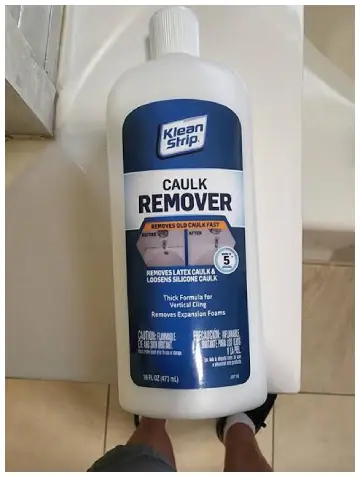
One feature I genuinely liked was the application process. The gel is thick enough to spread along a caulk line without immediately dripping everywhere.
This makes it easier to target the sealant instead of coating surrounding tile or countertops.
Because it stays in place reasonably well, I didn’t constantly worry about the product running into unwanted areas. That alone makes application less stressful than using thinner liquid removers.
- Less Aggressive Than Constant Scraping
Even though I wasn’t impressed by its overall effectiveness, I have to admit that the remover did reduce some scraping effort in a few places.
When the old caulk had already begun cracking or separating, the softened material lifted more easily than untreated sections. Instead of fighting every inch with a scraper, I could remove certain portions with noticeably less force.
For delicate surfaces, even a small reduction in scraping pressure can help minimise accidental scratches.
- Helpful on Some Latex-Based Caulk
During my testing, I found the product performed better on acrylic latex caulk than on fully cured silicone.
Although the improvement wasn’t dramatic, it softened enough material to make removal somewhat easier. If your home primarily has older latex caulk rather than silicone, your experience may be more positive than mine.
- Simple Instructions
I appreciate products that don’t require complicated preparation.
The directions are straightforward, making it accessible even if you’ve never replaced caulk before. You apply the gel, wait, scrape, and clean the surface before installing new caulk.
That simplicity removes some of the uncertainty beginners often feel when tackling their first bathroom or kitchen renovation.
- May Reduce Surface Damage
Aggressive scraping with metal tools can scratch tubs, tiles, and countertops.
In areas where the remover actually softened the caulk, I found myself using less force. While it didn’t eliminate scraping altogether, any reduction in pressure lowers the chance of damaging finished surfaces.
- Suitable for Small Repair Jobs
I found that Klean-Strip Caulk Remover is more practical for smaller projects than full bathroom renovations.
If you only need to remove a short section of deteriorated caulk around a sink or a window, the product can provide some assistance without requiring extensive preparation.
For small touch-up jobs, you may not expect perfection. In those situations, even partial softening can reduce the effort needed to finish the task.
However, I wouldn’t rely on it if I were planning to remove every bead of caulk from an entire shower enclosure.
Cons Of Klean-Strip Caulk Remover
- Inconsistent Results
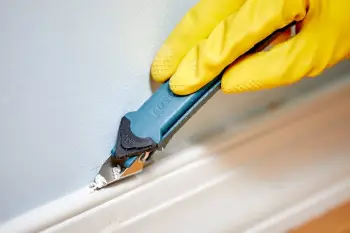
The biggest issue I experienced was inconsistency.
Some areas softened slightly, while others seemed almost untouched after following the directions.
I expected a more predictable performance, especially since I carefully cleaned the area beforehand and allowed sufficient waiting time.
That inconsistency makes it difficult to recommend with confidence because you never know exactly how well it will work on your particular project.
- Struggles with Silicone Caulk
Modern bathrooms commonly use silicone caulk because of its excellent water resistance.
Ironically, that’s where I found this remover struggled the most.
Even after two applications, much of the silicone remained firmly attached. Instead of peeling away cleanly, it continued breaking into small fragments that required extensive scraping.
Since silicone is one of the most common sealants homeowners replace, this limitation significantly reduces the product’s usefulness.
- Multiple Applications May Be Necessary
I rarely achieved acceptable results after a single application.
Several stubborn sections required another coat and additional waiting time. Every extra application slowed the project considerably.
Instead of finishing the repair in one session, I found myself repeatedly applying the remover, waiting, scraping, and repeating the process.
- Still Requires Significant Manual Scraping
The product never replaced manual labour.
I still depended heavily on scrapers and utility knives throughout the project. If you hope to apply the gel and simply peel away old caulk with your fingers, you’re likely to be disappointed.
Most of the work still comes from your own effort rather than the chemical itself.
- Messy Cleanup
Once the gel mixes with softened caulk, it creates a sticky residue.
Before applying fresh caulk, I had to carefully wipe and clean every surface to ensure proper adhesion. That cleanup stage added extra time that I hadn’t anticipated.
- Mixed Customer Reviews
One reason I hesitate to recommend this product is the large number of mixed and negative customer reviews.
While a minority of users report acceptable results, many describe experiences very similar to mine. Common complaints include weak softening ability, poor performance on silicone, repeated applications, and wasted time.
When a product generates this level of inconsistent feedback across different users, I think it’s worth considering alternative caulk removers before making a purchase.
Personally, I believe there are stronger-performing products available that offer more reliable results for both professionals and DIY homeowners.
Maintenance Tips For Removing Old Caulk
- Thoroughly Clean Every Surface
Removing the old caulk is only half the job.
Before applying new sealant, I always clean every surface thoroughly to remove old residue, soap scum, dust, oils, and leftover remover. A clean surface allows fresh caulk to bond much better.
If any residue remains behind, even the best-quality caulk can fail prematurely.
- Let the Area Dry Completely
Moisture is one of the biggest reasons new caulk fails.
After cleaning, I leave the area completely dry before installing fresh sealant. Around bathtubs and showers, I often wait overnight just to be safe.
Taking this extra time helps create a stronger, longer-lasting seal.
- Inspect for Hidden Damage
Old caulk often hides problems underneath.
Once the sealant is removed, I carefully inspect for mould, mildew, water damage, cracked grout, or deteriorated surfaces. Fixing these issues before applying new caulk prevents future repairs from becoming much larger and more expensive.
Ignoring hidden damage simply traps the problem beneath the new sealant.
- Use High-Quality Replacement Caulk
My experience has taught me that the replacement caulk matters just as much as the remover.
For bathrooms and kitchens, I usually choose a high-quality mould-resistant silicone designed specifically for wet environments. Spending slightly more on premium caulk often provides better durability and fewer maintenance issues over time.
- Apply Even Beads
When installing fresh caulk, I work slowly instead of rushing.
A consistent bead not only looks more professional but also creates a stronger waterproof barrier. Uneven application often leads to weak spots where moisture can eventually penetrate.
Using steady pressure on the caulk gun makes a noticeable difference in the final result.
- Clean Caulk Regularly
Even high-quality caulk can become stained if it’s ignored.
I clean bathroom and kitchen caulk every few weeks using a gentle cleaner and a soft cloth or sponge. This removes soap residue, grease, and mildew before they become permanent stains.
Regular cleaning keeps the seal looking fresh while making it easier to spot any small problems before they become major repairs.
- Check for Small Cracks
Every few months, I inspect the caulk lines around sinks, showers, tubs, and countertops.
Tiny cracks may not seem important, but they can allow water to reach the surface underneath. Catching these early means I can repair a small section instead of replacing an entire bead later.
This simple habit saves both time and money in the long run.
Comparison Of Klean-Strip Caulk Remover With Other Brands
- Klean-Strip vs. Goo Gone Caulk Remover
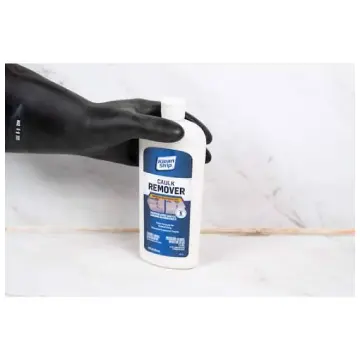
After trying different products, I found Goo Gone’s caulk remover to provide more consistent softening on a wider variety of sealants.
While it still requires scraping, I noticed it generally loosened stubborn caulk more effectively than Klean-Strip.
Klean-Strip may appeal because of its lower price, but Goo Gone often saves time by reducing repeated applications.
- Klean-Strip vs. DAP Caulk Remover
DAP has earned a solid reputation among many DIY homeowners because its remover tends to perform more consistently on common household caulks.
In my experience, DAP products usually require less repeated treatment. While neither product completely eliminates manual scraping, DAP generally made the removal process feel less frustrating.
- Klean-Strip vs. Motsenbocker’s Lift Off
Motsenbocker’s Lift Off products are often chosen by homeowners looking for a more dependable remover.
I found that Lift Off worked more predictably on older caulk and reduced the amount of scraping needed in many situations. It still isn’t perfect, but it gave me more confidence when tackling larger projects.
- Klean-Strip vs. Manual Removal
Surprisingly, there were times when careful manual removal with a quality scraper and utility knife felt almost as effective as using Klean-Strip.
Since I still had to scrape extensively after applying the remover, I questioned whether the extra waiting time was worthwhile. For small repairs, using the proper tools alone may be just as efficient.
Frequently Asked Questions (FAQ)
It can work on some types of old caulk, especially latex-based products, but many users find it inconsistent and less effective on cured silicone.
Many DIY users and professionals prefer alternatives such as Goo Gone or DAP because they often provide more consistent results than Klean-Strip.
Professionals usually combine a sharp utility knife, a dedicated caulk removal tool, a scraper, and, when necessary, a quality chemical remover to make the job easier.
Yes, but effectiveness varies by product and the type of caulk being removed. Even the best removers typically require manual scraping to completely remove old sealant.
Final Verdict
After using Klean-Strip Caulk Remover myself and comparing my experience with numerous customer reviews, I can’t confidently recommend it.
It isn’t completely ineffective, but it simply doesn’t deliver the reliable performance I expect from a caulk remover.
It worked slightly better on older latex caulk than on silicone, yet I still spent most of my time scraping by hand.
If you’re looking for a dependable product that consistently softens stubborn caulk, I believe your money is better spent on a more proven alternative.
Recent Posts
I tried Meltoway Hair Dissolving Cream because I wanted a quick way to deal with unwanted body hair without reaching for a razor every few days. If you are looking for a convenient at-home...
If you’re considering a saffron-based supplement to support mood, appetite control, and everyday wellness, Happy Saffron Plus is worth considering.I like that it takes a familiar botanical...