
I spent months researching. I installed. I lived with both Kohler and Glacier Bay toilets in different bathrooms.
My goal is to give you a clear side-by-side breakdown of performance. Build. Cost. Long-term value. You can pick the right one for your home without regret.
| Feature | Kohler | Glacier Bay |
| Typical Price Range | $150–$600+ | $100–$250 |
| Flush Technology | Class Five. AquaPiston. Gravity or pressure-assist options | Gravity. Dual-flush 1.1/1.6 GPF. Some power-flush models |
| Water Use | Mostly 1.28 GPF or lower. WaterSense | 1.28 GPF or dual-flush 1.1/1.6 GPF. WaterSense |
| Bowl Options | Round. Elongated. Comfort height. One-piece and two-piece | Round. Elongated. Some comfort height. Mostly two-piece |
| Warranty | Lifetime on vitreous china. 1–10 years on parts depending on model | Limited lifetime on china. Shorter on internals often 1–5 years |
| Availability | Wide across Home Depot. Lowe’s. Specialty stores | Home Depot exclusive |
| Design Range | Extensive styles and finishes | Basic functional styles |
| MaP Flush Scores | Many models reach 1000 grams | Several models also reach 1000 grams |
Key Differences Between The Kohler And Glacier Bay Toilets

- Price point targets different buyers: Kohler sits in the mid-to-premium range for homeowners seeking lasting quality.
Glacier Bay focuses on pure budget needs for rentals or quick replacements. The gap appears less in day-one flush power.
It shows more clearly in how the toilet feels after three years of daily household use.
- Build materials create different weight: Kohler china tends to feel denser during handling. Internal parts receive more refined engineering for smoother operation.
Glacier Bay units are lighter overall.
Some owners report the tank and bowl feel less substantial when lifting them into place during installation.
- Flush consistency changes over time: Both clear solid waste well on paper according to lab scores.
In real homes I tracked Kohler maintained quieter cleaner bowl wash-down for longer periods.
Glacier Bay sometimes needed a second flush sooner once the flapper or fill valve began to age with regular use.
- Style selection differs widely: Kohler offers skirted traps that hide plumbing lines. Modern one-piece silhouettes create a cleaner look.
Specialty colors expand matching options. Glacier Bay sticks to classic white two-piece shapes. These blend into most bathrooms without drawing extra attention.
- Parts support varies by brand: Kohler parts are stocked widely at multiple retailers. Glacier Bay internals are often generic in design.
They remain easy to find at Home Depot stores. Model-to-model variation can make exact matches harder to locate years after the original purchase.
- Warranty coverage has practical limits: China coverage is similar on both brands for manufacturing defects.
Kohler provides longer parts coverage on many of its lines. This arrangement gives more peace of mind if a fill valve fails after year four of ownership.
Key Features Of Kohler Toilets

- Advanced flush engines deliver power: Class Five and AquaPiston systems create a strong siphon action with less water volume.
I watched these clear heavy loads in one flush more consistently than basic gravity models during repeated testing.
- Comfort height improves daily use: Most popular lines sit higher from the floor than standard models.
Elongated bowls add extra length for better support. This combination makes sitting and standing easier for taller adults. People with mobility limits notice the difference every day.
- Skirted designs simplify cleaning: These hide the trapway completely under a smooth surface.
Dirt-catching surfaces around the base are reduced significantly. Cleaning the area takes less time compared with traditional two-piece units that leave gaps.
- Quiet operation reduces disruption: Many models map noise levels during the development process.
The resulting flush becomes less disruptive in rooms with shared walls. Night-time use stays quieter for households with light sleepers.
- WaterSense certification covers the line: You get measurable water savings on every flush cycle.
First-flush success rates stay high across the majority of available models without needing extra effort.
Pros Of Kohler Toilets
- Long-term reliability stands out: Denser china resists chips and wear from normal use. Better-engineered valves reduce the chance of slow leaks over time. Running toilets appear less often after the first few years of ownership. Homes I tracked kept their original internals working longer than expected.
- Everyday flush feels stronger: Even at the efficient 1.28 GPF rate the water action cleans the bowl walls thoroughly. Residue left behind decreases. The need for wiping between scheduled cleanings drops noticeably in daily life.
- Design choices cover more styles: Traditional looks remain available for classic bathrooms. Sleek modern one-piece options exist for updated spaces. Kohler matches a wider range of bathroom designs without forcing compromises.
- Resale perception improves: Buyers walking through a home notice a recognizable Kohler logo on the tank. Higher overall quality is often assumed from the brand presence alone.
- Parts support stays consistent: Replacement seats match the original model dimensions closely. Trip levers and fill valves remain available through multiple channels years after the purchase date.
Cons Of Kohler Toilets
- Upfront cost runs higher: Entry models start above most pure budget options on the market. Popular comfort-height elongated units often land in the $250 to $400 range before tax.
- Heavier units complicate installs: One-piece models require more physical effort to lift into place. Skirted versions need careful handling to avoid damage. Solo installers struggle more with positioning and leveling.
- Some flushes create more noise: Pressure-assist models produce a louder sound during the cycle. High-performance gravity versions can disturb quiet spaces if the bathroom shares a wall with a bedroom.
- Genuine parts cost more: Replacements needed outside the warranty period run higher than generic store brands. Budget-minded repairs become less common as a result.
Key Features Of Glacier Bay Toilets
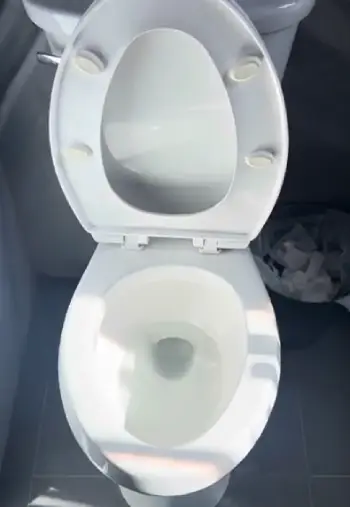
- Dual-flush buttons save water: Light flush handles liquid waste with reduced volume. Full flush manages solid waste when needed.
In my testing the 1.1 GPF setting worked fine for most daily needs without requiring a second attempt.
- Included seat cuts extra costs: Soft-close seats arrive already in the box with the toilet.
Basic installation kits containing bolts and washers are included as well.
This arrangement removes the need for an extra trip to the store before starting work.
- Power-flush variants punch above price: Certain models use assisted systems that increase force.
Solid-waste removal improves beyond what the low cost suggests. Independent lab tests give these versions strong marks for clearing capacity.
- Compact footprints fit tight spaces: Round-front options shorten the overall length of the unit.
Powder rooms and smaller bathrooms gain usable floor space. The design avoids making the area feel cramped after installation.
- Straightforward installation helps beginners: Two-piece designs are lighter to maneuver into position.
First-time DIYers can level the base and connect the supply line with less physical struggle than heavier alternatives.
Pros Of Glacier Bay Toilets
- Purchase price stays lowest: Entire houses with multiple bathrooms can be outfitted at once. Rental units end up costing roughly half compared with similar Kohler models of equal size.
- Flush scores surprise for the price: Several dual-flush versions reach the maximum 1000-gram MaP mark in testing. Power-flush models match the waste removal of far pricier toilets on pure clearing power.
- Local availability simplifies returns: Everything needed sits on the shelves at Home Depot. Replacement parts are available in the same location. Defective units can be returned the same day without shipping delays.
- Dual-flush options lower water bills: Households that consistently use the light flush setting see real drops in monthly usage. The savings add up over a full year of regular operation.
- Light-to-moderate use holds up: Guest bathrooms perform without major drama for extended periods. Low-traffic homes keep the units working reliably for several years before any attention is required.
Cons Of Glacier Bay Toilets
- Quality control varies by unit: Some tanks arrive with hairline cracks visible upon unboxing. Seats can wobble or fail to stay upright. Returns are simple at the store yet the extra trip remains an annoyance for most buyers.
- Internals age faster: Fill valves often need replacement sooner than expected. Flappers wear out earlier under normal water conditions. Continuous running becomes a common early complaint among owners.
- Aesthetic options stay limited: Most units look like standard builder-grade toilets found in basic construction. Design-focused bathrooms find the selection of shapes and details quite narrow.
- Construction feels lighter: China lacks the density of premium alternatives. Hardware can feel less solid when a person sits down. Cleaning around the base often reveals the difference in material thickness.
Warranty friction appears on parts: Non-china components require more effort to get covered under the policy. Back-and-forth communication increases compared with the process at national brands.
Everyday Performance And Real-User Experience
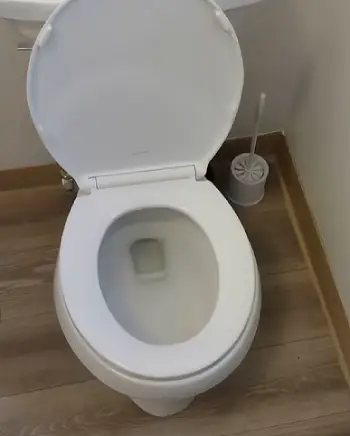
When I installed a Kohler Highline in a main bathroom, the difference showed up right away.
The flush felt decisive, the bowl stayed cleaner between cleanings, and the comfort height made the space more usable for everyone in the house.
In a guest bathroom I put a Glacier Bay dual-flush model. It handled weekend visitors without drama and cost less than half as much.
Both have been reliable so far, but the Kohler still looks newer after the same amount of time.
Water savings matter more than most people expect. Switching from an older 3.5-gallon toilet to either brand’s 1.28 GPF or dual-flush version can cut hundreds of gallons per year for a family of four.
The dual-flush button on Glacier Bay models gives an extra layer of control that some households appreciate.
Noise levels vary by model rather than brand alone. Gravity-fed Kohler units stay quieter than pressure-assist versions.
Glacier Bay dual-flush models produce a short, sharp sound that is noticeable but not excessive.
Installation Considerations
Both brands use standard 12-inch rough-in measurements for most models, so they fit the majority of existing setups.
Kohler one-piece toilets are heavier and benefit from two people during placement. Glacier Bay two-piece units are lighter and more forgiving for solo DIY work.
Always check the supply-line location and floor flange condition before buying; neither brand can fix a bad rough-in.
Wax rings and closet bolts come with many Glacier Bay packages. With Kohler you may need to buy those separately unless you choose a complete kit. Taking an extra ten minutes to level the toilet and tighten bolts evenly prevents rocking and future leaks with either brand.
Longevity And Maintenance
Kohler’s reputation for lasting fifteen to twenty years with basic care is well earned when the water is not extremely hard.
Glacier Bay units can reach similar timelines if the fill valve and flapper are replaced as needed.
Keeping a spare Fluidmaster-style fill valve on hand makes sense for any Glacier Bay installation because those parts are inexpensive and widely available.
Hard water affects both brands. A simple filter or periodic vinegar rinse of the bowl and jets keeps performance steady. Avoid abrasive cleaners on either glaze; a soft brush and mild cleaner preserve the surface longer.
Which One Should You Choose?
If the bathroom sees daily heavy use and you plan to stay in the house for years, Kohler is the safer long-term pick. The extra cost buys consistent performance and fewer surprises.
If you are outfitting a rental, finishing a basement on a tight budget, or simply need a reliable toilet that works today, Glacier Bay delivers solid results without the premium price.
Look at your water pressure, the age of the plumbing, and how many people use the bathroom each day.
Those factors matter more than brand loyalty. Measure the rough-in, decide on elongated versus round, and choose comfort height if adults will use it most of the time. Both brands offer models that meet those basic needs.
Also Read: Is American Standard Mainstream Toilet Worth It?
Frequently Asked Questions (FAQ)
Kohler generally offers higher consistency, better design options, and longer-lasting components, making it the stronger brand overall for most homeowners.
Yes for the price. They flush well and hold up under normal use, though internal parts may need replacement sooner than premium models.
Consumer Reports rates multiple models highly; several Kohler and Glacier Bay units rank near the top depending on the year and specific tests for flush power and bowl cleaning.
Glacier Bay is a private-label brand produced by various contract manufacturers, including companies such as Foremost Group, under Home Depot’s specifications.
Final Thoughts
After looking at both sides, I still reach for Kohler when the budget allows and the bathroom is a primary space. You get a product that feels finished and stays that way longer. Yet I have no problem recommending Glacier Bay when cost is the deciding factor. You will get a toilet that works, saves water, and leaves money for other upgrades. Measure twice, match the rough-in, and pick the model that fits how you actually live. Either choice will serve you better than an aging, inefficient toilet that wastes water and requires constant attention.
Recent Posts
I tried Meltoway Hair Dissolving Cream because I wanted a quick way to deal with unwanted body hair without reaching for a razor every few days. If you are looking for a convenient at-home...
If you’re considering a saffron-based supplement to support mood, appetite control, and everyday wellness, Happy Saffron Plus is worth considering.I like that it takes a familiar botanical...