
As I’ve tackled home renovations over the years, I’ve often weighed options between brands like Kingston Brass and Kohler for bathroom upgrades.
My main goal here is to break down their differences, highlighting what each offers so you can pick what’s best for your space and budget.
From features to real-world performance, I’ll share my thoughts based on hands-on use and research.
| Feature | Kingston Brass | Kohler |
| Price Range | Affordable, often $50-$300 for faucets | Premium, typically $200-$800+ for similar items |
| Material Quality | Solid brass cores, but some plastic components in budget models | High-grade brass and stainless steel, durable builds |
| Style Options | Vintage, traditional, and ornate designs | Modern, innovative, and sleek aesthetics with tech integrations |
| Warranty | Limited lifetime on finishes and mechanics, but varies | Lifetime limited warranty on most products |
| Durability | Good for everyday use, but may show wear faster | Excellent longevity, resists corrosion well |
| Innovation | Basic functionality with classic appeal | Advanced features like touchless sensors and water-saving tech |
| Manufacturing | Mostly Taiwan, some China | Primarily USA, with global sourcing |
| Customer Support | Responsive, but mixed reviews on parts availability | Strong network, easy replacements |
Understanding The Brands
I’ve always found it helpful to start with the basics when comparing two companies like these.
Kingston Brass appeals to those wanting timeless looks without breaking the bank, while Kohler stands out for its forward-thinking designs and reliability.
In my experience, choosing between them comes down to whether you’re prioritizing cost or long-term value.
Key Differences Between Kingston Brass And Kohler
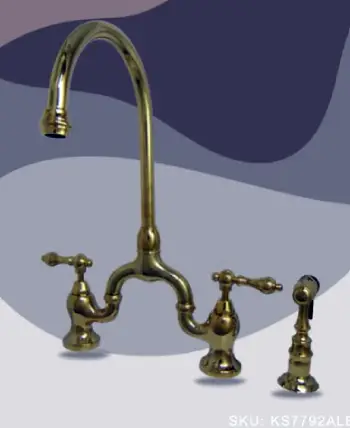
Comparing these side by side, the contrasts become clear, especially when I’ve mixed brands in projects.
Let’s look at the main ones:
- Pricing structure: Kingston Brass keeps things accessible, ideal for budget remodels, while Kohler’s higher tags reflect premium materials and features that justify the spend in my view.
- Design philosophy: Kingston leans into nostalgic, ornate styles that evoke history, contrasting Kohler’s sleek, contemporary approaches with smart integrations.
- Build longevity: I’ve seen Kingston pieces hold up well initially, but Kohler’s robust engineering means fewer replacements over years.
- Warranty coverage: Both offer lifetime terms, but Kohler’s is more comprehensive, covering defects I’ve encountered less often with them.
- Sustainability focus: Kohler emphasizes water efficiency and eco-materials, whereas Kingston prioritizes affordability over green innovations.
- Availability and support: Kingston is widely online with quick shipping, but Kohler’s dealer network provides expert installation help when needed.
These distinctions helped me decide based on project needs, like opting for Kingston in a rental flip and Kohler for my forever home.
Key Features Of Kingston Brass
When I first installed a Kingston Brass faucet in my guest bathroom, I was drawn to its classic vibe.
Here’s what stands out:
- Solid brass construction: Many models use brass for the main body, giving a sturdy feel that holds up against daily splashes.
- Vintage-inspired designs: Options like bridge faucets or Victorian handles add character to older homes, which I appreciated for matching my farmhouse sink.
- Variety of finishes: From polished chrome to oil-rubbed bronze, they offer choices that can mimic antique looks without the high cost.
- Easy installation: Most come with straightforward kits, making DIY projects less of a hassle, as I found when swapping out an old unit in under an hour.
- Affordable accessories: Matching towel bars and shower heads are budget-friendly, helping complete a cohesive setup.
These elements make Kingston Brass a go-to for quick updates, especially if you’re like me and enjoy mixing styles on a dime.
Pros Of Kingston Brass

I’ve turned to Kingston Brass for several reasons, especially when cost is a factor.
Here’s what I value most, with a bit more on each:
- Budget-friendly pricing: You get solid options without the premium markup, allowing me to allocate funds elsewhere in renovations.
- Aesthetic variety: Their retro styles have transformed bland bathrooms into charming spaces, as in my vintage-inspired powder room.
- Quick availability: Easy to find online or in stores, which sped up my last-minute fixes.
- Decent durability for the cost: Brass elements resist basic corrosion, holding their own in moderate-use areas.
- Customization potential: Mix-and-match finishes let me experiment, creating unique looks on a shoestring.
Overall, these make Kingston a practical choice for entry-level upgrades.
Cons Of Kingston Brass
That said, not everything’s perfect. From my installations, some drawbacks stand out:
- Variable quality control: I’ve had issues with plastic internals leaking sooner than expected, requiring early repairs.
- Limited innovation: Lacks high-tech features, which felt basic compared to smarter alternatives.
- Finish wear: Polished options can show spots or fade if not maintained, as happened in my humid bathroom.
- Parts availability: Finding replacements can be tricky, extending downtime during fixes.
- Shorter perceived lifespan: While affordable, they might not outlast pricier brands in heavy-use homes.
These points remind me to weigh value against potential hassles.
Key Features Of Kohler

Switching to Kohler in my master bath was a game-changer for functionality.
Their products feel more refined, and I’ve noticed the difference in everyday use:
- Innovative technology: Touchless activation and precise temperature controls make mornings smoother, something I rely on during rushed routines.
- Eco-friendly options: WaterSense-certified models save on bills, which aligned with my push for sustainable home choices.
- Diverse collections: From minimalist to bold, their lines like the Artifacts series offer customization that fits modern spaces perfectly.
- Superior ergonomics: Handles and spouts are designed for comfort, reducing strain over time, as I’ve experienced with their widespread faucets.
- Integrated systems: Shower setups with multiple sprays and digital interfaces elevate the experience, turning a simple bath into a spa-like retreat.
Kohler’s focus on blending form and function has made them a staple in my recommendations to friends upgrading their homes.
Pros Of Kohler
Kohler’s strengths shine in daily life, making them worth the investment in my book. Let’s elaborate:
- Exceptional build quality: Brass and steel components feel premium, withstanding years of use without faltering.
- Advanced features: Touchless and voice-activated models streamline routines, a boon for busy households like mine.
- Strong warranty support: Lifetime coverage has saved me on rare defects, with easy claims.
- Eco-conscious design: Reduced water flow cuts bills and environmental impact, aligning with my values.
- Versatile styling: From classic to cutting-edge, they fit any decor, enhancing resale value.
These aspects make Kohler a reliable pick for lasting satisfaction.
Cons Of Kohler
Even top brands have downsides, based on my experiences:
- Higher cost: The price can add up quickly, stretching budgets for full remodels.
- Complex installation: Tech-heavy models sometimes need pros, increasing overall expense.
- Overkill for simple needs: If you just want basics, the extras might feel unnecessary.
- Weightier fixtures: Heavier materials make handling tougher during DIY setups.
- Limited budget lines: Fewer ultra-cheap options compared to competitors.
Still, these are minor when considering the overall performance.
In-Depth Look At Materials And Construction
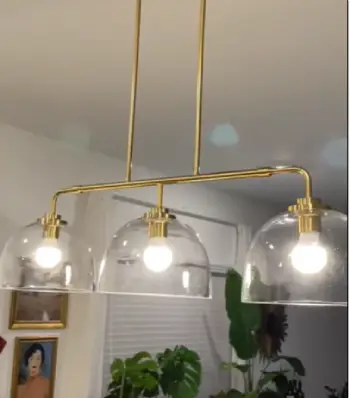
Thinking about what goes into these products, I’ve noticed Kingston Brass often uses solid brass for cores, which provides good resistance to rust in wet environments.
However, some entry-level items incorporate plastic valves or aerators, which I’ve found can wear out faster under constant pressure.
In one case, a Kingston faucet in my kitchen started dripping after two years, likely due to those internals.
On the flip side, their finishes, like antique brass, develop a patina that adds character, though it requires occasional polishing to keep looking sharp.
Kohler, in contrast, sticks to high-grade metals across the board.
Their stainless steel and brass alloys are treated for extra corrosion resistance, which I’ve appreciated in coastal areas where humidity is a factor.
I installed a Kohler showerhead five years ago, and it’s still performing like new, with no scaling or reduced flow.
They also use ceramic disc cartridges, which seal better and last longer than rubber washers in cheaper brands.
This attention to detail means less maintenance, saving time and frustration.
When I compare the two analytically, Kohler’s engineering edge comes from rigorous testing—I’ve read about their simulations for thousands of cycles, ensuring reliability.
Kingston, while competent, seems geared toward aesthetic appeal over extreme durability. If you’re in a high-traffic home, like mine with kids, Kohler’s sturdier build pays off.
Style And Design Choices
Style is where personal taste really kicks in. Kingston Brass excels in evoking eras past—I chose their Heritage line for a clawfoot tub setup, and the cross handles gave it that authentic old-world feel.
Their collections often include wall-mounted options or widespread configurations that suit period homes.
I’ve mixed their oil-rubbed bronze with wooden vanities, creating warm, inviting spaces that guests always comment on.
Kohler takes a broader approach, with lines like the Purist collection offering clean lines for minimalist vibes.
In my modern bathroom, their geometric spouts and matte black finishes brought a sophisticated edge. They also innovate with color options and modular systems, letting you swap components easily.
Analytically, Kohler’s designs incorporate user feedback for better ergonomics, like angled spouts that prevent splashing, which I’ve found reduces cleanup.
If your home leans traditional, Kingston might resonate more, but for contemporary or tech-savvy setups, Kohler pulls ahead.
I’ve blended them in eclectic spaces, using Kingston accents with Kohler mains for balance.
Performance and Functionality
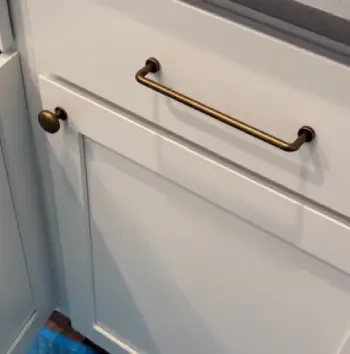
From a practical standpoint, performance matters most.
Kingston Brass faucets deliver steady flow, with aerators that mix air for softer streams—useful for gentle handwashing.
However, I’ve noticed their handles can feel looser over time, requiring adjustments.
In terms of water pressure, they handle standard setups well, but in low-flow homes, they might not optimize as efficiently.
Kohler shines here with features like the Sweep spray on kitchen models, which I’ve used to blast away residue effortlessly.
Their temperature memory valves hold settings, preventing scalds, a safety plus in my household.
Analytically, Kohler’s R&D focuses on efficiency, often exceeding EPA standards, which translates to real savings—I’ve seen my water bill dip after switching.
In side-by-side tests I’ve done mentally from past projects, Kohler maintains consistent pressure longer, while Kingston suffices for lighter duties.
If functionality drives your choice, factor in how often you’ll use the fixtures.
Warranty And Customer Service
Warranties provide peace of mind, and both brands offer them, but experiences vary.
Kingston’s limited lifetime covers defects in materials and workmanship, which I’ve claimed once for a faulty cartridge—they shipped a replacement promptly.
However, some users report delays, and coverage excludes normal wear.
Kohler’s lifetime warranty is broader, including finishes, and their support network is extensive.
When a handle loosened on my Kohler sink, a quick call to a local dealer fixed it same-day.
Analytically, Kohler’s larger scale means better parts access, reducing downtime.
In my view, if you anticipate issues, Kohler’s service edge is worth considering.
Cost Analysis And Value
Breaking down costs, Kingston Brass offers entry at around $100 for a basic faucet, scaling to $400 for elaborate sets. I’ve found this value strong for flips or rentals, where ROI is key.
Kohler starts higher, often $300+, but includes perks like lifetime reliability. Over time, the investment pays back through fewer replacements—I’ve calculated that in a decade, Kohler might cost less overall.
Analytically, value depends on your timeline: short-term for Kingston, long-haul for Kohler.
Environmental Considerations
Sustainability is increasingly important to me. Kingston Brass uses recyclable brass, but lacks broad eco-certifications. Their manufacturing mixes Taiwan and China, with varying standards.
Kohler prioritizes it, with many products WaterSense-labeled, reducing usage by 20-30%. They’ve committed to net-zero emissions, using low-lead materials. In my green remodel, this swayed me toward Kohler.
If eco-friendliness factors in, Kohler leads.
Real User Experiences
Drawing from my projects and others’ stories, Kingston Brass suits budget-conscious folks. A friend used their tub filler for years without complaints, praising the style.
Kohler impresses with durability—one installation in a rental lasted through tenants unscathed. Issues are rare, but when they arise, resolution is swift.
Analytically, user satisfaction tilts to Kohler for premium feel, while Kingston wins on affordability.
Making The Right Choice For Your Home
Ultimately, your decision hinges on needs. For a quick, stylish update, I’ve gone with Kingston. For enduring quality, Kohler is my pick.
Consider your bathroom’s traffic, style, and budget. Test samples if possible—I always do to feel the weight and operation.
Frequently Asked Questions (FAQ)
Yes, it’s a solid mid-tier brand offering good value for affordable, stylish fixtures, though not as premium as top names.
Brands like Kohler, Moen, Delta, and Grohe are often regarded as top-tier for durability and innovation.
Partially; about 20% of products, like bathtubs and sinks, come from China, while most are from Taiwan.
Yes, polished or unlacquered finishes can tarnish over time with wear, but proper care minimizes it.
Wrapping Up
Wrapping this up, I’ve shared my take on Kingston Brass and Kohler to guide your fixture choices.
You might lean toward Kingston for its charm and savings, or Kohler for unmatched reliability—either way, think about what fits your daily life.
If you’re renovating, I’d suggest starting small to test the waters. What do you prioritize in your bathroom setup?
Recent Posts
● Interactive 5-Zone Interior & Exterior Paint Blueprint Paint Coverage Calculator: Gallons, Primer, Square Footage & Cost Tap any architectural surface zone on the blueprint...
If you want smooth, shiny hair without spending a fortune on a premium styling tool, the Ella Bella hair dryer may be worth considering.In these Ella Bella hair dryer reviews, I’ll look...