
I have spent countless weekends tackling DIY projects around the house, from refreshing old patio furniture to giving plastic garden pots a fresh look. When it comes to spray paints, I often find myself standing in the aisle comparing options, and Krylon COLORmaxx versus Krylon Fusion always sparks debate in my mind.The main intent of this article is to share my real-user experiences and analytical breakdown so you can decide which one suits your next project better, based on key features like adhesion, durability, ease of use, and surface compatibility.I will walk through pros, cons, maintenance, and more in a straightforward way that feels like chatting with a fellow DIY enthusiast.
A Brief Comparison Table
| Feature | Krylon COLORmaxx | Krylon Fusion |
| Type | Paint + Primer in one | All-In-One with superior bonding |
| Best For | Metal, wood, wicker, glass, fabric, masonry | Plastic, PVC, laminate, metal, wood, ceramic |
| Adhesion | Good with built-in primer | 5X stronger adhesion, no sanding or priming needed |
| Drying Time | Dries to touch in 10 minutes or less | Dries to touch in 20 minutes, handle in 1 hour |
| Rust Protection | Added rust protection for metal | Strong rust protection |
| Plastic Performance | Works but may need prep for best results | Excellent, fuses directly to most plastics |
| Sheens & Colors | Wide range of brilliant, on-trend colors and sheens | Multiple finishes including hammered, metallic, textured |
| Coverage | Premium coverage, smooth application | Good coverage with strong durability |
| Clear Coat | Designed as standalone, avoid most clears | No clear required for UV stability |
My Experience With Krylon Colormaxx
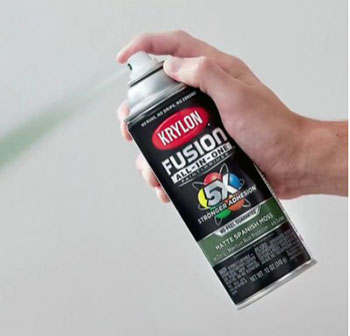
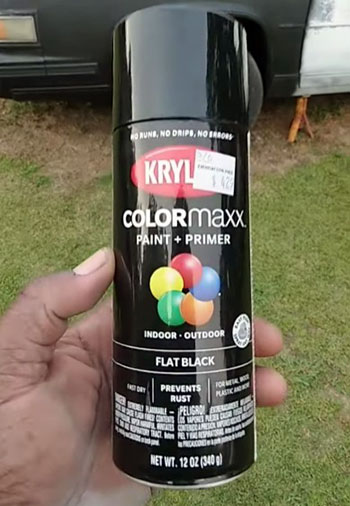
I first grabbed a can of Krylon COLORmaxx when I wanted to update my faded black metal outdoor table and chairs. The big button tip made spraying from awkward angles simple, and the paint + primer combo meant I could skip extra steps on a busy Saturday.
The color went on smoothly with minimal drips, drying fast enough that I finished the set in one afternoon.
After a full season outside, the finish still looks sharp with only minor scuffs from heavy use, proving its durability in real weather conditions.
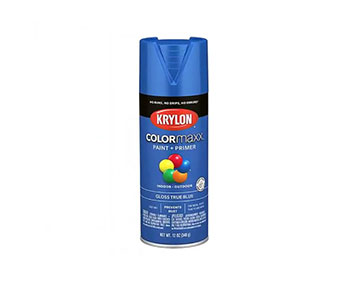
On another project, I used a bright satin blue on wooden planters and wicker baskets. The vibrant pigment popped beautifully, and adhesion held even when I accidentally left them in direct sun.
I did notice that on very glossy plastic pots, a light sanding helped, but overall the results impressed me enough to keep COLORmaxx as a go-to for mixed-material refreshes.
The rust protection feature came through when I painted some old garden tools that had started to corrode. Months later, no new rust appeared, giving me peace of mind.
Cleanup was straightforward with soap and water, and the low odor let me work comfortably in my garage without opening all the doors.
One small hiccup occurred when I tried adding a clear coat too soon, causing slight wrinkling, but since then I treat it as a standalone finish and have had zero issues.
Color selection feels generous, letting me match existing decor or try trendy hues without compromise.
For indoor picture frames and small furniture accents, the quick dry time kept my workflow moving without dust settling into wet paint.
I have recommended it to friends tackling similar home updates because the results look professional without requiring expert skills.
Overall, my repeated use across indoor and outdoor items solidifies COLORmaxx as a reliable performer that balances speed, color, and protection effectively.
Pros Of Krylon Colormaxx
- Excellent coverage in fewer coats: I love how COLORmaxx delivers rich, even color right away, often needing just a couple of light passes for full opacity on metal or wood surfaces.
- This saves time compared to paints that require multiple heavy layers.
- Built-in primer saves prep work: The paint + primer formula means I can skip buying a separate primer for many jobs, which feels convenient when I am rushing to finish a weekend project on outdoor furniture.
- Fast drying time: Projects dry to the touch in about 10 minutes, letting me handle or recoat quickly without long waits that kill my momentum.
- Rust protection for metal items: When I refreshed my rusty garden tools and metal chairs, the added rust resistance gave me confidence the finish would hold up through seasons of weather exposure.
- Wide variety of colors and sheens: From glossy brights to soft satins, the palette matches current trends, making it easy to find the exact shade I need for indoor accents or outdoor decor.
- Smooth application with big button tip: The easy-push big button sprays from any angle, even upside down, which came in handy when painting underneath wicker pieces or tight corners.
- Fade resistance for indoor and outdoor use: I have pieces painted a year ago that still look vibrant, resisting sun fading better than some cheaper alternatives I tried before.
- Versatile surface compatibility: It adheres well to wood, ceramic, metal, wicker, glass, fabric, paper, and masonry, giving me one can for multiple elements in the same project.
- Low odor and easy cleanup: Being water-based in many formulas, the smell stays manageable indoors, and soap and water cleanup keeps my workspace tidy without harsh solvents.
- Affordable for larger projects: A single can covers a decent area, and the value shines when I tackle multiple garden items or furniture pieces at once.
- Durable finish once cured: After full cure, the surface resists chipping on everyday items like picture frames or small tables I painted for my living room.
- No yellowing in clear versions: When I used the acrylic crystal clear variant for protection, it stayed clear without that unwanted yellow tint over time.
- Big button reduces hand fatigue: Spraying for longer sessions feels less tiring, especially on big projects like refreshing an entire patio set.
Cons Of Krylon Colormaxx
- May require light sanding on some plastics: While it works on plastic, I found that tough or smooth plastics sometimes need a quick scuff for optimal sticking, unlike paints marketed specifically for no-prep use.
- Not ideal as a base for most clear coats: Krylon advises treating it as a standalone product, and I learned the hard way that many clears can cause wrinkling or cracking if applied over it.
- Slightly less superior adhesion on difficult surfaces: On very challenging plastics or laminates, it does not fuse quite as strongly as some specialized formulas, leading to occasional edge wear over heavy use.
- Coverage can vary with dark colors: Certain deep shades need an extra coat or two for full hiding power, which extends the project time a bit more than I initially expect.
- Potential for runs if applied too heavily: The fast-drying nature means I must spray light coats carefully, or I risk drips that ruin the smooth finish I aim for.
- Limited extreme durability without full cure: Early handling before complete curing can lead to fingerprints or minor marks, requiring patience during the first week.
- Rust protection works best on prepared metal: Bare, heavily rusted metal still benefits from cleaning first, as the built-in protection shines more on lightly prepped surfaces.
- Color matching across batches: Occasionally slight shade variations between cans appear, so I buy extra for large projects to avoid visible differences.
- Nozzle can occasionally clog in humid conditions: Though rare, warm or moist environments sometimes cause sputtering, forcing me to clear the tip mid-project.
- Less textured or specialty finishes available: It focuses on standard sheens, so for hammered or heavily textured looks, I sometimes turn to other options in the Krylon lineup.
- Fades faster in direct harsh sunlight without protection: Outdoor items in full sun lose vibrancy sooner compared to paints with stronger UV claims, though still better than basic sprays.
- Bigger button tip feels different at first: The spray pattern takes a short adjustment period if I am used to standard nozzles, leading to minor overspray until I get the hang of it.
- Not the absolute best for flexible plastics: On items that bend a lot, like certain garden hoses or soft vinyl, adhesion can suffer over time with repeated flexing.
Also Read: Comparison of Brita Elite And Standard
Maintenance Tips For Krylon Colormaxx
- Clean surfaces thoroughly before application: I always wipe down the item with a degreaser or mild soap to remove dirt, oils, or old wax, ensuring the paint bonds without lifting later.
- Apply in thin, even coats: Holding the can 8-10 inches away and using sweeping motions prevents runs and builds a smoother, more durable layer that lasts longer.
- Allow full curing time: Even though it dries fast to the touch, I wait at least 7 days before placing heavy objects or exposing to weather, which maximizes hardness and chip resistance.
- Store cans properly: I keep unused cans in a cool, dry place away from direct sun or freezing temperatures to maintain spray quality for future projects.
- Avoid stacking painted items too soon: Giving pieces space during the initial cure prevents transfer marks or sticking that could damage the fresh finish.
- Use gentle cleaners for ongoing care: Mild soap and water or a soft cloth works best for cleaning painted surfaces, avoiding harsh chemicals that might dull the sheen over time.
- Touch up small chips promptly: Keeping a bit of leftover paint allows quick spot fixes before moisture gets under the edges and causes larger peeling.
- Protect from extreme abrasion: For high-wear items like tool handles, I add a light clear compatible layer if needed, though I test first since COLORmaxx prefers standalone use.
- Reapply rust protection as needed: On metal pieces in wet environments, a fresh coat every couple of years refreshes the protective barrier effectively.
- Shake can well each time: Vigorous shaking for at least one minute before use ensures consistent color and prevents settling that leads to uneven results.
- Work in proper temperature range: I aim for 55-75°F with low humidity for best flow and adhesion, avoiding very hot or cold days that affect drying.
- Mask surrounding areas carefully: Using painter’s tape and drop cloths saves cleanup time and keeps the crisp lines I want on multi-color projects.
My Experience With Krylon Fusion
Switching to Krylon Fusion for a plastic playhouse renovation changed how I approach no-prep projects. The superior bonding technology let me paint directly over smooth plastic panels without sanding or priming, which saved hours of labor.
I chose a glossy burgundy for the doors and ivory for the walls, and the paint fused beautifully, creating a finish that feels integrated rather than just sitting on top.
After months of sun, rain, and kids playing, the color held strong with no peeling at the edges where I expected wear.
On PVC pipes and laminate shelves, Fusion delivered the 5X stronger adhesion it promises, making it my choice for tricky modern materials.
The spray felt consistent, though I shook the can thoroughly to avoid any graininess.
Drying took a bit longer than COLORmaxx at around 20 minutes to touch, but the no-peel guarantee gave me confidence during the cure period.
I tested it on outdoor furniture with metal and plastic parts in one project, and it unified the look seamlessly while providing solid rust protection on the metal sections.
One time I used a hammered finish variant on a tool cabinet, and the texture hid minor imperfections while adding visual interest.
Cleanup required lacquer thinner, but the durability afterward made the extra step worthwhile.
For flexible or curved plastic items, Fusion outperformed expectations by staying flexible without cracking.
I even used it on glass and ceramic accents with great results, proving its all-in-one versatility.
The variety of specialty finishes like metallic or textured opens creative doors that standard paints sometimes close.
My hands-on trials show Fusion excels when adhesion on difficult surfaces is the priority, turning potential frustration into smooth, long-lasting success.
Pros Of Krylon Fusion
- Superior adhesion without prep work: I can spray directly on plastic, PVC, or laminate and get strong bonding that resists peeling, which simplifies many of my renovation jobs.
- 5X stronger bonding technology: This feature stands out on tough surfaces where other paints might lift, giving reliable performance right from the first coat.
- No sanding or priming required: Saving those extra steps speeds up projects significantly, especially when tackling ready-to-assemble furniture or old plastic toys.
- Strong rust protection for mixed materials: Metal parts in the same project stay protected, letting me handle combo surfaces confidently.
- Durable no-peel guarantee: The promise holds up in my tests, with finishes remaining intact through weather and handling after proper cure.
- Variety of specialty finishes: Hammered, metallic, and textured options add dimension to projects, making results more interesting than flat colors alone.
- Good UV stability: Colors resist fading without always needing a clear topcoat, which simplifies outdoor applications.
- Big button fan spray for easy application: Spraying from any angle covers large or awkward areas smoothly with less effort.
- Versatile across many surfaces: It works well on metal, wood, plastic, PVC, laminate, glass, ceramic, and plaster in one can.
- Handles flexible materials better: On items that bend slightly, the finish stays intact without cracking over time.
- Quick enough dry for steady progress: Touch dry in 20 minutes keeps momentum going without excessive waiting.
- Professional-looking results on plastics: The fused appearance makes painted plastic look upgraded rather than merely coated.
- Consistent performance in tests: Side-by-side comparisons with other sprays show better sticking on challenging substrates.
Cons Of Krylon Fusion
- Slightly longer dry time than some competitors: The 20-minute touch dry can feel slower when I am in a rush compared to faster options.
- Coverage sometimes needs extra coats on light colors: Hiding power varies, requiring more product for full opacity in certain shades.
- Requires solvent for cleanup: Lacquer thinner or paint thinner adds a step and stronger smell versus water-based alternatives.
- Nozzle can clog if not shaken properly: Skipping thorough shaking occasionally leads to sputtering mid-project.
- Limited in some basic color ranges: While specialty finishes shine, standard everyday hues feel less extensive than broader lines.
- Higher cost per can for the performance: The premium adhesion comes at a slightly elevated price that adds up on large jobs.
- Stronger odor during application: The formula has more noticeable fumes, pushing me to work in better-ventilated spaces.
- Full cure takes patience: Waiting a week for maximum durability means planning around longer timelines.
- Less ideal as a standalone on very porous surfaces: Wood or masonry may still benefit from light prep for best results.
- Potential for slight texture variation: Depending on shaking, the finish can appear subtly grainy if not applied carefully.
- Not the fastest for high-volume production: Hobbyists doing many small items might prefer quicker-drying paints.
- Clear coat not always necessary but compatibility varies: Adding protection requires checking options carefully.
Maintenance Tips For Krylon Fusion
- Shake can vigorously before each use: This prevents settling and ensures smooth, consistent spray that avoids grain or clogs.
- Apply multiple thin coats with drying time between: Light layers build better adhesion and reduce runs for a professional result.
- Allow full one-week cure before heavy use: This maximizes the no-peel properties and hardness against chips or scratches.
- Clean project surface with alcohol or degreaser first: Removing oils helps the fusion bonding work at its best.
- Store in moderate temperatures: Avoiding extreme heat or cold preserves the can’s pressure and paint quality.
- Use gentle cleaning methods afterward: Soft cloths and mild soap maintain the finish without dulling or damaging it.
- Inspect for wear periodically: Touching up early prevents moisture from getting underneath on outdoor pieces.
- Mask precisely for multi-color designs: Good preparation here leads to clean lines that last longer.
- Avoid abrasive cleaners: Harsh scrubbing can wear the surface prematurely on high-touch areas.
- Ventilate well during and after spraying: This reduces fumes and supports even drying.
- Test on small area for new surfaces: Confirming compatibility saves larger mistakes on important projects.
- Keep leftover paint sealed tightly: It stays usable for future touch-ups on the same items.
Comparison With Other Brands
Fusion’s bonding beats standard Rust-Oleum on plastics: I see stronger sticking without primer compared to many Rust-Oleum general-purpose sprays.
Specialty finishes outshine basic lines from competitors: Hammered and metallic options give creative edges that simpler brands lack.
No-prep convenience surpasses paints needing heavy sanding: This saves time against brands that demand more surface work.
Durability after cure rivals premium options at accessible pricing: It holds up like higher-end choices without the full cost.
UV stability performs well versus fading-prone generics: Outdoor longevity feels more reliable than budget alternatives.
All-in-one versatility covers more surfaces than specialized niche paints: One can handles what sometimes requires multiple products elsewhere.
Adhesion technology feels advanced compared to older formulas: The 5X claim shows in real tests on tricky materials.
Spray tip ease matches or exceeds ergonomic competitors: Any-angle capability reduces frustration in tight spaces.
Rust protection stands strong alongside dedicated rust paints: It protects metal effectively within the same application.
Overall value shines for plastic-heavy projects: The performance-to-price ratio favors Fusion when adhesion matters most.
Read More: Comparison of Versa Gripps Pro And Classic
Frequently Asked Questions (FAQ)
Krylon COLORmaxx works well for refreshing indoor and outdoor projects on metal, wood, wicker, glass, fabric, and more with its paint + primer formula.
Krylon Fusion serves as an all-in-one spray for strong adhesion on plastic, PVC, laminate, metal, wood, and other difficult surfaces without priming.
Krylon COLORmaxx can work on plastic but often benefits from light sanding or prep for best adhesion, unlike dedicated no-prep formulas.
Conclusion
After testing both extensively on my own projects, I believe Krylon COLORmaxx suits you better when you want fast-drying convenience, built-in primer, and a wide array of brilliant colors for general surfaces like metal or wood.You will appreciate its quick results and rust protection for everyday refreshes.On the other hand, choose Krylon Fusion if your project involves challenging plastics or needs maximum bonding strength without extra prep steps.I find its superior adhesion and no-peel performance make it worth the slight trade-offs in dry time.Ultimately, you should pick based on your specific surfaces and priorities.I hope my experiences help you choose confidently and enjoy successful, long-lasting finishes on whatever you tackle next.
Recent Posts
Wet and Forget is primarily associated with outdoor stain removal, especially the green, dark, or discolored patches that develop when moisture encourages moss, mold, mildew, and algae to...
● Interactive 5-Zone Interior & Exterior Paint Blueprint Paint Coverage Calculator: Gallons, Primer, Square Footage & Cost Tap any architectural surface zone on the blueprint...