
If you’re struggling with dry hair, thinning strands, or a flaky scalp, Kuri Nuka Batana Oil might be worth adding to your hair care routine.
I decided to try it after hearing so many positive comments about batana oil and its ability to nourish damaged hair naturally.
Throughout this review, I’ll share my personal experience, what I liked, where I think it falls short, and whether it’s actually worth buying.
If you’re looking for a natural hair oil that focuses on moisture, shine, and healthier-looking hair, this review should help you decide.
My Personal Experience With Kuri Nuka Batana Oil
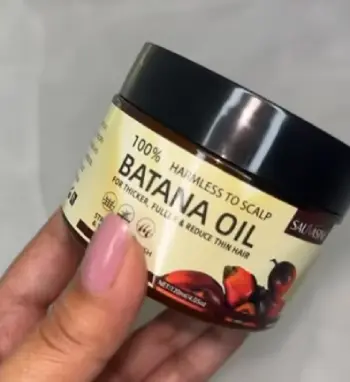
When I first received Kuri Nuka Batana Oil, the packaging gave me the impression that it was focused more on quality than flashy marketing.
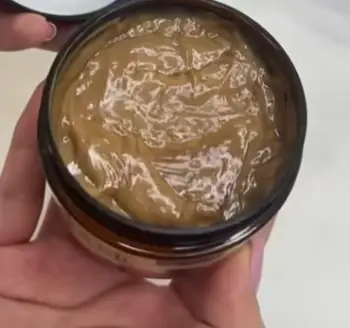
The oil itself had a rich consistency that felt thicker than argan oil but lighter than castor oil. I immediately noticed its earthy, roasted scent.
It wasn’t heavily perfumed, which I personally appreciated because it made the product feel more natural.
For my first application, I warmed a small amount between my palms before massaging it directly into my scalp. I also worked the remaining oil through the mid-lengths and ends of my hair.
Since my hair tends to become dry after washing, I left the oil on overnight before shampooing it out the next morning.
After the first wash, I didn’t notice any dramatic change in hair growth, and honestly, I wasn’t expecting one. What I did notice was that my hair felt noticeably softer and looked shinier.
The ends appeared healthier, and my hair was much easier to comb without excessive tugging.
After using it consistently two to three times each week for several weeks, I saw gradual improvements. My scalp felt less dry, I experienced fewer flakes, and my hair seemed stronger during brushing.
I still noticed some hair shedding because that’s completely normal, but the strands appeared less brittle than before.
One thing I particularly enjoyed was how little product I needed. Even a small scoop covered my scalp well, making the jar last longer than expected.
Because the oil is concentrated, using too much can leave the hair feeling greasy, so moderation is definitely important.
Although I cannot personally confirm miraculous hair regrowth, I can confidently say my hair looked healthier, smoother, and more hydrated after regular use.
For anyone dealing with dryness or damaged hair from heat styling, colouring, or environmental stress, I think this oil offers noticeable cosmetic improvements with consistent use.
What Is Kuri Nuka Batana Oil?
Kuri Nuka Batana Oil is a natural hair treatment made using batana oil, an oil traditionally produced from the American palm.
Batana oil has been valued for generations because of its rich concentration of fatty acids, antioxidants, and nourishing compounds that help moisturise both the scalp and hair.
Unlike lightweight styling oils that simply coat the hair, batana oil is designed to condition deeply. Many people use it as part of a weekly hair treatment to improve softness, reduce dryness, minimise breakage, and promote healthier-looking hair.
While many social media posts claim batana oil can completely reverse baldness, I believe it’s more realistic to view it as a conditioning treatment that supports healthier hair rather than a guaranteed cure for hair loss.
Key Ingredients Of Kuri Nuka Batana Oil
Kuri Nuka Batana Oil focuses on naturally nourishing ingredients that support healthy hair.
- Batana Oil
The star ingredient helps moisturise dry strands while improving softness and shine.
- Essential Fatty Acids
These nourish the scalp and help reduce dryness that often contributes to brittle hair.
- Natural Antioxidants
Antioxidants help protect hair from environmental stress while supporting healthier-looking strands.
- Vitamin-Rich Plant Compounds
These ingredients help improve overall hair condition and reduce rough texture with consistent use.
Pros Of Kuri Nuka Batana Oil
- Deep Moisturisation That Lasts
The biggest advantage I experienced was lasting hydration.
My hair stayed soft for several days after each treatment instead of becoming dry within hours.
If your hair constantly feels rough or straw-like, you’ll probably notice this improvement fairly quickly.
The oil coats the hair evenly while also helping restore moisture that shampoo alone often removes. Instead of relying on silicone-heavy products, I found this provided a more natural softness.
- Excellent for Dry Scalps
One feature I appreciated was how comfortable my scalp felt after regular use. Seasonal dryness and occasional flaking became less noticeable.
Massaging the oil into the scalp before washing created a soothing experience that felt more like a self-care routine than simply applying another hair product.
- Makes Hair Feel Stronger
Although I can’t say my hair became dramatically thicker overnight, it definitely felt stronger over time. I noticed fewer snapped hairs while brushing and styling.
Hair that’s properly moisturised generally handles daily stress much better, and that’s exactly what I experienced.
- Improves Shine Naturally
Instead of creating an artificial glossy coating, Kuri Nuka Batana Oil helped restore a healthier-looking shine.
Friends even commented that my hair looked healthier despite not changing my shampoo or conditioner.
- Suitable for Multiple Hair Types
One aspect I liked was its versatility. Whether your hair is curly, straight, textured, colour-treated, or chemically processed, this oil can fit into different routines with proper application.
The key is adjusting the amount you use based on your hair thickness.
- Works Well as a Weekly Treatment
Rather than becoming another daily styling product, I preferred using it as a weekly intensive treatment.
Leaving it overnight allowed the ingredients plenty of time to condition my hair thoroughly.
- A Little Goes a Long Way
Because the formula is concentrated, each application requires only a small amount.
This makes the product more economical than many lightweight oils that require frequent reapplication.
- Natural-Looking Results
Perhaps my favourite benefit is that my hair simply looked healthier rather than looking coated with cosmetic products.
The improvement appeared gradual and believable instead of overly dramatic.
Cons Of Kuri Nuka Batana Oil
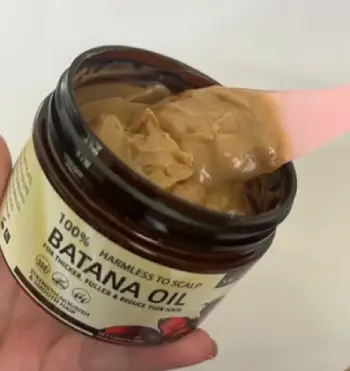
- The texture is quite thick and heavy
One of the first things I noticed was how rich the oil feels.
If you have fine, thin, or naturally oily hair, applying too much can easily weigh your hair down.
It took me a couple of uses to figure out the right amount because even a small excess left my hair looking greasy instead of healthy.
- The natural scent may not appeal to everyone
Kuri Nuka Batana Oil has an earthy, roasted aroma that reflects its natural ingredients.
I didn’t mind it, but if you’re used to floral or fruity hair products, the scent can feel unusual at first.
The fragrance fades after washing, but it’s something to consider before buying.
- It requires a thorough shampoo to remove completely
Since the oil is highly concentrated, one quick wash wasn’t always enough for me.
After overnight treatments, I occasionally needed to shampoo twice to remove the residue.
People who prefer low-maintenance hair routines may find this slightly inconvenient.
- Results take time and consistent use
This isn’t the type of product that transforms your hair overnight.
I noticed improvements in softness and shine fairly quickly, but healthier-looking hair required several weeks of regular use.
Anyone expecting instant changes may end up feeling disappointed.
- It isn’t a guaranteed hair regrowth solution
Many online discussions suggest batana oil can completely restore lost hair, but my experience was much more realistic.
While my hair looked healthier and breakage decreased, I didn’t experience dramatic regrowth.
It’s better to think of it as a nourishing treatment rather than a miracle cure for baldness.
- Using too much can leave buildup on the scalp
Because the formula is rich, overapplying it can make your scalp feel heavy and greasy.
I found that using a moderate amount worked much better than coating my entire head with oil.
Learning the correct quantity is important for getting the best results.
- Not ideal for people with very oily scalps
If your scalp naturally produces a lot of oil, this product may feel excessive unless you use it sparingly.
During warmer weather, I had to reduce the amount because my hair became oily more quickly than usual.
- The waiting time may not suit busy lifestyles
I achieved the best results by leaving the oil on for several hours or overnight.
While this worked well for me, not everyone has the time or patience for long treatment sessions.
If you prefer quick five-minute hair products, this may not fit your routine.
Tips For Kuri Nuka Batana Oil
- Stay Consistent With Your Routine
Consistency made the biggest difference during my experience.
Using the oil once every few weeks probably won’t produce noticeable improvements.
I found that applying it two or three times weekly delivered much better results because my hair received regular nourishment instead of occasional treatment.
Creating a routine also prevented me from forgetting applications, allowing the conditioning effects to build over time.
- Warm the Oil Before Applying
I discovered that gently warming the oil between my hands made application much easier.
The oil spread more evenly across my scalp and hair, reducing waste while improving coverage.
You don’t need to heat it excessively—simply rubbing it between your palms works well.
- Massage Your Scalp Thoroughly
One habit that improved my experience was taking several minutes to massage the oil into my scalp.
This helped distribute the product evenly while making the treatment feel relaxing.
Even coverage prevented certain areas from becoming overly greasy while leaving other areas untreated.
- Focus on Dry Ends
If your ends are damaged from colouring or heat styling, spend extra time applying oil there.
The ends usually need the most moisture, and they often show the greatest improvement after regular treatments.
- Leave It On Long Enough
Quick applications don’t always provide the same conditioning benefits.
Whenever possible, I left the oil on overnight.
If overnight isn’t convenient, allowing it to remain for at least one hour still provides noticeable conditioning.
- Wash Thoroughly Without Overwashing
Use a gentle shampoo that effectively removes excess oil without stripping moisture.
Sometimes I shampooed twice depending on how much oil I applied.
Avoid harsh cleansing products that completely remove your scalp’s natural oils.
- Pair It With Gentle Hair Care
I also reduced excessive heat styling during my testing period.
Using lower temperatures, gentle detangling methods, and moisturising conditioners helped maximise the benefits of the oil.
Hair care products often perform best when supported by healthy habits.
- Store It Properly
Keep the container tightly sealed in a cool, dry location.
Avoid direct sunlight, which may gradually affect the quality of natural oils.
- Don’t Expect Overnight Hair Growth
One lesson I learned is to set realistic expectations.
Healthy-looking hair usually develops gradually through consistent care rather than miracle treatments.
Instead of measuring success only by hair growth, pay attention to softness, shine, reduced breakage, and improved scalp comfort.
Those improvements often appear first.
Comparison Of Kuri Nuka Batana Oil With Other Brands

- Kuri Nuka vs Traditional Castor Oil
Castor oil is thicker and often feels much heavier on the scalp.
During my experience, Kuri Nuka Batana Oil felt easier to distribute while still providing deep conditioning.
Castor oil can sometimes leave stubborn residue, whereas Kuri Nuka washed out more comfortably after proper shampooing.
- Kuri Nuka vs Argan Oil
Argan oil excels as a lightweight finishing oil for daily styling. Kuri Nuka Batana Oil works better as a deep conditioning treatment.
If your hair is severely dry or damaged, I found Kuri Nuka provided longer-lasting moisture, while argan oil delivered quicker shine with a lighter feel.
- Kuri Nuka vs Rosemary Hair Oils
Rosemary oils are commonly chosen for scalp stimulation and may be preferred by people primarily focused on supporting hair growth.
Kuri Nuka Batana Oil, however, stands out for intense moisturisation and repairing dry, brittle hair.
I personally viewed it as more of a restorative conditioning product than a stimulating scalp treatment.
- Kuri Nuka vs Coconut Oil
Coconut oil remains a household favourite because it’s affordable and widely available.
However, I found Kuri Nuka Batana Oil absorbed better into my hair without leaving the same heavy coating that coconut oil sometimes creates.
My hair also remained softer for longer after each treatment.
Also Read: Is Zinzino Balance Oil Worth It?
Frequently Asked Questions (FAQ)
Yes. It appears to be a legitimate batana oil product, although individual results will vary.
There is limited scientific evidence proving hair regrowth. It may help create healthier conditions for stronger-looking hair.
The best brand depends on ingredient quality, purity, consistency, and customer satisfaction. Kuri Nuka is one option among several reputable brands.
Massage a small amount into your scalp and hair, leave it on for at least one hour or overnight, then wash thoroughly with shampoo.
Final Verdict
After several weeks of regular use, I believe Kuri Nuka Batana Oil delivers where it matters most.
It improved my hair’s softness, shine, moisture, and overall appearance without relying on artificial ingredients or exaggerated cosmetic effects.
While I wouldn’t buy it expecting guaranteed hair regrowth, I would absolutely recommend it if your goal is healthier-looking, better-conditioned hair.
For dry, damaged, or brittle hair, I think it’s a worthwhile investment that rewards patience and consistency.
Recent Posts
I tried Meltoway Hair Dissolving Cream because I wanted a quick way to deal with unwanted body hair without reaching for a razor every few days. If you are looking for a convenient at-home...
If you’re considering a saffron-based supplement to support mood, appetite control, and everyday wellness, Happy Saffron Plus is worth considering.I like that it takes a familiar botanical...