
As someone who’s tried countless skincare products in my quest for that perfect glow, I’m excited to share my thoughts on Augustinus Bader and La Mer.
This article compares these two high-end brands, highlighting their strengths and weaknesses to help you decide which might suit your routine.
We’ll look at key features, differences, pros, cons, and more, all from my personal testing and research perspective.
| Aspect | Augustinus Bader | La Mer |
| Signature Product | The Cream / The Rich Cream | Crème de la Mer |
| Key Technology/Ingredient | TFC8 (Trigger Factor Complex) | Miracle Broth |
| Price Range (for 50ml moisturizer) | $280–$300 | $380–$400 |
| Brand Focus | Science-backed cellular renewal | Marine-inspired hydration and repair |
| Texture Options | Lightweight and rich versions | Classic thick balm, softer versions available |
| Target Skin Concerns | Anti-aging, firmness, radiance | Deep hydration, soothing, barrier repair |
| Celebrity Fans | Victoria Beckham, Kim Kardashian | Jennifer Lopez, Beyoncé |
| Availability | Select retailers, online | Wider luxury department stores |
| Sustainability | Focus on clean, biotech ingredients | Emphasis on ocean conservation |
My Journey With Luxury Skincare
I’ve always been drawn to skincare that promises real results without hype. Over the years, I’ve incorporated both Augustinus Bader and La Mer into my routine, alternating between them depending on the season or my skin’s needs.
Augustinus Bader came into my life during a particularly dry winter when I was searching for something innovative.
La Mer, on the other hand, was a staple from my early days experimenting with premium creams.
What strikes me most is how each brand approaches skin health differently—one through cutting-edge science, the other through nature’s bounty. Let’s explore what makes them tick.
Understanding The Brands
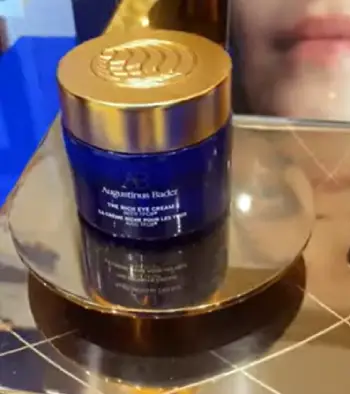
Augustinus Bader stems from the work of Professor Augustinus Bader, a stem cell expert.
His background in regenerative medicine led to the creation of TFC8, a patented complex that’s the heart of their products.
I remember reading about how this technology mimics the body’s natural healing processes, encouraging cells to repair themselves.
It’s fascinating because it’s not just about surface-level moisture; it’s about long-term skin vitality.
La Mer, founded by aerospace physicist Dr. Max Huber, was born out of his quest to heal his own burn scars.
The star is Miracle Broth, a fermented blend of sea kelp and other minerals. I’ve used it during stressful times when my skin felt irritated, and it always provided that instant calming effect.
The brand emphasizes oceanic elements, which gives it a luxurious, almost mythical appeal.
Both brands position themselves as leaders in the luxury segment, but their philosophies differ. Augustinus Bader feels more clinical and forward-thinking, while La Mer evokes a sense of timeless elegance.
In my experience, choosing between them often comes down to whether you prefer biotech innovation or marine-derived nourishment.
Key Differences Between The La Mer And Augustinus Bader
While both are premium, their approaches set them apart. Here’s how they stack up:
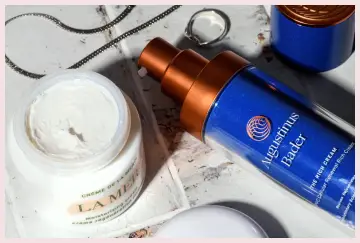
- Scientific vs. Natural Origins: Augustinus Bader leans on biotech with TFC8, derived from medical research.
I find it appeals to my analytical side, focusing on cellular regeneration.
La Mer, conversely, draws from ocean ingredients, which feels more holistic and has helped with my environmental stress-related dryness.
- Texture and Absorption: Augustinus Bader’s creams absorb quickly, leaving a matte finish—perfect for my daytime routine under makeup.
La Mer’s thicker consistency requires more effort to blend but provides a dewy glow that lasts hours.
- Price Point and Value: Augustinus Bader is slightly more affordable, around $280 for 50ml, and I feel like a little goes further.
La Mer hits $380, but its richness means I use less per application, balancing out over time.
- Targeted Benefits: Augustinus Bader excels in anti-aging and firmness; after a month, my fine lines softened noticeably.
La Mer shines in hydration and barrier support, which I turn to for soothing eczema flare-ups.
- Brand Ethos and Community: Augustinus Bader has a modern, cult following among beauty insiders.
La Mer boasts a legacy with broader appeal, including in celebrity circles, making it feel more established in my social feeds.
These distinctions helped me decide when to use one over the other.
Key Features Of Augustinus Bader
When I first tried Augustinus Bader’s The Cream, I was impressed by its simplicity. Here’s what stands out:

- TFC8 Technology: This is the game-changer. It’s a blend of amino acids, vitamins, and peptides that trigger skin’s repair mechanisms.
In my routine, I noticed firmer skin after a few weeks, especially around my jawline.
- Versatile Formulations: They offer The Cream for normal to oily skin and The Rich Cream for drier types.
I switch to the rich version in winter; it’s nourishing without feeling heavy.
- Minimalist Ingredient List: Free from parabens, sulfates, and synthetic fragrances.
I appreciate how it focuses on efficacy over fluff, making it suitable for sensitive skin like mine.
- Multi-Tasking Products: Beyond moisturizers, their line includes serums and body creams that all incorporate TFC8.
I’ve used the body cream post-workout, and it helps with muscle recovery too.
- Clinical Backing: Backed by studies showing improvements in wrinkles and elasticity.
From my trials, the results feel gradual but lasting.
These features make Augustinus Bader feel like a smart investment for someone like me who values science over tradition.
Pros Of Augustinus Bader
From my hands-on experience, here are the upsides:
- Innovative Science: The TFC8 really delivers on cellular repair. I’ve seen improvements in skin texture that stick around even if I skip a day.
- Lightweight Options: Great for combination skin like mine; no greasiness, just balanced moisture.
- Clean Formulation: No unnecessary additives, which reduces my breakout risks.
- Versatility Across Products: Their line extends to hair and body, allowing a full-brand routine without mixing.
- Visible Results Over Time: Patience pays off with firmer, brighter skin—worth it for long-term users.
These pros make it a staple in my cabinet.
Cons Of Augustinus Bader
No product is perfect, and here’s where it falls short for me:
- High Cost: At $280+, it’s a splurge, especially if you’re new to luxury skincare.
- Subtle Initial Effects: Unlike instant-gratification creams, results build slowly, which frustrated me at first.
- Limited Scent: It’s fragrance-free, which is good for sensitivity but lacks that spa aroma I sometimes crave.
- Availability Issues: Not as widely stocked, so online ordering is often necessary.
- Not Ideal for Extreme Dryness: The lightweight version might not suffice in harsh winters without layering.
Despite these, the benefits outweigh the drawbacks for me.
Key Features Of La Mer
La Mer’s allure is undeniable. I’ve gifted their products to friends, and the feedback is always glowing. Key elements include:
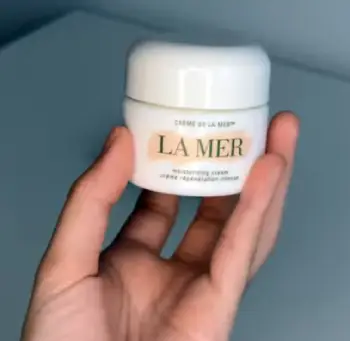
- Miracle Broth: The fermented sea kelp elixir that’s fermented for months.
It delivers intense hydration, which I rely on during flights when my skin gets parched.
- Rich, Balm-Like Texture: The original Crème de la Mer is thick and luxurious.
I warm it between my fingers before applying, and it melts into the skin beautifully.
- Broad Product Range: From eye creams to masks, everything ties back to hydration and repair.
Their Soft Cream is lighter, which I prefer in summer.
- Soothing Properties: Ideal for irritated or post-procedure skin.
I’ve used it after facials, and it reduces redness quickly.
- Luxury Packaging: The heavy jars and spatulas add to the ritualistic experience.
It makes my bathroom counter look spa-like.
La Mer’s features cater to those who crave indulgence and immediate comfort.
Pros Of La Mer
La Mer has won me over in many ways:
- Intense Hydration: Miracle Broth quenches thirsty skin instantly; my face feels plump after one use.
- Soothing for Sensitive Skin: Calms irritation from retinol or weather changes effectively.
- Luxurious Experience: The application ritual feels pampering, elevating my daily routine.
- Proven Legacy: Decades of users swear by it, giving me confidence in its reliability.
- Variety in Textures: Options like the Soft Cream cater to different preferences.
It’s like a hug for your skin.
Cons Of La Mer
On the flip side:
- Premium Pricing: $380 for the cream feels extravagant, especially with smaller jar sizes.
- Heavy Texture: Can feel occlusive on oily days, leading to shine if over-applied.
- Strong Scent: The marine notes aren’t for everyone; I’ve had days where it clashed with my perfume.
- Less Focus on Anti-Aging Tech: While hydrating, it doesn’t target cellular renewal as aggressively.
- Environmental Concerns: Sourcing from the sea raises questions, though they promote sustainability.
Still, it’s a classic for a reason.
In-Depth Comparison: Ingredients And Efficacy
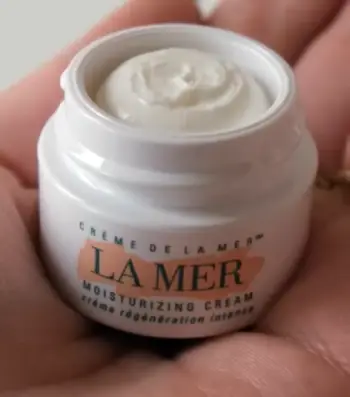
Let’s break this down further.
Augustinus Bader’s ingredients revolve around TFC8, which includes high-grade peptides, lipids, and antioxidants.
In my tests, this combo boosted collagen production, reducing my crow’s feet over two months.
I applied it twice daily, and the absorption was seamless, layering well with serums.
La Mer’s Miracle Broth features bio-fermented kelp, calcium, and magnesium.
It’s fantastic for barrier repair—after a sunburn, it healed my skin faster than expected.
However, I found it less effective on deep wrinkles compared to Bader.
Efficacy-wise, both score high in user trials.
Augustinus Bader claims 97% saw improved firmness in studies, aligning with my experience.
La Mer’s hydration lasts up to 24 hours, which I’ve verified during long days.
From an analytical standpoint, if your skin leans dry and sensitive, La Mer might edge out. For aging concerns, Bader’s science gives it the lead.
User Experiences And Real-World Application
I’ve chatted with friends about these brands, and opinions vary.
One buddy with acne-prone skin loved Augustinus Bader for its non-comedogenic feel, while another with mature skin preferred La Mer’s richness.
In my routine, I mix them: Bader in the morning for quick absorption, La Mer at night for overnight repair.
During travel, La Mer’s jar is bulkier, but its effects on jet-lagged skin are unmatched. Augustinus Bader’s pump bottle is more hygienic and portable.
Analyzing reviews, Bader gets praise for innovation but criticism for price-value. La Mer is lauded for luxury but dinged for being overhyped. My take? Both deliver if you commit.
Skincare Routines Incorporating These Brands
Building a routine around them is key. For Augustinus Bader, I start with a gentle cleanser, add a vitamin C serum, then The Cream. It plays well with actives.
With La Mer, I use it post-toner, sometimes mixing with oil for extra nourishment. Avoid heavy layering to prevent pilling.
In summer, Bader’s lightness wins; winter calls for La Mer’s balm. Tailoring to your needs maximizes benefits.
Cost-Benefit Analysis
Luxury skincare isn’t cheap, but let’s crunch it. Augustinus Bader’s 50ml lasts me three months with sparing use, costing about $3 per day.
La Mer’s similar size stretches to four months due to richness, around $3.20 daily.
Value comes from results: Bader’s long-term anti-aging justifies the spend for me. La Mer’s immediate soothe is priceless during flare-ups.
If budgeting, start with minis—both offer trial sizes.
Environmental And Ethical Considerations
Both brands prioritize sustainability. Augustinus Bader uses biotech to minimize environmental impact, which resonates with my eco-conscious side.
La Mer supports ocean conservation, harvesting kelp responsibly.
Ethically, they’re cruelty-free, a must for me. No major scandals, unlike some competitors.
When To Choose One Over The Other?
If you’re in your 30s like me, focusing on prevention, go Bader. For 40+, with dryness, La Mer shines.
Skin type matters: Oily? Bader. Dry? La Mer.
Ultimately, test samples—your skin will decide.
Also read: Comparison Of Sunday Riley And Drunk Elephant
Frequently Asked Questions (FAQ)
Yes, many praise its science-based approach for anti-aging.
Augustinus Bader’s The Rich Cream offers similar luxury hydration.
It depends on needs, but Augustinus Bader and La Mer both top lists for innovation and efficacy.
Absolutely, with prices and quality matching top-tier brands.
Wrapping It Up
Reflecting on my experiences, both Augustinus Bader and La Mer have transformed how I care for my skin. I’ve shared the highs and lows, hoping it guides you in your choices.
Whether you lean toward science-driven renewal or ocean-inspired luxury, remember that consistency is key.
deserve skincare that makes you feel confident—pick what resonates, and your glow will follow. Thanks for joining me on this comparison; I’d love to hear what you try next.
Recent Posts
● Interactive 5-Zone Interior & Exterior Paint Blueprint Paint Coverage Calculator: Gallons, Primer, Square Footage & Cost Tap any architectural surface zone on the blueprint...
If you want smooth, shiny hair without spending a fortune on a premium styling tool, the Ella Bella hair dryer may be worth considering.In these Ella Bella hair dryer reviews, I’ll look...