
I sat down with my leather sofa, car seats, and a pair of well-worn boots one weekend. I tested both Leather CPR and saddle soap side by side.
My goal here is simple. I want to help you decide which product fits your leather items. Real results guide the choice.
Cleaning power matters. Conditioning ability matters. Long-term care matters. You can keep everything soft. You can keep everything looking sharp. No guesswork needed.
| Feature | Leather CPR | Saddle Soap |
| Primary Function | Cleans and conditions in one step | Primarily cleans, light conditioning |
| Texture | Cream | Paste, bar, or liquid |
| Residue | Non-greasy, absorbs cleanly | Can leave soapy film if not wiped well |
| Best For | Furniture, car seats, jackets, bags | Heavy-duty boots, saddles, tack |
| Follow-up Needed | Rarely | Usually needs separate conditioner |
| Drying Risk | Low | Higher if overused |
| Ease of Use | Very simple, one cloth | Multiple steps, water and wiping |
| Color Impact | Minimal change, restores depth | Possible lightening or darkening |
Key Differences Between Leather CPR And Saddle Soap
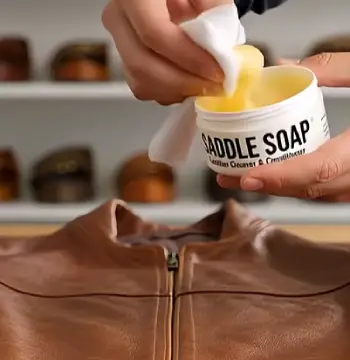
- Cleaning approach: Leather CPR cleans while it conditions. One pass handles both jobs. Saddle soap focuses on dirt first.
Conditioning stays secondary.
- Moisture balance: Leather CPR adds moisture during cleaning. Saddle soap often removes natural oils.
The leather can feel tighter afterward.
- Application style: Leather CPR stays dry and simple. One cloth does the work.
Saddle soap needs controlled moisture. Careful residue removal follows.
- Ideal leather types: Leather CPR suits finished everyday leather. Homes and cars use that type. Saddle soap handles thicker oilier leather better.
Boots and saddles fit that group.
- Frequency of use: Leather CPR works for regular upkeep. I use it more often. Saddle soap stays for heavy dirt buildup only.
- Finish left behind: Leather CPR leaves a soft natural surface.
Saddle soap can leave leather looking bare. Conditioner becomes necessary next.
These differences shape my choice. Quick care on living-room furniture calls for the cream. Daily-driver seats call for the cream.
Muddy boots call for the soap. A saddle from the barn calls for the soap.
What Leather CPR Actually Does?
I first reached for Leather CPR when my car seats started looking dull. My leather recliner felt stiff after years of daily use. This cream formula lifts surface dirt.
It lifts body oils. It lifts everyday grime. It pushes moisture back into the leather fibers at the same time. The bottle feels practical for home use. The product spreads easily. It never turns sticky.
The leather gains a natural hand-feel. Stiff spots soften. Light scratches blend better. The surface ends with a clean matte finish. It avoids a shiny plastic look.
I use it on finished leather only. It is not meant for suede. It is not meant for nubuck. The ingredients are cosmetic-grade. They are dermatologist-tested. I feel safe applying it with bare hands on items that touch skin.
Application stays simple. I put a small amount on a clean microfiber cloth. I work it in circular motions over one section at a time. I wipe any excess. The leather feels better within minutes. It continues to improve as it fully absorbs. A full sofa or set of car seats takes about fifteen to twenty minutes. I reach for it every few months. I reach for it whenever the leather starts looking thirsty.
Key Features of Leather CPR
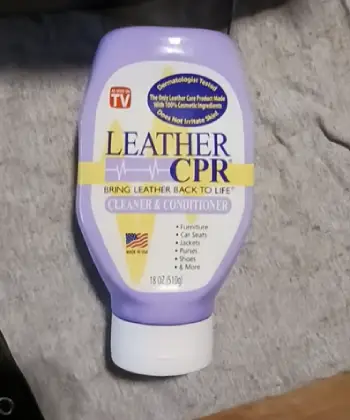
- One-step cleaner and conditioner: I apply once. The leather comes out clean. The leather comes out softer.
No separate bottles needed.
- Non-greasy absorption: The cream disappears into the leather. No film transfers to clothes. Car seats stay clean. Sofas stay clean.
- Scratch and scuff blending: Surface marks soften visually. Flexibility returns to the leather.
A few applications show clear change.
- Wide compatibility: Sofas accept it well. Car interiors accept it well. Jackets accept it well.
Handbags accept it well. Boots accept it well. Finished equestrian tack accepts it well.
- Dermatologist-tested formula: Ingredients feel gentle. Skin contact causes less worry.
Sensitive finishes cause less worry.
- Made for real leather longevity: Regular use stops drying. Regular use stops cracking. Expensive pieces last longer.
Each feature shows in daily results. The one-step process means I maintain the leather. I no longer put the job off.
Pros Of Leather CPR
- Saves time: One product replaces two. I finish faster. Consistent maintenance becomes easier.
- Low risk of over-drying: Conditioning agents balance the cleaning action. Thinner finished leathers stay protected. Delicate finished leathers stay protected.
- Clean finish without residue: No sticky feel remains. No greasy feel remains. Clothes stay clean. Skin stays clean.
- Visible restoration: Dry dull leather regains depth of color. Softness returns after the first use in many cases.
- Versatile across household items: One bottle covers multiple pieces. No product switching needed.
- Gentle enough for frequent light care: High-traffic areas accept touch-ups. Finish stripping stays unlikely.
These advantages make Leather CPR my default. Most indoor leather fits. Most automotive leather fits.
Cons Of Leather CPR
- Less aggressive on heavy soil: Extremely dirty leather may need extra passes. Grease-packed leather may need a stronger cleaner first.
- Not for unfinished or suede surfaces: Wrong leather type causes problems. Material check comes first always.
- Conditioning depth is moderate: Severely neglected leather may need dedicated deep conditioner. Cracked leather may need dedicated deep conditioner.
- Premium pricing relative to basic soaps: The bottle costs more. A traditional tin of saddle soap costs less. Coverage still reaches more uses.
- Requires testing on unusual finishes: Coated leathers can react differently. Exotic leathers can react differently. Hidden-spot test stays wise.
These limitations stay manageable. Product range knowledge helps.
What Saddle Soap Brings To The Table?
Saddle soap has a longer history. It started as a product for horse tack. It started for heavy work leather.
Classic versions combine soap with glycerin. Some include lanolin. Some include beeswax. I create a light lather with a damp sponge or soft brush.
I work it across the surface. Dirt lifts away. Sweat lifts away. The leather looks cleaner almost immediately.
It performs best on thick durable leather. That leather sees hard use. My work boots respond well. An old saddle responds well.
The cleaning action reaches into the grain. It removes built-up grime. Lighter products often leave that grime behind. Some formulas claim light conditioning. I always follow with a dedicated conditioner. The soap can pull moisture out of the fibers.
Technique matters more here. Too much water leaves residue. Too much product leaves residue. That residue dries into a white crust.
I apply sparingly. I wipe thoroughly with a clean damp cloth. I let the leather dry completely away from heat.
Overuse can lighten color. Overuse can make the leather feel dry. Overuse can make it feel tight. I treat it as an occasional deep-clean tool. It is not a regular maintenance product.
Key Features Of Saddle Soap
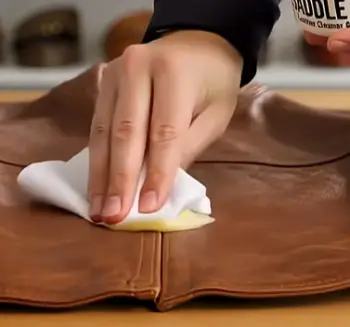
- Strong dirt-lifting ability: The lather pulls out embedded grime. Salt comes out. Sweat comes out. Boots look cleaner after one session.
- Traditional glycerin or lanolin base: Many versions include these. Mild softening happens during cleaning.
- Available in multiple forms: Paste in a tin works. Bars work. Liquid versions work. Right water amount makes each effective.
- Proven on heavy-use leather: Saddles respond well. Work boots respond well. Belts respond well. Outdoor gear responds well. The formula matches those demands.
- Affordable and widely available: One tin lasts a long time. Cost stays lower than many specialty creams.
- Prepares leather for conditioning: Cleaning leaves a clear surface. Oils absorb more evenly afterward. Conditioners absorb more evenly afterward.
These traits make saddle soap solid. Leather that is truly dirty benefits most.
Pros Of Saddle Soap
- Excellent deep-cleaning power: Layers of dirt come out. Old polish comes out. Milder products leave those behind.
- Softens thick leather during cleaning: Work boots become more flexible. Saddles become more flexible.
- Long history of use on demanding gear: Riders have relied on similar formulas. Outdoor workers have relied on similar formulas.
- Inexpensive for the volume of cleaning: One tin handles many sessions. Cost stays practical.
- Helps remove salt and sweat residues: Winter boots benefit. Humid-condition tack benefits.
- Creates a clean base for further care: Proper wiping follows. Full drying follows. Conditioner absorbs better.
These strengths shine. Leather that has been through real work responds best.
Cons Of Saddle Soap
- Can dry the leather: Immediate conditioning becomes necessary. Fibers tighten without it. Cracks can form over time.
- Risk of color change: Overuse pulls dye. Leaving product on too long darkens the surface unevenly.
- More labor involved: Lather building takes time. Application takes time. Residue wiping takes time. Drying takes time.
- Residue problems if not fully removed: White crust forms in seams. White crust forms in creases. Any leftover soap causes it.
- Not ideal for modern finished automotive or furniture leather: Stronger action suits thinner surfaces poorly. Coated surfaces common in cars suffer. Coated surfaces common in homes suffer.
- Requires practice to avoid over-wetting: Too much water damages leather. Too much soap damages leather equally.
I treat these drawbacks carefully. Selective use works better. Everyday use does not.
How I Choose Between Them for Different Items?
Car seats favor Leather CPR every time. Body oils collect there. Dust collects there. UV exposure affects them. The cream cleans those away. Moisture returns.
Residue risk stays low in seams. Residue risk stays low in perforations. Saddle soap feels too aggressive. Most car leather is thinner finished type.
Living-room sofa gets the same treatment. High-traffic cushions collect dirt. Softness fades. Quick Leather CPR restores the surface.
Cracking at stress points slows. Saddle soap demands more wiping. Drying time increases in a busy household.
Leather jacket and handbags stay with Leather CPR. These pieces touch clothing. These pieces touch skin. Non-greasy finish matters. One-step process fits short evening care.
Boots change the equation. Heavy work boots collect mud. Cowboy boots collect salt. Saddle soap cleans first. Full drying follows.
Good conditioner comes next. Light Leather CPR coat can add extra softness. Combination gives best result.
Saddles and tack follow similar path. Traditional saddle soap removes sweat. Dirt from use comes out. Careful conditioning follows drying. Some riders use Leather CPR between deep cleans. Finished leather tack accepts it well.
Pattern stays clear. Finished household leather favors modern cream. Automotive leather favors modern cream.
Heavy-duty outdoor leather benefits from traditional soap. Equestrian leather benefits from traditional soap plus separate conditioning.
Real Results From Side-By-Side Testing
I cleaned one half of an old leather ottoman with each product. Leather CPR side looked softer. Color gained depth.
Uneven darkening stayed away after one application. Saddle soap side looked cleaner of surface dirt. Feel stayed slightly tighter. Conditioning the next day fixed that.
Work boots flipped the difference. Saddle soap pulled more embedded dirt. Creases cleaned better. Welt cleaned better.
Leather CPR cleaned the surface well. Some deeper grime remained. Conditioning both pairs produced good looks. Saddle-soap boots started from cleaner base.
Car seats showed biggest practical gap. Leather CPR left no residue. Seats felt ready within minutes. Saddle soap required careful seam wiping. Longer drying time followed. Sitting comfort returned later.
Tests confirmed the features. Product matches dirt level. Product matches leather type. Interchangeable use fails.
Practical Tips For Best Results With Either Product
Start with dry brush or vacuum. Loose dirt comes off first. Grit under cleaner creates scratches.
Test in hidden spot first. Color transfer signals stop. Unusual darkening signals stop or dilute.
Use least product amount. Use least moisture amount. Job still gets done. More rarely helps leather.
Let leather dry fully at room temperature. Radiator heat speeds drying. Direct sun speeds drying. Cracks form faster.
Condition after saddle soap without fail. Leather CPR needs less. Heavily used pieces still benefit from occasional deeper treatment.
Store both products sealed. Extreme temperatures harm them. Cream can separate. Paste can dry out if left open.
Keep separate cloths. Cleaning cloth stays separate. Wiping cloth stays separate. Cross-contamination spreads dirt.
Long-Term Care Strategy
I rotate based on need. Rigid schedule stays away. High-use car seats get Leather CPR every three to four months.
Sofa cushions get Leather CPR every three to four months. Boots with weekly outdoor work get saddle soap two or three times a year.
Conditioner follows each time. Jackets receive light CPR applications as needed. Bags receive light CPR applications as needed. Dull look signals the time.
Approach keeps leather flexible. Neglect cycle stops. Cracking slows. Expensive replacement stays distant. Both products support the goal. Right context makes them effective.
Also Read: Comparison Of Lexol And Saddle Soap
Frequently Asked Questions (FAQ)
Yes. It cleans surface dirt and oils. Moisture returns. Finished leather feels softer. Refreshed look appears after one application.
Yes. Dirt lifts effectively. Sweat lifts effectively. Grime lifts effectively. Thicker leather shows strongest results. Light lather and thorough wipe complete the job.
Dedicated leather cleaner works best. Mild glycerin-based saddle soap works best. Household dish soaps strip oils. Avoid them.
Yes. One-step formula cleans finished car seats. Conditioning happens together. Greasy residue stays away. Excess moisture stays out of seams.
Wrapping Up
I started this comparison for soft clean leather. Trial and error needed reduction. Testing covered furniture. Testing covered car seats.
Testing covered boots. Preference emerged for most everyday items. Leather CPR delivers reliable cleaning. Conditioning comes with less effort.
Risk stays lower. Saddle soap still earns a place. Heavy-duty cleaning jobs suit it. Dirt runs deep in those cases.
You can use the same approach. Match product to leather type. Match product to soil amount. Keep process simple.
Condition when needed. Leather rewards you. Good looks last years. Comfort lasts years. Choose the tool that fits the job.
Problem-fixing time drops. Enjoyment of owned pieces rises.
Recent Posts
If you want a beautiful blonde shade without spending a fortune at the salon, Garnier Olia Blonde 8.0 is worth considering. I like the idea of an at-home hair color that aims to deliver a...
ZzzQuil Vs. Breathe Right Nasal Strips: Which Opens Your Nose Better At Night?
I have spent months testing nasal strips on myself after years of light snoring and seasonal congestion that wrecked my sleep. My main goal here is to break down ZzzQuil nasal strips...