
I have spent years maintaining my own leather saddles, boots, jackets, and even car seats, always searching for products that actually protect rather than slowly destroy the material.
When it comes to Lexol versus saddle soap, I want to share my honest, hands-on experience so you can make the right choice for your gear.
The main intent of this article is to give you a clear, unbiased comparison that helps you clean and care for your leather without causing long-term damage.
I will break down how each product works, their strengths and weaknesses, and when I reach for one over the other.
| Aspect | Lexol Leather Cleaner | Traditional Saddle Soap |
| pH Balance | Balanced (around 5-6, matches leather) | Highly alkaline (9-10) |
| Cleaning Action | Gentle, effective at removing dirt without stripping oils | Aggressive, good for heavy grime but can embed dirt |
| Effect on Leather | Safe for regular use, preserves natural oils | Can dry out, harden, and darken leather |
| Residue | No scum or greasy buildup | Often leaves oily film that traps dirt |
| Best For | Routine maintenance on fine leather, saddles, tack | Occasional heavy cleaning on rugged items |
| Follow-up Needed | Pair with conditioner for best results | Must condition heavily afterward |
| Risk of Damage | Low | Higher with frequent use |
After testing both on my own saddles over multiple seasons, I see Lexol as the smarter everyday option while saddle soap still has a place for tough jobs if you know its limits.
Key Differences Between The Lexol And Saddle Soap
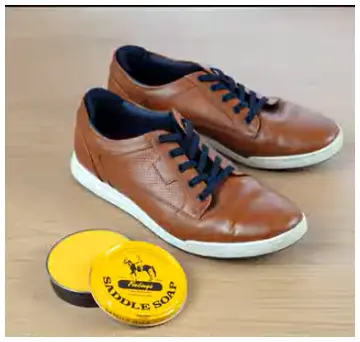
- pH Impact on Leather: Lexol stays gentle and balanced while saddle soap shifts the leather toward alkaline, which breaks down its structure.
- Cleaning Depth vs Safety: Saddle soap attacks heavy soil aggressively but risks embedding residues; Lexol cleans thoroughly yet safely without stripping.
- Long-Term Leather Health: Lexol supports suppleness and prevents premature aging; saddle soap can accelerate drying and cracking if not followed religiously by heavy conditioning.
- Application Feel: Lexol feels like a mild shampoo—light and controlled. Saddle soap feels more like a heavy scrub with built-in oils.
- Residue and Buildup: Lexol rinses clean with nothing left behind. Saddle soap often leaves a film that collects more grime later.
- Suitability for Regular Maintenance: Lexol wins for weekly or monthly care. Saddle soap suits occasional heavy-duty resets only.
These differences matter because leather is an investment. You want it to last decades, not just look good for one season.
Key Features Of Lexol
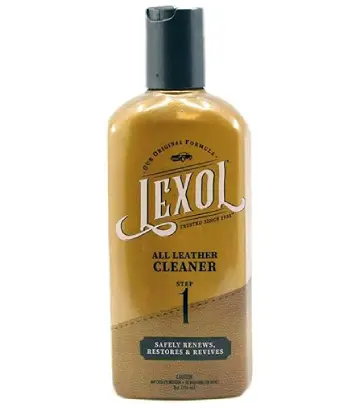
- All-in-one cleaner and conditioner formula: Lexol is built to clean light dirt and sweat while simultaneously putting moisture and nourishing oils back into the leather in a single step, which makes my maintenance routine much faster and simpler.
- pH-balanced and mild on leather fibers: I like that it’s gentle enough not to strip essential oils aggressively, so it feels safe to use regularly on my saddles and bridles without worrying about long-term damage.
- Quick-absorbing oils that mimic natural leather lipids: The special blend of oils penetrates deep into the pores fast, restoring flexibility and preventing that dry, cracked feeling I used to get with other products.
- Non-greasy finish with minimal residue: After I wipe it on and buff it off, the leather feels supple and looks naturally nourished instead of shiny, sticky, or slick, which is perfect for both daily use and show tack.
- Works on a wide variety of smooth leathers: Whether I’m treating English bridle leather, calfskin, or even some exotic hides, Lexol performs consistently without causing discoloration or stiffness.
- Light, clean scent that doesn’t linger: There’s no heavy chemical smell hanging around the tack room or on my hands for hours — just a subtle fresh scent that fades quickly after application.
- Excellent for regular maintenance and restoration: It brings dull, slightly dried-out leather back to life without requiring heavy scrubbing, making it my go-to when I want visible improvement with minimal effort.
Pros Of Lexol
- Combines cleaning and conditioning in one easy step: This is the feature I appreciate most. Instead of doing two separate processes, Lexol cleans away light dirt and sweat while putting moisture and oils back into the leather at the same time. It saves me a ton of time, especially when I have multiple saddles to maintain after a long week.
- Keeps leather soft and supple for longer: I’ve noticed that regular use of Lexol prevents that dry, stiff feeling that often appears in winter or dry climates. The oils penetrate well and help the leather stay flexible, reducing the chance of cracking even on older saddles.
- Gentle on all types of leather: Because it’s pH-balanced and mild, I feel safe using it on expensive show saddles, calfskin bridles, and even more delicate leather items without worrying about damage or color fading.
- Quick absorption with almost no greasy residue: I apply it, work it in, and within minutes the leather feels nourished but not slick or sticky. This means my tack is ready to use again fast and doesn’t attract extra dust.
- Light, pleasant scent that disappears quickly: Unlike some heavy chemical cleaners, Lexol has a clean, subtle smell that doesn’t linger in the tack room or on my hands for hours.
- Excellent for regular maintenance and restoration: For weekly touch-ups or bringing life back to slightly dried-out leather, Lexol consistently delivers visible improvement in color and texture without overdoing it.
Cons Of Lexol
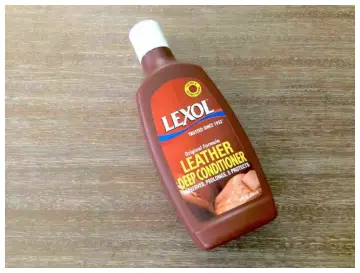
- Not powerful enough for heavy, caked-on dirt and mud: When my saddle comes back from a muddy trail ride completely covered in dried grime, Lexol alone struggles. I often need to pre-clean those areas with something stronger first.
- Higher cost per ounce compared to traditional saddle soap: While the convenience is worth it for me, it can feel a bit more expensive when you’re maintaining a lot of gear for multiple horses.
- Requires multiple applications on severely neglected leather: On really dried-out or sun-damaged pieces, one pass isn’t always enough. I sometimes need to repeat the process several times to see full results.
- Weaker on thick, built-up grease and old oils: It handles light grease well but doesn’t cut through heavy, accumulated body oils and waxes as aggressively as dedicated heavy-duty cleaners.
- May not give that deep “just cleaned” look on very dirty tack: If the leather is heavily soiled, Lexol leaves it cleaner but not as dramatically bright as a strong saddle soap treatment followed by conditioning.
Key Features Of Saddle Soap
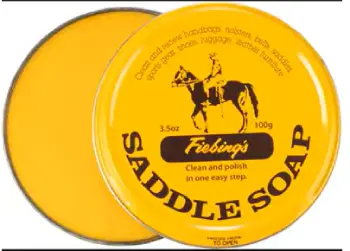
- Powerful heavy-duty cleaning action: Saddle soap is designed to tackle serious embedded dirt, dried mud, sweat salts, and grime that builds up on working tack, which is exactly why I reach for it after tough, messy rides.
- Creates a rich, effective lather: When I dampen a sponge and rub the bar, it produces suds that lift out deep-down contaminants from the leather pores better than most liquid cleaners I’ve tried.
- Long-lasting bar or paste form: A single bar lasts me for years even when cleaning multiple saddles and bridles regularly, making it one of the most economical options in my tack box.
- Contains mild abrasives for deeper cleaning: The formula has just enough scrubbing power to remove stubborn buildup without being overly harsh, though it still requires careful technique.
- Brightens leather by removing dulling layers: After a good cleaning, the leather looks noticeably fresher and richer in color because it strips away the grayish film of old dirt and oils.
- Traditional glycerin-based recipe trusted for generations: Many versions include glycerin for a bit of humectant effect, giving me confidence that this classic product still holds up on modern equestrian leather.
- Prepares leather perfectly for follow-up conditioning: Once the heavy dirt is gone, the leather becomes clean and receptive, allowing conditioners and oils to soak in much deeper and last longer.
Pros Of Saddle Soap
- Exceptional cleaning power against heavy dirt and sweat: This is where saddle soap shines. It cuts through thick mud, dried sweat salts, and ground-in grime that lighter products can’t touch, making it perfect after tough rides or long trail days.
- Very affordable and extremely long-lasting: One bar lasts me for years even when cleaning multiple saddles regularly. It’s one of the most budget-friendly options for serious riders and large barns.
- Great for deep cleaning large surface areas: Once I get a good lather going, I can cover the flaps, seat, and skirts quickly and effectively, pulling out embedded dirt from the pores.
- Prepares leather perfectly for conditioning: After using saddle soap, the leather is so clean that conditioners and oils soak in much better, giving deeper and longer-lasting results.
- Trusted traditional formula used for generations: There’s confidence in knowing saddle soap has been a staple in tack rooms for decades and still performs reliably on working leather.
- Brightens and refreshes the appearance of dull leather: It removes the grayish layer of old dirt and oils, often making the leather look noticeably richer and cleaner right away.
Cons Of Saddle Soap
- Tends to dry out leather significantly: Because it cleans so aggressively, it strips away natural and added oils. Without immediately following up with a good conditioner, my leather can become stiff and prone to cracking within days.
- Requires more time, effort, and elbow grease: Creating the lather, scrubbing thoroughly, and wiping everything down properly takes noticeably longer than a quick Lexol wipe-down.
- Risk of leaving white, chalky residue: If I apply too much or don’t wipe carefully enough, especially on darker leathers, it can leave a visible white film that looks ugly and feels slightly rough.
- Not suitable for frequent or light maintenance: Using it too often on lightly soiled or fine leather can be too harsh and may shorten the lifespan of the gear over time.
- Stronger alkaline nature can affect leather over years: Repeated use without proper re-conditioning may weaken fibers or cause slight changes in flexibility, especially on higher-end or dyed leathers.
- Needs a separate conditioning step every time: Unlike Lexol, saddle soap rarely leaves the leather properly moisturized, so I always have to follow up with another product, adding extra steps to my routine.
When I Choose Lexol Over Saddle Soap?
I grab Lexol when my tack just needs refreshing. After a few light rides, a quick wipe with Lexol brings back that supple feel and rich color without drama.
It’s perfect for show saddles that don’t see heavy trail work. The built-in conditioning means I don’t have to worry about my leather cracking during winter storage.
For busy riders who want one product that does most of the job, Lexol feels like the smarter daily driver.
When Saddle Soap Still Beats Lexol In My Barn?
After a muddy cross-country schooling session or a long trail ride in the rain, saddle soap is my go-to. It breaks down that stubborn grime that Lexol struggles with.
I use it to deep clean the underside of flaps and areas where horse sweat collects most. Once the heavy lifting is done, I always follow with Lexol or another conditioner to restore balance.
It’s the heavy-duty tool in my kit, not the everyday one.
My Personal Leather Care Routine Using Both
Over the years I’ve settled on a practical system. For regular maintenance: damp cloth, light Lexol application, wipe clean, done in ten minutes.
For seasonal deep cleans: saddle soap to remove buildup, thorough rinse and dry, then generous Lexol to replenish oils.
This combination gives me the best of both worlds. My leather stays strong, supple, and looking sharp season after season.
You might find a similar hybrid approach works well for your own gear. Don’t feel locked into using only one product forever. Test both on a small, inconspicuous area first and see how your specific leather responds.
Also Read: Comparison Of Lexol And Bick 4
Frequently Asked Questions (FAQ)
Lexol is often better for regular care because it cleans and conditions without drying leather. For extreme dirt, a stronger specialized leather cleaner might outperform basic saddle soap.
Yes. Lexol works very well on saddles. It maintains flexibility and color without the drying effect that pure cleaners can cause.
There isn’t one universal “best,” but traditional glycerin-based bars like Fiebing’s or Castile versions perform reliably for most riders when followed by conditioning.
Yes, Lexol is a solid leather cleaner, especially for light to moderate dirt. Its mild formula makes it safer for frequent use than harsher alternatives.
Wrapping It Up
I’ve used both Lexol and saddle soap extensively, and here’s my honest bottom line: neither is perfect for every situation, but together they cover almost everything you’ll face.
If you ride lightly or want simple maintenance that protects your investment long-term, start with Lexol.
It keeps your saddles and tack feeling alive without extra steps.
If you work your horses hard and deal with heavy dirt and sweat regularly, keep saddle soap for deep cleans and always pair it with proper conditioning afterward.
Recent Posts
● Interactive 5-Zone Interior & Exterior Paint Blueprint Paint Coverage Calculator: Gallons, Primer, Square Footage & Cost Tap any architectural surface zone on the blueprint...
If you want smooth, shiny hair without spending a fortune on a premium styling tool, the Ella Bella hair dryer may be worth considering.In these Ella Bella hair dryer reviews, I’ll look...