
I spent months testing Leather Honey and Chemical Guys products on my car seats, furniture, and boots because I needed a clear answer on which one actually protects leather better without the usual hype.
My goal here is to break down their real performance side by side so you can pick the right one for your own leather without wasting money or time.
| Feature | Leather Honey Conditioner | Chemical Guys Leather Care |
| Formula Type | Thick oil-based deep conditioner | Cleaner + lighter conditioner (often kit) |
| Absorption Time | Hours to overnight | Minutes to an hour |
| Longevity | 3–6 months per application | 2–4 weeks typical |
| Best Use | Dry, neglected, older leather | Routine maintenance, newer leather |
| Finish | Natural matte, no shine | Soft satin or light sheen |
| Scent | None | Light leather or mild fragrance |
| Residue Risk | Sticky if over-applied | Minimal if wiped properly |
| Application Effort | Higher (separate clean step) | Lower (spray and wipe) |
| Price Range (16 oz) | Higher per ounce | More affordable kit option |
| Made In | USA, family-owned since 1968 | USA-focused brand |
Key Differences Between Leather Honey And Chemical Guys
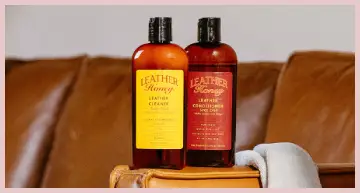
- Formula depth and penetration: Leather Honey uses a thick oil-heavy mix that sinks deep into the fibers and restores moisture from within.
Chemical Guys stays closer to the surface with a lighter blend that cleans and conditions in one go.
I noticed the biggest difference on older seats that felt stiff because Leather Honey softened them thoroughly while Chemical Guys mainly refreshed the outer look.
- Application process and time: Leather Honey needs a separate cleaner first then a thin layer that must sit for hours before buffing.
Chemical Guys often comes as a ready spray kit you can finish in under thirty minutes.
If your weekend is packed the Chemical Guys route feels faster yet you trade some long-term moisture for that speed and convenience.
- Longevity of results: One solid Leather Honey treatment held up through three months of daily driving and sun exposure on my truck seats.
Chemical Guys needed a top-up every few weeks to keep the same softness.
That difference adds up quickly if you dislike repeating the same job over and over.
- Ideal leather condition: Leather Honey shines brightest on dry cracked or neglected pieces that need real help.
Chemical Guys works better on leather that already looks decent and simply needs regular upkeep.
I tested both on a ten-year-old sofa and a newer car interior and the pattern stayed consistent every time.
- Finish and feel: Leather Honey leaves a dry natural matte surface once it is fully buffed and absorbed.
Chemical Guys can leave a subtle satin that some people prefer for a showroom look.
Neither finish is wrong it simply depends on whether you want the leather to feel like real leather or look more polished.
Key Features Of Leather Honey
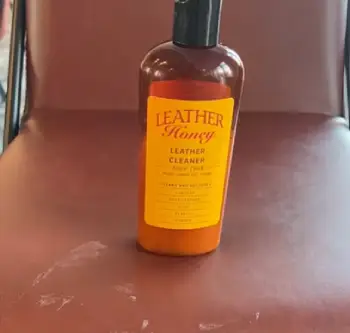
- Thick honey-like consistency that clings and penetrates: The product pours slowly and stays exactly where you put it giving the oils time to work into dry spots.
I found this especially useful on boots with deep creases that thinner liquids just run off without doing much good.
- Non-toxic silicone-free wax-free formula: No animal products appear in the mix and the formula carries zero scent at all.
That matters if you have kids or pets who climb all over the furniture because the clean ingredient list also means less chance of residue that attracts dust later.
- Water-repellent barrier after full absorption: Once it soaks in and you buff the surface light spills bead up instead of soaking straight through.
I spilled coffee on a treated armrest and wiped it clean with almost no mark left behind after the product had cured.
- Long application interval of three to six months: The brand claims six months while real-world use on daily-driver seats usually lands closer to three or four.
Still that is far less frequent than most competitors I have tried over the years.
- Made in the USA by a family company since 1968: The formula has stayed basically the same for decades which feels rare in a market full of constant reformulations.
That consistency gives me extra confidence when I reach for the bottle again.
Pros Of Leather Honey
- Deep restoration on thirsty leather: Dry seats that felt almost cardboard-stiff softened noticeably after one proper treatment. The change held for months instead of days which saved me from constant reapplication and kept the leather comfortable longer.
- Clean odorless finish with no greasy film once buffed: After the overnight wait and a good wipe the surface felt dry and natural. No transfer onto clothes happened even on hot summer days when other products would leave marks.
- Strong water resistance without heavy coatings: The barrier helps against rain snow and everyday spills while still letting the leather breathe. I noticed fewer water spots on treated boots after rainy walks compared with untreated pairs.
- Versatile across cars furniture jackets and bags: One bottle handled my truck interior a leather recliner and a pair of work boots without any issues. That multi-use factor stretches the value and means fewer products cluttering the shelf.
- Excellent safety profile for households: Non-toxic and free of common irritants means I never worried about residual chemicals around the house. The formula stays gentle enough for frequent contact with skin and fabric.
Cons Of Leather Honey
- Slow absorption that demands patience: You cannot rush the process because the product needs hours or overnight to work properly. Applying a thin coat and waiting feels inconvenient when you simply want the job finished quickly.
- Thick texture can feel sticky if you use too much: Over-application leaves a tacky surface until it fully soaks in. Thin layers and proper buffing fix the problem yet the learning curve is real for first-time users.
- Temporary darkening on light-colored leather: Some light tan or beige surfaces look richer at first after treatment. The color usually evens out over time yet you should always test a hidden spot first to avoid surprises.
- Requires a separate cleaner for best results: Conditioning dirty leather traps grime inside the fibers. Buying both the cleaner and conditioner raises the total cost compared with single-product options that do both jobs at once.
- Not suitable for suede or certain faux leathers: Stick to genuine and most top-grain pieces only. Using it on the wrong surface wastes product and can cause problems that are hard to reverse.
Key Features Of Chemical Guys Leather Products
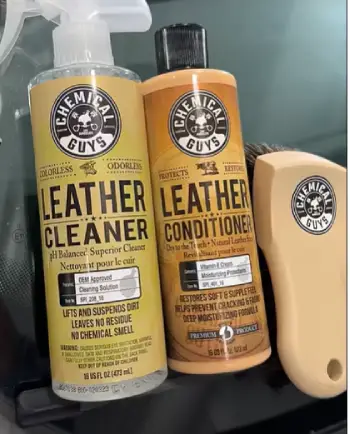
- Convenient cleaner-and-conditioner kits: Many sets include both steps in matching bottles so you can clean first and condition second without hunting for separate brands.
The spray format speeds everything up and keeps the process simple for beginners.
- Lighter consistency that spreads easily: The liquids go on thin and wipe off fast with almost no effort.
I finished an entire car interior in the time it took one Leather Honey seat to start absorbing properly.
- Mild scent that many users like: Some versions leave a light new-leather smell that fades after a day or two.
If you enjoy a fresh cabin scent this feature stands out and makes the car feel newly detailed.
- pH-balanced formulas with added conditioners like vitamin E: The cleaner lifts dirt without stripping oils aggressively from the surface.
The conditioner aims to put moisture back and claims some extra UV help for sun-exposed seats.
- Widely available and marketed for both cars and home: You can find the kits in most auto stores and online which makes restocking simple whenever supplies run low.
That easy access is a real plus for everyday users.
Pros Of Chemical Guys
- Fast low-effort application for routine care: Spray wipe and the job is done in minutes. Perfect when you only have thirty minutes before guests arrive or before a long road trip starts.
- Effective at lifting surface dirt and body oils: The cleaner pulled years of hand oils off my steering wheel and seat bolsters with minimal scrubbing. Stains that looked permanent lightened noticeably after one careful pass.
- Soft satin finish that looks refreshed: Leather comes out looking cleaner and slightly richer without heavy shine. Many people prefer this everyday appearance because it keeps the interior looking well cared for.
- Good value in kit form for beginners: Getting both cleaner and conditioner together costs less than buying premium single bottles separately. The learning curve stays gentle and the results appear quickly.
- Works on a range of leather types including some synthetics: I used it successfully on both genuine car seats and a faux-leather office chair without any issues. That flexibility makes it handy for mixed households.
Cons Of Chemical Guys
- Shorter-lasting conditioning effect: Softness fades within a few weeks on high-use surfaces. You end up repeating the process more often than with deeper conditioners that hold their results longer.
- Results can feel more surface-level: On truly dry or cracked leather the improvement stays milder and less dramatic. The product refreshes the look more than it restores the material from the inside.
- Scent can bother sensitive users: While many like the fragrance a few people mention it lingering too long or feeling chemical in a closed car. Testing a small area first helps avoid that issue.
- Professional detailers often criticize the brand overall: Many pros say the products lean more on marketing and convenience than on concentration or long-term durability. Some feel the lineup has too many similar items with different labels that confuse buyers.
- Occasional darkening or residue on light leather: Patch testing remains important especially on pale seats because results can vary by batch and leather type. A little care prevents unwanted color changes.
Real-World Performance Comparison
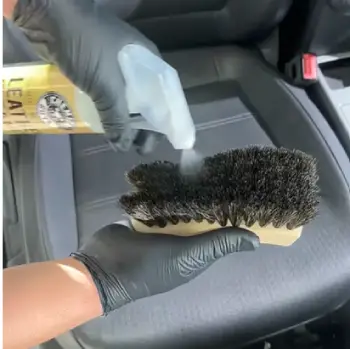
I ran side-by-side tests on matching sections of the same leather surfaces.
On a neglected driver’s seat that had gone chalky Leather Honey restored flexibility and reduced the white dry look within twenty-four hours. Chemical Guys cleaned the surface well and left it softer for a couple of weeks yet the deeper dryness returned sooner than I liked.
On a newer passenger seat that only needed maintenance Chemical Guys delivered quicker visual improvement and a pleasant cabin smell.
Leather Honey still worked but felt like overkill for leather that was already in decent shape and did not need heavy restoration.
Furniture tests followed the same pattern. An old recliner responded dramatically to Leather Honey and stayed soft through a full season of use.
Chemical Guys kept a newer sofa looking tidy with less effort between cleanings and required less planning around drying time.
Cost over a year also mattered. Leather Honey’s higher upfront price stretched further because I applied it fewer times across the seasons.
Chemical Guys kits cost less each purchase but required more frequent bottles to maintain the same level of softness.
How To Choose Based On Your Needs?
If your leather feels dry stiff or shows early cracks start with Leather Honey after a thorough clean.
Give it time to work and you will likely see longer-lasting softness that reduces future maintenance.
If you simply want regular cleaning and light conditioning without much fuss Chemical Guys kits fit the bill and keep the process short and easy.
Consider your schedule carefully. Busy people who prefer spray-and-go routines lean toward Chemical Guys for everyday upkeep.
Those willing to invest a quiet evening in deeper care get better mileage from Leather Honey and enjoy the extended results.
Always test a hidden spot first with either product. Leather varies by tannage age and previous treatments so results can differ even within the same vehicle or piece of furniture.
Also Read: Is Spray & Forget Roof Cleaner Worth It?
Frequently Asked Questions (FAQ)
Many professional detailers feel the brand focuses more on marketing and convenient ready-to-use formulas than on high-concentration products that deliver lasting results at scale. They often switch to other lines for better value and consistency on high-volume jobs.
Yes. It removes dirt oils and light stains effectively while staying gentle. Pair it with the conditioner for full results especially on neglected leather that needs both steps.
Franchisees sued Detail Garage and related companies claiming the operation functioned more like a vehicle to sell Chemical Guys products at inflated prices to franchise locations while the same products sold cheaper online through founder-linked channels.
Leather Honey provides deeper longer-lasting conditioning for dry or older leather. Leather CPR works better as a quick one-step cleaner-conditioner for regular maintenance when you need fast results without a long wait.
Final Thoughts
After running both products through months of real use on cars furniture and everyday leather goods I came away convinced that neither is universally better.
Leather Honey wins when the leather needs serious help and you want results that last for months. Chemical Guys wins when convenience and routine upkeep matter more than maximum depth.
You should match the product to the condition of your leather and the amount of time you are willing to spend. Test small areas apply thin coats and stick with the one that keeps your surfaces soft and protected the longest for your situation.
That practical approach will save you money and keep your leather looking its best year after year.
Recent Posts
● Interactive 5-Zone Interior & Exterior Paint Blueprint Paint Coverage Calculator: Gallons, Primer, Square Footage & Cost Tap any architectural surface zone on the blueprint...
If you want smooth, shiny hair without spending a fortune on a premium styling tool, the Ella Bella hair dryer may be worth considering.In these Ella Bella hair dryer reviews, I’ll look...