
As an avid outdoors enthusiast who’s carried multi-tools through countless hikes, repairs, and everyday fixes, I’m excited to share my take on the Leatherman Skeletool and its upgraded sibling, the Skeletool CX.
In this article, I’ll break down their similarities, differences, and help you decide which one fits your needs best by examining features, performance, and value from a practical standpoint.
| Feature | Skeletool | Skeletool CX |
| Weight | 5 ounces | 5 ounces |
| Length (Closed) | 4 inches | 4 inches |
| Blade Material | 420HC Stainless Steel | 154CM Stainless Steel |
| Handle Material | Stainless Steel | Stainless Steel with Carbon Fiber Insert |
| Tools Included | Pliers, Wire Cutters, Knife, Bottle Opener, Carabiner/Bottle Opener, Bit Driver | Pliers, Wire Cutters, Knife, Bottle Opener, Carabiner/Bottle Opener, Bit Driver |
| Price Range | $70-$80 | $90-$100 |
| Warranty | 25 Years | 25 Years |
| Customization Options | Limited | More Premium Finishes Available |
Understanding The Basics Of These Multi-Tools
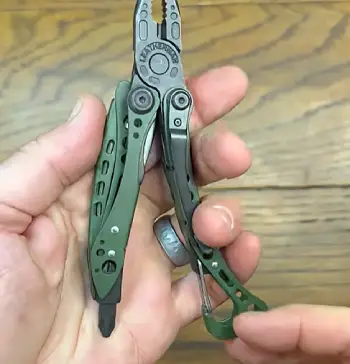
I’ve used both the standard Skeletool and the CX version in real scenarios, from fixing gear on a camping trip to quick tasks around the house.
The original Skeletool came out as a lightweight, minimalist option in Leatherman’s lineup, stripping away extras to focus on essentials.
It’s like the reliable friend who’s always there without weighing you down.
Then there’s the CX, which takes that foundation and adds a touch of premium flair, making it feel more refined for those who want something a step up.
What draws me to these tools is their one-handed operation. Picture this: you’re midway through a trail repair, one hand holding a broken strap, and with the other, you flip out the blade effortlessly.
Both models shine here, but I’ve noticed subtle differences in how they handle over time.
The standard model’s blade, made from 420HC steel, holds an edge well for everyday use, but if you’re like me and push your tools hard, you might find yourself sharpening it more often.
The CX upgrades to 154CM steel, which in my experience resists wear better, especially when cutting tougher materials like thick rope or wire.
It’s not a night-and-day difference, but over months of use, it adds up. Both share the same core tools:
needlenose pliers that grip precisely, wire cutters that snip cleanly, a straight-edge knife, a bottle opener that doubles as a carabiner clip, and a bit driver for screwdriver bits.
No scissors or saw here—these are for folks who prioritize portability over a full toolbox.
I’ve carried the standard Skeletool in my pocket daily, and its 5-ounce weight feels almost invisible. The CX matches that, but the carbon fiber insert on one handle gives it a sleeker, more modern vibe.
It’s not just cosmetic; it reduces the chance of scratches and adds a grippier feel in wet conditions.
If you’re someone who tosses their tool in a backpack with keys and other gear, that durability matters.
Key Differences Between The Leatherman Skeletool And Cx
From my testing, the differences aren’t overhaul-level but can sway your choice based on how you use it.
- Blade Material Quality: The CX’s 154CM steel outperforms the standard’s 420HC in edge retention and corrosion resistance.
I’ve noticed the CX stays sharp longer after cutting salty ropes near the ocean.
- Handle Enhancements: Carbon fiber on the CX adds a tactile upgrade and reduces weight slightly, though both are stainless underneath.
It makes the CX feel more premium during extended use.
- Price Point Variation: The standard is more budget-friendly at around $70, while the CX hits $90-$100.
I’ve found the extra cost justified if you value longevity.
- Aesthetic Appeal: The CX has a sleeker, blacked-out look with the fiber insert, versus the standard’s straightforward steel.
It’s a style win for those who care about appearance.
- Durability in Harsh Conditions: Both are tough, but the CX’s materials handle scratches and dings better.
I’ve dropped both, and the CX showed less wear.
- Warranty and Support: Identical 25-year coverage, but the CX might appeal more to users seeking a “forever” tool.
These nuances matter when you’re deciding between value and refinement.
Key Features Of The Skeletool
Let’s look at what makes the standard Skeletool stand out from my hands-on perspective.
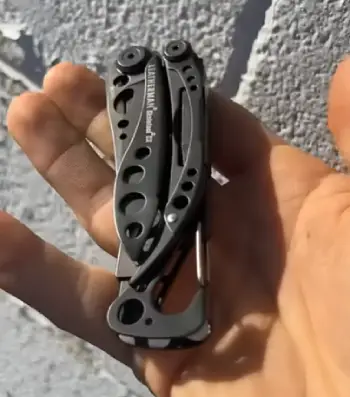
- Lightweight Design: At just 5 ounces, it’s perfect for everyday carry without bulking up your pockets or bag.
I’ve hiked miles with it and barely noticed it was there.
- One-Handed Blade Deployment: The knife flips out smoothly with a thumb stud, which I’ve used countless times for quick cuts on packaging or rope.
- Integrated Carabiner Clip: This doubles as a bottle opener and lets you clip it to a belt loop or pack.
It’s saved me from digging through pockets more than once.
- Bit Driver System: Comes with a reversible bit for Phillips and flathead screws, and you can swap in others.
I’ve fixed sunglasses and bike parts with it on the go.
- Durable Stainless Steel Construction: The handles and tools hold up to abuse, though the blade might need occasional sharpening after heavy use.
- Pocket Clip: Keeps it secure in your pocket, and it’s removable if you prefer a different carry style.
These features make it a go-to for minimalists like me who want reliability without excess.
Pros Of The Skeletool
I’ve relied on the standard model for years, and here’s why it earns its keep.
- Affordable Entry Point: At a lower price, it’s accessible for beginners or as a backup tool. I’ve gifted it to friends without breaking the bank.
- Ultra-Portable: The weight and size make it disappear in your pocket. Perfect for daily carry without fatigue.
- Reliable Core Tools: Pliers grip tightly, cutters slice cleanly—I’ve used it for everything from wiring to opening cans.
- Simple Maintenance: Easy to clean and sharpen the blade at home. No fancy parts to worry about.
- Versatile for Light Duties: Great for hiking, biking, or office fixes. It handles 80% of what I need without extras.
- Removable Pocket Clip: Customizes carry options. I’ve switched it to belt use seamlessly.
It’s a no-frills winner for practical users.
Cons Of The Skeletool
No tool is perfect, and I’ve run into a few limitations.
- Blade Dullness Over Time: The 420HC steel requires more frequent sharpening if you’re cutting tough stuff regularly.
- Basic Handle Grip: All-steel can slip in wet hands. I’ve added tape for better hold in rain.
- Limited Tools: No scissors or file means it’s not ideal for all scenarios. I’ve missed those on detailed tasks.
- Visible Wear: Scratches show easily on the steel. After a year, mine looks battle-worn.
- Bit Storage Issues: Only holds one bit onboard. I’ve lost extras in my bag.
- Not the Sharpest Out-of-Box: Needed honing right away for optimal performance.
These are minor for casual use but noticeable for heavy-duty folks.
Key Features Of The Skeletool CX
The CX builds on the original with some thoughtful upgrades that I’ve appreciated in tougher environments.
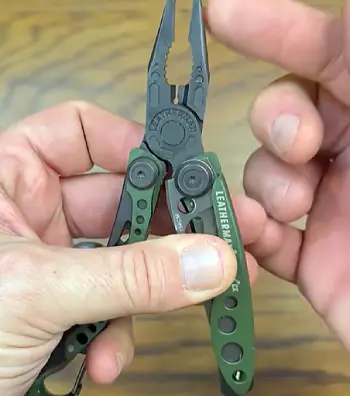
- Premium 154CM Blade Steel: Holds an edge longer than the standard’s 420HC, ideal for frequent cutters.
I’ve sliced through dense materials with less effort.
- Carbon Fiber Handle Insert: Adds lightness and style while improving grip.
It feels premium in hand and resists wear better.
- Same Lightweight Frame: Still 5 ounces, so no compromise on portability.
I’ve carried it just as easily as the original.
- Enhanced One-Handed Access: The blade deploys even smoother, with a refined mechanism that clicks satisfyingly.
- Versatile Carabiner/Bottle Opener: Identical to the standard but pairs well with the upscale look for urban or outdoor use.
- Bit Driver Compatibility: Works with the same bits, but the overall build quality makes tasks feel more precise.
It’s like the original got a luxury makeover without losing its core appeal.
Pros Of The Skeletool CX
The CX has become my primary carry, and these strengths explain why.
- Superior Blade Performance: 154CM steel stays razor-sharp longer. I’ve gone weeks without touching it up.
- Enhanced Grip and Style: Carbon fiber feels great and looks sharp. It’s a conversation starter among gear heads.
- Same Portability with Upgrades: Lightweight as ever, but premium materials boost confidence in rough use.
- Precise Tool Operation: Everything clicks smoother. Pliers feel more responsive.
- Better Corrosion Resistance: Handles moisture well—ideal for coastal adventures I’ve taken.
- Investment Value: The durability means it lasts longer, saving money over time.
It’s worth the splurge for frequent users.
Cons Of The Skeletool CX
Even the upgraded version has drawbacks I’ve encountered.
- Higher Cost: Paying extra for refinements might not appeal to budget-conscious buyers.
- Similar Tool Set: No added functions, so if you need more tools, look elsewhere.
- Carbon Fiber Fragility: While tough, it can chip if abused. I’ve been careful with drops.
- Availability Fluctuations: Sometimes harder to find in stores than the standard.
- Overkill for Light Use: If you’re not pushing it hard, the upgrades might go unnoticed.
- Maintenance Still Required: Blade needs care, though less often.
It’s premium, but not transformative.
In-Depth Analysis Of Performance In Real Scenarios
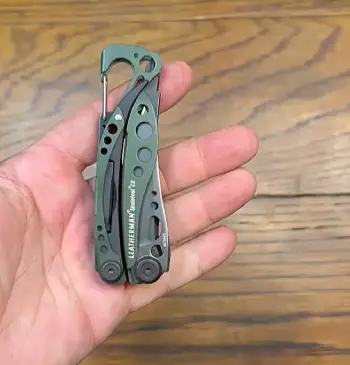
I’ve put both through their paces in various settings.
On a weekend hike, the standard Skeletool’s pliers helped me adjust a loose tent stake without issue.
The wire cutters snipped excess cord cleanly, and the knife trimmed branches for kindling. It felt balanced, never cumbersome.
Switching to the CX on a similar trip, the blade’s edge held up better against thorny vines, and the carbon fiber grip stayed secure even with sweaty hands.
Small wins like that accumulate.
For urban use, like fixing a bike chain in the city, both excel.
The bit driver on the standard tightened bolts efficiently, but the CX’s smoother action made it quicker.
I’ve also used them for household tasks—opening packages, assembling furniture.
The standard’s affordability makes it forgiving if misplaced, while the CX’s premium feel encourages better care.
Durability-wise, after dropping both on concrete, the standard showed dents, but functioned fine.
The CX’s fiber insert scuffed slightly, yet the steel core remained intact.
In wet conditions, like fishing trips, the CX resisted rust better thanks to its blade steel. I’ve submerged both briefly, and while Leatherman recommends drying them, the CX dried without spots.
Value is subjective. If you’re on a budget and use it occasionally, the standard shines. For daily drivers or pros, the CX’s longevity pays off.
I’ve calculated: if the standard needs replacing every few years due to wear, the CX might outlast it, evening the cost.
Customization is limited for both, but the CX offers more finish options, like black oxide coatings. I’ve stuck with stock, but it’s nice for personalization.
Weighing The Decision: Which One For You?
From my analytical view, consider your lifestyle. If you’re a casual user—weekend warrior or DIY hobbyist—the standard Skeletool offers unbeatable bang for buck.
It’s reliable, light, and gets the job done without fanfare. I’ve recommended it to beginners countless times.
For those who demand more, like tradespeople or serious adventurers, the CX elevates the experience. The better blade and handle make repetitive tasks less frustrating.
I’ve switched to it full-time because those incremental improvements matter in my routine.
Both back Leatherman’s reputation for quality. I’ve never had a warranty issue, but knowing it’s there adds peace of mind.
Frequently Asked Questions (FAQ)
The CX features upgraded 154CM blade steel for better edge retention and a carbon fiber handle insert for improved grip and style, while keeping the same weight and tool set as the standard.
It lacks tools like scissors or a saw, the blade may dull faster on the standard model, and the all-steel handle can slip when wet.
The military often uses models like the MUT or Surge for their robust, specialized features tailored to tactical needs.
Many Reddit users say yes for the premium blade and durability, especially for heavy use, but some find the standard sufficient for the price.
Wrapping It Up
I’ve shared my experiences with the Leatherman Skeletool and CX, highlighting how they’ve performed in my hands.
You might lean toward the standard for its simplicity and cost, or the CX for that extra edge in toughness.
Whichever you choose, you’ll have a dependable companion.
Think about what you need most—portability, durability, or value—and go from there. Thanks for reading; I hope this helps you pick the right one.
Recent Posts
I spent months comparing budget options against established names after my last set of tires wore out sooner than expected.My goal here is to share what I learned from putting Dextero and...
AquaTru Carafe Vs. Classic: Which Is Actually Fits Your Kitchen?
I decided to write this comparison after months of testing both the AquaTru Carafe and the Classic in my own kitchen. Tracking covered daily use.Taste stayed consistent. Refill frequency...