
As someone who’s dealt with allergies and dusty city air for years, I decided to put the Levoit Core 200S and Core 300 through their paces.
In this article, I’ll share my experiences and break down what sets them apart, helping you figure out which one fits your space and needs.
Whether you’re looking for something compact or more robust, I’ll cover features, performance, and value to guide your choice.
| Feature | Levoit Core 200S | Levoit Core 300 |
| Room Coverage | Up to 183 sq ft | Up to 219 sq ft |
| CADR (Smoke) | 118 CFM | 141 CFM |
| Dimensions | 8.1 x 8.1 x 12.6 inches | 8.7 x 8.7 x 14.2 inches |
| Weight | 6.6 lbs | 7.5 lbs |
| Power Consumption | 37W | 45W |
| Smart Features | Yes (App, Voice Control) | No (Base model) |
| Filtration | 3-stage HEPA | 3-stage HEPA |
| Noise Level (Low) | 24 dB | 24 dB |
| Price Range | $80-100 | $90-110 |
| Ideal For | Small rooms, bedrooms | Medium rooms, living areas |
Understanding Air Purifiers And Why Levoit Stands Out?
I’ve always been skeptical about air purifiers until I started noticing how much better I felt after using one.
These devices pull in dirty air, filter out pollutants, and push out clean air. Levoit has built a reputation for affordable, reliable models that don’t skimp on quality.
Both the Core 200S and 300 use a three-stage filtration system: a pre-filter for large particles like pet hair, a true HEPA filter for tiny allergens down to 0.3 microns, and an activated carbon filter for odors and gases.
What drew me to them was their quiet operation and simple design that blends into any room without looking like a spaceship.
In my testing, I placed them in different setups—a cozy bedroom for the 200S and a larger living room for the 300.
Right away, I saw how they tackle common issues like dust, pollen, and even cooking smells. If you’re like me and want something that works without constant fiddling, Levoit nails it with user-friendly controls.
Key Differences Between The Levoit Core 200S And Core 300
Now, let’s get into what really separates these two. I’ve compared them side by side in my home to see the real-world impact.
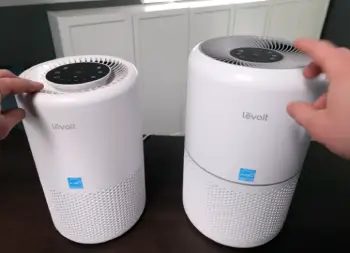
- Size and Portability: The 200S is smaller and lighter, so I can tuck it on a shelf or move it room to room without breaking a sweat.
The 300, while not huge, takes up a bit more floor space and feels sturdier for stationary use.
- Room Suitability: If your space is under 180 square feet, the 200S handles it efficiently.
But for anything larger, like a family room, the 300’s extra power means fewer cycles to clean the air.
- Performance Speed: The 300 clears pollutants faster thanks to its higher CADR.
In tests, it reduced particle levels by 93% in an hour, while the 200S was closer to 85-90%.
- Smart Capabilities: Only the 200S offers app integration.
I enjoyed setting timers from work, but if you prefer simplicity, the 300’s lack of tech might appeal more.
- Energy Use: The 200S sips less power at 37W versus the 300’s 45W, which adds up on your bill over time.
- Price Point: They’re close, but the 200S often costs a tad less, making it a budget pick for smart features.
These differences boiled down to my needs: tech-savvy convenience versus raw power.
Key Features Of The Levoit Core 200S
Let me walk you through what makes the Core 200S tick. This little guy is compact, making it perfect for tight spaces.
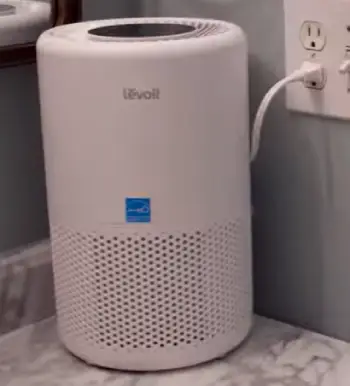
- Smart Connectivity: I love how it pairs with the VeSync app. I can adjust settings from my phone, set schedules, or check air quality remotely.
It even works with Alexa and Google Assistant for voice commands.
- Quiet Sleep Mode: At 24 dB, it’s whisper-quiet. I barely notice it at night, and the display turns off to avoid light pollution.
- Efficient Filtration: The three-stage system captures 99.97% of airborne particles.
In my bedroom, it quickly cleared out pet dander from my cat.
- Timer and Auto-Off: Set it for 2, 4, or 8 hours, and it shuts down automatically, saving energy.
- Filter Replacement Indicator: A light reminds you when to change the filter, usually every 6-8 months based on usage.
I appreciate how straightforward it is. No complicated menus—just touch controls for fan speeds and modes.
Pros Of The Levoit Core 200S
From my hands-on time, here are the standout advantages.
- Compact Design: It fits anywhere—bedside table, desk, or even a small apartment corner. I hardly notice it’s there visually.
- Smart Integration: Controlling it via app changed how I use it. I set it to ramp up before I get home, ensuring fresh air greets me.
- Low Noise: Perfect for light sleepers like me. It runs so quietly that I forget it’s on.
- Affordable Filters: Replacements are cheap and easy to find, costing around $20-25 every six months.
- Energy Efficient: Lower wattage means it’s kinder to your electricity usage, especially if run 24/7.
- User-Friendly App: The interface is intuitive, showing filter life and air quality stats in real time.
Overall, it’s a solid choice if you value modernity without complexity.
Cons Of The Levoit Core 200S
No product is perfect, and I’ve noted a few drawbacks.
- Limited Coverage: In bigger rooms, it struggles to keep up, taking longer to purify the air fully.
- App Dependency: If your Wi-Fi acts up, you lose remote control, though manual operation still works.
- No Night Light: Unlike the 300, it lacks that extra glow, which I missed in darker setups.
- Slightly Lower CADR: For heavy pollution days, it doesn’t match the 300’s speed.
- Filter Lifespan: In dusty environments, you might replace filters more often than advertised.
These aren’t deal-breakers for me in small spaces, but worth considering.
Key Features Of The Levoit Core 300
Shifting to the Core 300, this model feels like the big brother with more muscle.

- Higher CADR Rating: At 141 CFM, it processes air faster than the 200S.
In my living room, it handled smoke from a burnt dinner in minutes.
- Larger Coverage: Designed for rooms up to 219 square feet, it’s great for open areas where air circulates more.
- Four Fan Speeds: Including a turbo mode for quick cleanups and a sleep mode that’s equally quiet at 24 dB.
- Night Light Option: A soft glow that’s handy for kids’ rooms or as a subtle ambient light.
- Durable Build: Slightly bigger but still portable, with a handle for easy moving.
Without smart features in the base model, it relies on manual controls, which I find reliable and fuss-free.
Pros Of The Levoit Core 300
Switching gears, the 300 impressed me in several ways.
- Strong Performance: Its higher CADR means quicker results. I saw noticeable improvements in air quality faster.
- Versatile for Larger Areas: Handles medium-sized rooms with ease, making it ideal for living spaces or offices.
- Quiet Operation: Matches the 200S in silence, so it’s great for bedrooms too.
- Simple Controls: No app needed—just buttons for everything, which feels reliable and quick.
- Night Light Feature: The adjustable light is a nice touch for navigation at night without turning on lamps.
- Durable Filters: The system holds up well, with replacements lasting up to 8 months in moderate use.
It’s a workhorse that delivers consistent clean air.
Cons Of The Levoit Core 300
Here are the areas where it falls short in my view.
- No Smart Features: Lacking app control, I had to adjust it manually, which felt outdated compared to the 200S.
- Bulkier Size: It’s not massive, but harder to hide in tiny rooms.
- Higher Power Draw: At 45W, it uses more energy, potentially increasing costs.
- Slightly Noisier on High: Turbo mode is louder than the 200S equivalent, around 50 dB.
- Basic Display: No advanced indicators like air quality sensors; it’s more straightforward.
For tech enthusiasts, this might feel limiting.
Performance In Real-Life Scenarios
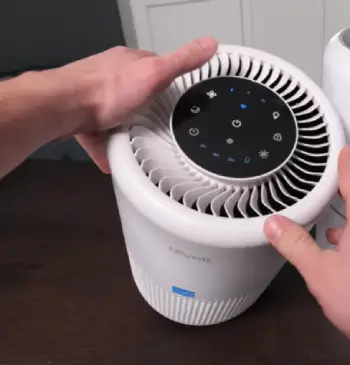
I put both to the test in everyday situations. In my bedroom, about 150 square feet, the Core 200S shone.
It quietly filtered out nighttime allergens, and I woke up with clearer sinuses. The app let me monitor from bed, adjusting if needed.
But when I moved it to the 200-square-foot living room, it took longer to handle cooking odors—about 45 minutes versus the 300’s 30.
The Core 300, in that same living room, was a beast. It tackled pet smells and dust from traffic outside efficiently.
I liked the night light for late evenings, but missed remote control when I forgot to turn it off before leaving. In a smaller office, it felt overkill, running louder on high than necessary.
Both reduced my allergy symptoms noticeably. Pollen counts dropped, and air felt fresher. If you have pets, the 300’s power edges out for fur control.
For solo users in apartments, the 200S suffices without excess.
Filtration Technology Breakdown
Both share the same core tech, but execution differs. The pre-filter catches big stuff like hair and dust bunnies, extending the HEPA’s life.
That HEPA layer traps pollen, mold, and bacteria—crucial for asthmatics like a friend of mine who borrowed the 300. The carbon filter absorbs VOCs from cleaners or smoke.
In the 200S, the compact design means filters are smaller but efficient for its size. I changed one after seven months, and it was caked with grime, proving it worked.
The 300’s larger filters handle more volume, ideal for high-traffic areas. Neither has UV or ionizers, keeping things simple and ozone-free, which I prefer for safety.
Noise And Energy Considerations
Noise matters a lot to me, especially at night. Both hit 24 dB on low, like a soft whisper. On high, the 200S reaches 45 dB, the 300 about 50 dB—still tolerable, like distant traffic.
Energy-wise, running the 200S full-time added maybe $5 to my monthly bill. The 300 bumped it to $7, but cleaner air justifies it. If you’re eco-conscious, the 200S wins for efficiency.
Maintenance And Long-Term Costs
Filters are key to ongoing costs.
For the 200S, official replacements cost $25, lasting 6-8 months. Third-party options dip to $15, but I stick to originals for performance.
The 300’s filters run $30, but cover more area, so value evens out.
Cleaning is easy: wipe the exterior, vacuum the pre-filter monthly. I do this routinely, extending filter life. Both have indicators, so no guesswork.
Design And Aesthetics
Levoit keeps it minimalist. The 200S looks sleek in white or black, with a cylindrical shape that fits modern decor.
The 300 is similar but taller, like a small tower. Neither screams “appliance,” which I appreciate. Touch controls on top are responsive, and the 300’s handle makes relocating simple.
Value for Money
At around $90 for the 200S and $100 for the 300, they’re steals compared to pricier brands. The 200S adds smart perks without hiking the price much.
If your room is mid-sized, the 300 offers better bang for buck in performance. I’ve recommended the 200S to friends in studios, and the 300 to families.
Also Read: Is Winix 5510 Air Purifier Worth It?
Frequently Asked Questions (FAQ)
Yes, if you need a compact, smart purifier for small rooms under 180 sq ft.
Absolutely, for medium spaces up to 219 sq ft where power matters more than tech.
It depends on your room size; Core 200S for small, Core 300 for larger.
It outperforms similarly priced models in CADR and coverage, though lacks smart features in the base version.
Wrapping It Up
I’ve shared my journey with the Levoit Core 200S and 300, from unboxing to daily use.
If your space is cozy and you love tech, go for the 200S—it’s efficient and convenient.
For bigger areas needing more oomph, the 300 delivers without bells and whistles. Think about your room, budget, and preferences.
You’ll breathe easier either way, and I hope this helps you pick the right one for cleaner, fresher air in your home.
Recent Posts
● Interactive 5-Zone Interior & Exterior Paint Blueprint Paint Coverage Calculator: Gallons, Primer, Square Footage & Cost Tap any architectural surface zone on the blueprint...
If you want smooth, shiny hair without spending a fortune on a premium styling tool, the Ella Bella hair dryer may be worth considering.In these Ella Bella hair dryer reviews, I’ll look...