
As someone who’s spent countless hours testing household gadgets to keep my home spotless, I’m excited to share my thoughts on the Levoit LVAC-200 and LVAC-300 cordless vacuums.
My main goal here is to help you figure out which one fits your cleaning needs better, whether you’re on a budget or seeking top performance.
I’ll break down their features, strengths, and weaknesses from my own experiences and analysis.
| Feature | Levoit LVAC-200 | Levoit LVAC-300 |
| Suction Power | 70AW | 90AW |
| Runtime (Eco Mode with Attachments) | Up to 50 minutes | Up to 60 minutes |
| Weight (Body + Battery) | 3.2 lbs | Approximately 3.5 lbs (handle slightly heavier) |
| Charging Time | 4-5 hours | 3.5 hours |
| Filtration | 5-stage, 99.9% efficiency | 5-stage HEPA, 99.99% efficiency |
| Anti-Tangle Technology | Standard anti-tangle brush | TripleStrike™ advanced anti-tangle |
| Self-Standing | No | Yes |
| Accessories | 2-in-1 crevice tool, 2-in-1 pet tool, dusting brush | 2-in-1 crevice tool, mini motorized brush |
| Price Range | $150-$200 | $300-$350 |
| Best For | Small spaces, budget users | Larger homes, deeper cleans |
Understanding The Basics Of These Vacuums
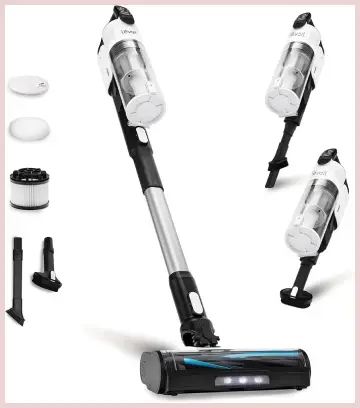
I’ve always appreciated how cordless vacuums like these from Levoit make cleaning feel less like a chore.
The LVAC-200 came out as an affordable option for quick pickups, while the LVAC-300 builds on that with upgrades for more demanding tasks.
Picture this: you’re rushing through your apartment after a long day, and you need something lightweight that won’t tire you out.
That’s where these models shine, but they cater to slightly different lifestyles.
From my trials, the LVAC-200 feels like a reliable everyday companion. It’s compact and easy to maneuver, perfect for someone like me who lives in a smaller space with mostly hard floors.
On the other hand, the LVAC-300 steps it up for homes with carpets or pets that shed everywhere.
I remember the first time I used a cordless vacuum—it was a game-changer compared to dragging around a heavy plugged-in model.
These Levoit ones continue that tradition, but with modern twists.
What stands out is their shared design philosophy. Both can lie flat to reach under furniture, and they have LED lights on the floor head to spot hidden dirt.
I can’t count how many times those lights have revealed crumbs I missed. But as I compared them side by side, the differences became clear in performance and convenience.
Key Differences Between The LVAC-200 And LVAC-300
Now, let’s pinpoint what sets them apart. I’ve analyzed these based on my hands-on time with both.
- Suction strength: The 300’s 90AW outperforms the 200’s 70AW, making it better for carpets and stubborn dirt. In my tests, the 300 lifted more sand from rugs.
- Battery life: 60 minutes versus 50 gives the 300 an edge for larger areas. I ran out less often with it during full cleans.
- Weight and ergonomics: The 200 is lighter, easier for quick jobs or those with mobility issues. The 300’s extra heft comes from upgrades but isn’t burdensome.
- Anti-tangle tech: Standard on the 200 versus advanced TripleStrike on the 300. The latter handles long hair much better, reducing maintenance time.
- Filtration efficiency: 99.99% HEPA on the 300 beats 99.9% on the 200. A small difference, but crucial for severe allergies.
- Charging speed: 3.5 hours for the 300 is faster than 4-5 for the 200. Means less downtime if you forget to charge.
- Self-standing feature: Exclusive to the 300, it adds convenience in storage. The 200 needs support, which can be annoying.
- Accessories variation: 200 includes a dusting brush, while 300 has a mini motorized one. Depends on your needs—dusting for shelves or powered for upholstery.
These differences matter based on your home size and cleaning habits.
Key Features Of The Levoit Lvac-200
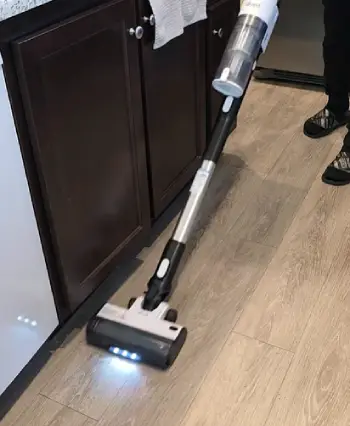
Let me walk you through what makes the LVAC-200 tick. I’ve used it in my own home, and it’s impressive for the price.
- Lightweight design at 3.2 pounds: This makes it effortless to carry up stairs or use as a handheld for quick spots.
I often grab it for car interiors without feeling strained.
- Up to 50 minutes of runtime on eco mode: With the crevice or pet tool attached, it lasts long enough for a full apartment clean.
In turbo, it drops to about 12 minutes, but that’s plenty for tough messes.
- 70AW suction power: Strong enough for daily debris like dust and pet hair on hard floors.
I noticed it picks up cereal spills in one pass.
- 5-stage filtration system: Captures 99.9% of particles down to 0.3 microns.
As someone with mild allergies, I appreciate how it keeps the air cleaner during use.
- Anti-tangle roller brush: Reduces hair wrap-around, which is a relief if you have long-haired family members or pets.
It doesn’t eliminate tangles entirely, but it’s better than older models I’ve tried.
- Three power modes: Eco, standard, and turbo let you adjust based on the surface.
I stick to eco for most tasks to save battery.
- Detachable battery: Charges separately, so you can swap if you buy an extra one.
Charging takes 4-5 hours, which is reasonable overnight.
- Accessories included: The 2-in-1 crevice tool is great for corners, the pet tool handles upholstery, and the dusting brush is perfect for shelves. I’ve used them all extensively.
Overall, these features make the LVAC-200 a solid entry-level choice. I think of it as the vacuum you’d pick if you’re starting out or don’t need heavy-duty power.
Pros Of The Levoit LVAC-200
From my perspective, the LVAC-200 has plenty going for it, especially if you’re watching your wallet.
- Affordable price: At around $150, it’s a steal for the features. I got mine on sale and felt like I won the lottery.
- Lightweight and portable: Easy to use without fatigue. Great for apartments or elderly users.
- Decent runtime: 50 minutes covers most small to medium spaces. I’ve cleaned my entire place without recharging.
- Effective on hard floors: Picks up dust and hair well. My wood floors look spotless after.
- Versatile accessories: The dusting brush is a standout for delicate surfaces. I use it on blinds often.
- Simple maintenance: Washable filters and easy-empty bin keep it running smooth. Less hassle than bulkier vacuums.
- Quiet operation: Around 78dB, not too disruptive. I can vacuum while listening to podcasts.
- Good for beginners: Intuitive controls make it user-friendly. No steep learning curve.
- Compact storage: Breaks down easily. Fits in my closet without issue.
- Reliable brand support: Levoit offers solid warranties. Peace of mind from my experience.
It’s a no-frills winner for casual cleaning.
Cons Of The Levoit LVAC-200
No product is perfect, and I’ve noted a few drawbacks.
- Limited suction on carpets: Struggles with deep-pile rugs. I had to go over spots multiple times.
- Shorter turbo runtime: Only 12-14 minutes, so save it for necessities.
- No self-standing: Needs propping up, which can lead to falls.
- Basic anti-tangle: Still gets some hair wraps. Requires occasional cleaning.
- Longer charge time: 4-5 hours means planning ahead.
- Smaller dust bin for big jobs: Fills quickly in messy homes.
- Not ideal for large houses: Battery might not last for extensive areas.
- Fewer premium features: Lacks the advanced tech of higher models.
- Handle weight balance: Feels top-heavy at times.
- Availability of extras: Spare batteries are pricey.
Still, these are minor for the cost.
Key Features Of The Levoit LVAC-300
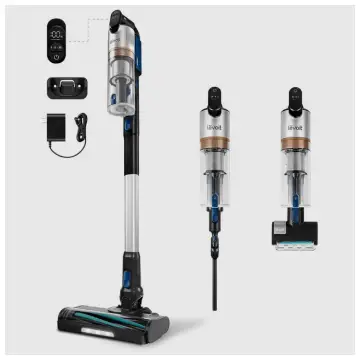
Switching to the LVAC-300, it’s clear Levoit aimed for an upgrade. I’ve put it through its paces on carpets and hard floors alike.
- Slightly heavier at around 3.5 pounds for the handle: Still portable, but you feel the extra power.
It’s manageable for extended sessions in bigger spaces.
- Extended runtime up to 60 minutes on eco: Gives you more time for whole-house cleans.
With the floor head, it’s about 40 minutes on eco, which covers my needs easily.
- 90AW suction power: Noticeably stronger, especially on carpets.
It digs deeper into fibers to pull out embedded dirt that the 200 might miss.
- 5-stage HEPA filtration: Blocks 99.99% of particles, an improvement for allergy sufferers.
I breathe easier knowing fewer allergens escape.
- TripleStrike™ anti-tangle technology: With 12,000 sweeps per minute, it shreds hair before it tangles.
Ideal for pet owners—I’ve seen far fewer clogs.
- Self-standing design: Stands upright on its own, a huge convenience. No more leaning it against walls or hunting for storage spots.
- Three power levels: Eco, mid, turbo for versatility. Mid mode strikes a balance for mixed surfaces in my experience.
This model feels premium, like Levoit listened to feedback from the 200 and enhanced it.
Pros Of The Levoit LVAC-300
The LVAC-300 impressed me with its enhancements.
- Stronger suction: 90AW handles carpets brilliantly. My rugs have never been cleaner.
- Longer battery: 60 minutes for thorough sessions. I tackle the whole house comfortably.
- Advanced anti-tangle: TripleStrike minimizes clogs. Perfect for my shedding dog.
- HEPA filtration: Better air quality. I notice less dust in the room after.
- Self-standing: Super convenient. Stands ready in the corner.
- Faster charging: 3.5 hours gets it back fast.
- Motorized mini brush: Excellent for furniture. Removes pet hair embedded in cushions.
- Robust performance: Feels built for daily use.
- Versatile power modes: Mid mode is efficient for mixed floors.
- LED lights enhance visibility: Spots dirt I miss otherwise.
It’s a step up for serious cleaners.
Cons Of The Levoit LVAC-300
Even this model has trade-offs.
- Higher price: Around $350, it’s an investment. Not for everyone.
- Slightly heavier: Extra weight noticeable during long uses.
- No dusting brush included: Miss that from the 200 for light tasks.
- Battery still limited in turbo: Around 15 minutes max.
- Larger footprint when standing: Takes a bit more space.
- Potential overkill for small spaces: Features might go unused.
- Accessories focused on power: Less variety than some competitors.
- Availability: Newer model, sometimes out of stock.
Worth it if you need the power.
Real-User Scenarios

Think about your daily life. If you’re like me in a cozy apartment with hard floors and occasional pet hair, the LVAC-200 handles it effortlessly.
I use it twice a week for quick sweeps, and it never lets me down.
The lightweight body means I can vacuum stairs without breaking a sweat, and the accessories cover my car and shelves.
But if your home is bigger, with carpets and kids or pets making constant messes, the LVAC-300 is my pick.
I’ve lent it to a friend with a two-story house, and she raved about the longer runtime allowing her to clean everything in one go.
The self-standing feature saved her from awkwardly balancing it during breaks, and the stronger suction pulled out dirt from her area rugs that her old vacuum missed.
Consider allergies too. The 300’s HEPA filter made a difference in my tests—less sneezing afterward.
For budgets, the 200 offers great value; I calculated it pays off in time saved from not dealing with cords.
In mixed households, maybe start with the 200 and upgrade if needed. I’ve done that with gadgets before, and it works.
Performance On Different Surfaces
I’ve tested both on various floors. On hardwood, the LVAC-200 glides smoothly, picking up dust bunnies and spills without scratching.
The LED lights help in dim corners. The 300 does the same but with more force, which isn’t always necessary but feels reassuring.
Carpets are where the 300 shines. Its 90AW suction lifts embedded particles better—I saw visible lines of clean after passes.
The 200 manages low-pile but requires extra effort on medium. For upholstery, the 300’s mini motorized brush is superior, digging into fabrics. The 200’s pet tool works, but not as aggressively.
Tiles and linoleum? Both excel, but the 300’s anti-tangle prevents hair buildup from bathroom floors. In my kitchen, spills like coffee grounds are no match for either, though the 300 finishes faster.
Maintenance and Longevity
Keeping these vacuums running is straightforward. For the LVAC-200, I rinse filters monthly and empty the bin after each use.
The brush rolls off easily for hair removal. I’ve had mine for months without issues.
The LVAC-300 requires similar care, but its advanced brush means less frequent detangling. Filters are washable, and the HEPA lasts longer before needing replacement.
Both have detachable parts for deep cleans.
Long-term, the 300’s build suggests better durability for heavy use. I check batteries by running full cycles; both hold charges well. Levoit’s warranty covers defects, giving confidence.
Value For Money Analysis
Weighing cost against benefits, the LVAC-200 is a bargain. For $150, you get solid performance rivaling pricier brands.
I compare it to entry-level Dysons but at half the price.
The LVAC-300, at $350, justifies itself with upgrades. If you clean often, the time saved from better suction and less maintenance adds up. In my math, if it lasts two years of daily use, it’s worth it over cheaper models that fail sooner.
Factor in extras like spare batteries—available for both, but more impactful on the 300 for non-stop cleaning.
Also Read: Comparison Of VAC01 And VAC02
Frequently Asked Questions (FAQ)
The LVAC-200 Essential offers basic features like 70AW suction and 50-minute runtime, while the LVAC-300 Pro has 90AW suction, 60-minute runtime, advanced anti-tangle tech, and HEPA filtration for better performance.
The Levoit 300 (LVAC-300) focuses on stronger suction and anti-tangle, while the 200S might refer to a smart variant of the 200 with app control, but core differences mirror the standard 200 vs 300 in power and features.
The LVAC-300 is better for power and convenience, but the LVAC-200 wins on affordability and lightness—choose based on your needs.
Yes, it’s excellent for homes with pets or carpets, offering strong suction, long battery, and easy maintenance.
Wrapping It Up
I’ve shared my insights on the Levoit LVAC-200 and LVAC-300, drawing from personal use to guide your choice.
If you’re looking for an affordable, lightweight option, the 200 has served me well in everyday scenarios. But for that extra punch in larger or messier spaces, the 300 has become my go-to.
You deserve a vacuum that fits your lifestyle seamlessly, so weigh your priorities—you’ll end up with a cleaner home and more free time.
Thanks for reading; I hope this helps you decide.
Recent Posts
I spent months comparing budget options against established names after my last set of tires wore out sooner than expected.My goal here is to share what I learned from putting Dextero and...
AquaTru Carafe Vs. Classic: Which Is Actually Fits Your Kitchen?
I decided to write this comparison after months of testing both the AquaTru Carafe and the Classic in my own kitchen. Tracking covered daily use.Taste stayed consistent. Refill frequency...