
I spent weeks living with both Levoit and Coway units in my own home, tracking air quality, noise, filter costs, and daily convenience.
My goal here is simple: give you a clear, real-world breakdown so you can decide which brand fits your space, budget, and lifestyle without the usual marketing fluff.
| Feature | Levoit (Core 300S / Vital 200S / Core 600S range) | Coway (AP-1512HH / Airmega 200M / 400 range) |
| Typical Price | $80–$300 | $160–$450 |
| Realistic Room Coverage | 180–635 sq ft (model dependent) | 280–575 sq ft (model dependent) |
| CADR (Smoke/Dust range) | 140–410 CFM | 233–368 CFM |
| Filtration | 3-stage (pre + H13 HEPA + carbon) | 3–4 stage (pre + True HEPA + carbon, some with optional ionizer) |
| Noise (Low/High) | 22–56 dB | 22–54 dB |
| Smart Features | Strong (VeSync app, sensors, voice on many) | Basic to none (solid auto mode) |
| Filter Cost / Life | $25–$50 every 6–8 months | $45–$100 every 8–12 months |
| Warranty | Usually 2 years | 1–5 years |
| Best For | Value, bedrooms, smart homes | Durability, medium rooms, set-and-forget |
Key Differences Between Levoit And Coway
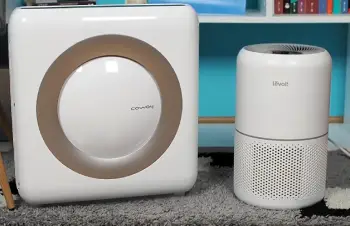
- Price and long-term ownership cost: Levoit almost always costs less upfront and keeps filter expenses lower over time.
I paid under $150 for a solid Core 300S and still spend less each year on replacements. Coway units start higher and their filters run pricier, though some last longer between changes.
Over three to five years the Levoit path usually stays cheaper unless you specifically need the heavier-duty Coway motors.
- Room coverage and cleaning speed: Coway models like the AP-1512HH or Airmega 200M deliver stronger real-world performance in medium rooms around 300–360 sq ft.
Their higher CADR numbers in that size range clear particles faster in daily use.
Levoit matches or exceeds that only when you step up to the Core 600S or similar larger units, which then cover bigger open spaces effectively.
- Smart features and daily convenience: Levoit wins here for most people. The VeSync app on the S models lets me check PM2.5 levels from the couch, set schedules, and dim the display completely.
Coway sticks to physical buttons and a reliable auto mode that reacts to its sensor.
I prefer the Levoit approach when I want remote control. Coway feels simpler if you hate apps.
- Build quality and expected lifespan: Coway feels more solid in the hand and has a stronger reputation for running years without issues.
Owners often report five-plus years of daily use. Levoit units are lighter and more compact, which I like for moving between rooms, but the plastic feels less premium.
Warranty length also favors Coway on many models.
- Noise behavior in real living spaces: Both stay quiet on low and sleep modes and remain quiet enough for bedrooms.
At higher speeds Levoit can sound a bit more noticeable on some models while Coway often stays smoother.
I ran both overnight next to my bed and neither woke me once I chose the right speed.
- Filter design and maintenance: Levoit uses accessible and widely available filters that are easy to find and swap.
Many models have a washable pre-filter that stretches the main filter life.
Coway filters are robust and sometimes last longer, but they cost more and availability can feel tighter depending on where you live.
Key Features Of Levoit Air Purifiers
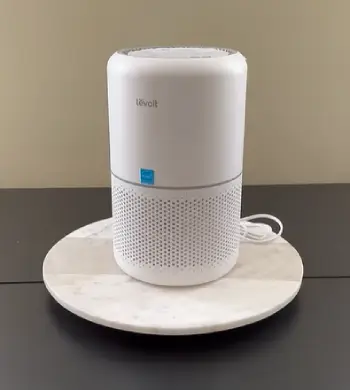
- Compact cylindrical design that fits tight spaces: I moved a Core 300S between bedroom and office without hassle.
The small footprint and light weight make placement flexible in almost any room layout.
- H13 True HEPA filtration with activated carbon: This setup captures 99.97 percent of particles down to 0.3 microns and handles everyday odors from cooking or pets reasonably well.
The carbon layer performs solidly for the price point.
- VeSync app connectivity on most S models: Real-time air quality numbers, scheduling, filter-life tracking, and voice control through Alexa or Google all work smoothly.
I use the schedules more than I expected once everything is set up.
- Multiple fan speeds plus dedicated sleep mode: Sleep mode drops noise to near silence and often dims or turns off the lights completely.
This proves useful when the unit sits near a bed during the night.
- Filter replacement indicator and affordable parts: The light tells you exactly when to change filters.
Genuine replacements stay inexpensive and third-party options exist if you want to experiment carefully.
- Specialty options like pet modes on some Vital models: Wider intake areas and dedicated settings help with hair and dander.
I noticed less floating pet hair after a week of continuous use in my home.
Pros Of Levoit Air Purifiers
- Excellent value for the cleaning power you get: I cleaned a 200-square-foot bedroom effectively for under $100 with the Core 300 series. The CADR-to-price ratio stays hard to beat across the lineup.
- Quieter operation in sleep and low modes for many users: Nighttime use feels almost silent in practice. My partner never complained about the sound once I set the correct speed for the room.
- Modern smart features that actually get used: App control, scheduling, and real-time readings make the unit part of the smart home rather than just another appliance sitting in the corner.
- Lightweight and easy to move or store: This design works ideal if you want one unit that travels between rooms or if available space stays limited in your home.
- Lower ongoing filter and electricity costs: Cheaper replacements and efficient motors keep the yearly total reasonable even with daily continuous use.
- Attractive contemporary looks that blend into rooms: The cylindrical shapes and clean finishes look intentional rather than industrial or out of place.
Cons Of Levoit Air Purifiers
- Build quality feels lighter and less premium: Plastic construction works fine for everyday use but does not give the same solid impression as the Coway units.
- Coverage claims can feel optimistic on smaller models: Manufacturer square-footage numbers often assume fewer air changes than allergy sufferers need. Real-world performance improves when you size up one level from the base recommendation.
- Filter life tends to be shorter under heavy use: Six to eight months is common if you run high speeds often or deal with pets and frequent smoke.
- Some models lack a true onboard particle sensor for auto mode: Basic units rely on manual speed selection, which requires more attention from the user throughout the day.
- Warranty is typically shorter: Two years is standard across most models. This is not a deal-breaker but feels less reassuring than longer coverage options.
Key Features Of Coway Air Purifiers
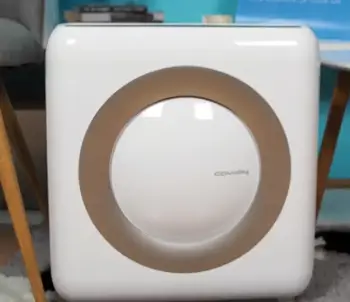
- Proven multi-stage filtration with True HEPA: Strong particle capture comes with a dedicated carbon or deodorization layer.
Some older models include an ionizer that you can usually switch off if preferred.
- Reliable auto and eco modes: The sensor-driven auto mode adjusts fan speed without constant button pressing.
Eco mode on certain units drops power when air stays clean, which I appreciated during low-pollution days.
- Solid air-quality indicator lights: Color-coded feedback lets you glance across the room and know the status right away.
The system stays simple and effective for everyday checks.
- Longer filter life on many models: Coway often rates filters for up to twelve months under normal use.
That reduces how often I have to think about replacements and keeps maintenance lower.
- Durable construction and extended warranties: The heavier feel pairs with warranties that reach five years on some Airmega units.
This gives real confidence for continuous 24/7 operation over multiple years.
- Consistent performance across fan speeds: These units maintain strong cleaning even on mid settings.
That proves useful when you want quieter operation without sacrificing too much air movement.
Pros Of Coway Air Purifiers
- Strong real-world particle removal in medium rooms: Independent tests and my own sensor readings showed consistent and fast drops in PM2.5 levels. The AP-1512HH and similar units punch above their size class.
- Excellent long-term reliability reputation: Many owners report years of trouble-free daily operation. That track record matters when you plan to leave the unit running constantly.
- Effective auto mode that reduces babysitting: The sensor and auto setting handle most days without me touching the controls at all.
- Quieter high-speed performance on several models: When the air gets dirty and the unit ramps up, the sound stays more tolerable than some competing options.
- Longer warranties on higher models: Five-year coverage on certain Airmega units provides extra peace of mind for long-term ownership.
- Solid carbon filtration for odors: Cooking smells and mild pet odors disappear faster than I expected on the better models in the lineup.
Cons Of Coway Air Purifiers
- Higher purchase price for comparable cleaning power: You pay a premium for the durability and performance consistency that these units deliver.
- Fewer smart features and limited app options: Most popular models stay basic in this area. If you want remote control and detailed history you will miss the Levoit experience.
- Heavier and bulkier designs: Moving them between rooms feels less convenient overall. Placement needs more careful thought from the start.
- Filter replacements cost more: Even with longer intervals the annual spend usually exceeds what Levoit requires.
- Some models include an ionizer that not everyone wants: You can usually disable it, but the extra step still exists on certain units in the range.
Performance In Everyday Scenarios
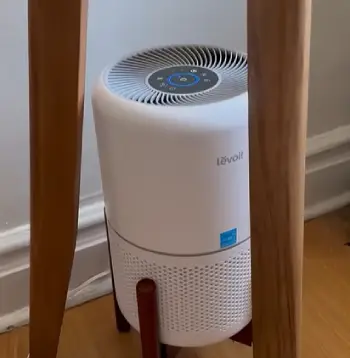
I tested both brands with cooking smoke, pet dander, and ordinary dust. In a medium living room the mid-range Coway units cleared visible haze slightly faster.
In a smaller bedroom the Levoit Core series matched them once I chose the right model size.
Both dropped PM2.5 readings dramatically within thirty to forty minutes on high. For allergies I noticed fewer morning symptoms after a week of continuous use with either brand.
Smoke and stronger odors favored models with thicker carbon beds, which both offer in their higher lines.
Noise remained a non-issue for sleep on low or sleep modes. Daytime high speeds sounded like a gentle fan rather than a vacuum.
Power draw stayed modest on both and stayed under fifty watts on most settings, so electricity costs never became a talking point.
Real Ownership Experience After Months Of Use
Filter changes proved simple on both. Levoit’s lighter filters and clearer indicators made the process faster.
Coway’s longer intervals meant fewer trips to the storage closet. Dust buildup on the exterior was similar and wiped off easily.
The Levoit app occasionally needed a re-pair after a router change while Coway simply kept running. Neither unit developed rattles or performance drop-offs during my testing window.
For households with pets the dedicated Levoit Vital options handled hair better at the intake.
Coway still performed well but required more frequent pre-filter cleaning in my experience.
Who Should Choose Levoit?
Choose Levoit if you want strong performance without spending extra, value app control and scheduling, need a unit for a bedroom or smaller space, or prefer lower ongoing costs.
The Core and Vital lines deliver exactly what most people need at a price that feels fair.
Who Should Choose Coway?
Choose Coway if you prioritize long-term reliability, prefer a set-and-forget auto mode without apps, have a medium-sized main living area, or want the extra warranty length.
The investment pays off if you plan to run the purifier hard for many years.
Also Read: Comparison Of Blueair And Levoit Air Purifier
Frequently Asked Questions (FAQ)
The Coway AP-1512HH and similar Mighty models consistently rank among the top recommendations for balanced performance and reliability in medium rooms. Levoit Core series models rank high for value and smaller spaces.
Reddit threads lean toward Coway for long-term durability and consistent cleaning power. Many users praise Levoit for price, quiet operation, and smart features, calling it the better everyday choice for most homes.
No single brand wins every category. Coway often edges out for pure reliability and mid-room performance. Levoit leads for affordability, features, and overall value.
Levoit ranks among the strongest value brands and works extremely well for most people. It is not universally the absolute best when maximum durability or larger-room power is the priority.
Final Thoughts
After living with both brands I can say neither will disappoint if you match the model to your room size.
I reached for the Levoit more often in daily life because of the lower cost and useful app.
You might prefer the Coway if you want something that simply works year after year with minimal thought.
Measure your main space, decide how much you care about smart controls, and check current filter prices.
That combination will point you to the right unit faster than any single “best” label. Pick the one that fits your habits and you will notice cleaner air within days.
Recent Posts
● Interactive 5-Zone Interior & Exterior Paint Blueprint Paint Coverage Calculator: Gallons, Primer, Square Footage & Cost Tap any architectural surface zone on the blueprint...
If you want smooth, shiny hair without spending a fortune on a premium styling tool, the Ella Bella hair dryer may be worth considering.In these Ella Bella hair dryer reviews, I’ll look...