
LifeWave X49 patches are marketed as a wearable wellness product designed to support the body’s natural regenerative processes without injections or medication.
However, bold claims deserve careful scrutiny, especially when a product comes with recurring costs and mixed customer feedback.
After evaluating the product’s marketing claims, potential limitations, and the questions buyers should ask, I wouldn’t recommend rushing to purchase LifeWave X49.
If you’re looking for better energy, recovery, or healthier aging, I believe your money is better spent on approaches with stronger scientific evidence.
My First Experience With LifeWave X49
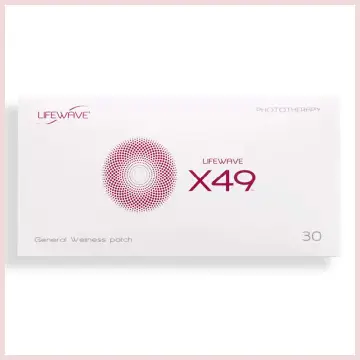
When I evaluate a wellness product like LifeWave X49, I start with three questions: What does the company claim it can do? What evidence supports those claims?
And does the potential benefit justify the price? These questions matter because products marketed around cellular health and anti-aging can sound remarkably convincing, even when the supporting evidence is limited.
LifeWave X49 is a wearable patch associated with LifeWave’s phototherapy product line.
The company promotes its patches as a way to interact with the body’s natural processes using light-related technology.
Rather than swallowing a supplement or applying a conventional topical treatment, users wear the patch on their skin according to the manufacturer’s directions.
Important distinction: The following is an evidence-focused assessment, not a claim that I personally tested the patches or experienced their effects.
One thing that stands out to me about X49 is how it is positioned. The product is marketed toward people interested in maintaining vitality, supporting recovery, and addressing concerns associated with aging.
That audience includes people who exercise regularly, experience everyday fatigue, or simply want to feel healthier as they get older.
The appeal is easy to understand. A small, non-invasive patch seems convenient compared with complicated wellness routines. You don’t need to prepare a drink, swallow a capsule, or schedule an appointment just to use a wearable product.
However, convenience alone doesn’t establish effectiveness. A patch can be easy to wear while still failing to deliver the results a customer expects.
I would also separate the company’s proposed explanation from independently demonstrated outcomes. A scientific-sounding description of how a product might work is not the same as reliable evidence that it produces meaningful improvements in real people.
Pros Of LifeWave X49 Patches
- A Convenient, Wearable Format
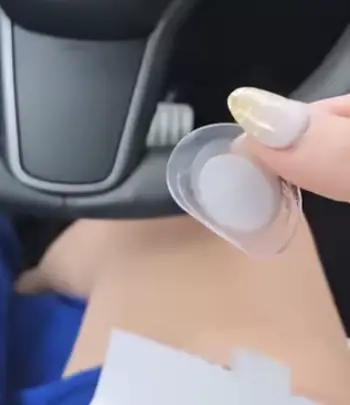
One clear advantage is convenience. X49 is designed to be applied to the skin rather than swallowed like a supplement or administered through an injection. For someone who prefers a simple daily routine, this format may feel easier to manage.
The manufacturer instructs users to apply the patch to clean, dry skin in the morning and wear it for up to 12 hours before discarding it. The patch should not be reused. These straightforward instructions make the routine relatively uncomplicated.
However, convenience should be considered separately from effectiveness. I wouldn’t pay a premium for a product just because it fits easily into my schedule.
- No Conventional Drug or Stimulant Ingredients
LifeWave markets X49 as a non-transdermal patch that does not deliver drugs or stimulants into the body. Its proposed mechanism is based on proprietary phototherapy technology rather than a conventional medication being absorbed through the skin.
That distinction may appeal to people who dislike taking pills or using stimulant-based products.
Still, the absence of conventional drugs does not automatically mean a patch is effective, completely risk-free, or appropriate for everyone. The adhesive and other materials can still cause irritation, and the proposed biological effects need to be evaluated independently.
- A Product Designed Around Fitness Goals
X49 is marketed toward people interested in performance, strength, stamina, exercise recovery, and maintaining a healthy weight alongside diet and exercise.
I can understand why this positioning attracts fitness enthusiasts. Someone who regularly trains may be interested in anything that promises to support progress without adding another complicated step to a workout routine.
The important question is whether X49 produces a meaningful improvement beyond what a person could achieve through established training and recovery practices.
I would want to see convincing controlled research showing that users experience measurable improvements in performance, recovery, or body composition. Without that evidence, the advertised benefits should be treated as claims rather than guaranteed results.
- A Non-Invasive Approach
Another practical advantage is that the patch doesn’t require needles, injections, or a clinical procedure to apply. This can make it more appealing to people who dislike invasive treatments.
Nevertheless, non-invasive doesn’t mean medically necessary. If your primary goal is improving strength or recovery, progressive resistance training, appropriate nutrition, hydration, and sufficient sleep are better-established starting points.
I would consider X49’s wearable design a convenience feature, not a reason to assume it delivers superior health outcomes.
Cons Of LifeWave X49 Patches
The disadvantages deserve particular attention because a wellness product can sound appealing while leaving important questions unanswered.
- Uncertainty About Clinical Effectiveness
My biggest concern is the need for stronger, independently replicated human evidence demonstrating that X49 delivers the outcomes consumers are likely to expect.
The manufacturer’s claims about strength, stamina, exercise recovery, and weight management should not be treated as established results merely because the technology is patented or the product has been sold for years.
A patent protects a particular invention or method under applicable patent law. It does not, by itself, prove that a health product works as advertised.
When evaluating X49, I would look for trials that test the actual patch against a credible control, use appropriate sample sizes, report meaningful outcomes, and disclose potential conflicts of interest.
Without that level of evidence, I would be reluctant to spend money on it.
- Customer Satisfaction May Be Mixed
A product can receive enthusiastic testimonials and still disappoint other customers. Positive personal stories don’t guarantee that another person will experience the same outcome.
Because you specifically want a review that takes negative feedback seriously, I would pay close attention to recurring complaints in verified buyer reviews rather than relying on selected success stories.
Look for reports about a lack of noticeable results, dissatisfaction with the price, subscription concerns, difficulty obtaining refunds, or irritation from the adhesive. These are important categories to investigate, but I wouldn’t claim a particular complaint is widespread without a representative set of reviews to support that conclusion.
I would also distinguish dissatisfaction with a product’s performance from concerns about customer service or the purchasing process. They are different problems, and both matter when you’re deciding whether to spend your money.
- Marketing Language Can Create Unrealistic Expectations
Terms such as cellular performance, phototherapy, and regeneration may sound impressive, but they don’t tell you exactly how much improvement an ordinary user should expect.
I would be especially cautious about interpreting general wellness language as evidence that a patch reverses aging, activates stem cells in a clinically meaningful way, or treats inflammation.
LifeWave’s own advertising guidance identifies certain stem-cell and therapeutic claims as claims that should not be made about its patches.
That distinction matters. If a salesperson promises that X49 will treat a medical condition or deliver dramatic physical changes, I would ask for the exact clinical evidence supporting that specific promise.
- Skin Irritation Is Still Possible
Even a patch that doesn’t deliver a drug through the skin can cause a local reaction. Adhesives may irritate sensitive skin, and reactions can vary between individuals.
If you develop redness, itching, burning, swelling, or discomfort, remove the patch and avoid reapplying it until the problem has been assessed. Seek medical advice if the reaction persists or worsens.
Anyone with a known adhesive allergy or a skin condition should be especially cautious.
- It Can Distract From Proven Strategies
One overlooked disadvantage is the possibility of spending time and money on a product while neglecting the basics.
If you feel exhausted every day, a patch shouldn’t replace an assessment of your sleep, diet, medications, or possible medical causes. If your muscles are recovering poorly, your training intensity, nutrition, and rest may deserve attention before you add another wellness product.
I would never want an uncertain purchase to delay care for a problem that deserves a proper diagnosis.
- Refund Terms Require Attention
LifeWave’s product information describes a money-back guarantee for eligible retail and preferred customers, with conditions and deadlines. The terms may differ depending on customer status and order type.
Before ordering, I would read the current policy carefully, including the refund-request deadline, eligibility requirements, shipping charges, and how subscriptions are handled.
Never assume that a money-back guarantee means every purchase can be returned automatically or that all associated costs will be refunded.
My verdict on the cons: The combination of uncertain effectiveness, recurring costs, potentially unrealistic expectations, and the need to investigate customer complaints makes X49 difficult for me to recommend. I’d rather see stronger independent evidence before treating it as a worthwhile wellness investment.
Maintenance Tips For LifeWave X49 Safely
- Apply the Patch Only to Clean, Dry Skin
The manufacturer instructs users to apply X49 to clean, dry skin. Before applying it, make sure the intended area is free from sweat, moisture, oils, lotions, and other products that could interfere with adhesion.
I would avoid applying the patch immediately after exercising if the skin is still sweaty. Allow the area to dry first.
Choose a placement location consistent with the current product instructions. Avoid broken skin, wounds, irritated areas, or places where an adhesive has previously caused a reaction.
If the patch repeatedly falls off, don’t compensate by applying it to an unsuitable area or using an unapproved adhesive. Check the instructions and contact the manufacturer if you need clarification.
- Follow the Recommended Wear Time
According to the product instructions, X49 may be worn for up to 12 hours before disposal. It should not be reused after removal.
I would follow that limit rather than assume that wearing a patch longer will produce better results.
More time does not necessarily mean more benefit. Extending the wear period without evidence or manufacturer guidance can simply expose your skin to prolonged adhesive contact.
If you experience discomfort, remove the patch immediately. Don’t force yourself to continue wearing it because you hope to achieve a particular result.
- Check Your Skin Regularly
Skin care should be a priority whenever you use an adhesive product.
Before applying a patch, inspect the area for redness, cuts, rashes, or other signs of irritation. After removing it, check whether the skin looks or feels different.
A mild temporary impression from an adhesive may not be serious, but persistent itching, burning, swelling, or a worsening rash deserves attention.
If a reaction occurs, stop using the patch until you’ve received appropriate advice. Seek urgent medical attention for symptoms of a severe allergic reaction, such as difficulty breathing or swelling of the lips or tongue.
I wouldn’t keep testing the product on different parts of the body if it repeatedly causes irritation.
- Store Unused Patches Properly
The manufacturer advises storing X49 at room temperature in a cool, dark place away from direct sunlight.
I would keep unused patches in their original packaging and follow the package instructions concerning storage and shelf life.
Avoid leaving them in a hot vehicle, on a sunny windowsill, or in a damp bathroom cabinet. Excessive heat and moisture may compromise packaging or adhesive performance.
Keep the patches away from children and pets, and don’t use a product that appears damaged, contaminated, or otherwise compromised.
- Never Reuse a Removed Patch
It may be tempting to reuse a patch if it still feels sticky after removal, especially when the product is expensive. I wouldn’t do that.
The manufacturer specifically instructs users not to reuse a patch once it has been removed.
Reusing it can create uncertainty about adhesion, cleanliness, and whether the product is being used as intended.
Dispose of used patches appropriately, keeping them away from children and animals. Follow any additional disposal guidance provided on the packaging.
Comparison Of LifeWave X49 With Other Wellness Options

- LifeWave X49 vs. LifeWave X39
X49 and X39 are both wearable patches from the same company, but they are marketed for different purposes.
X49 is positioned around exercise performance, strength, stamina, cardiovascular support through exercise, recovery, and maintaining a healthy weight alongside diet and exercise.
X39 is marketed more broadly around general wellness, strength, stamina, and overall well-being.
The distinction is mainly in their intended positioning and advertised benefits. Neither product should be assumed to deliver those outcomes without adequate supporting evidence.
If you are interested in X39 because of claims about stem cells or rejuvenation, be particularly careful. LifeWave’s compliance guidance identifies stem-cell activation and certain anti-aging statements as claims that should not be made about the product.
I wouldn’t recommend switching from X49 to X39 simply because one product sounds more comprehensive. First establish what you want to accomplish and look for reliable evidence that a proposed intervention actually helps.
- LifeWave X49 vs. Conventional Fitness Supplements
Fitness supplements vary considerably. Some have substantial research for specific purposes, while others have little convincing evidence.
For example, creatine monohydrate has a much stronger body of research supporting improvements in high-intensity exercise performance and strength when used appropriately alongside resistance training. It isn’t suitable for every individual, and people with medical concerns should consult a healthcare professional.
Protein supplements can also be useful when they help someone meet their daily protein needs. However, they are a convenience rather than a requirement for everyone.
X49 is marketed as a non-drug, non-stimulant patch, so it isn’t directly interchangeable with these products. Its advertised mechanism is different, and the evidence for one intervention cannot be transferred to another.
If my goal were to build strength, I would prioritize a structured training plan, adequate protein, sufficient calories, and recovery. I would consider well-studied supplements only when they fit my needs and budget.
- LifeWave X49 vs. Red-Light Therapy Devices
Red-light and near-infrared devices are often marketed for skin health, recovery, and other wellness goals. Certain light-based treatments have evidence for particular applications, but effectiveness depends on the condition, wavelength, dose, device, and treatment protocol.
A wearable patch marketed using phototherapy terminology should not automatically be considered equivalent to a clinical light-based treatment or a device that has been studied for a specific outcome.
I would want to know whether studies tested the exact X49 patch, rather than a different light source or a laboratory mechanism that may not translate into real-world benefits.
If you are considering a light-based treatment, look for evidence supporting your specific goal and follow appropriate safety guidance. Don’t assume that every product using similar terminology has comparable effectiveness.
- LifeWave X49 vs. Traditional Recovery Methods
For exercise recovery, the fundamentals remain difficult to replace.
Adequate sleep supports recovery and performance. Appropriate nutrition helps replenish energy and supply nutrients needed for adaptation. A well-designed training program balances challenge with sufficient rest.
Depending on your goals and medical circumstances, physical therapy or professional assessment may also be useful.
X49’s marketing focuses on recovery and performance, but I would not place it ahead of these established strategies without convincing comparative evidence.
For most people, improving sleep consistency, managing training intensity, eating adequately, and allowing recovery time are more sensible first steps than committing to a costly recurring patch purchase.
Frequently Asked Questions (FAQ)
LifeWave X39 is marketed for general wellness, strength, stamina, and overall well-being, while X49 focuses more on exercise performance, strength, stamina, recovery, and maintaining a healthy weight alongside diet and exercise. Both use the company’s proprietary patch technology. These differences describe their marketing positions, not proof that either patch delivers the advertised results.
Potential concerns to investigate include whether the patches deliver noticeable benefits, whether the price represents good value, whether subscription and refund terms are satisfactory, and whether marketing claims create unrealistic expectations. Individual experiences vary, so I wouldn’t assume every complaint applies to every customer. I recommend reviewing verified customer feedback and the written purchasing terms before spending money.
I wouldn’t recommend any LifeWave patch as a proven treatment for inflammation without reliable clinical evidence supporting that specific use. X49 is marketed primarily for exercise performance and related wellness goals, not as an established anti-inflammatory treatment. Persistent inflammation, pain, or swelling should be evaluated by a healthcare professional to identify the cause and appropriate treatment.
Claims about stem-cell patches require careful scrutiny. LifeWave patches are marketed as non-transdermal products, not patches that deliver stem cells into the body. The FDA warns that regenerative medicine claims can be misleading and that products marketed as stem-cell treatments require appropriate regulatory oversight. There is insufficient justification to assume that a patch activates stem cells or produces meaningful regenerative benefits simply because its marketing uses cellular terminology.
Final Verdict
After weighing the convenience, advertised benefits, cost, and questions about independent evidence, I wouldn’t recommend LifeWave X49 as a wellness investment.
Its wearable design may appeal to people interested in fitness and healthy aging, but convenience doesn’t establish effectiveness.
I would prioritize proven exercise, nutrition, sleep, and appropriate medical care instead.
Before spending nearly $100 per month on a recurring subscription, I would want stronger independent evidence that the patch delivers meaningful benefits beyond its marketing claims.
Recent Posts
Resolve Carpet Cleaner Reviews: Does It Really Remove Tough Stains?
When spills, muddy footprints, and pet accidents leave my carpet looking tired, I want a cleaner that works quickly without costing a fortune.Resolve carpet cleaner is worth considering because...
PanOxyl Acne Foaming Wash Reviews: What To Know Before You Buy?
If you struggle with stubborn pimples, body acne, or frequent breakouts, PanOxyl Acne Foaming Wash may be worth considering.I like that it uses benzoyl peroxide, an acne-fighting ingredient that...