
If you struggle with stubborn pimples, body acne, or frequent breakouts, PanOxyl Acne Foaming Wash may be worth considering.
I like that it uses benzoyl peroxide, an acne-fighting ingredient that helps reduce acne-causing bacteria and unclog pores.
However, its strength can also cause dryness and irritation if you use it incorrectly.
If you’re looking for an affordable acne cleanser for your face, chest, shoulders, or back, I recommend considering PanOxyl—provided you choose the right strength and follow a skin-friendly routine.
My First Experience With PanOxyl Acne Foaming Wash
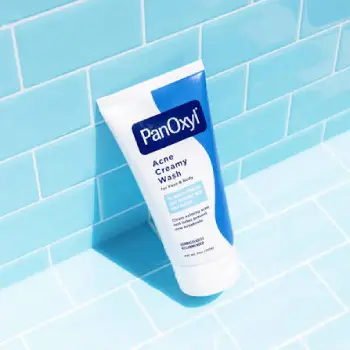
When I evaluate an acne cleanser, I look beyond whether it promises clearer skin.
I want to know how well it cleans, whether it fits into a daily routine, how comfortable it feels, and whether the results justify the potential irritation.
Those are the factors that make PanOxyl Acne Foaming Wash interesting.
PanOxyl is known for its benzoyl peroxide formulas, including a 4% creamy wash and a 10% maximum-strength foaming wash.
The exact formula matters because the higher concentration isn’t automatically the better choice for every skin type.
The first thing I notice about a foaming acne wash is how easily it spreads across oily areas. A cleanser that lathers well can make it easier to cover the forehead, nose, chin, shoulders, or back without using too much product. PanOxyl is particularly appealing if you regularly deal with inflamed pimples, clogged-looking pores, or recurring body breakouts.
What makes this cleanser different from an ordinary face wash is its active ingredient. Benzoyl peroxide helps reduce acne-causing bacteria and can improve inflammatory acne, including red pimples and pustules.
It isn’t simply washing away surface oil; it targets one of the factors involved in acne development.
However, I wouldn’t expect an overnight transformation. Acne develops for several reasons, including excess oil, dead skin buildup, inflammation, and hormonal changes.
A cleanser can help manage some of these factors, but it cannot solve every underlying cause.
I’d also pay close attention to how my skin feels after rinsing. If my face feels tight, flaky, itchy, or unusually sensitive, that would be a sign to reduce how frequently I use the product. A stronger cleanser isn’t worth it if irritation makes my skin harder to manage.
For body acne, PanOxyl may be especially practical because the chest and back can be difficult to treat with leave-on products. A wash can cover a larger area and rinse away without leaving a thick layer on the skin.
My overall assessment is that PanOxyl is worth considering for people who need more than a basic cleanser. Still, I would judge its performance by consistent use, fewer inflamed breakouts, and improved skin comfort—not by how dry or squeaky-clean my face feels afterward.
Pros Of PanOxyl Acne Foaming Wash
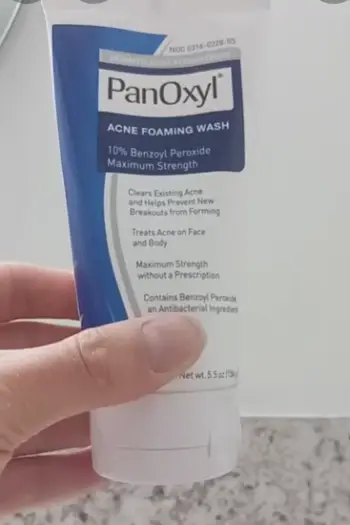
- Contains a Proven Acne-Fighting Ingredient
The biggest advantage of PanOxyl is its benzoyl peroxide content. Rather than relying exclusively on ingredients that cleanse the skin, it includes an active ingredient that targets acne-associated bacteria.
I consider this a meaningful benefit for anyone who experiences frequent inflammatory breakouts.
If ordinary face washes leave you feeling clean but don’t help manage recurring pimples, an acne-treatment cleanser may be a more appropriate option.
Benzoyl peroxide is an established acne treatment, although results depend on the formulation, concentration, and individual skin response.
- Suitable for Both Face and Body Acne
Another advantage is its versatility. Acne doesn’t always stay on your forehead or chin. Many people experience breakouts across their shoulders, upper arms, chest, and back.
Treating these areas can be inconvenient, especially when you need to apply a separate leave-on product over a large surface. A wash-off treatment makes cleansing these areas more manageable.
For example, if you frequently develop pimples after sweating, you can incorporate an appropriate acne wash into your shower routine. You still need to rinse thoroughly and avoid scrubbing irritated skin, but the format is convenient.
- Helps Manage Recurrent Inflammatory Breakouts
PanOxyl may be particularly helpful when your main concern is red, inflamed pimples rather than occasional dryness or rough texture.
Its active ingredient helps reduce acne-associated bacteria, addressing one factor that contributes to inflammatory acne. With consistent use, some people may notice fewer new blemishes and less noticeable inflammation.
However, I wouldn’t judge the cleanser solely by whether an existing pimple disappears quickly. A more useful assessment is whether the overall frequency and severity of breakouts improve over time.
- Offers a Convenient Wash-Off Formula
Some acne treatments stay on the skin for hours, which can be difficult if you dislike the texture of creams or gels.
PanOxyl works differently because you apply it during cleansing and rinse it away. That makes it easier to incorporate into a shower or face-washing routine.
The wash-off format may also help some people manage exposure to a potentially irritating active ingredient. Nevertheless, benzoyl peroxide can still cause dryness and irritation, so rinsing it away doesn’t guarantee that your skin will tolerate it.
- Can Fit Into a Simple Skincare Routine
I appreciate skincare products that serve a clear purpose without requiring an unnecessarily complicated routine.
PanOxyl can function as the treatment cleanser in a basic routine that includes a gentle moisturizer and sunscreen during the day. You don’t necessarily need several additional exfoliants or multiple acne treatments to get started.
Keeping the rest of your routine simple also makes it easier to identify the source of irritation if your skin becomes uncomfortable.
- Provides a Maximum-Strength Option
The 10% formula is an option for people who specifically need a higher-strength benzoyl peroxide wash and can tolerate it.
However, I wouldn’t automatically recommend starting with the strongest concentration. Some people achieve satisfactory acne control with lower-strength benzoyl peroxide products, which may be easier on sensitive skin.
The most useful strength is the one that controls your acne without causing persistent redness, burning, or peeling.
Cons Of PanOxyl Acne Foaming Wash
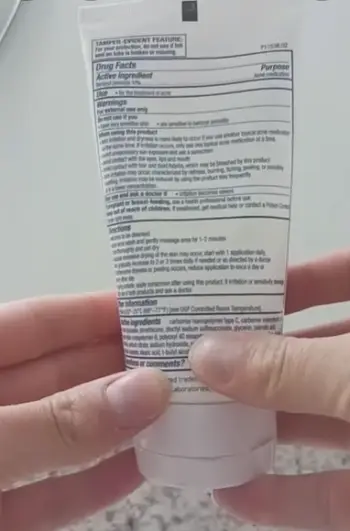
- Can Cause Dryness and Peeling
The most significant drawback is the possibility of dryness. Benzoyl peroxide can disrupt your skin’s comfort, particularly if you have dry or sensitive skin.
You might notice tightness, flaking, redness, or a burning sensation after washing. These problems can become more pronounced if you use the product too frequently or combine it with several other active ingredients.
If irritation develops, reduce use or discontinue the product as appropriate. Persistent or severe symptoms deserve medical advice.
- The 10% Concentration May Be Too Strong for Some Faces
Facial skin can be more sensitive than the skin on your back or shoulders. A concentration that feels manageable on your body may be uncomfortable on your cheeks or around your nose.
For that reason, I’d consider the 4% creamy wash if I were choosing a benzoyl peroxide cleanser for sensitive facial skin.
A stronger formula isn’t automatically more effective in everyday use if it leaves you too irritated to continue.
- Can Bleach Towels and Clothing
Benzoyl peroxide can bleach dyed fabrics, including towels, pillowcases, shirts, and washcloths.
This is an easily overlooked disadvantage. Even when you rinse thoroughly, residue on your hands or surrounding surfaces can cause discoloration.
Use white towels when possible, rinse your hands well, and avoid allowing the product to remain on colored fabrics.
- Doesn’t Treat Every Type of Acne Equally
PanOxyl is not a universal solution. It may help inflammatory acne, but blackheads, whiteheads, hormonal breakouts, and deep cystic acne can require different approaches.
If you have persistent deep nodules, painful cysts, or acne that leaves scars, relying on a cleanser alone may delay more appropriate treatment.
- Requires Patience and Consistency
If you expect clear skin after two or three washes, you may be disappointed.
Acne treatment takes time, and results vary. Constantly switching products or increasing the concentration when results seem slow can increase irritation without improving your outcome.
Give your routine several weeks to demonstrate whether it’s helping, provided you aren’t experiencing significant side effects.
Maintenance Tips For PanOxyl Acne Foaming Wash
- Start Slowly Instead of Washing Too Frequently
Even though the product is marketed as a daily cleanser, daily use may not be the best starting point for everyone.
If your skin is sensitive or you’ve never used benzoyl peroxide before, begin with less frequent use and monitor how your skin responds. You might start two or three times weekly, then gradually increase frequency if your skin tolerates it.
Follow the package directions and any advice from your dermatologist. If redness, burning, or peeling develops, reduce use or stop until you can determine the cause.
My main advice is to prioritize tolerance over speed. A consistent routine that doesn’t irritate your skin is more useful than an aggressive routine you cannot maintain.
- Follow the Correct Washing Technique
Apply the cleanser to wet skin and gently spread it over the acne-prone area. Avoid aggressive rubbing, abrasive brushes, and rough washcloths.
For the 10% foaming wash, the product directions specify massaging it into the skin for one to two minutes before rinsing thoroughly. If you are new to benzoyl peroxide or easily irritated, consider asking a dermatologist about a shorter-contact introduction.
Keep it away from your eyes, lips, and the inside of your nose. Rinse immediately if it gets into your eyes.
After cleansing, pat your skin dry with a clean towel rather than rubbing it vigorously.
- Moisturize After Every Wash
Moisturizer is not an optional extra if your skin becomes dry during acne treatment. It can help support the skin barrier and make your routine more comfortable.
Look for a fragrance-free, non-comedogenic moisturizer that suits your skin type. Lightweight lotions may work well for oily skin, while creamier formulas may be more comfortable for dry skin.
Apply moisturizer after washing while your skin is still slightly hydrated.
I would avoid treating tightness as proof that the cleanser is working. Comfortable skin is a better sign that your routine is reasonably well balanced.
- Avoid Combining Too Many Active Ingredients
Combining several acne products may seem like a shortcut to faster results, but it can cause significant irritation.
For example, using benzoyl peroxide alongside strong exfoliating acids, scrubs, retinoids, and other acne treatments may be too much for some skin types, especially when starting out.
You don’t necessarily have to avoid every other active ingredient permanently. Certain combinations can be useful when introduced appropriately, and a dermatologist may recommend them for specific acne concerns.
The important thing is to introduce products gradually and avoid changing multiple parts of your routine at once.
- Protect Your Skin From Sun Exposure
Use a broad-spectrum sunscreen with SPF 30 or higher during the day, especially when your routine includes acne treatments that leave your skin irritated.
Choose a formula that feels comfortable and doesn’t clog your pores. If you spend considerable time outdoors, reapply it as directed.
Sun protection also matters because acne-related discoloration can become more noticeable with sun exposure.
- Wash Towels, Pillowcases, and Workout Clothing Regularly
Clean fabrics help maintain a sensible hygiene routine, particularly if you experience acne on your back, shoulders, or chest.
Change out of sweaty clothing after exercising, shower when practical, and wash workout clothes regularly. Use clean towels and avoid sharing washcloths.
Remember that acne isn’t simply a cleanliness problem. Washing excessively or scrubbing your skin can make irritation worse, so focus on gentle, consistent habits rather than trying to remove every trace of oil.
Comparison Of PanOxyl Acne Foaming Wash With Other Brands
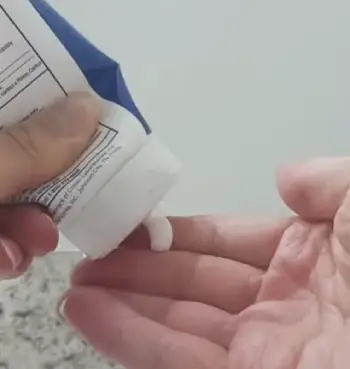
- PanOxyl vs. CeraVe Acne Foaming Cream Cleanser
CeraVe Acne Foaming Cream Cleanser contains 4% benzoyl peroxide and is designed to treat acne while incorporating ingredients such as ceramides that help support the skin barrier.
PanOxyl’s 10% Acne Foaming Wash provides a higher concentration of benzoyl peroxide. That may appeal to people seeking a maximum-strength wash, particularly for stubborn body acne.
However, if you have sensitive facial skin, CeraVe’s lower-strength cleanser may be a more comfortable starting point.
I’d focus on the formula rather than the brand name alone. If a lower concentration controls your breakouts without causing excessive dryness, there may be little reason to move to 10%.
- PanOxyl vs. CeraVe Acne Control Cleanser
CeraVe Acne Control Cleanser uses 2% salicylic acid rather than benzoyl peroxide.
Salicylic acid helps exfoliate inside pores and is particularly relevant when clogged pores, blackheads, and whiteheads are major concerns. Benzoyl peroxide, meanwhile, is especially useful for targeting acne-associated bacteria and inflammatory pimples.
I wouldn’t describe one ingredient as universally superior. If your main concern is red, inflamed acne, benzoyl peroxide may be a more suitable choice. If clogged pores are your primary issue, salicylic acid may deserve consideration.
Some people benefit from carefully planned combinations, but introducing both treatments at once can increase irritation.
- PanOxyl vs. Neutrogena Oil-Free Acne Wash
Neutrogena’s Oil-Free Acne Wash is commonly associated with salicylic acid formulations that target clogged pores and excess oil.
PanOxyl takes a different approach through benzoyl peroxide. Its 10% wash may be particularly attractive to people with recurrent inflammatory acne on the back, chest, or shoulders.
Neutrogena may be worth considering if your main concern is clogged pores and you prefer a salicylic acid cleanser.
Check the specific product label before purchasing because ingredients and formulas can vary between products and markets.
- PanOxyl vs. Differin Daily Deep Cleanser
Differin Daily Deep Cleanser is a benzoyl peroxide cleanser available in a 5% formulation.
Compared with PanOxyl’s 10% foaming wash, it provides a lower concentration of the same active ingredient. That makes it an option worth considering if you want benzoyl peroxide but are concerned about the intensity of a maximum-strength product.
The best choice depends on your acne, skin sensitivity, and tolerance. I wouldn’t assume that moving from 5% to 10% will produce twice the improvement.
- PanOxyl vs. Cetaphil Gentle Skin Cleanser
Cetaphil Gentle Skin Cleanser serves a different purpose. It is a gentle cleanser rather than a dedicated benzoyl peroxide acne treatment.
If your skin is already dry, irritated, or sensitive, a gentle cleanser may be more comfortable for everyday cleansing. However, it doesn’t offer the same targeted benzoyl peroxide treatment as PanOxyl.
You can also use a gentle cleanser alongside an acne treatment when your skin needs a break from active ingredients.
For me, the key distinction is simple: choose PanOxyl when you need a targeted acne wash and your skin tolerates it; choose a gentle cleanser when minimizing irritation is the priority.
Who Should Use PanOxyl Acne Foaming Wash?
PanOxyl may suit people who experience recurring inflammatory pimples, oily skin, or acne across the chest and back. It can also be helpful for those who want a wash-off acne treatment rather than a leave-on cream.
However, I would be more cautious if you have very sensitive skin, eczema-prone areas, an already damaged skin barrier, or a history of reacting to benzoyl peroxide.
People with mild acne may find a lower-strength formula sufficient. Those with deep, painful, or scarring acne should consider professional advice instead of depending exclusively on a cleanser.
If you’re pregnant, breastfeeding, using prescription acne medication, or treating a skin condition, ask a qualified healthcare professional whether the product is appropriate for you
Also Read: Is Clean & Clear Foaming Face Wash Worth It?
Frequently Asked Questions (FAQ)
Yes, benzoyl peroxide can help reduce acne-causing bacteria and improve inflammatory acne. Results vary by skin type and acne severity.
You may notice improvement within four to eight weeks, although more substantial results can take two to three months.
Neither is universally better. PanOxyl’s 10% wash may suit stubborn inflammatory acne, while CeraVe’s lower-strength or salicylic acid formulas may suit different skin concerns.
Potentially, yes, if your skin tolerates it and you follow the product directions. Start gradually if you’re new to benzoyl peroxide.
Wrapping Up
My overall verdict is that PanOxyl Acne Foaming Wash is worth considering if you want a targeted cleanser for recurring facial or body acne.
Its 10% benzoyl peroxide formula is powerful, but it can also cause dryness and irritation. I’d recommend buying it if your skin tolerates benzoyl peroxide and inflammatory breakouts are your main concern.
If you have sensitive skin, consider a lower-strength formula first. Pair whichever option you choose with a gentle moisturizer, consistent use, and realistic expectations.
Recent Posts
Wet and Forget is primarily associated with outdoor stain removal, especially the green, dark, or discolored patches that develop when moisture encourages moss, mold, mildew, and algae to...
● Interactive 5-Zone Interior & Exterior Paint Blueprint Paint Coverage Calculator: Gallons, Primer, Square Footage & Cost Tap any architectural surface zone on the blueprint...