
I spent weeks testing both the Limbsaver AirTech and Classic recoil pads on my rifles and shotguns, from a hard-kicking .300 Win Mag to a 12-gauge turkey gun.
My goal with this article is simple: help you figure out which pad actually softens the punch more, feels better on the shoulder during long sessions, and fits your shooting style without the guesswork.
I want you to walk away knowing exactly what each one delivers in real use so you can pick the right one for your next range day or hunt.
| Feature | Limbsaver Classic | Limbsaver AirTech |
| Recoil Reduction | Up to 50% | Up to 70% |
| Core Technology | NAVCOM material | NAVCOM with atmospheric chambers |
| Anti-Muzzle Jump | Yes | Yes, enhanced |
| Surface Feel | Soft, non-slip | Softer, more grippy |
| Installation Options | Precision-fit, slip-on, grind-to-fit | Precision-fit, slip-on, grind-to-fit |
| Typical Price Range | Similar to AirTech | Similar to Classic |
| Best For | Everyday use, budget-conscious shooters | High-volume or heavy-recoil shooting |
| Durability | High | Very high |
| Weather Resistance | Excellent | Excellent |
Understanding What Makes These Pads Different?
When I first swapped the factory pad on my Remington 700 for a Classic, the difference hit me right away. The sharp crack turned into a manageable push.
Later I tried the AirTech on the same rifle. The push softened even more. Both pads come from the same company.
They share the same basic NAVCOM vibration-dampening material. The AirTech adds internal atmospheric chambers. Those chambers spread the energy more evenly. That design change explains the higher recoil absorption with the AirTech.
I noticed the Classic still cuts felt recoil enough for most hunting loads. It works well for casual range work.
The AirTech lets me stay on the line longer. This shows when I work through a box of magnum shells. The chambers also help keep the muzzle from climbing as much. My second shot lands closer to the first. That matters when you call in a second turkey. It helps when you track a running hog.
Key Differences Between The Limbsaver Airtech And Classic
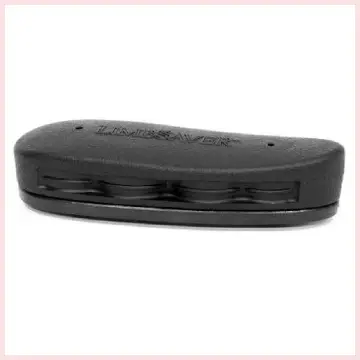
- Recoil absorption levels: The Classic absorbs roughly half the felt energy. The AirTech delivers closer to seventy percent in side-by-side tests.
On my .308 the difference is clear after twenty rounds. My shoulder feels fresher with the AirTech.
- Internal design: Classic uses solid NAVCOM with basic dampening structures. AirTech builds atmospheric chambers into that same material.
Energy spreads across a wider area. It does not concentrate in one spot.
- Softness and grip: AirTech feels noticeably softer when you press your thumb into it. That extra give is nice at the range.
The surface is stickier. On a cold morning hunt the Classic slides into position a bit easier against clothing.
- Fit and model availability: Both lines offer precision-fit pads matched to specific stocks. They include slip-on versions for quick swaps.
Grind-to-fit blanks are available too. Dimensions for matching models are identical. The pad shape itself is not the deciding factor.
- Price and value: In most catalogs the two sit at nearly the same price. You are not paying a large premium for the AirTech. The choice focuses more on performance than budget.
- Vibration control: Classic reduces vibration effectively for standard use. AirTech handles a broader range of frequencies.
This leads to less residual buzz after each shot.
- Thickness consistency: Matching models share the same outer thickness. The AirTech chambers sit inside without changing overall dimensions.
Length of pull stays predictable.
Key Features Of Limbsaver Classic
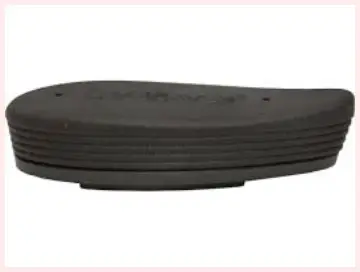
- Proprietary NAVCOM material: This rubber-like compound soaks up vibration across a wide frequency range.
I can feel the difference the moment the butt hits my shoulder. The energy never focuses in one painful spot.
- Anti-muzzle jump technology: Built-in design elements keep the barrel from rising as sharply.
Follow-up shots come faster. The sights settle sooner.
- Non-slip surface: Even in light rain the pad stays planted.
I have shouldered my shotgun in drizzle. The butt does not slide around.
- Multiple installation styles: Precision-fit versions screw on with the original hardware. Slip-on models go over the existing pad or bare stock in seconds.
Grind-to-fit blanks let a gunsmith shape them perfectly.
- Weather-ready construction: The material holds up to heat. It handles cold and moisture. It does not crack or harden after seasons of use.
- Stable shoulder contact: The pad maintains consistent contact under recoil. This supports better control during rapid strings of fire.
- Easy cleaning surface: Dirt and powder residue wipe off quickly. No special solvents are needed after a day in the field.
Pros Of Limbsaver Classic
- Solid recoil reduction for the money: Fifty percent less felt recoil turns a bruising rifle into something you can shoot all afternoon. For most deer loads that is plenty. Turkey loads work the same way.
- Easier shouldering in the field: The surface is less sticky than the AirTech. The gun comes up cleanly. This holds even when you wear thick layers.
- Proven track record: The Classic has been around longer. Many shooters already trust it. Replacement pads are easy to find for older models.
- Versatile fit across many stocks: It works on wood stocks. Synthetic stocks fit too. The Classic options cover a wide range of firearms. No custom job is forced.
- Simple maintenance: Wipe it clean after a muddy day. It is ready again. No special care is required.
- Reliable all-day comfort: Moderate loads stay manageable through a full morning of shooting. Fatigue builds slower than with a factory pad.
- Clean visual match: The classic profile blends well with traditional rifle stocks. Aesthetics stay understated.
Cons Of Limbsaver Classic
- Lower maximum absorption: On true magnum calibers the fifty-percent figure leaves more residual push. High-volume shotgun days show the same limit compared to the AirTech.
- Slightly firmer feel: Some shooters notice the Classic is denser. If you are sensitive to recoil the extra give of the AirTech may feel better. Shoulder recovery cases show this too.
- Can oxidize over time: After long exposure the surface sometimes develops a whitish cast. A light silicone wipe restores the black color. It is an extra step.
- Less refined energy spread: Without the atmospheric chambers the energy transfer is still effective. It is not quite as progressive.
- Limited advantage on heavy loads: Magnum cartridges still deliver noticeable push. Extended sessions require more recovery time.
- Standard vibration damping only: Residual vibration lingers a bit longer after each shot compared to the chambered design.
Key Features Of Limbsaver AirTech
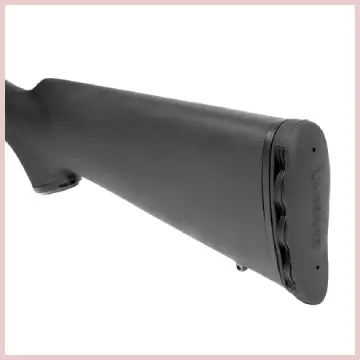
- Atmospheric chambers: These hollow pockets inside the pad create uniform energy dissipation.
The result is a softer push. It feels more progressive instead of a sharp thump.
- Enhanced anti-muzzle jump: The chambers work with the overall shape. They reduce rise even more than the Classic.
On my 12-gauge the second shot stays closer to the first.
- Softer, grippier surface: The pad molds to the shoulder pocket better. Once it is in place it rarely shifts.
The stickiness can catch on heavy hunting jackets.
- Same installation flexibility: Precision-fit options are available. Slip-on and grind-to-fit styles mirror the Classic line.
You can choose the mounting style that matches your gun.
- High durability under heavy use: After hundreds of rounds the AirTech on my magnum rifle still looks new.
It feels new too. The chambers do not collapse. They keep their effectiveness.
- Improved energy spread: Chambers distribute force more evenly across the pad face. Peak pressure on the shoulder drops noticeably.
- Consistent performance in heat: The pad retains its softness on hot range days. No hardening occurs under summer sun.
Pros Of Limbsaver AirTech
- Highest recoil reduction in the line: Seventy percent less felt energy is the real headline. My shoulder stays comfortable through fifty-round sessions. Those used to leave a bruise.
- Superior energy dissipation: The chambers create a smoother push. The rifle moves. The sharp crack is gone. Accuracy on follow-ups improves. Flinch is reduced.
- Excellent muzzle control: Less rise means the sights come back on target faster. That advantage shows up in hunting. Competitive shotgun stages benefit too.
- Same price as Classic in many listings: You get the upgraded technology. There is no big jump in cost.
- Long-term durability: The material holds up under heavy magnum use. The chambers do the same. No flattening occurs. No cracking appears.
- Faster target re-acquisition: Reduced muzzle movement keeps the eye on the sights. Second shots land with less effort.
- Better heat management: Chambers help the pad stay responsive during long hot sessions. Softness remains consistent.
Cons Of Limbsaver AirTech
- Grippier surface: The same softness that cushions well can snag on clothing. This happens during a quick mount. Hunters who wear thick coats sometimes prefer the Classic for that reason.
- Slightly softer appearance: Some traditionalists feel the AirTech looks a bit bulkier. It can seem less classic on a finely finished wood stock.
- Potential for movement on slip-on models: If the fit is not perfect the pad can shift under heavy recoil. Removing the factory pad first helps lock it in place.
- Limited difference on light-recoiling guns: On a .223 the extra chambers are harder to notice. A light 20-gauge shows the same. The Classic already softens those loads enough for most people.
- Extra care on clothing contact: Thick hunting jackets may require a slower mount. Quick shouldering can catch the fabric.
- Slightly more noticeable profile: The softer face can look thicker on slender stocks. Some prefer a thinner traditional look.
Real-World Performance Across Different Shooting Scenarios
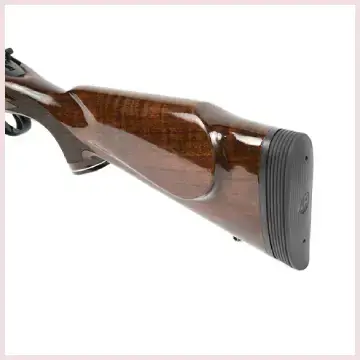
I ran both pads on the same guns under the same conditions. The only variable was the pad itself. On the range with a .300 Win Mag the Classic cut the punishment enough.
I could finish a twenty-round box without a flinch. Switching to the AirTech let me go through two boxes.
I still felt ready for more. The difference showed most after the first ten rounds. Residual fatigue starts to build then.
Hunting presented a different picture. In the blind with a 12-gauge the Classic mounted cleaner against my hunting coat.
The AirTech occasionally caught the fabric on a fast shoulder. A tiny adjustment was needed.
Once the gun was up the AirTech kept the muzzle flatter. This helped on the second shot when a bird flared.
For high-volume clay work the AirTech wins on pure comfort. I can stay in the station longer. The dull ache that used to creep in stays away. The Classic is still a big upgrade over a hard factory pad. The AirTech’s progressive feel lets me focus on the target. The push becomes less of a distraction.
Installation is straightforward for both. Precision-fit models use the original screws. They take about five minutes with a screwdriver.
Slip-on versions go on in seconds. I always remove the factory pad for the best result. Grind-to-fit blanks need a belt sander. A careful hand works. A gunsmith produces the cleanest look.
Who Should Choose Which Pad?
If you shoot mostly moderate loads the Classic does the job well. It values a clean mount in the field. It works as a proven upgrade without extra thought. It softens the blow. It lasts for years. It costs the same as its sibling in most shops.
If you run magnum rifles the AirTech is the clearer choice. High-volume shotgun sports favor it. Maximum comfort is the priority. The atmospheric chambers deliver higher absorption numbers. Longer sessions become more accurate. The grippier surface is a minor trade-off. Most range shooters never notice it.
I keep both in my safe now. The Classic stays on my lighter hunting rifle. It offers clean shouldering. The AirTech lives on the magnum. It stays on the competition shotgun. That split lets me match the pad to the task. One solution is not forced onto every gun.
Frequently Asked Questions (FAQ)
AirTech uses atmospheric chambers for up to 70 percent recoil reduction. Classic uses standard NAVCOM for about 50 percent.
For maximum comfort yes. Heavy-recoil guns favor it. For everyday hunting the Classic is often enough. Easier shouldering supports that choice.
AirTech feels softer. It is more progressive on the shoulder during long sessions.
Prices are usually the same. They stay very close. Any difference is small.
Final Thoughts
I started this comparison because I was tired of guessing. I needed to know which pad would actually help my shoulder. My scores mattered too.
After months of side-by-side use I can tell you the facts. The AirTech gives the higher performance ceiling. The Classic remains a rock-solid upgrade. No drama comes with it. You now have the real-world details on reduction numbers.
Surface feel is covered. Mounting quirks are clear. Shooting scenarios are mapped. Pick the one that matches how you shoot most often.
Match it to what you shoot. Install it. Enjoy the difference the next time you pull the trigger. Your shoulder will thank you.
Recent Posts
● Interactive 5-Zone Interior & Exterior Paint Blueprint Paint Coverage Calculator: Gallons, Primer, Square Footage & Cost Tap any architectural surface zone on the blueprint...
If you want smooth, shiny hair without spending a fortune on a premium styling tool, the Ella Bella hair dryer may be worth considering.In these Ella Bella hair dryer reviews, I’ll look...