
As someone who’s navigated the world of oral care products for years, trying everything from basic rinses to advanced formulas, I decided to put Listerine Total Care and Ultraclean head-to-head.
My goal here is to break down their similarities, differences, and real-world performance so you can pick the one that fits your daily routine.
Whether you’re battling bad breath, plaque buildup, or just aiming for a healthier smile, this comparison will guide you through the details based on my experiences and analysis.
| Feature | Listerine Total Care | Listerine Ultraclean |
| Primary Focus | Comprehensive oral health with cavity prevention and enamel strengthening | Tartar control and gum protection with anti-plaque action |
| Key Ingredients | Eucalyptol, thymol, menthol, sodium fluoride, zinc chloride | Eucalyptol, thymol, menthol, methyl salicylate, zinc chloride |
| Alcohol Content | Available in alcohol and zero-alcohol versions | Mostly with alcohol, some zero-alcohol options |
| Benefits Claimed | Prevents cavities, restores enamel, kills bad breath germs, reduces plaque and gingivitis, freshens breath, strengthens teeth | Kills germs causing bad breath and plaque, prevents tartar buildup, fights gingivitis, provides longer-lasting clean |
| Flavor Options | Fresh Mint, Mild Mint (zero-alcohol) | Cool Mint, Arctic Mint (zero-alcohol) |
| Price Range (per 1L bottle) | $6-8 | $6-8 |
| Best For | Users prone to cavities or seeking all-around protection | Users with tartar issues or gum sensitivity |
Key Differences Between Listerine Total Care And Ultraclean
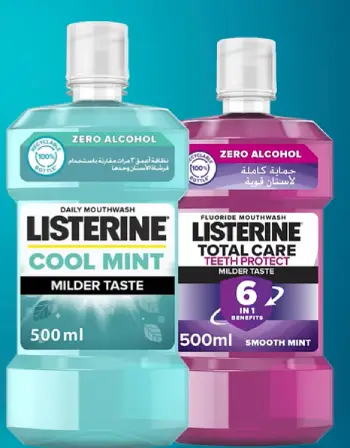
When I compare these two side by side, the distinctions become clear, especially in how they address specific oral concerns.
Both come from the same brand family, sharing essential oils for germ control, but their emphases diverge in ways that could sway your choice based on your dental history.
- Cavity Prevention vs. Tartar Control: Total Care packs fluoride to fight cavities and strengthen enamel, which has been a game-changer for me during periods of higher sugar intake.
Ultraclean, on the other hand, emphasizes zinc for tartar prevention, helping keep surfaces smooth and reducing the need for frequent dental cleanings.
- Comprehensive Benefits vs. Specialized Focus: Total Care offers a broader 6-in-1 approach, covering everything from breath to gum health, making it my go-to for all-around maintenance.
Ultraclean hones in on plaque, gingivitis, and tartar, which suits targeted issues but might feel less holistic if you’re after multi-benefit coverage.
- Intensity and Variants: Both have alcohol and non-alcohol options, but Total Care’s zero-alcohol feels milder overall in my trials.
- Ultraclean’s alcohol version delivers a stronger tingle, which some might love for that “deep clean” sensation, while others, like me on sensitive days, prefer the softer alternative.
- Flavor Profiles and Aftertaste: Total Care’s Fresh Mint is subtler and fades quicker, ideal for pre-meal use without flavor interference.
Ultraclean’s Cool Mint packs more punch, lingering longer, which I’ve found helpful for masking odors from strong foods like garlic.
- User Suitability: If cavities run in your family or you’ve had fillings, Total Care aligns better with preventive care.
For those with visible tartar or gum bleeding, Ultraclean steps up as the specialist, based on how it tackled my occasional buildup.
These differences aren’t night and day, but they matter in daily use. I’ve alternated between them depending on what my mouth needs at the time, and understanding these nuances helps avoid buyer’s remorse.
Understanding Listerine Total Care
I’ve used Listerine Total Care on and off for the past couple of years, especially during times when my dentist pointed out early signs of enamel wear.
It’s positioned as a multi-tasker in the mouthwash lineup, promising to handle everything from breath freshness to cavity defense.
What stands out to me is how it feels like a one-stop solution for busy folks who don’t want to juggle multiple products.
Key Features Of Listerine Total Care
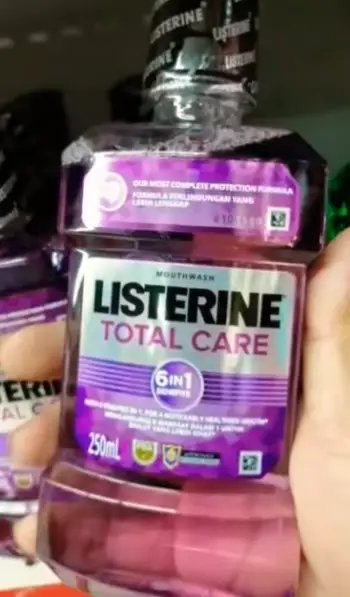
- Fluoride for Cavity Prevention: This is a big one—sodium fluoride helps remineralize teeth, which I’ve noticed makes my enamel feel tougher against acidic foods like coffee or citrus.
In my routine, it acts as a shield, reducing the risk of those pesky spots that lead to fillings.
- Essential Oils Blend: With eucalyptol, thymol, and menthol, it targets bad breath germs effectively.
After rinsing, my mouth feels invigorated, and that minty kick lingers without overwhelming my taste buds for too long.
- Plaque and Gingivitis Reduction: It claims to cut down on plaque buildup and soothe gums.
From my trials, it does help keep my gums from feeling inflamed after flossing, especially if I’ve skipped a day or two.
- Enamel Restoration: The formula works to restore minerals, which is handy for anyone like me who’s had sensitivity issues.
It’s not a miracle, but over weeks, I’ve felt less discomfort from cold drinks.
- Zero-Alcohol Option: For those sensitive to the burn, the alcohol-free version is milder, yet it still delivers on cleanliness.
I switch to this when my mouth feels dry from other factors.
In practice, Total Care fits seamlessly into my morning and evening rituals. I swish for 30 seconds after brushing, and it leaves a clean slate that lasts through meals. It’s not just about the immediate fresh feeling; it’s the cumulative effect on overall oral health that keeps me coming back.
Pros Of Listerine Total Care
- All-in-One Convenience: It handles multiple issues at once—cavities, plaque, breath—which saves time and shelf space. In my busy schedule, this means one rinse does the work of several targeted products.
- Effective Fluoride Boost: The enamel-strengthening aspect has reduced my sensitivity noticeably, making hot or cold foods less of a hassle. It’s like adding an extra layer of defense without extra effort.
- Gentle Options Available: The zero-alcohol version is easy on the mouth, avoiding dryness that can lead to more bacteria. I’ve relied on it during dry winter months without any discomfort.
- Proven Germ Reduction: It kills bad breath sources reliably, keeping my confidence up during social interactions. Mornings after using it feel fresher, with less morning breath buildup.
- Affordable and Accessible: Widely available at similar prices to basic rinses, it offers value for the benefits. I’ve stocked up during sales without breaking the bank.
Cons Of Listerine Total Care
- Potential Burning Sensation: The alcohol variant can sting, especially on cuts or sensitive areas, which turned me off initially until I switched to zero-alcohol.
- May Alter Oral Bacteria Balance: Some studies I’ve come across suggest alcohol-based rinses might disrupt good bacteria over time, potentially leading to imbalances. I’ve monitored this and adjusted usage accordingly.
- Strong Flavor for Some: While I enjoy the mint, it can overpower if you’re sensitive to tastes, lingering and affecting food flavors briefly.
- Not Ideal for Tartar-Heavy Issues: If tartar is your main concern, it falls short compared to specialized formulas, as I’ve experienced during phases of higher buildup.
- Bottle Design Quirks: The cap can be tricky to measure accurately, leading to occasional overuse, which wastes product in my household.
Overall, the pros outweigh the cons for general use, but it’s worth testing a small bottle first.
Exploring Listerine Ultraclean
Switching gears, Listerine Ultraclean caught my attention when I started noticing more tartar along my gumline during checkups.
It’s marketed as a powerhouse for keeping teeth smooth and gums healthy, with a focus on preventing that gritty buildup that can lead to bigger problems.
I’ve incorporated it into my regimen during phases when plaque feels stubborn, and it’s delivered some noticeable results.
Key Features Of Listerine Ultraclean
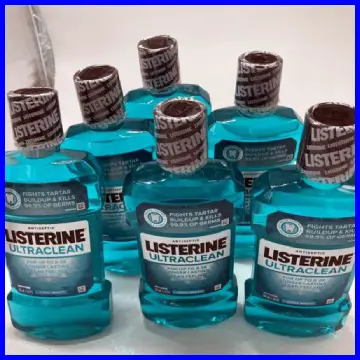
- Anti-Tartar Ingredient: Zinc chloride is the star here, helping to inhibit tartar formation.
In my experience, after a couple of weeks, my teeth feel smoother during tongue checks, reducing that rough texture that brushing alone misses.
- Germ-Killing Power: Like its sibling, it uses essential oils to wipe out 99.9% of bad breath and plaque-causing bacteria.
The cool mint flavor provides a sharp, refreshing burst that wakes up my mouth without lingering bitterness.
- Gum Protection: It targets gingivitis by reducing swelling and plaque.
I’ve found it particularly useful after eating sticky foods, as it seems to flush out residues that could irritate gums.
- Longer-Lasting Clean: The formula claims a prolonged effect compared to basic rinses.
From what I’ve observed, it does extend that fresh sensation, making it ideal for post-lunch touch-ups at work.
- Alcohol-Free Variant: The Arctic Mint zero-alcohol option tones down the intensity while maintaining efficacy.
I appreciate this for evenings when I want gentleness without sacrificing cleanliness.
Ultraclean has a more targeted vibe—it’s like a specialist for tartar woes. I use it when my oral care needs a boost in that area, and it integrates well without disrupting my overall routine.
Pros Of Listerine Ultraclean
- Superior Tartar Prevention: The zinc helps keep teeth smooth, reducing professional cleaning frequency. I’ve seen less scaling at checkups after incorporating it.
- Strong Anti-Plaque Action: It tackles gingivitis effectively, soothing gums and cutting plaque. My gums feel less tender after consistent rinses.
- Intense Freshness: The cool mint provides a lasting clean that combats odors from meals. It’s my pick for post-coffee freshness without re-brushing.
- Variety in Intensity: Alcohol-free options make it versatile for different preferences. I alternate based on how my mouth feels that day.
- Good Value for Gum Health: At a comparable price, it delivers targeted benefits that justify the cost, especially if gums are a priority.
Cons Of Listerine Ultraclean
- Limited Cavity Protection: Without standard fluoride in most versions, it doesn’t address enamel weakening as well, which I’ve supplemented with other products.
- Possible Dryness from Alcohol: The full-strength version can dry out the mouth, encouraging more bacteria if not balanced with hydration.
- Overpowering Tingle: For sensitive users, the sensation is too strong, causing temporary discomfort that I’ve experienced on raw gum days.
- Not as Comprehensive: It misses broader benefits like enamel restoration, making it less ideal as a standalone rinse in my routine.
- Flavor Persistence: The mint can stick around, sometimes clashing with meals, which requires timing adjustments.
In my view, Ultraclean shines for gum-focused care but might need pairing with other items for full coverage.
How These Mouthwashes Fit Into Daily Oral Care
Integrating either into your routine is straightforward, but I’ve found success by timing them right.
For Total Care, I use it morning and night after brushing for that all-encompassing clean.
It complements flossing by reaching spots brushes miss, and over months, I’ve noticed fewer dentist warnings about plaque.
With Ultraclean, it’s more about evenings when tartar feels prominent.
I swish vigorously for the full 30 seconds, feeling the tingle work its magic on gums.
Pairing it with a soft toothbrush enhances the smoothness, and I’ve avoided extra scaling sessions as a result.
From an analytical standpoint, both outperform basic rinses in clinical claims—Total Care with its fluoride edge for long-term enamel health, and Ultraclean for immediate tartar defense.
If you’re like me, tracking changes via journal notes helps quantify improvements, like reduced bleeding or fresher breath feedback from others.
Personal Experiences And User Insights
Reflecting on my journey, Total Care was a revelation during a cavity-prone phase after too many sweets.
It didn’t eliminate issues entirely—that’s on diet too—but it minimized damage, with my dentist noting stronger enamel scans.
Ultraclean stepped in when travel led to rushed brushing, and tartar crept up. The difference was tangible; teeth felt polished, and gums calmed down quickly.
I’ve heard similar from friends—one swore by Ultraclean for post-braces maintenance, while another preferred Total Care for family-wide use due to its versatility.
Analyzing user patterns, those with sensitive teeth lean toward Total Care’s restorative properties, while heavy coffee drinkers favor Ultraclean’s stain-fighting angle. It’s about matching the product to your lifestyle quirks.
Weighing Cost And Availability
Both are budget-friendly, hovering around $7 for a liter, but sales make them even better.
I’ve grabbed them at drugstores or online without hassle. Total Care’s wider variants mean more choices for alcohol sensitivity, while Ultraclean’s focus keeps options streamlined.
In terms of value, Total Care edges out for multi-benefits per dollar, but Ultraclean justifies itself if tartar is your nemesis.
I calculate cost per use—about 15 cents per rinse—and it beats professional treatments hands down.
Potential Side Effects And Precautions
No rinse is risk-free, and I’ve approached both cautiously. Alcohol versions can irritate, so I start with half-diluted swishes.
Overuse might stain teeth slightly, though I’ve avoided that by sticking to twice daily.
For those with allergies, check labels—essential oils could trigger reactions. I consult my dentist yearly, And They’ve Greenlit Both For My Profile, But Individual Tolerances Vary.
When To Choose One Over The Other?
If cavities haunt your checkups, go with Total Care—its fluoride is a proactive ally.
For gum woes or tartar, Ultraclean’s targeted formula wins. I’ve rotated them seasonally: Total Care in winter for dryness-prone mouths, Ultraclean in summer for sweat-induced bacteria spikes.
Blending them isn’t off-limits; I use Total Care mornings and Ultraclean evenings for balanced coverage, maximizing strengths without overlap drawbacks.
Frequently Asked Questions (FAQ)
It focuses on tartar control with zinc chloride, offering stronger anti-plaque and gum protection compared to standard rinses.
It depends on needs—Total Care for overall protection, Ultraclean for tartar and gums.
Basic Listerine targets breath and germs; Total Care adds fluoride for cavity prevention and enamel strength.
Yes, especially for tartar prevention and fresh breath, though it may not suit everyone due to intensity.
Wrapping Up
In wrapping this up, I’ve shared my firsthand take on Listerine Total Care and Ultraclean to help you make an informed pick.
You might find, like I did, that one becomes your staple while the other fills gaps.
Give them a try, listen to your mouth, and adjust as needed—your smile will thank you.
Recent Posts
I spent months comparing budget options against established names after my last set of tires wore out sooner than expected.My goal here is to share what I learned from putting Dextero and...
AquaTru Carafe Vs. Classic: Which Is Actually Fits Your Kitchen?
I decided to write this comparison after months of testing both the AquaTru Carafe and the Classic in my own kitchen. Tracking covered daily use.Taste stayed consistent. Refill frequency...