
If you want to hide visible gray roots, refresh your hair color between salon visits, or make regrowth less noticeable, L’Oréal Professionnel Hair Touch Up may be worth considering.
I would recommend looking at this product if you need a quick, temporary color solution without committing to another full hair-coloring session.
However, choosing the right shade and applying it carefully are essential for a natural finish. In this review, I’ll explain its potential benefits, drawbacks, application tips, and how it compares with other popular root touch-up products.
My personal Experience With L’Oréal Professionnel Hair Touch Up
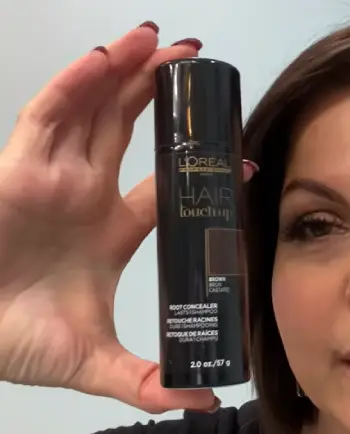
When I consider a temporary root concealer, I look for three things: how naturally it blends with my hair, how quickly it works, and whether it leaves my hair feeling uncomfortable.
L’Oréal Professionnel Hair Touch Up is designed for people who want to conceal visible roots without going through a complete coloring process.
One important distinction is that L’Oréal Professionnel Hair Touch Up and L’Oréal Paris Magic Retouch are related to the same broader beauty brand but are not necessarily identical products.
Formulas, shades, packaging, and application instructions can vary by product and market. Therefore, I would always check the exact product name on the packaging before making a purchase.
The main appeal of a root touch-up spray is convenience. Instead of mixing permanent hair dye, protecting your skin with a thick layer of barrier cream, and waiting for the color to develop, you can use a temporary spray to camouflage regrowth in a matter of minutes.
I would start by identifying the areas that need coverage. For most people, these include the parting, temples, hairline, and the roots around the face. Gray strands tend to stand out in these areas, especially when the rest of the hair has been freshly colored.
The most important step is applying a light, controlled amount. Holding the spray at the distance recommended on its packaging helps distribute the color more evenly. Spraying too closely can create a concentrated patch that looks darker than the surrounding hair.
I would also protect my forehead and clothing before application. Temporary color sprays can leave visible marks on skin, bathroom surfaces, towels, or light-colored fabrics if they are not handled carefully.
Pros Of L’Oréal Professionnel Hair Touch Up
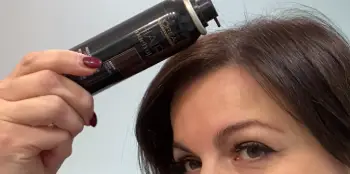
- Quick Coverage for Visible Roots
The biggest advantage of a temporary root spray is speed. You can target visible regrowth without scheduling a salon appointment or completing a full coloring routine.
Imagine that your roots are becoming noticeable two weeks before your next appointment. You have an important occasion coming up, but you do not have time to color your hair. A root concealer gives you another option.
I particularly value this type of convenience because it allows you to manage the appearance of regrowth on your own schedule. You can use it when you need it rather than following a fixed coloring schedule.
- Helps Conceal Gray Hair
Gray roots can create a noticeable contrast against dark brown, black, auburn, or other colored hair. A well-matched temporary concealer can soften that contrast and make the transition look less obvious.
This benefit is most useful when the goal is localized coverage rather than a complete transformation.
However, coverage will vary according to the shade, the density of application, and the amount of gray hair present. If your roots are extensively gray, you may need to work in small sections to obtain a more consistent result.
- Convenient for Between-Appointment Maintenance
Frequent salon visits can require considerable time and expense. Although a root concealer does not replace permanent coloring, it can help you extend the time between appointments when your primary concern is visible regrowth.
I would use it as a temporary cosmetic fix while keeping my usual coloring schedule. This approach is particularly practical if your hair grows quickly or you prefer not to color your roots every time they become noticeable.
The key is to treat it as an optional maintenance tool, not as a permanent solution.
- Targeted Application
A spray format can help you concentrate coverage on the areas that need attention.
Rather than applying color across your entire head, you can focus on your parting, temples, or hairline. This targeted approach makes sense when the rest of your hair still looks fresh.
Careful application is essential, though. A wide spray pattern or excessive product can color areas that do not need coverage.
- No Permanent Color Commitment
Temporary root concealers are appealing because they do not require the same commitment as permanent hair dye.
If you dislike the finish or want to change your look, the product is generally removable with shampoo. This gives you flexibility to experiment with temporary coverage without making a lasting color change.
That does not mean every formula will disappear with a single wash under all conditions. Follow the specific product instructions, particularly if you have heavily coated the hair or used styling products over it.
Cons Of L’Oréal Professionnel Hair Touch Up
- Temporary Results
The most obvious drawback is that temporary coverage does not last like permanent hair dye.
You generally need to reapply a root concealer when the color washes out or becomes less effective. If you want a long-lasting change, permanent or demi-permanent hair color may be a better option.
For me, this is not necessarily a deal-breaker. It simply means the product is best suited to short-term maintenance.
- Finding the Right Shade Can Be Difficult
A shade that looks correct on the packaging may not match your hair perfectly. Hair color can have warm, cool, neutral, golden, reddish, or ashy undertones, and these differences affect the final appearance.
If you choose a shade that is too dark, the roots may look like a separate block of color. If it is too light, the gray strands may remain noticeable.
Whenever possible, compare the available shade descriptions with your actual hair color and follow the manufacturer’s guidance.
- Potential Transfer to Clothing or Skin
Temporary pigments may transfer if they are not fully dry or if the formula comes into contact with fabrics or other surfaces.
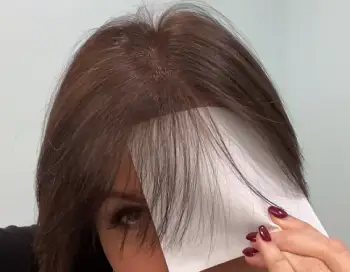
I would avoid wearing a light-colored shirt immediately after application and would allow the product to dry as directed. If you are applying it around your forehead or temples, use a protective tissue or another method recommended by the manufacturer.
Transfer resistance should not be assumed unless the specific product claims it.
- May Leave a Coated Feeling
Some users may find that root sprays leave their hair feeling less soft or slightly stiff. Applying more product than necessary can make this issue more noticeable.
If your hair is fine or naturally oily, excessive product may also make the roots appear flatter or heavier.
The best approach is to start with a small amount and add more only where coverage is still needed.
- Not Ideal for Every Hair-Coverage Need
A root concealer is designed for visible regrowth, not every hair-color problem.
It may not be the right choice if you want to lighten your natural hair, change your overall shade, cover your entire head with a permanent color, or achieve a salon-level color correction.
It is also not a treatment for hair loss. While pigment may make certain areas look more uniform, it does not stimulate growth or increase the number of hair follicles.
Maintenance Tips For L’Oréal Professionnel Hair Touch Up
- Start With Clean, Dry Hair When Directed
For many root-concealing sprays, dry hair is the preferred starting point. Excess moisture can interfere with even distribution or affect the way pigment appears on the hair.
I would check the product label first because application requirements can differ between formulas.
If your roots are already coated with dry shampoo, styling powder, or heavy oils, consider whether buildup could interfere with the result. A cleaner surface often makes it easier to judge how much additional product you need.
You do not necessarily need to wash your hair immediately before every application. The goal is to follow the manufacturer’s directions and avoid applying the spray over excessive residue.
- Choose a Shade That Matches Your Roots
Selecting the correct shade is one of the most important steps in obtaining natural-looking coverage.
Do not base your decision only on the color of your hair ends. If your hair has been dyed several shades darker or lighter than its natural color, the appropriate root concealer should generally match the intended root appearance.
Pay attention to undertones as well. A warm brown may look noticeably different from a cool brown, even when both are labeled similarly.
If you are unsure between two shades, check the brand’s shade guidance and consider how the color looks in daylight. Avoid assuming that a darker shade will always provide better gray coverage.
- Protect Your Skin and Clothing
Before spraying, protect your forehead, ears, clothing, and nearby surfaces as needed.
A tissue or other suitable barrier near the hairline can help prevent unwanted marks. I would also wear an old shirt or cover my shoulders with a towel, particularly when using a dark shade.
Avoid spraying toward your eyes, face, or nose. Use the product in a well-ventilated area and follow the packaging instructions about ventilation and other precautions.
If the product accidentally marks your skin, use the cleaning method recommended by the manufacturer rather than rubbing aggressively.
- Apply in Short, Controlled Bursts
More product does not automatically mean better coverage.
I would part my hair where the regrowth is most visible and apply a light layer according to the recommended spray distance. Moving the product steadily helps avoid concentrating too much pigment in one spot.
For the temples, I would work slowly because these areas are particularly visible and easy to overapply.
Allow the product to settle or dry as instructed before deciding whether another layer is necessary. This helps you evaluate the result without immediately creating excess buildup.
- Blend Carefully Around the Hairline
The hairline is often where a root concealer looks least natural if applied too heavily.
Rather than creating a solid band of color, focus on the visible roots and keep the application controlled around the forehead and temples.
Use a mirror with good lighting, and check the result from different angles. Bathroom lighting can make a shade appear different from how it looks outdoors.
If you notice a dark patch, avoid adding more product to the surrounding area simply to compensate. Follow the manufacturer’s recommended method for correcting or removing excess color.
- Let the Product Dry Properly
Allow sufficient drying time before touching your hair, putting on a hat, or resting your head against light-colored fabric.
Touching the roots too early may spread the pigment or disrupt the finish. Rushing this step can also create the impression that the product transfers more easily than it would when properly dry.
Do not use a hair dryer unless the product instructions permit it. Aerosol products may contain flammable ingredients, so follow all label warnings regarding heat, flames, and ignition sources.
Comparison Of L’Oréal Professionnel Hair Touch Up With Other Brands
- L’Oréal Professionnel Hair Touch Up vs. L’Oréal Paris Magic Retouch
L’Oréal Paris Magic Retouch is a recognizable option in the temporary root-concealer category. Its purpose is to disguise visible roots between hair-coloring sessions.
The biggest consideration is the exact product you are comparing. L’Oréal Professionnel and L’Oréal Paris are separate product ranges, and their formulas, shades, packaging, and availability may differ.
I would compare the actual shade selection, coverage instructions, container size, and price rather than assuming one range is automatically better.
If you want a convenient spray for occasional gray-root coverage, Magic Retouch may be worth considering alongside a Professionnel option. Choose the product that best matches your hair color and offers the application experience you prefer.
- L’Oréal Professionnel Hair Touch Up vs. Clairol Root Touch-Up
Clairol offers root-coloring products designed for people who want to manage visible regrowth at home.
An important difference is that Clairol’s range includes products intended for different coloring needs, including permanent root-color options. A permanent dye and a temporary concealer do not provide the same type of result.
If you need coverage that washes out, a temporary spray is the more appropriate category to investigate. If you want to color your roots for a longer period, a suitable permanent root-color kit may make more sense.
I would not choose between these brands based on name recognition alone. First decide whether temporary camouflage or lasting color is your priority.
- L’Oréal Professionnel Hair Touch Up vs. Color Wow Root Cover Up
Color Wow Root Cover Up is associated with powder-based root concealing. Rather than relying on a spray, this type of product uses a compact and applicator to deposit pigment onto targeted areas.
The application method makes a practical difference. A powder can provide greater control when you want to cover a narrow parting or a small patch of visible regrowth. A spray may be more convenient when you want to cover a broader area quickly.
Neither method is universally better. Powders can require careful blending, while sprays can create overspray if used carelessly.
If precision matters most to you, a powder concealer is worth comparing. If you prefer a fast application, a spray may be more appealing.
- L’Oréal Professionnel Hair Touch Up vs. Toppik Hair Building Fibers
Toppik Hair Building Fibers are primarily associated with making thinning areas look fuller by attaching fibers to existing hair. They are not simply interchangeable with traditional root-color sprays.
A root concealer focuses on reducing the contrast between regrowth and colored hair. Hair-building fibers focus on the appearance of density in areas where the scalp is visible.
Some people may have both concerns, but the products serve different purposes. If gray roots are your main issue, choose a product designed for root coverage. If your concern is the appearance of thinning hair, a hair-building fiber product may be more relevant.
Neither product should be considered a treatment for hair loss.
- L’Oréal Professionnel Hair Touch Up vs. Permanent Hair Dye
Permanent hair dye is a different category from temporary root-concealing spray.
A permanent color product changes the hair’s pigment and is intended to last through repeated washing, although regrowth eventually becomes visible. A temporary concealer places pigment on the hair’s surface and is generally removed through shampooing.
If you want a long-term color change, permanent dye may be more appropriate. If you want to conceal roots for a short period without recoloring your hair, a temporary concealer is usually more convenient.
I would base the decision on how much maintenance you want, how frequently you color your hair, and whether you prefer a temporary or lasting result.
Who Should Buy L’Oréal Professionnel Hair Touch Up?
I would consider this type of product suitable for people who want a quick way to conceal gray roots, refresh their appearance before an event, or make the transition between salon appointments less noticeable.
It may be especially useful if you have a small amount of visible regrowth and do not want to recolor your entire head.
However, it is important to set realistic expectations. A temporary spray is not designed to permanently change hair color, treat thinning, or replace a professional color correction.
Before purchasing, confirm that the product is the specific L’Oréal Professionnel formula you want, that your preferred shade is available, and that its application instructions suit your routine.
Also Read: Is V&Co Curly Hair Shampoo Worth It?
Frequently Asked Questions (FAQ)
Temporary root touch-up sprays generally last until the next shampoo, although wear and transfer resistance vary by formula and application.
It can be a convenient option for temporarily concealing gray roots when you select a suitable shade and apply it carefully.
Experiences can vary, but common considerations include coverage, shade matching, ease of application, and whether the product transfers or feels heavy.
L’Oréal Professionnel offers a broad range of salon-oriented hair products. Whether a specific product is good depends on its formula, your hair type, and your expectations.
Wrapping Up
L’Oréal Professionnel Hair Touch Up may be a worthwhile purchase if you want quick, temporary coverage for visible roots without committing to a full coloring session.
I would prioritize shade matching, controlled application, and easy removal when deciding whether it fits my routine.
If you prefer a lasting color change, permanent dye may be a better choice. For occasional gray-root coverage and convenient between-appointment maintenance, compare the exact product and price before buying to ensure you get the formula that best suits your needs.
Recent Posts
● Interactive 5-Zone Interior & Exterior Paint Blueprint Paint Coverage Calculator: Gallons, Primer, Square Footage & Cost Tap any architectural surface zone on the blueprint...
If you want smooth, shiny hair without spending a fortune on a premium styling tool, the Ella Bella hair dryer may be worth considering.In these Ella Bella hair dryer reviews, I’ll look...