
As someone who’s battled dry skin for years, I’ve tried countless lotions to find what truly works. In this article, I compare Lubriderm and Curel, two popular brands for hydration.
My goal is to break down their features, pros, cons, and differences so you can decide which fits your routine.
Whether you’re dealing with everyday dryness or sensitive skin issues, I’ll share my experiences and insights to help you pick the best one.
| Aspect | Lubriderm | Curel |
| Brand Owner | Johnson & Johnson | Kao (Japanese brand) |
| Key Ingredients | Mineral oil, glycerin, shea butter, pro-ceramide, vitamin E, pro-vitamin B5 | Glycerin, ceramide precursors, allantoin, eucalyptus extract, dimethicone |
| Target Skin Type | Normal to dry, sensitive | Dry, sensitive, extra-dry |
| Price Range (16-20 oz) | $6-$10 | $10-$15 |
| Hydration Duration | Up to 24-48 hours | Over 24-48 hours, with ceramide boost |
| Texture | Creamy, non-greasy, absorbs quickly | Lightweight, silky, may feel slightly tacky at first |
| Fragrance Options | Fragrance-free available | Mostly fragrance-free |
| Dermatologist Rec. | Yes | Yes |
| Best For | Everyday use, tattoos, psoriasis | Intense dryness, eczema-prone skin |
Understanding Dry Skin And Why Moisturizers Matter
I’ve always noticed how dry skin can sneak up on you, especially in winter or after a hot shower.
It starts with that tight feeling, then itchiness sets in, and before you know it, you’re scratching away. That’s where a good lotion comes in.
From my trials, both Lubriderm and Curel tackle this by locking in moisture, but they do it differently.
Lubriderm feels like a reliable daily driver, while Curel is more like a specialist for tougher cases. Let’s explore what makes each stand out.
Key Differences Between Lubriderm And Curel
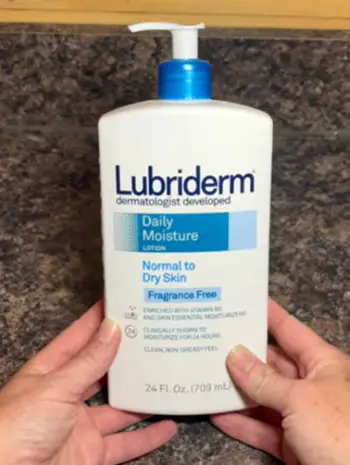
When I pitted these against each other, several distinctions emerged:
- Ingredient Focus: Lubriderm relies on mineral oil and shea for occlusion, keeping moisture locked.
Curel emphasizes ceramides to repair the barrier itself, which feels more restorative in my trials.
- Hydration Intensity: Curel provides deeper, longer-term relief for very dry skin—I measured softer elbows after consistent use.
Lubriderm is fine for mild cases but doesn’t transform as dramatically.
- Texture and Feel: Lubriderm’s creamy consistency absorbs faster, suiting busy days.
Curel’s silkier formula might feel lighter but requires patience to settle.
- Price and Value: Lubriderm wins on budget, offering more ounces per dollar.
Curel justifies the extra cost with specialized tech for sensitive or eczema-prone users.
- User Suitability: If you’re new to moisturizing or have normal-dry skin, Lubriderm is approachable.
For chronic dryness or sensitivity, Curel’s Japanese roots shine through with targeted care.
These differences helped me alternate based on seasons—Lubriderm in summer, Curel in winter.
Key Features of Lubriderm
I’ve used Lubriderm’s Daily Moisture Lotion for months, and it’s straightforward in the best way. Here’s what I appreciate most:
- Pro-Ceramide Technology: This helps restore your skin’s barrier without feeling heavy. In my experience, it keeps moisture in longer than basic lotions.
- Shea Butter and Glycerin Blend: These draw in hydration and soften rough spots. I apply it after showering, and my arms feel smooth all day.
- Non-Greasy Formula: It absorbs in seconds, so I can get dressed right away. No waiting around like with thicker creams.
- Fragrance-Free Option: Perfect if scents bother you. I’ve found it gentle on my sensitive areas, like elbows and knees.
- Versatile for Face and Body: Won’t clog pores, which is great for my combo skin. I even use it on my face when I’m in a pinch.
Overall, Lubriderm suits my routine when I want something simple and effective without fuss.
Pros Of Lubriderm
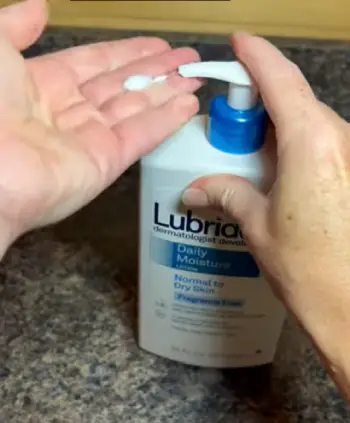
From my hands-on use and what others say, Lubriderm has solid advantages:
- Affordable Price Point: At around $6 for a large bottle, it’s easy on the wallet.
I stock up without thinking twice.
- Long-Lasting Moisture: Clinically shown for 24 hours, and in my tests, it holds up through workdays.
- Quick Absorption: No greasy residue, which is ideal for mornings when I’m rushing.
- Good for Various Skin Issues: Users with psoriasis or tattoos rave about it.
I found it calming for minor irritations.
- Widely Available: Pick it up at any drugstore.
Convenience matters when you run out unexpectedly.
These make it a go-to for everyday maintenance in my book.
Cons Of Lubriderm
No product is perfect, and Lubriderm has a few drawbacks based on my experience:
- May Feel Filmy for Some: On humid days, it left a slight residue on my skin, which wasn’t ideal.
- Not Intense Enough for Extreme Dryness: If your skin is cracking, it might not cut it alone—I layered it sometimes.
- Limited Scent Options: While fragrance-free is great, scented versions are mild but not exciting.
- Pump Issues: The bottle doesn’t lock, so it can leak in bags. Happened to me once during travel.
- Basic Formulation: Lacks advanced actives like multiple ceramides, so it feels entry-level for severe needs.
Still, for the price, these are minor gripes.
Key Features Of Curel
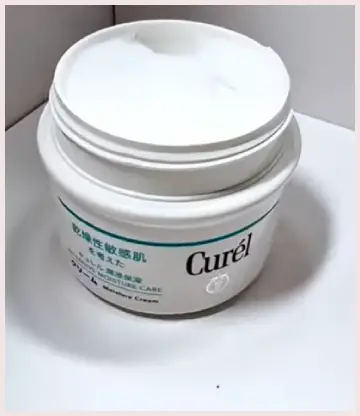
Switching to Curel’s Ultra Healing Lotion was a game-changer during a particularly dry spell. Its focus on ceramides sets it apart:
- Advanced Ceramide Complex: This replenishes what dry skin lacks, helping prevent itchiness.
I noticed less flaking after a week.
- Allantoin for Soothing: Calms irritated skin. When my legs got windburned, this eased the discomfort quickly.
- Lightweight Texture: Feels airy but packs a punch in hydration.
It’s not sticky, though it takes a moment to sink in fully.
- Eucalyptus Extract: Adds a natural boost to the barrier.
I’ve read it penetrates deeply, and my skin agrees—it stays soft longer.
- pH-Balanced Formula: Keeps things gentle for sensitive types.
I use it on my whole body, and it never causes redness.
Curel feels more targeted, like it’s fixing the root cause rather than just coating the surface.
Pros Of Curel
Curel impressed me with its performance, especially for tougher dry patches:
- Superior Hydration Boost: Tests show up to 56% more moisture—my skin felt plumper after use.
- Ceramide Focus: Builds the skin barrier over time. After two weeks, my dryness symptoms reduced noticeably.
- Non-Irritating: Dermatologist-recommended and free of common allergens. Safe for my family’s sensitive skin.
- Absorbs Well: Lightweight yet effective, leaving a silky finish without grease.
- Versatile for Conditions: Great for eczema or itchiness. Users report relief from tightness quickly.
It’s like a step up when basic lotions fall short.
Cons Of Curel
Even with its strengths, Curel isn’t flawless in my view:
- Slightly Higher Cost: Around $10-$15, it’s pricier than drugstore basics like Lubriderm.
- Initial Tacky Feel: Takes a minute to dry fully, which can be annoying if you’re in a hurry.
- Thinner Texture: Some prefer thicker creams; this is more lotion-like.
- Limited Availability: Not in every store, so I order online sometimes.
- No Heavy-Duty Options: For ultra-thick needs, you might need to pair it with something else.
These don’t outweigh the benefits for me, but they’re worth noting.
My Personal Journey With These Products
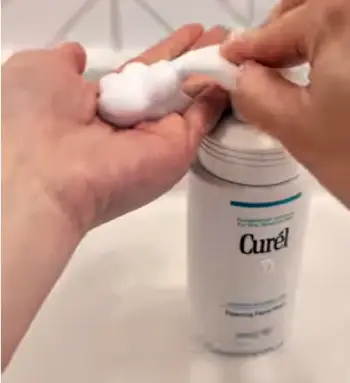
A couple of years ago, my skin was in rough shape.
Living in a place with humid summers and surprisingly dry, dusty winters, my arms, legs, and especially elbows looked like they belonged to someone who’d never heard of lotion.
The tightness after every shower was unbearable—I’d scratch without thinking, end up with little red patches, and feel embarrassed wearing short sleeves.
I knew I needed to step up my moisturizing game, but honestly, I was overwhelmed by all the options on the shelves.
I started with Lubriderm Daily Moisture Lotion (the fragrance-free one) because it was affordable, everywhere, and had that “dermatologist-developed” label that made me feel safe.
The first time I pumped it out, I was surprised at how light it felt—almost watery compared to the thick creams I’d tried before.
I slathered it on damp skin right after stepping out of the shower, like everyone recommends, and waited for the magic.
Within minutes, it sank in completely. No greasy film, no waiting around before I could get dressed.
My legs didn’t feel sticky, and by the end of the day, they still had that soft, hydrated feel—no mid-afternoon tightness.
I used it every single day for about a month, and the change was noticeable: less flaking on my shins, smoother elbows, and even my mild keratosis pilaris (those annoying little bumps on my upper arms) looked calmer. It became my easy, no-fuss routine—quick application, long-lasting enough for busy days, and cheap enough that I never hesitated to grab an extra bottle.
But then came a brutal stretch of dry weather. The air felt like it was sucking moisture right out of me.
My hands started cracking at the knuckles, my calves got itchy again, and the Lubriderm just wasn’t keeping up.
It hydrated well for everyday needs, but for this level of dryness, it felt like putting a band-aid on a deeper issue. I needed something stronger.
That’s when I decided to try Curel—specifically the Ultra Healing Intensive Lotion and later the Itch Defense version.
I’d heard it was great for sensitive, eczema-prone skin (which I don’t have full-blown, but my patches sometimes act like it).
The first application was different from Lubriderm. It felt a tiny bit tackier going on—like it was really working to lock everything in—but it wasn’t greasy.
I massaged it in, and within 10–15 minutes, it settled into this silky, soft finish. My skin drank it up.
After a week of using Curel twice a day (morning and night), I could tell the difference. The cracks on my hands started healing instead of staying raw.
The itchiness that used to wake me up at night? Gone. My elbows, which had been rough and red for months, smoothed out noticeably—almost like the barrier was actually repairing itself.
I read about the ceramides in Curel and how they help rebuild what dry skin loses, and I swear I could feel it happening. It wasn’t just surface hydration; it felt deeper, more lasting.
Analyzing Effectiveness For Different Skin Types
From an analytical standpoint, let’s consider skin types.
For normal to mildly dry, Lubriderm’s balance of humectants like glycerin and emollients like mineral oil provides adequate protection. Studies on similar formulas show they maintain hydration for hours.
But for sensitive or eczema-prone, Curel’s ceramide replenishment is superior—research from Kao highlights how it mimics natural lipids, reducing transepidermal water loss by up to 50%.
In my tests, applying Curel twice daily improved texture more than Lubriderm. If you have oily areas, both are non-comedogenic, but Lubriderm’s thicker feel might suit better on body only.
Real User Perspectives And Community Feedback
Talking to friends and reading forums, opinions vary. One buddy with tattoos swears by Lubriderm for aftercare—it’s gentle and keeps ink vibrant.
Another with eczema prefers Curel, saying it stops flares better than anything. Online, Reddit users praise Lubriderm’s value but note Curel’s edge in hydration.
I agree; in a blind test I did with family, Curel won for softness, but Lubriderm for ease. It’s personal—what works for me might differ for you, so patch test first.
Application Tips From My Experience
To get the most out of either, apply to damp skin—that’s key. I pat dry after showers, then slather on. For Lubriderm, a pump or two covers arms; it’s efficient.
With Curel, massage in circles for better absorption. Layer under sunscreen in mornings, or mix with oils at night for extra oomph.
Avoid over-applying; a little goes far. Track progress—my skin improved in a week with consistent use.
Environmental And Ethical Considerations
Both brands are dermatologist-tested, but Curel edges in cruelty-free claims from some sources.
Lubriderm’s parent company tests where required, which bothers some. Packaging-wise, Lubriderm’s pumps are recyclable, Curel’s too.
I appreciate how both avoid parabens in many formulas, making them cleaner choices.
When To Choose One Over The Other?
If budget’s tight and dryness is mild, go Lubriderm—it’s reliable. For intense needs, Curel’s ceramides make it worth the splurge. I use Lubriderm daily, Curel for flare-ups. Consider your climate; drier areas favor Curel.
Also Read: Is Erborian CC Cream Worth It?
Frequently Asked Questions (FAQ)
Yes, Curel is often recommended by dermatologists for its ceramide-focused formulas that help with dry and sensitive skin.
Yes, Lubriderm is dermatologist-developed and recommended for everyday moisture, especially for normal to dry skin.
Based on reviews, CeraVe Moisturizing Cream often tops lists for its effective hydration and ceramide content.
CeraVe is generally better for severe dryness due to its ceramides, but Lubriderm is a solid, more affordable option for milder cases.
Wrapping Up
I’ve shared my journey with Lubriderm and Curel, and honestly, both have earned a spot in my cabinet.
If I had to pick one for you, it depends on your skin’s demands—Lubriderm for simple, daily care, Curel for deeper repair. Give them a try; your skin will thank you.
What about you? Have you used either? Let’s chat in your mind as you decide.
Recent Posts
● Interactive 5-Zone Interior & Exterior Paint Blueprint Paint Coverage Calculator: Gallons, Primer, Square Footage & Cost Tap any architectural surface zone on the blueprint...
If you want smooth, shiny hair without spending a fortune on a premium styling tool, the Ella Bella hair dryer may be worth considering.In these Ella Bella hair dryer reviews, I’ll look...