
I switched to natural deodorants years ago after growing tired of aluminum-based sticks that left me wondering what else they were doing to my skin.
My goal with this piece is straightforward: to share what I learned after months of testing Lume and Native side by side so you can decide which one fits your daily life, skin type, and odor-control needs without the usual marketing noise.
| Feature | Lume | Native |
| Main odor fighter | Mandelic acid (pH-lowering AHA) | Baking soda or magnesium (sensitive line) |
| Claimed protection | Up to 72 hours | Up to 72 hours (real-world often shorter) |
| Whole-body use | Yes (underarms, feet, groin, etc.) | Primarily underarms |
| Baking soda | Free | Present in original; free in sensitive |
| Texture options | Cream, solid stick, spray | Solid stick (plastic and plastic-free) |
| Scent range | Limited, subtle | Wide, including seasonal |
| Approximate price | $15 per unit | $13 per unit |
| Skin feel | Lightweight, can feel slightly wet at first | Creamy then powdery |
| Availability | Online and select stores | Drugstores, big-box, online |
My Real-User Starting Point With Both Brands
I started with Native because it was easy to find at the local store. The Coconut & Vanilla stick felt familiar, like a regular deodorant but without the aluminum.
Application was smooth. It went on clear and left my underarms feeling soft thanks to the coconut oil and shea butter. For office days and light activity it held up fine through the afternoon.
After a sweaty workout or a humid commute, though, I noticed odor creeping back by evening.
That was my first clue that “natural” does not automatically mean all-day industrial strength.
Then I tried Lume. The cream version felt different right away. It rubbed in like a thin lotion rather than a traditional stick.
The brand positions it as a whole-body product, so I tested it under arms, on the bottoms of my feet after long walks, and even lightly on other areas where odor can show up.
The first few applications had a noticeable base scent that some people describe as sour or cheesy.
It faded quickly once it settled, but the first thirty seconds were memorable. After that adjustment period, the odor control felt stronger and lasted longer than Native on high-sweat days.
Key Differences Between Lume And Native Deodorant
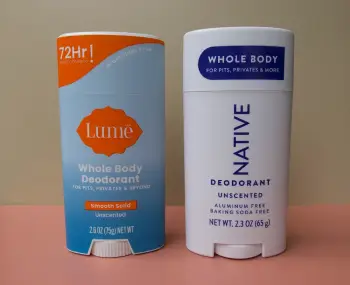
- How they fight odor: Lume uses mandelic acid to lower skin pH and create an environment where odor-causing bacteria struggle to thrive, which feels more preventative once you get used to the routine.
Native relies more on baking soda to neutralize acids produced by bacteria, plus starches that absorb moisture, giving it a more traditional neutralizing action that many people recognize from older natural formulas.
- Where you can use them: Lume is formulated and marketed for any external skin area, so I freely applied it to feet, under the breasts, and even the crease of the thighs without second-guessing the label.
Native is designed mainly for underarms, and while some people stretch it elsewhere, the formula and packaging never encouraged that kind of multi-zone use for me.
- Skin reaction potential: Native’s original formula can irritate people sensitive to baking soda, sometimes causing redness or a tight feeling after a few days of continuous wear.
Lume skips baking soda entirely, which helps many sensitive-skin users stay comfortable, though a few still report mild redness if they apply too much or use it on freshly shaved skin.
- Scent philosophy: Native offers a broad, often stronger fragrance library that feels closer to conventional deodorants and keeps daily application interesting with seasonal rotations.
Lume keeps scents simpler and subtler so the formula itself stays front and center, which some people prefer when they do not want a noticeable perfume lingering through the day.
- Format flexibility: Lume gives you cream, solid, and spray choices, letting you match the texture to your mood or the area of the body you are treating.
Native stays mostly in stick form, with a plastic-free paper option for those who want less plastic, but that limited format means less experimentation with application style.
- Adjustment period and learning curve: With Lume I needed a few days to get past the initial base scent and figure out the right amount of cream, while Native felt immediately familiar and required almost no learning.
That difference can decide whether someone sticks with a product long enough to judge its real performance.
Key Features Of Lume
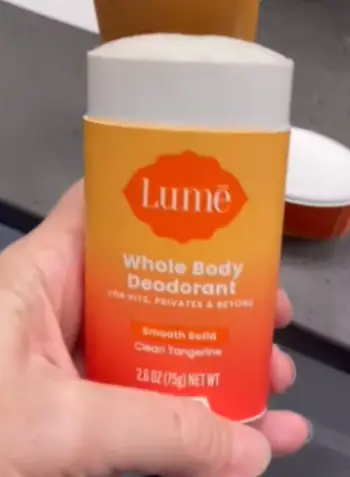
- Mandelic acid core: This alpha-hydroxy acid is the standout ingredient. It acidifies the skin surface, which limits the bacteria that turn sweat into odor.
I noticed the difference most on days when I skipped a second application and still stayed fresh longer than expected.
- Whole-body design: The formula is intended for folds and areas most deodorants never touch.
Using it on feet after a long day in closed shoes made a clear difference for me, and the same stick or cream handled underarm duty without needing a separate product.
- Multiple textures: The cream rubs in clean and disappears quickly. The solid stick feels closer to a regular deodorant and is easier for travel.
The spray offers a no-touch option that works well when skin is already damp or when you want a lighter layer.
- Clean ingredient stance: No aluminum, baking soda, parabens, phthalates, or talc.
That checklist is consistent across the line and gives peace of mind if you read labels carefully before buying.
- Claimed longevity: The 72-hour claim is central to the brand. In my experience it often lasted well past a full day of mixed activity, though heavy workouts still required a refresh once odor started to return.
- Doctor-developed background: The product grew out of an OB-GYN’s work with patients who needed odor control in sensitive areas, which explains the whole-body focus and the careful attention to skin safety.
- pH-optimized approach: By keeping the skin slightly more acidic, Lume creates conditions that are less friendly to the microbes responsible for strong smells, rather than simply covering them up with fragrance.
- Minimal residue when used correctly: Once the cream or solid settles, it leaves almost no visible white marks on dark clothing if you give it a minute to absorb before dressing.
Pros Of Lume
- Stronger long-wear performance: On days with back-to-back meetings plus a workout, Lume kept odor at bay longer than Native in my tests, often carrying me through evening activities without a second thought.
- Versatility beyond underarms: Being able to use one product on feet, under breasts, or other areas simplified my routine and reduced the number of different products I needed to keep on hand.
- Baking-soda-free formula: This removed a common irritation trigger for me and for several people I know with reactive skin, letting us stay consistent without the cycle of redness and recovery.
- pH-focused approach: Targeting the bacterial environment rather than just absorbing moisture feels more proactive and aligns with how odor actually forms on the skin.
- Clean profile with clinical positioning: The doctor-developed origin story and consistent free-from list give it a polished feel that matches the higher price point for many buyers.
- Effective on multiple body zones in one application session: I could treat underarms and feet in the same morning routine and trust both areas would stay fresher longer than with standard underarm-only products.
- Less frequent reapplication needed on moderate days: Once the formula settled into my skin, I often went a full workday plus commute without reaching for a backup stick.
- Support for sensitive or previously irritated underarms: Users who had given up on natural deodorants because of baking soda often find Lume more tolerable and are able to stay aluminum-free.
Cons Of Lume
- Higher price point: At roughly fifteen dollars per unit it costs more than Native and far more than drugstore antiperspirants, so the monthly spend climbs if you use it daily across several body areas.
- Initial scent adjustment: The base note before the fragrance settles can put some people off during the first few uses, and a small number never fully warm up to it even after the adjustment period.
- Not an antiperspirant: It controls odor, not the volume of sweat. Heavy sweaters may still feel wet and may need a separate product or a hybrid approach on the hottest days.
- Limited scent excitement: The range is smaller and more subdued than Native’s, which can feel restrictive if you enjoy rotating through bold or seasonal fragrances.
- Online-heavy availability: Finding it in physical stores is less consistent than Native, so you often end up ordering and waiting for delivery when you run low.
- Cream texture learning curve: The lotion-like cream requires a light hand and a short wait time before dressing, otherwise it can feel slightly tacky or transfer onto clothes.
- Potential for mild stinging on freshly shaved or broken skin: Even though it is gentler for many, applying it too soon after shaving can cause temporary discomfort for some users.
- Perception of “clinical” rather than luxurious: The functional packaging and focus on performance can feel less indulgent compared with brands that lean harder into lifestyle or fragrance storytelling.
Key Features Of Native
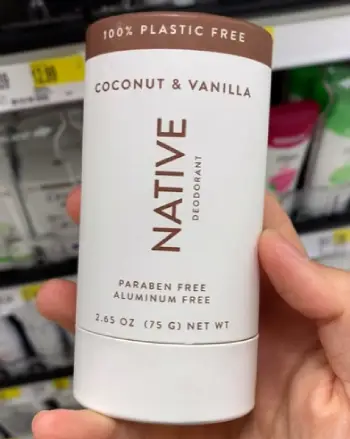
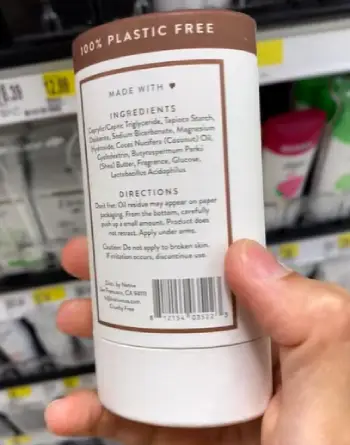
- Baking soda or magnesium options: The original formula uses baking soda for odor control and delivers solid everyday performance.
The sensitive line swaps it for magnesium hydroxide, which is gentler for many people and still provides noticeable odor protection without the common irritation trigger.
- Nourishing base: Coconut oil and shea butter leave skin feeling conditioned rather than stripped.
After a week of daily use my underarms felt softer and less prone to the dry, tight sensation some natural deodorants cause.
- Scent variety: From Coconut & Vanilla to more unexpected seasonal options, the range is wide.
That alone keeps the product interesting over months of use and makes it easier to stick with the brand long term.
- Plastic-free choice: The paper-tube version appeals if packaging impact matters to you, and it still delivers the same core formula in a more eco-conscious package.
- Everyday accessibility: You can find it in most drugstores and big-box stores, so running out is less of a crisis and you can test new scents without waiting for shipping.
- Smooth application feel: The stick glides on easily once body heat softens it, and it sets to a soft powdery finish that feels light under clothing.
Pros Of Native
- Familiar stick experience: It applies like the deodorants most of us grew up with, which makes the switch easier and reduces the chance of early frustration that leads people to quit natural options.
- Excellent scent selection: The variety keeps daily use from feeling monotonous and lets you match the fragrance to the season or your mood without changing brands.
- Gentler on some wallets: Slightly lower price and frequent store sales help, especially if you go through deodorant at a steady pace or share with family members.
- Sensitive-skin option: The baking-soda-free version solves irritation for many and still delivers usable odor control for everyday activity levels.
- Widespread retail presence: Grabbing a replacement is simple, and you can try a new scent on impulse without committing to a full online order.
- Conditioning effect on underarm skin: The oils and butters leave the area feeling softer and more cared for after consistent use, which is a quiet but noticeable benefit.
- Good balance of performance and convenience for office or low-to-moderate activity days: It reliably covers a standard workday for many people without requiring constant monitoring.
- Plastic-free packaging alternative: Choosing the paper tube version lets you reduce plastic waste while keeping the same core formula you already like.
Cons Of Native
- Shorter real-world protection: On high-activity days the odor control faded sooner for me than Lume’s, often requiring a midday refresh or accepting some return of scent by late afternoon.
- Baking soda sensitivity risk: The original formula can cause redness, itching, or a burning sensation for reactive skin, sometimes appearing after several days of use rather than immediately.
- Underarm focus: It is not positioned or optimized for whole-body use, so you still need additional products if odor shows up on feet or other areas.
- Possible residue or gummy feel: Over-application or reapplication without wiping can leave a pasty texture that builds up and feels unpleasant under tight clothing.
- Not a sweat stopper: Like Lume, it is a deodorant, not an antiperspirant, so heavy sweaters still experience wetness even when odor is controlled.
- Potential white marks on dark fabrics: If you apply too generously or dress before it fully sets, the stick can leave visible streaks that require careful brushing or a change of shirt.
- Softening in high heat: The coconut-oil base can become softer or even slightly melty in very hot weather or when left in a warm car, making application messier.
- Inconsistent results during hormonal or high-stress periods: Some users notice the formula struggles more when body chemistry changes, requiring more frequent application than the label suggests.
Analytical Take On Performance In Daily Life
I tracked both products across office days, gym sessions, travel, and humid weather. Lume consistently delivered longer odor-free windows, especially when I used the cream under arms and a light application on feet.
Native performed reliably for lower-intensity days and smelled more pleasant to me right out of the package. Skin reaction was milder with Lume in my case, though I know people who had the opposite experience.
Neither product stops sweat. Both are aluminum-free deodorants. If wetness control is non-negotiable, you will still need an antiperspirant or a clinical-strength option on the hardest days.
For pure odor management, Lume’s pH strategy gave me higher confidence during longer stretches without reapplication.
Cost per month depends on how often you apply and how many body areas you treat.
A single Lume unit lasted me longer when I used it sparingly after the adjustment phase. Native’s lower sticker price and store availability made it easier to keep stocked without thinking.
Also Read: Comparison Of Megababe And Native Deodorant
Frequently Asked Questions (FAQ)
It depends on what you need. Native matches or beats Lume on scent variety, ease of finding, and everyday comfort. Lume generally lasts longer and works on more body areas. For many people they are close enough that preference decides it.
Past cases challenged the “clinically proven” 72-hour claim and certain marketing language around aluminum-free positioning. One early case was voluntarily dismissed. Other complaints have raised questions about unscented versions containing fragrance ingredients and occasional skin-irritation reports. Outcomes vary and some remain unresolved.
The higher price, the brief unusual base scent on application, and the fact that it does not reduce sweat volume are the main drawbacks most users mention.
Lume is not shutting down. Some individual scents have been retired and formulas have been updated over time. The brand continues under larger ownership with an active product line.
Final Thoughts
I spent real weeks living with both sticks and creams so I could give you a clear picture instead of recycled talking points.
Lume earned my respect for its longer-lasting odor control and whole-body flexibility. Native earned a permanent spot in my rotation for its scents, accessibility, and gentle daily feel.
Your skin, activity level, and tolerance for price will tip the scale one way or the other.
If you want maximum protection that stretches across more than just underarms, reach for Lume and give the initial scent a few days to settle.
If you prefer a conventional stick experience with plenty of fragrance options and easy store pickup, Native will likely feel like home. Either choice moves you away from aluminum while still handling the odor side of the equation. Test both if you can; your own chemistry is the only final judge that matters.
Recent Posts
● Interactive 5-Zone Interior & Exterior Paint Blueprint Paint Coverage Calculator: Gallons, Primer, Square Footage & Cost Tap any architectural surface zone on the blueprint...
If you want smooth, shiny hair without spending a fortune on a premium styling tool, the Ella Bella hair dryer may be worth considering.In these Ella Bella hair dryer reviews, I’ll look...