
As someone who’s been dealing with nagging joint pain from years of running and the occasional skin flare-up, I decided to explore red light therapy options.
In this article, I’ll compare Lumebox and Joovv from my perspective as a regular user, breaking down their features, differences, pros, and cons to help you figure out which might fit your routine better.
| Feature | Lumebox | Joovv |
| Device Type | Portable handheld | Modular panels (with handheld options like Go 2.0) |
| Wavelengths | 660nm red and 850nm NIR (both from each bulb) | 660nm red and 850nm NIR |
| Irradiance | 125-140 mW/cm² at close range | High output, varies by model (around 100+ mW/cm²) |
| Coverage Area | Targeted, about 7-8 inches | Full-body with larger setups, targeted with handheld |
| Power Source | Rechargeable battery | Plug-in for panels, battery for handheld |
| Modes | Red only, NIR only, both; pulsed and continuous | Red, NIR, both; pulsing Recovery+ mode, ambient |
| Price Range | $300-600 (with deals) | $500-3000+ depending on setup |
| Portability | Highly portable | Less portable for full panels |
| App Integration | No | Yes, for control and customization |
| Safety Testing | Third-party tested, low EMF | Medical-grade, safety standards met |
Understanding Red Light Therapy And Why It Matters?
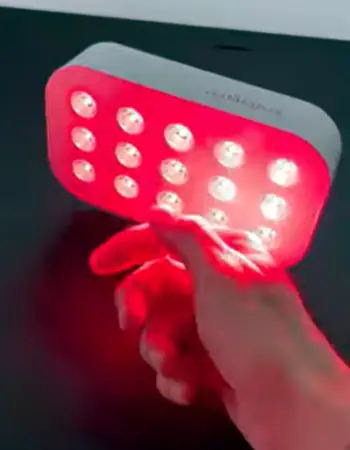
I’ve always been skeptical about wellness gadgets, but after trying red light therapy, I saw real changes in my energy levels and skin texture.
Red light therapy uses specific wavelengths of light to penetrate your skin and tissues, boosting cellular energy.
It’s like giving your cells a little nudge to work better, which can help with everything from reducing inflammation to improving recovery after workouts.
Both Lumebox and Joovv tap into this, but they do it in ways that suit different lifestyles.
For me, starting with a simple device made sense before committing to something bigger.
From what I’ve experienced, the key is consistency.
You hold or position the device near your skin for a few minutes a day, and over time, you might notice less soreness or clearer skin.
I started using it on my knees after runs, and it felt like the stiffness eased up faster than usual.
But not all devices are created equal—some are built for quick, targeted sessions, while others aim for whole-body exposure.
Key Differences Between Lumebox And Joovv
Choosing between these two comes down to how you plan to use red light therapy. I’ve weighed them against my own routine—quick sessions versus dedicated time—and here’s what stands out.
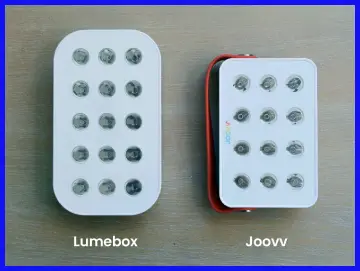
- Portability vs Stationary Setup: Lumebox is like a travel companion you can grab anytime, while Joovv’s panels are more of a home fixture, ideal if you have space but less convenient for moving around.
- Treatment Area Coverage: With Lumebox, you’re focusing on specific spots like a knee or face, requiring you to reposition for full-body effects; Joovv allows simultaneous coverage of larger areas, making it faster for overall wellness.
- Price and Accessibility: Lumebox starts lower, often under $400 with promotions, appealing to beginners like me who want to test the waters; Joovv can climb into thousands for full setups, but you get premium features in return.
- Tech and Customization: Lumebox keeps it simple with basic modes, which suits my no-fuss approach; Joovv’s app and advanced pulsing offer more control, great if you like tweaking settings for optimal results.
- Power and Intensity: Both are strong, but Lumebox packs high irradiance into a small form, feeling intense up close; Joovv distributes power evenly over bigger panels, providing a more uniform experience.
These differences shaped my preference—Lumebox for flexibility, Joovv for immersion.
Key Features Of Lumebox
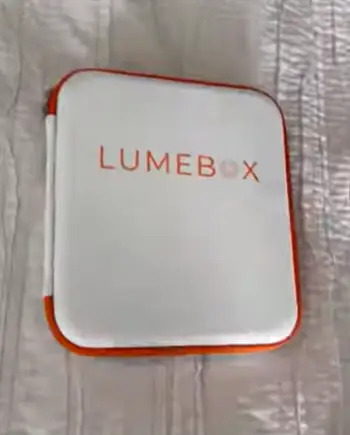
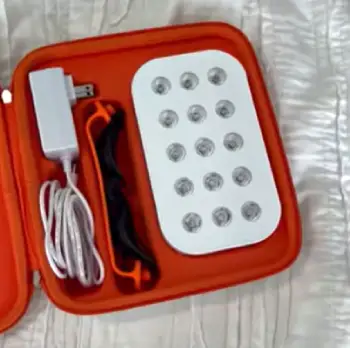
When I first got my hands on the Lumebox, it felt like a practical tool rather than a fancy gadget. It’s designed by a doctor, which gave me confidence, and it’s compact enough to toss in a bag for travel.
- Dual Wavelength Delivery: Each of the 15 LEDs emits both 660nm red and 850nm near-infrared light at the same time, so you get combined benefits without switching modes manually.
This means deeper penetration for muscle relief while also targeting surface-level skin issues.
- High Irradiance Levels: At 125-140 mW/cm² when held close, it’s powerful for its size, making sessions efficient.
I found that even short uses felt effective on sore spots.
- Pulsing and Continuous Options: You can choose pulsed mode for recovery or continuous for general wellness, which lets me tailor it to what my body needs that day.
- Battery Life and Portability: Rechargeable with a long-lasting battery, it’s great for on-the-go use.
I’ve taken it on trips and used it in hotel rooms without hassle.
- Safety Features: Third-party tested for low EMF and optical safety, so I don’t worry about long-term use.
It comes with goggles too, though I rarely need them for quick sessions.
The Lumebox covers about a hand-sized area, so for broader treatment, you move it around. I appreciate how straightforward it is—just press a button and go.
Pros Of Lumebox
After using Lumebox for months, I’ve come to rely on it for everyday tweaks to my health.
- Affordability: At its price point, especially with deals, it’s a budget-friendly entry into quality red light therapy, saving me from expensive clinic visits.
- Ease of Use: One-button operation and clear modes make it beginner-friendly; I can start a session without fumbling through apps.
- Versatility for Targeted Therapy: Perfect for spot-treating pain or skin issues; I’ve used it on my back after long days and felt relief quickly.
- Long Battery Life: Holds charge for multiple sessions, so it’s reliable even when I’m away from outlets.
- Compact Design: Fits in my gym bag or desk drawer, encouraging consistent use without taking up space.
Overall, it’s empowering to have something this effective at my fingertips.
Cons Of Lumebox
No device is perfect, and Lumebox has its limitations based on my experience.
- Limited Coverage Area: The small size means longer sessions for full-body treatment; I sometimes wish it covered more ground at once.
- Manual Positioning Required: You have to hold or prop it up, which can be tiring for extended use compared to hands-free options.
- No App Integration: Lacks smart features, so tracking progress relies on my own notes rather than built-in tools.
- Potential for Overheating: In longer sessions, it warms up, though never uncomfortably so in my case.
- Warranty Concerns: Some users mention customer service hiccups, but I’ve had smooth sailing so far.
These aren’t deal-breakers for me, but they might matter if you’re after seamless integration.
Key Features Of Joovv
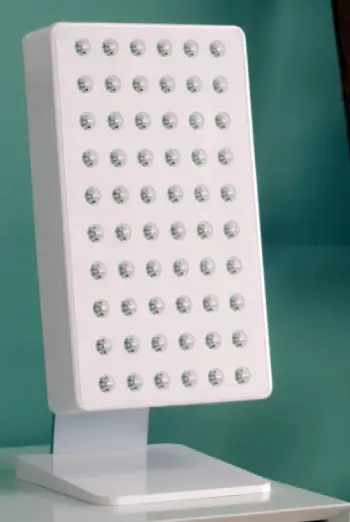
Joovv impressed me with its professional vibe, like something you’d see in a high-end spa. Their systems are more about building a setup that fits your space, and I’ve tried a friend’s Solo panel to get a sense of it.
- Modular Design: You can start with one panel like the Solo 3.0 and add more for full-body coverage.
This scalability means it grows with your needs, which is smart if you’re committed long-term.
- Advanced Pulsing Technology: The Recovery+ mode pulses the light to enhance healing, and there’s an ambient setting for gentle use, like winding down at night.
I noticed it helped with relaxation more than basic steady light.
- App Control: Connect via Bluetooth to adjust settings, track sessions, and even set it as a wake-up light.
This tech integration makes it feel modern and user-friendly.
- High-Quality LEDs: Delivers consistent red and NIR wavelengths with options to use one or both.
The power output ensures effective treatment over larger areas without needing to hold it.
- Hands-Free Operation: Wall-mount or stand options let you stand in front of it, perfect for multitasking.
I’ve heard from users that this makes daily use effortless.
Joovv’s handheld Go 2.0 is similar to Lumebox in portability, but their strength lies in the larger panels for comprehensive therapy.
Pros Of Joovv
Trying Joovv through a friend opened my eyes to what a more robust system can offer.
- Full-Body Capability: Larger panels treat multiple areas at once, making it efficient for overall recovery; I felt more energized after a session.
- Advanced Features: Pulsing and app controls allow personalization, which enhanced my muscle relaxation.
- High Build Quality: Feels durable and professional, with options to expand, justifying the investment for serious users.
- Hands-Free Convenience: Set it up and step in front—ideal for busy mornings or evenings.
- Proven Effectiveness: Backed by user stories of improved sleep and skin, aligning with what I experienced briefly.
It’s like having a personal wellness station at home.
Cons Of Joovv
Despite the appeal, Joovv isn’t without drawbacks from what I’ve seen and heard.
- Higher Cost: Entry-level models are pricey, and full setups add up quickly, which might deter casual users like me starting out.
- Bulkier Design: Panels require dedicated space, not as easy to store or travel with.
- Customer Service Issues: Some reviews mention delays or unhelpful support, though my indirect experience was positive.
- Power Dependency: Most need plugging in, limiting use to fixed locations.
- Overkill for Beginners: All the features can feel overwhelming if you’re new to red light therapy.
It shines for committed users but might be too much for simple needs.
How I Use These Devices In Daily Life
Incorporating red light therapy into my routine has been transformative.
With Lumebox, I start my day with a 6-minute facial session while brewing coffee.
The red light perks up my skin, reducing any overnight puffiness.
For Joovv, I use the app to schedule evening wind-downs, targeting my back after desk work.
One thing I’ve learned is positioning matters.
I hold devices 6-12 inches away for optimal penetration—too close, and it’s intense; too far, and effects diminish.
For skin, I focus on red light benefits like collagen boost, which I’ve seen in fewer fine lines.
On muscles, NIR helps with deeper repair, cutting my soreness after squats.
If you’re like me and juggle work and fitness, these tools save time over clinic visits.
I alternate between them based on needs—Lumebox for quick fixes, Joovv for tracked progress.
It’s all about finding what clicks for your body.
- Benefits For Skin Health
Skin is where I’ve seen the most visible changes. Lumebox’s higher irradiance has helped fade my acne scars faster, giving a smoother complexion.
I apply it directly to problem areas, and within weeks, texture improves.
Joovv excels in even toning. Using it consistently, my skin feels firmer, thanks to stimulated collagen.
For anti-aging, both reduce wrinkles, but Lumebox’s power gives quicker glow-ups.
From an analytical standpoint, studies show red light increases fibroblast activity, leading to better elasticity.
In my case, combining with skincare routines amplifies results—no more dull winter skin.
- Muscle Recovery And Pain Relief
As an active person, recovery is key. Lumebox has been my go-to for post-run knee pain; the deep penetration eases inflammation overnight. I’ve timed it—soreness drops by half.
Joovv’s targeted approach works wonders on specific injuries, like a strained shoulder. The app reminds me to session, ensuring consistency.
Both promote blood flow and reduce oxidative stress, speeding healing. I’ve avoided downtime from minor tweaks, keeping my training on track.
- Energy And Mood Boost
Beyond physical, these devices lift my energy. Morning sessions with Lumebox wake my cells, making me feel alert without extra coffee. Joovv’s evening use calms me, improving sleep quality.
Analytically, light therapy influences circadian rhythms and serotonin. For me, it’s meant fewer slumps and better focus during work.
- Potential Side Effects And Precautions
I always approach cautiously. Both are safe, but overuse can cause mild fatigue or headaches—I’ve experienced that with extended sessions. Start low and build.
Pregnant? Consult a doc. Same for photosensitivity. I use eyewear religiously to protect vision.
- Choosing Based On Your Needs
If portability tops your list, Lumebox wins. For tech and scalability, Joovv. Budget-wise, Joovv’s entry is lower, but Lumebox offers more bang per buck in power.
I’ve switched based on phases—travel mode for Lumebox, home base for Joovv.
grade status gives confidence in larger doses. Ultimately, it’s about matching the device to your lifestyle—portable for flexibility or stationary for depth.
Frequently Asked Questions (FAQ)
Lumebox is a compact handheld device for targeted therapy, while Joovv focuses on larger panels for full-body treatment.
Yes, its red light mode helps boost collagen and reduce inflammation, improving texture and elasticity.
Lumebox stands out with high irradiance in a portable form, dual wavelengths per bulb, and affordability compared to bulkier competitors.
It depends on needs, but Lumebox excels in portability and intensity, making it highly effective for targeted, on-the-go use.
Wrapping Up
Wrapping this up, I’ve shared my journey comparing Lumebox and Joovv, highlighting how each can enhance your wellness.
From my analytical view, Lumebox suits those seeking flexible, affordable targeted relief, while Joovv excels for immersive, full-body benefits.
You might find, like I did, that starting small builds confidence before going bigger.
Whichever you choose, consistent use could make a real difference in how you feel day to day—give it a try and see what works for you.
Recent Posts
● Interactive 5-Zone Interior & Exterior Paint Blueprint Paint Coverage Calculator: Gallons, Primer, Square Footage & Cost Tap any architectural surface zone on the blueprint...
If you want smooth, shiny hair without spending a fortune on a premium styling tool, the Ella Bella hair dryer may be worth considering.In these Ella Bella hair dryer reviews, I’ll look...