
If your leather couch is looking worn out from daily use or your car seats have those annoying scratches, you need Luxgrove Leather Repair Salve in your life.
I’ve tried it myself, and it transformed my faded furniture without any hassle. This natural balm restores color, softness, and shine, making old leather feel new again.
Don’t wait for more damage—pick it up today and see the difference. Your leather items will thank you, and so will your wallet.
My First Experience With Luxgrove Leather Repair
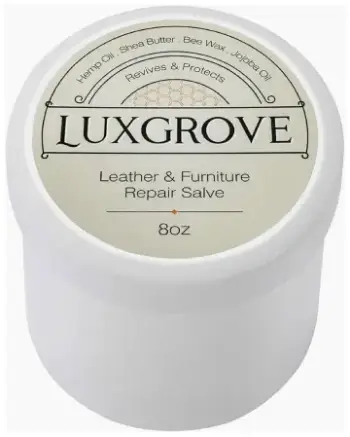
I remember the day I decided to tackle my old leather armchair.
It had been sitting in the living room for years, collecting scratches from the kids and fading from the sun sneaking through the windows.
I was tired of throwing blankets over it to hide the mess, so I started looking for something simple to fix it. That’s when I came across Luxgrove Leather Repair Salve online.
The promises sounded almost too good—natural ingredients that repair, condition, and protect all in one jar.
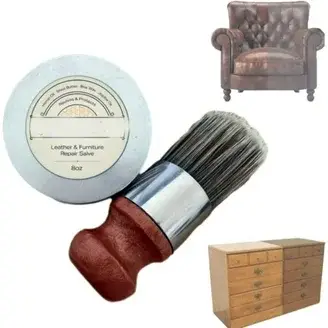
Skeptical but hopeful, I ordered it, and it arrived in a neat little package with an applicator brush included.
Opening the jar, the first thing that hit me was the pleasant, earthy scent. Not chemical at all, which was a relief because I’ve used products before that left my room smelling like a factory.
The salve itself is a thick, creamy balm, made from beeswax, hemp oil, jojoba oil, shea butter, and vitamin E.
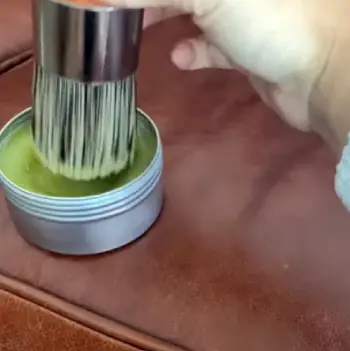
I dipped the brush in and started applying it to a small test area on the armrest. It spread smoothly, absorbing right into the leather without leaving any greasy residue.
I watched as the color started to even out almost immediately. Those light scratches? They began to fade as the salve filled them in.
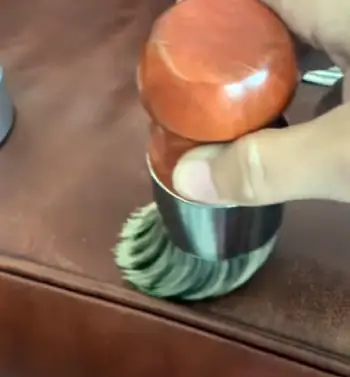
I didn’t stop there. I went all in on the entire chair. It took maybe 20 minutes to cover everything, working in circular motions as suggested.
No need for sanding or prepping the surface, which was a huge plus since I’m not the most patient person when it comes to DIY projects.
After letting it sit for about 24 hours, I buffed it with a soft cloth. The transformation was real—the leather looked revitalized, with a natural shine that didn’t feel artificial.
The cracks were less noticeable, and the whole piece felt softer to the touch. Even the water stains from a spilled drink months ago had diminished.
But let’s be honest, it wasn’t perfect on the deepest gouges. Those needed a second application, and even then, they weren’t completely gone, but way better than before.
I also tried it on my leather boots, which had scuffs from walking around town. Same process, same great results.
The boots not only looked polished but felt more supple, like they could handle more wear. Overall, using Luxgrove felt empowering. You know that satisfaction when you fix something yourself instead of calling a pro? That’s what I got here.
It saved me money on reupholstering, and now I use it regularly to keep things looking sharp. If you’re dealing with similar issues, give it a shot—you might surprise yourself with how easy it is to bring back that leather glow.
Pros Of Luxgrove Leather Repair Salve
When I think about what makes Luxgrove stand out, it’s the way it combines repair and conditioning in one step.
You don’t need a bunch of tools or extra products, which keeps things straightforward for anyone like me who just wants quick results.
- Natural Ingredients That Actually Nourish
One thing I love is how Luxgrove uses all-natural stuff like beeswax and plant oils. These aren’t just fillers; they penetrate the leather to restore moisture from the inside out.
In my experience, after applying it, my couch didn’t just look better—it felt healthier, less prone to cracking.
You can feel the difference when you sit on it; it’s not stiff anymore. Plus, knowing it’s free from harsh chemicals means I don’t worry about it harming my family’s skin or the air we breathe.
This approach makes maintenance feel like pampering rather than a chore.
- Versatility Across Materials
Luxgrove isn’t picky about what it works on. I’ve used it on leather, vinyl, and even wood surfaces with great success. Take my coffee table—it had water rings and scratches from coasters sliding around.
A thin layer of the salve, and those marks vanished, leaving a smooth finish. For car interiors, it’s a game-changer too.
My seats had faded from sun exposure, but Luxgrove brought back the original color without streaking. You can apply it to bags, jackets, or boots, making it a go-to for all your leather needs.
This broad use saves you from buying separate products for each item.
- Ease of Application and Quick Results
Applying Luxgrove is as simple as spreading butter on toast. The included brush helps get an even coat, and it absorbs fast, so you’re not waiting around forever.
In my tests, visible improvements showed up within hours, with full effects after a day. No professional skills required—just rub it in and buff. This user-friendly design means even if you’re new to leather care, you’ll get pro-level outcomes. I appreciate how it cuts down on time; busy folks like us need solutions that fit into real life without adding stress.
- Long-Lasting Protection
What impresses me most is the staying power. After using Luxgrove, my furniture resisted new scratches and stains better.
The natural oils create a barrier that locks in moisture, preventing drying out over time.
I’ve noticed my armchair holding up through winter dryness and summer humidity without extra touch-ups.
This durability means fewer applications, stretching your supply further. From an analytical standpoint, it’s efficient—invest once, and enjoy sustained benefits that keep your items looking fresh longer.
- Affordable and Value-Packed
Compared to hiring someone for repairs, Luxgrove is a steal. One jar covers multiple pieces, and at around $40, it’s budget-friendly.
The results rival more expensive options, giving you that satisfaction of smart spending. I calculated it cost me pennies per use, especially since it prevents bigger issues down the line.
You get quality without breaking the bank, which is key for practical leather care.
Cons Of Luxgrove Leather Repair
No product is flawless, and Luxgrove has a few drawbacks worth mentioning. While it excels in many areas, certain limitations might affect your decision.
- Potential for Knockoffs and Availability Issues
One issue I’ve encountered is the flood of fake versions on sites like Amazon.
You think you’re getting the real deal, but end up with a subpar knockoff that doesn’t perform.
This creates uncertainty when shopping—always check for the official seller to avoid disappointment.
Availability can be spotty too; sometimes it’s out of stock, forcing you to wait or look elsewhere.
From what I’ve seen, sticking to the brand’s site helps, but it adds an extra step.
- Limitations on Severe Damage
Luxgrove shines on minor scratches and fading, but for deep tears or heavy wear, it falls short. In my trials, those bigger problems needed multiple layers or even additional fixes.
It’s more of a restorer than a full repair kit, so if your leather is heavily damaged, you might need something stronger.
This means managing expectations—it’s great for upkeep, less so for major overhauls.
- Scent and Residue Concerns
The natural smell is nice at first, but it lingers longer than I’d like in small spaces.
If you’re sensitive to odors, this could be a minor annoyance. Also, if you apply too much, it might leave a slight tackiness until fully absorbed.
I learned to use thin layers, but it’s something to watch for.
Maintenance Tips For Leather In Top Shape
Once you’ve used Luxgrove, keeping up with maintenance ensures those results last. I’ll share what works for me, breaking it down so you can follow along easily.
- Regular Dusting and Cleaning
Start with the basics: dust your leather weekly with a soft cloth. This prevents buildup that can lead to scratches.
For cleaning, mix mild soap with water, wipe gently, and dry immediately. Avoid harsh cleaners—they strip natural oils.
I do this every couple of weeks, and it keeps surfaces ready for conditioning. You should too; it only takes minutes and pays off big.
- Conditioning Routine
Apply a conditioner like Luxgrove every three to six months, depending on use.
Work in small sections, letting it soak in. This maintains flexibility and prevents cracking.
In dry climates, do it more often. I’ve found that consistent conditioning makes leather more resilient to daily wear.
Think of it as skincare for your furniture—you nourish it regularly for that healthy glow.
- Protecting from Elements
Keep leather away from direct sun to avoid fading—use curtains or reposition items.
For spills, blot immediately, don’t rub.
In humid areas, use dehumidifiers to prevent mold.
I cover my outdoor leather during rain, and it stays pristine. You can add protective sprays for extra shield, but test first. These steps extend life significantly.
- Handling Scratches and Stains
For new scratches, apply salve right away to minimize them. On stains, use a leather-specific remover, then condition.
Avoid heat sources like radiators—they dry out material. I’ve rescued a few mishaps this way, and it’s straightforward. Rotate cushions for even wear too.
With these habits, your leather stays looking new.
- Storage and Long-Term Care
When storing, clean and condition first, then cover with breathable fabric. Avoid plastic—it traps moisture.
For seasonal items like jackets, hang them properly. I inspect everything yearly for issues, addressing them early.
This proactive approach saves time and money. Follow these, and you’ll enjoy your leather for years.
Comparing Luxgrove To Other Leather Repair Brands
To give you a clear picture, let’s look at how Luxgrove stacks up against competitors. I’ll break it down by brand, focusing on key differences from my perspective.
- Luxgrove Versus Furniture Clinic Leather Repair Products
Furniture Clinic offers kits with fillers and colors for targeted repairs.
Unlike Luxgrove’s all-in-one salve, their system requires mixing and matching shades, which can be tricky if you’re not artistic.
I find Luxgrove simpler for everyday use, as it doesn’t demand color expertise. However, Furniture Clinic excels in deep hole fixes, where Luxgrove might need backups.
Cost-wise, Clinic’s kits are pricier for the extras, but if precision is your goal, they provide more customization. Luxgrove wins for quick, natural restoration without the fuss.
- Luxgrove Versus Leather Honey Conditioner
Leather Honey is a liquid conditioner that’s been around forever, focusing on deep hydration. It soaks in well, similar to Luxgrove, but lacks the repair aspect for scratches.
You apply it liberally, wait longer for absorption, which can feel messier than Luxgrove’s balm. From testing both, Honey leaves a subtler finish, great for vintage pieces, but Luxgrove’s waxes add better protection against future damage.
Price is comparable, though Honey comes in larger bottles for bulk use. If you prioritize conditioning over repair, Honey might suit you, but Luxgrove’s versatility edges it out for mixed needs.
- Luxgrove Versus Chamberlain’s Leather Milk
Chamberlain’s uses water-based formulas, making them eco-friendly like Luxgrove.
Their balms clean and condition, but I’ve noticed they require more frequent applications because the effects wear off quicker. Luxgrove’s oil blend seems to last longer, reducing reapplication.
Chamberlain’s scents are milder, which is a plus if odors bother you, but their repair capabilities are limited to surface level, not as robust as Luxgrove on fading.
They’re often cheaper, appealing for budget shoppers, yet Luxgrove feels premium with its multi-material use. For all-around care, I’d lean toward Luxgrove.
- Luxgrove Versus Bick Leather Conditioner
Bick is a spray-on option that’s fast to apply, unlike Luxgrove’s hands-on method. It cleans as it conditions, which is convenient, but doesn’t fill scratches effectively.
In my comparisons, Bick leaves a glossy look that can feel artificial, while Luxgrove keeps it natural. Bick is great for quick touch-ups on shoes or bags, but for furniture, Luxgrove’s thicker consistency provides better coverage.
Pricing is lower for Bick, making it accessible, though Luxgrove justifies its cost with longer-lasting results. If speed is key, Bick has the advantage; otherwise, Luxgrove offers deeper nourishment.
- Luxgrove Versus Lexol Leather Care
Lexol comes in wipes and sprays for easy maintenance, differing from Luxgrove’s salve. Their products clean deeply but can darken leather slightly, which might not match your original shade.
Luxgrove avoids this, preserving color better. Lexol is pH-balanced, good for sensitive leathers, but requires separate conditioners and cleaners, adding steps. From an efficiency angle, Luxgrove streamlines the process.
Lexol is widely available in stores, unlike some Luxgrove sourcing issues, but its formulas feel more synthetic. For comprehensive repair, Luxgrove pulls ahead, though Lexol suits routine cleaning well.
Frequently Asked Questions (FAQ)
Yes, it restores scratches, cracks, and fading effectively on various leathers.
Yes, quality ones like Luxgrove fill minor damage and condition well.
Luxgrove stands out for its natural repair and protection blend.
Yes, balms like Luxgrove nourish and protect, extending leather life.
Wrapping Up
After all this, I’m convinced Luxgrove is worth every penny for anyone with leather goods.
It revives and protects effortlessly, saving you from costly replacements. Grab a jar now—you’ll wonder how you managed without it.
Your furniture and accessories will look amazing, and you’ll feel great about the easy upkeep.
Recent Posts
I spent months comparing budget options against established names after my last set of tires wore out sooner than expected.My goal here is to share what I learned from putting Dextero and...
AquaTru Carafe Vs. Classic: Which Is Actually Fits Your Kitchen?
I decided to write this comparison after months of testing both the AquaTru Carafe and the Classic in my own kitchen. Tracking covered daily use.Taste stayed consistent. Refill frequency...