
If you’re thinking about upgrading your daily cocoa routine, I’ll say this upfront: Maia cocoa powder is worth trying if you care about flavor, purity, and versatility.
I’ve personally used it across drinks and recipes, and it stands out in ways that surprised me. From its rich aroma to how easily it blends, it offers a premium feel without making things complicated.
If you enjoy chocolate in a cleaner, more natural form, this might be exactly what you’re looking for.
My Personal Experience With Maia Cocoa Powder
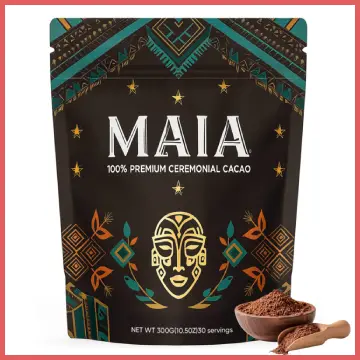
The first time I opened the pack, the aroma hit me immediately. It wasn’t that overly processed chocolate smell you get from cheap cocoa powders.
Instead, it felt deeper, almost earthy, with a natural bitterness that told me this was closer to real cacao than the sugary stuff most people are used to.
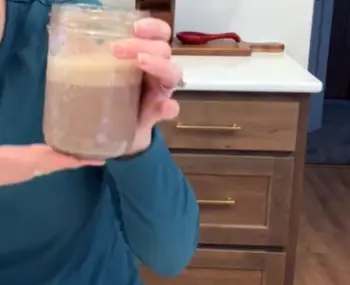
I started simple. Just a warm cocoa drink with hot milk and a touch of honey. What stood out right away was how smoothly it blended.
No clumps, no stubborn floating powder—just a clean, silky mix. When I took the first sip, I noticed the difference instantly.
It wasn’t overly sweet or artificial. It had that slightly bitter, dark chocolate richness that makes you feel like you’re drinking something authentic.
Over the next few days, I pushed it further. I used it in baking—brownies, pancakes, even sprinkled a bit over oatmeal. In every case, it delivered consistent results.
The flavor stayed bold without overpowering the other ingredients. That balance is rare. Usually, cocoa powders either disappear into the background or dominate everything. This one sits right in the middle.
One thing I didn’t expect was how satisfying it felt. After a cup of cocoa made with Maia, I didn’t feel the need for extra sugar or snacks.
It has that naturally grounding quality. If you’re someone trying to cut down on sugary chocolate products, this can really help.
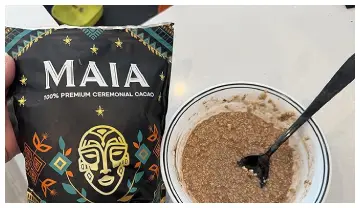
Texture-wise, it’s very fine. You’ll notice it especially when baking—it integrates smoothly into batter without leaving grainy bits. That alone makes a big difference if you care about consistency in your recipes.
After a couple of weeks, it became part of my routine. Morning smoothie, evening drink, occasional dessert base—it just fits easily into daily life.
And honestly, once you get used to this level of quality, going back to regular cocoa feels like a downgrade.
Flavor, Quality, And Overall Impression
What defines Maia cocoa powder for me is its balance. You get a strong cocoa presence, but it’s not harsh. It’s rich without being overwhelming.
There’s a slight natural bitterness, but it feels intentional, not unpleasant.
The quality shows in how little you need. A small amount goes a long way, which makes it feel more economical over time.
You’re not scooping spoonful after spoonful just to get a noticeable flavor.
Another important factor is purity. It feels clean. No strange aftertaste, no chemical-like notes, nothing artificial lingering on your tongue. That alone makes it stand out in a crowded market.
Pros Of Maia Cocoa Powder
- High Flavanol Content and Functional Benefits
One of the biggest advantages I noticed—and something that sets Maia apart—is its unusually high flavanol content.
Compared to regular cocoa powders, it can contain significantly more beneficial compounds due to minimal processing and the use of rare cacao beans.
From a user perspective, this translates into more than just taste. You may feel subtle boosts in energy and focus after drinking it, which I personally experienced during my morning routine.
These flavanols are often associated with supporting circulation and overall cardiovascular wellness, making this product feel more like a functional food than just a baking ingredient.
- Clean, Pure, and Minimally Processed
What I genuinely appreciate is how “clean” it feels. Maia emphasizes minimal processing, which helps preserve natural antioxidants and phytochemicals.
When you use it, you notice the difference—there’s no artificial aftertaste, no strange chemical notes. It feels closer to raw cacao than typical supermarket cocoa powders.
If you’re someone who cares about ingredient quality, this is a big win.
- Rich, Deep, and Authentic Flavor Profile
From a taste standpoint, Maia delivers a bold and slightly bitter chocolate flavor that feels authentic. It’s not designed to be overly sweet or “instant cocoa-like.”
For you, this means better control.
You can adjust sweetness exactly how you want, rather than fighting against a pre-sweetened mix. It works beautifully in both drinks and baking, adding depth instead of just sweetness.
- Versatility Across Uses
Another major pro is how flexible it is. I’ve used it in hot cocoa, smoothies, oatmeal, and baking—and it performs consistently across all of them.
Because of its fine texture and high quality, it blends smoothly and doesn’t leave gritty residue.
That versatility means you’re not buying a single-purpose product—it becomes part of your daily routine.
- Potential Energy and Mood Support
Thanks to compounds like theobromine and natural plant stimulants, many users report a gentle, sustained energy boost without the crash associated with caffeine.
In my experience, it feels like a calmer kind of energy. You don’t get jittery—you just feel more alert and steady.
If you’re trying to replace sugary drinks or reduce coffee intake, this can be a solid alternative.
- Premium Ingredient Sourcing
Maia uses rare criollo cacao beans, which are considered one of the highest-quality cacao varieties.
This matters because it directly impacts both flavor and nutritional value.
You’re not just getting cocoa—you’re getting a more refined, higher-grade version of it.
Cons Of Maia Cocoa Powder
- Higher Price Compared to Regular Cocoa
Let’s be real—this isn’t the cheapest cocoa powder out there. Maia positions itself as a premium product, and the price reflects that.
If you’re used to budget cocoa powders, this might feel expensive at first.
While I do think the quality justifies the cost, it’s not ideal if you’re looking for a low-cost everyday option.
- Strong, Slightly Bitter Taste May Not Suit Everyone
The same thing that makes Maia great—its strong, authentic flavor—can also be a downside for some people.
If you prefer sweet, mild cocoa (like instant chocolate drinks), this might feel too intense or even bitter. You’ll need to adjust your expectations and probably add your own sweetener.
- Not as Convenient as Pre-Mixed Cocoa Drinks
This isn’t a “just add water and go” product. You’ll need to mix it properly and possibly tweak sweetness or flavor each time.
For someone who wants convenience over quality, that extra step might feel like a hassle.
- Availability Can Be Limited
Because it’s often marketed as a small-batch or premium product, it may not always be easy to find locally. Sometimes it’s only available online or in limited quantities.
That can be frustrating if you want something you can just pick up anytime.
- Health Claims Can Feel Overstated
While Maia highlights its flavanol content and potential cardiovascular benefits, some of the claims can sound quite bold.
Yes, cocoa flavanols are studied for health benefits, but you should still approach these claims with a balanced mindset. It’s a good addition to a healthy lifestyle—not a miracle solution.
- Possible Additions Like Nattokinase
Some versions or formulations mention added ingredients like nattokinase, which is not typical for standard cocoa powders.
This could be a downside if you’re expecting pure cocoa only or if you’re cautious about added functional ingredients. Always check the label of the specific version you’re buying.
- Not Ideal for Everyone
Because it contains natural stimulants like theobromine, it may not suit people who are sensitive to such compounds.
If you’re highly sensitive to caffeine-like effects or have dietary restrictions, you’ll want to use it carefully.
Tips For Maia Cocoa Powder
- Store It in a Cool, Dry Place
This is the golden rule. Cocoa powder is highly sensitive to moisture and heat. If you leave it in a warm or humid environment—like near your stove or a window—it can slowly lose its aroma and even start clumping.
What I personally do is keep it inside a kitchen cabinet away from direct sunlight and heat sources.
If your kitchen tends to get humid, this step becomes even more important. You don’t need anything fancy—just a stable, dry spot.
- Always Seal the Packaging Tightly
Every time you open the pack, air and moisture try to sneak in. Over time, that exposure dulls the flavor and affects the texture.
I make it a habit to seal the bag or container immediately after scooping out what I need. If the original packaging isn’t very secure, transferring it to an airtight container is a smart move.
It keeps the cocoa powder fresh and prevents it from absorbing odors from other foods around it.
- Use a Dry Spoon—No Exceptions
This might sound small, but it matters more than you think. If you use a wet or even slightly damp spoon, you introduce moisture directly into the powder. That’s how clumps start forming.
I’ve made this mistake before, and trust me, once clumping starts, it’s hard to reverse completely. So always double-check your spoon—it should be completely dry before it goes into the container.
- Avoid Refrigeration
It might seem like storing cocoa powder in the fridge would keep it fresh longer, but it usually does the opposite. Refrigerators create condensation, and that moisture can ruin the texture.
Unless your environment is extremely hot and you have no other option, it’s better to keep it at room temperature in a dry place. If you ever do refrigerate it, make sure it’s in a fully airtight container to minimize moisture exposure.
- Break Up Clumps Early
If you notice small clumps forming, don’t ignore them. That’s your early warning sign that moisture has started to affect the powder.
What I do is gently press the clumps with a dry spoon or sift the powder before using it. This helps restore the smooth texture and prevents bigger lumps from forming later. Catching it early saves you from dealing with a completely hardened batch.
- Keep It Away From Strong Odors
Cocoa powder can absorb surrounding smells more easily than you’d expect. If you store it near spices, onions, or other strong-smelling ingredients, it might pick up those odors.
I always keep mine separate from heavily aromatic items. It helps maintain that clean, rich chocolate smell you want every time you open the container.
- Use It Regularly for Best Freshness
Even though cocoa powder has a decent shelf life, it’s always best when fresh. The longer it sits unused, the more it loses its depth of flavor.
That’s why I like incorporating it into my routine—morning drinks, occasional baking, or even a quick chocolate fix. When you use it regularly, you naturally keep rotating through fresh product instead of letting it sit forgotten.
- Measure Carefully to Avoid Waste
Because Maia cocoa powder has a strong flavor, you don’t need large amounts. Overusing it can not only overpower your recipe but also lead to unnecessary waste.
Start with smaller quantities and adjust as needed. This way, you get the best flavor balance and make your supply last longer.
- Clean Tools Immediately After Use
Cocoa powder tends to stick, especially when mixed with liquids. If you leave your spoon or mug unwashed, it can harden and become difficult to clean later.
I’ve learned to rinse everything right away—it takes seconds and keeps your kitchen routine smooth. Plus, it prevents any leftover residue from affecting your next use.
- Clean Your Tools Immediately After Use
Cocoa powder can stick to surfaces, especially if it gets wet. Rinse your spoons, bowls, or mugs right after use to avoid stubborn residue later. It’s a simple habit that saves time.
- Rotate Usage for Freshness
If you buy a larger pack, make sure you’re using it regularly. While it has a good shelf life, the flavor is best when it’s fresh. Incorporating it into your daily routine helps you get the most value.
Comparison Of Maia Cocoa Powder With Other Brands
- Maia vs Generic Store Cocoa Powder
When I compare Maia to regular store-bought cocoa powders, the difference is obvious. Generic options often feel flat or overly processed.
They either lack depth or rely on added sweetness to compensate. Maia, on the other hand, delivers a more natural and layered flavor.
It feels closer to real cacao, and you can taste that in every sip or bite.
- Maia vs Premium Artisanal Cocoa Brands
Against higher-end artisanal brands, Maia holds its ground surprisingly well.
Some premium options might offer slightly more complexity, but they often come at a much higher price. Maia strikes a balance between quality and accessibility.
You get a near-premium experience without stretching your budget too far.
- Maia vs Sweetened Cocoa Mixes
This is where Maia clearly stands apart. Sweetened mixes are convenient but usually packed with sugar and additives.
They’re designed for instant gratification rather than quality. Maia gives you control.
You decide how sweet or rich you want your drink or recipe to be, which makes it a better long-term choice.
Who Should Buy Maia Cocoa Powder?
If you enjoy making your own chocolate drinks, baking regularly, or simply want a cleaner cocoa option, this fits perfectly.
It’s also great if you’re trying to reduce sugar without sacrificing flavor. On the other hand, if you prefer very sweet, ready-made cocoa mixes, this might feel a bit intense at first.
Also Read: Is Flavcity Protein Powder Worth It?
Frequently Asked Questions (FAQ)
People sensitive to caffeine or those advised to avoid cocoa-based products should limit or avoid it.
The healthiest option is typically unsweetened, minimally processed cocoa powder with no additives.
Maia cacao is generally sourced from regions known for quality cacao, though exact origins may vary.
No, cocoa powder does not contain nattokinase.
Final Thoughts
If you want a cocoa powder that feels authentic, versatile, and easy to use, Maia is a solid choice. It delivers on flavor without forcing sweetness, and it adapts to your routine effortlessly.
After using it consistently, I can say it’s one of those products that quietly improves your everyday experience. If quality matters to you, it’s definitely worth adding to your kitchen.
One thought on “Maia Cocoa Powder Reviews: Here’s What You Need To Know?”
Leave a Reply
Recent Posts
● Interactive 5-Zone Interior & Exterior Paint Blueprint Paint Coverage Calculator: Gallons, Primer, Square Footage & Cost Tap any architectural surface zone on the blueprint...
If you want smooth, shiny hair without spending a fortune on a premium styling tool, the Ella Bella hair dryer may be worth considering.In these Ella Bella hair dryer reviews, I’ll look...
They need to supply COAs of flavonol content to justify price and compete with proven brands like Cocoavie.