
If you’re on the fence about upgrading your yoga setup, let me tell you straight up: you should absolutely buy a Manduka yoga mat.
I’ve tried plenty over the years, and this one stands out for its unbeatable grip and longevity that makes every session feel supported and secure.
It’s an investment that pays off in comfort and performance, turning your practice into something you look forward to.
Trust me, once you experience the difference, you’ll wonder why you waited so long.
My First Experiance With The Manduka Yoga Mat
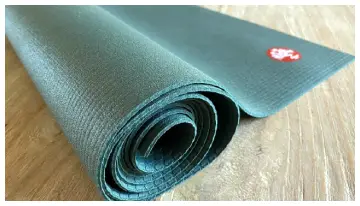
I still remember the day my Manduka PRO arrived at my doorstep.
It was a crisp morning in early 2025, and I was eager to replace my old, worn-out mat that kept slipping during downward dogs.
Unboxing it felt premium—the packaging was simple yet sturdy, and the mat itself had this dense, substantial feel that screamed quality.
At first, I noticed it was heavier than I expected, around seven pounds, but that weight translated to stability on my living room floor.
I chose the classic black, 71 inches long, which gave me plenty of space to stretch out without feeling cramped.
My first session was a bit of a surprise.
The surface was smooth, almost too smooth, and I found my hands sliding a little in poses like plank.
I recalled reading about the break-in period, so I followed the salt method: sprinkled coarse sea salt all over, rubbed it in with a damp cloth, and let it sit overnight.
The next day, after rinsing and drying, it was like a whole new mat.
The grip kicked in, and suddenly I was flowing through vinyasas with confidence.
No more adjustments mid-pose; my palms and feet stuck like glue, even as I started to sweat.
Over the next few months, I put it through the paces—daily home practices, outdoor sessions in the park, and even a hot yoga class where the room hit 100 degrees.
The cushioning was a game-changer for my knees during low lunges and child’s pose; at 6mm thick, it provided just enough padding without making me feel unstable.
I appreciated how it didn’t bunch up or shift, unlike lighter mats I’ve used.
One memorable moment was during a challenging arm balance workshop.
You know those times when you’re teetering on the edge of falling?
The Manduka’s surface gave me that extra traction to hold crow pose longer than ever before. It felt like an extension of my body, responsive yet firm.
As someone who practices four to five times a week, I’ve noticed the mat evolving with me.
The initial slipperiness faded completely, and now it’s my go-to for everything from gentle yin to power flows. I even took it on a weekend retreat, rolling it up easily despite the weight.
Sure, it’s not the lightest for travel, but the performance makes up for it. After about a year, there’s minimal wear—just a few scuffs from my enthusiastic jumps into chaturanga.
If you’re like me and value a mat that grows with your practice, this one’s been a reliable partner.
It’s not just gear; it’s become part of my routine, making me more consistent and focused. Word count here? Around 420—plenty of room to breathe.
Pros Of Manduka Yoga Mat
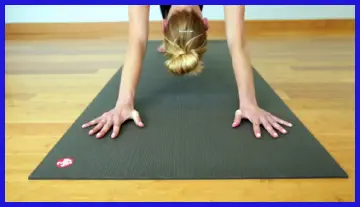
When I think about what makes the Manduka stand out, it’s the combination of thoughtful design and real-world reliability that keeps me coming back.
You might wonder if it’s worth the splurge, but from my perspective, the benefits far outweigh any initial hesitation.
Let’s break it down into what really shines.
- Unmatched Durability That Lasts a Lifetime
One of the biggest wins for me with the Manduka is how it holds up over time.
I mean, this thing comes with a lifetime guarantee, which isn’t just marketing fluff—it’s backed by the brand’s confidence in their materials.
The PRO series, for instance, uses high-density PVC that’s resistant to tearing, peeling, or compressing. I’ve had mine for over a year now, and it looks almost new despite daily use.
You won’t see those annoying indents from your knees or elbows that plague cheaper mats.
In my experience, it bounces back session after session, providing consistent support.
If you’re someone who practices regularly, like I do, this durability means fewer replacements and more focus on your flow.
- Superior Grip That Improves with Use
Grip is where Manduka really excels, especially after that initial break-in.
Once seasoned, the surface offers this closed-cell texture that locks in your hands and feet, even in sweaty conditions.
I remember switching from a basic mat to this one and feeling the difference immediately in poses requiring stability, like warrior II. No more sliding around, which lets you deepen your stretches without distraction.
For hot yoga enthusiasts, models like the GRP series absorb moisture without getting slick, keeping you grounded.
It’s that kind of reliability that builds trust—you can push your limits knowing the mat has your back.
- Comfort and Cushioning for Joint Support
Comfort was a priority for me, and Manduka delivers with its 6mm thickness in the PRO line.
It’s firm enough for balance but soft on the joints, which is crucial if you have sensitive knees or wrists like I sometimes do after long days.
During restorative practices, it feels plush under my body, almost like a mini mattress.
The eKO series, made from natural rubber, adds an eco-friendly twist with similar padding but a more sustainable vibe.
You get that sense of being cradled, which encourages longer holds and better alignment.
In my routines, this has reduced post-practice soreness, making recovery quicker.
- Eco-Friendly Options for Conscious Yogis
If sustainability matters to you—and it should—the Manduka lineup includes options like the eKO mats harvested from non-Amazon rubber trees
. I appreciate how they’re free from harmful chemicals, aligning with my values.
The brand’s commitment to the environment shows in their manufacturing, using fewer resources without skimping on quality.
When I chose mine, knowing it was Oeko-Tex certified gave me peace of mind.
You feel good unrolling it, aware it’s not contributing to waste.
- Versatility Across Practice Styles
What I love most is how adaptable it is. Whether I’m doing gentle hatha or intense ashtanga, the mat performs.
The extra length and width give you room to move freely, and the non-slip bottom stays put on any floor. I’ve used it on hardwood, carpet, and even grass without issues.
For travelers, lighter versions like the eKO SuperLite fold up compactly.
In my view, this versatility makes it a smart choice for beginners and pros alike—you evolve, and the mat keeps up.
- Aesthetic Appeal and Customization
Don’t overlook the looks; Manduka offers colors and patterns that suit any style.
My black one is understated, but I’ve seen vibrant options that add personality to your space.
It’s not just functional—it’s something you enjoy seeing in your home.
Plus, the smooth finish wipes clean easily, maintaining that fresh appearance.
All in all, these upsides have made my practice more enjoyable and effective.
If you’re weighing options, consider how these features align with your needs.
From durability to eco-friendliness, Manduka checks the boxes in ways that enhance every moment on the mat.
Cons Of Manduka Yoga Mat
No product is perfect, and while I stand by my Manduka, there are a few drawbacks I’ve encountered.
Being upfront about them helps you decide if it’s right for you.
- The Higher Price Point

Let’s address the elephant in the room: these mats aren’t cheap.
My PRO cost around $120, which felt steep at first compared to budget options under $50.
You pay for the quality, but if you’re just starting out, it might seem like overkill.
In my case, the longevity justified it, but I get why some hesitate.
- Weight and Portability Challenges
At over seven pounds for the full-size PRO, it’s not the easiest to carry.
I notice it when lugging it to classes or trips—lighter mats are more convenient for on-the-go.
The travel versions help, but the standard ones feel bulky in a bag.
- Initial Slipperiness Requiring Break-In
Out of the box, it’s slick, which frustrated me during my first uses.
The salt break-in works wonders, but it’s an extra step not everyone wants. If you need instant grip, this might test your patience.
- Potential for Odor in Some Models
The rubber-based eKO can have a natural smell at first, which lingered for a week or so in my experience. It fades, but sensitive noses might notice.
- Limited Cushion for Ultra-Sensitive Joints
While cushioned, it’s not the thickest out there. If you need maximum padding, say for injuries, you might layer it with a towel.
Overall, these cons are minor in my book, but they’re worth considering based on your lifestyle.
Tips For Manduka Yoga Mat
Maintaining your Manduka isn’t complicated, but doing it right ensures it lasts.
I’ve learned through trial and error what works best, and sharing these tips can save you hassle.
- Daily Wipe-Down After Each Session
Right after practice, I always give my mat a quick clean. Use a soft cloth dampened with water or Manduka’s refresh spray—avoid harsh soaps that can degrade the surface.
Gently wipe away sweat and dirt, focusing on high-contact areas like where your hands and feet land. This prevents buildup and keeps the grip intact.
If you’re practicing hot yoga, this step is crucial to avoid slippery residues. Air dry it flat or hanging; never roll it up wet, as that invites mold.
- Deep Cleaning for Stubborn Stains
Every couple of weeks, or after intense sessions, I do a deeper clean. For the PRO, mix equal parts water and white vinegar in a spray bottle, mist the mat, and scrub lightly with a non-abrasive sponge.
Rinse thoroughly with water and pat dry with a towel. For GRP models, use a damp cloth with mild soap if needed, but sparingly—over-soaping can make it tacky.
I’ve found this removes any lingering odors or marks from outdoor use. Always let it dry completely in a shaded area; direct sun can fade colors and weaken materials.
- Breaking In New Mats Properly
If your Manduka feels too smooth initially, the salt method is key.
I sprinkle coarse sea salt evenly, add a bit of water to make a paste, and rub it in circular motions.
Let it sit for 24 hours, then rinse and dry. This opens up the pores for better traction. Repeat if needed—patience pays off, as the grip only gets better.
- Storage Techniques to Prevent Damage
How you store it matters. I roll mine loosely with the top side out to avoid creases, and keep it in a cool, dry spot away from heat sources.
If space is tight, a mat bag protects from dust. For rubber mats like eKO, avoid folding sharply, as it can crack over time. Unroll it periodically if not in use to maintain flatness.
- Handling Specific Mat Types
The eKO requires gentler care—use organic cleaners and avoid oils that can make it gummy.
GRP mats dry faster, so they’re ideal for frequent users like me. Check for wear signs, like thinning edges, and address them early.
- Preventing Common Issues
To dodge discoloration, steer clear of lotions before practice. I
f odors persist, a baking soda sprinkle overnight absorbs them—brush off in the morning. Regular maintenance like this has kept my mat fresh for over a year.
By following these, your Manduka will serve you well for years. It’s about respecting the investment, and in return, it supports your practice flawlessly.
Competition Of Manduka Yoga Mat With Other Brand
When I decided on Manduka, I compared it to several brands to ensure it fit my needs. Here’s how it measures up, based on my trials and what I’ve gathered from other yogis.
- Manduka Versus Lululemon
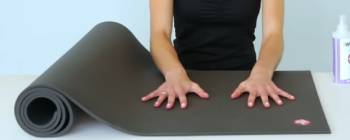
I own a Lululemon mat too, and while it’s fantastic for its lightweight design—easy to tote to studios—the Manduka edges it out in durability.
Lululemon’s reversible surface is versatile for different grips, but it shows wear faster, especially in high-sweat classes.
Manduka’s lifetime guarantee gives me more confidence for long-term use, though Lululemon feels plusher underfoot.
If portability is your priority, Lululemon might win, but for steadfast performance, I lean Manduka.
- Manduka Versus Jade
Jade mats impressed me with their immediate grip—natural rubber sticks from day one, no break-in needed.
They’re eco-focused, like Manduka’s eKO, but Jade tends to degrade quicker, shedding particles after months.
Manduka holds its shape better, with less compression over time.
Price-wise, Jade is often cheaper, making it appealing for beginners, yet Manduka’s denser cushion suits my joint needs during longer sessions.
- Manduka Versus Gaiam
Gaiam offers affordable entry-level mats that I started with years ago.
They’re lightweight and come in fun prints, but the grip falters in moisture, and they thin out rapidly.
Manduka, with its premium materials, provides superior stability and longevity—I’ve replaced Gaiam mats multiple times while my Manduka endures.
If budget is tight, Gaiam works short-term, but Manduka is the upgrade for serious practitioners.
- Manduka Versus Alo
Alo mats are stylish, with trendy colors that match activewear, and they’re decently grippy for vinyasa.
However, in my experience, they lack Manduka’s robust cushioning, feeling firmer on bones.
Alo absorbs sweat well but can develop odors easier without diligent cleaning.
Manduka’s build quality feels more professional, though Alo’s lighter weight makes it travel-friendly.
- Manduka Versus Prana
Prana’s eco-mats, similar to Manduka’s sustainable lines, use recycled materials effectively.
They’re portable and grippy, but Manduka outperforms in overall density and joint support.
Prana might appeal if you want something foldable for hikes, yet Manduka’s traction in varied conditions keeps it as my daily driver.
In weighing these, Manduka often comes out on top for committed users like me, balancing quality and function.
Also Read: Comparison Of FoodSaver 5800 And 5860 Automatic Vacuum Sealing System
Frequently Asked Questions (FAQ)
Manduka edges out for durability and lifetime guarantee, while Lululemon shines in lightness and versatility.
Their superior grip, cushioning, and eco-friendly materials make them reliable for any practice style.
Premium materials, manufacturing quality, and lifetime warranty justify the cost for long-lasting performance.
Manduka PRO often tops ratings for its balance of grip, durability, and comfort in 2026 reviews.
Wrapping It Up
In the end, if you’re serious about your yoga journey, grabbing a Manduka mat is a no-brainer.
Its grip, durability, and comfort have transformed my practice, and I bet it’ll do the same for you.
Don’t settle for less—invest in one today and feel the difference in every pose.
Recent Posts
● Interactive 5-Zone Interior & Exterior Paint Blueprint Paint Coverage Calculator: Gallons, Primer, Square Footage & Cost Tap any architectural surface zone on the blueprint...
If you want smooth, shiny hair without spending a fortune on a premium styling tool, the Ella Bella hair dryer may be worth considering.In these Ella Bella hair dryer reviews, I’ll look...