
If you’re a light sleeper who’s tried everything from earplugs to blackout curtains and still can’t get a genuinely restful night, the Manta Sound Sleep Mask might be the product that finally changes things for you. I’ve been using it through months of real-world sleep testing and I’m ready to give you the completely honest breakdown you actually need. You can find the Manta Sound Sleep Mask on the official Manta Sleep website and on Amazon — and based on my experience, it genuinely deserves serious consideration from anyone who’s serious about sleep quality.
My Experience With Manta Sound Sleep Mask
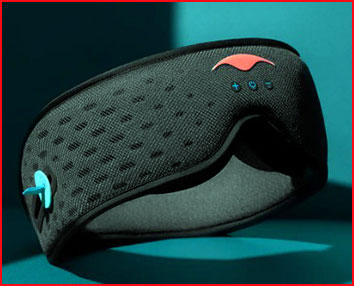
Let me paint you the exact picture of what brought me to the Manta Sound Sleep Mask in the first place.
I am, by every definition, a terrible sleeper. Light wakes me up. Sound wakes me up. My partner’s reading lamp bleeding through my eyelids at 10 p.m. wakes me up. I’ve tried standard sleep masks, foam earplugs, white noise machines, and every combination of the above across years of increasingly frustrated experimentation with zero lasting success.
The problem with most sleep masks I’d tried was pressure. Every mask I’d worn before the Manta pressed directly onto my eyelids, which created two problems simultaneously — it was physically uncomfortable enough to keep me aware of the mask itself, and the pressure interfered with my ability to move my eyes naturally during REM sleep.
I came across Manta while reading a thread in a sleep-focused online community where someone described it as the first mask that made them forget they were wearing a mask. That framing stuck with me enough to finally place an order.
When the Manta Sound Sleep Mask arrived, the first thing I tested was the eye cup system. The cups sit over your eyes rather than against them — they create a small dark chamber around each eye that blocks light completely without touching your eyelids at all. I moved my eyes around deliberately under the mask and felt nothing pressing back.
The integrated Bluetooth speakers are what separates the Sound version from Manta’s standard mask. They’re built into padded modules that sit over your ears, and the first thing I checked was whether they created pressure points during side sleeping. I’m primarily a side sleeper, and this is where most masks with built-in audio fail completely.
The speaker modules are thin enough and the headband flexible enough that I could sleep on my side without the speakers digging into my head or the mask shifting out of position. That was not a small discovery for someone in my situation.
I paired the mask to my phone and started using a sleep-specific playlist — slow instrumental music that I fade out with a sleep timer. The sound quality won’t replace your dedicated headphones for music listening, but for sleep audio it’s genuinely excellent and serves its purpose with impressive consistency every single night.
Over the first month, I was falling asleep faster, waking up less during the night, and feeling more rested in a way that felt qualitatively different from my previous baseline. I stopped reaching for the mask as an experiment and started reaching for it as a non-negotiable part of my nightly routine.
Read More: My Experience with MZOO Sleep Mask
Pros Of Manta Sound Sleep Mask
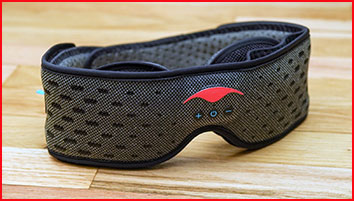
- Zero Eye Pressure Design: The molded eye cups create a blackout chamber around each eye without touching your eyelids, eliminating the discomfort that makes most sleep masks feel intrusive during extended nightly wear.
- Total Light Blocking Performance: The mask blocks 100% of ambient light in real-world conditions — I tested it with overhead lights fully on and nothing penetrated the eye cups, not even around the edges of the frame at all.
- Integrated Bluetooth Speakers Built For Sleep: The flat speaker modules deliver clear, comfortable audio at sleep-appropriate volumes without the discomfort of in-ear options that become painful after an hour of side sleeping through the night.
- Genuinely Side Sleeper Friendly: The slim speaker profile and flexible headband allow real side sleeping without the mask riding up, shifting out of position, or creating painful pressure points against even a firm pillow.
- Adjustable Eye Cup Positioning: The eye cups slide along the headband to accommodate different face shapes and sizes, meaning the mask genuinely fits a wide range of users rather than relying on a one-size-fits-most compromise approach.
- Soft, Breathable Fabric Against Skin: The material that contacts your face and head is soft enough that you genuinely stop noticing it within a few minutes of lying down, which is the baseline requirement for any sleep product to actually work effectively.
- Wireless Freedom During Sleep: The Bluetooth connection means no cord to tangle around your neck or pull the mask off position when you shift during the night — a genuinely important functional advantage over wired alternatives.
- Strong Battery Life Per Charge: The battery delivers enough playback time to handle a full night of audio use comfortably, and I’ve never had it die mid-sleep during normal single-night use on a complete charge.
- Washable Mask Body: The fabric mask body is machine washable — you detach the speaker modules first and wash the mask separately, which is the kind of practical maintenance design that makes a sleep product sustainable for long-term daily use without becoming unhygienic.
- Addresses Multiple Sleep Disruption Sources: Whether your issue is light, sound, a snoring partner, or travel environment changes, the Manta Sound addresses multiple disruption sources in a single wearable product that replaces several separate solutions simultaneously for good.
Cons Of Manta Sound Sleep Mask
- Premium Price Point: The Manta Sound Sleep Mask sits at the higher end of the sleep mask market — it’s a meaningful financial commitment that requires genuine sleep disruption problems to justify compared to a basic mask at a fraction of the cost.
- Speaker Audio Quality Has A Ceiling: The flat speaker design optimizes for comfort over audio fidelity — for sleep sounds and podcasts it’s perfectly adequate, but audiophiles expecting headphone-quality music reproduction will find the sound noticeably limited at that standard.
- Bluetooth Pairing Occasionally Needs Resetting: A small number of users, myself included on rare occasions, experience connection dropouts that require re-pairing the mask to the phone — not frequent, but mildly frustrating when it happens right before sleep.
- Takes Several Nights To Adjust: The eye cup structure and overall mask feel require a short adjustment period — the first few nights feel noticeably different from sleeping without anything on your face, and some users abandon it too early before they’ve actually adapted to the experience.
- Headband Can Shift On Very Active Sleepers: If you move dramatically during sleep, the headband occasionally shifts enough to compromise the light seal around the eye cups — a lighter version of this problem than most masks, but still worth noting for restless sleepers specifically.
- Not Ideal For Stomach Sleepers: The eye cup depth that makes this mask so comfortable for back and side sleepers creates a slight elevation that stomach sleepers may find awkward against a pillow — it’s workable, but it’s not the mask’s strongest position for that sleeping style.
Maintenance Tips For Manta Sound Sleep Mask
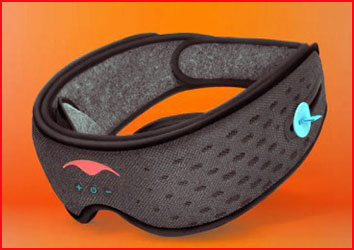
- Detach Speaker Modules Before Every Wash: The speaker electronics must be fully detached before any washing — running the speakers through water will permanently damage them, so make detaching a non-negotiable step in your cleaning routine every single time without exception.
- Machine Wash The Fabric Body On Gentle Cycle: Use cold water on the gentle cycle with a mild, fragrance-free detergent to clean the mask body — harsh detergents or hot water can degrade the soft fabric against your skin and reduce the comfortable feel that makes the mask work well.
- Air Dry The Mask Body Completely Before Reattaching Speakers: Never reattach the speaker modules to a damp mask — moisture near electronic connections causes corrosion over time, and air drying flat on a clean surface takes only a few hours before the mask is ready for use again.
- Wipe Speaker Modules With A Slightly Damp Cloth: The speaker housings can be gently wiped with a barely damp microfiber cloth to remove skin oil and ear contact residue — never submerge or run water directly over any part of the speaker module housing under any circumstances.
- Charge The Battery Before It Fully Depletes: Lithium batteries in devices like this maintain longer overall lifespan when you avoid letting them run completely flat repeatedly — charge after each night of use rather than waiting for the battery indicator to signal emergency level before plugging in.
- Store The Mask Flat Or Hanging — Not Folded: Folding the mask body creates crease stress on the fabric and can distort the eye cup shape over time — hang the mask by its headband between uses or lay it flat in a drawer to maintain its shape and structural integrity across months of daily use.
- Clean The Eye Cup Interior Monthly: Skin oils and facial product residue accumulate inside the eye cups over time and can cause irritation if left uncleaned — wipe the interior cup surface gently with a slightly damp cloth monthly to keep the contact surface fresh and comfortable against your skin.
Comparison With Other Brands
Manta Sound Sleep Mask Vs. Bose Sleepbuds II
The Bose Sleepbuds II take a fundamentally different approach — they sit inside your ears and deliver curated sleep sounds through the Bose app without functioning as a general Bluetooth audio receiver.
They’re excellent at what they do, but they don’t address light blocking at all, which means you’re still solving your light problem separately.
The Manta Sound handles both in a single product, and while the audio customization of the Sleepbuds is more refined, the all-in-one convenience of the Manta at a comparable price point makes it the more practical solution for people dealing with both light and sound disruption simultaneously.
Manta Sound Sleep Mask Vs. Kokoon Nightbuds
The Kokoon Nightbuds are sleep-specific headphones that monitor your sleep stages and adjust audio content accordingly using built-in sensors.
It’s genuinely innovative technology, but it comes at a significantly higher price than the Manta Sound and, like the Bose Sleepbuds, doesn’t address light.
For users whose primary sleep challenge is the combination of light and sound rather than sophisticated sleep tracking, the Manta Sound delivers more of what actually matters at a more accessible price without requiring a companion app to function effectively every night.
Manta Sound Sleep Mask Vs. Alaska Bear Sleep Mask
The Alaska Bear is one of the most popular budget sleep masks on the market — silk, lightweight, and genuinely comfortable for the price.
But it offers no sound component, presses against the eyelids rather than creating a zero-pressure cup system, and blocks light less completely than the Manta.
If you only have a mild light sensitivity issue and no sound disruption concerns, the Alaska Bear is a reasonable choice.
If you need serious light blocking and sleep audio together, the gap in performance between the Alaska Bear and the Manta Sound is significant enough to justify the substantial difference in price between them.
Manta Sound Sleep Mask Vs. LC-dolida Sleep Headphones Mask
The LC-dolida and similar budget sleep headphone masks flood the market at very low price points and appeal on value alone.
In practice, the speaker quality in these budget options is noticeably inferior — thin, tinny audio that becomes fatiguing rather than relaxing, combined with light blocking that’s inconsistent around the edges of the mask.
The Manta Sound’s build quality, eye cup system, and speaker performance represent a genuine step up that budget alternatives simply can’t replicate, and for a product you’re relying on every single night, that quality difference compounds meaningfully over time.
Also Read: My thoughts on Manta Sleep Mask
Frequently Asked Questions (FAQ)
Yes, for anyone dealing with both light and sound sleep disruption, the Manta Sound Sleep Mask is worth the investment — the zero-pressure eye cups, total light blocking, and comfortable Bluetooth speakers deliver a genuinely meaningful improvement in sleep quality that cheaper alternatives don’t match.
The Manta Sound version doesn’t passively block sound the way earplugs do — instead it uses integrated Bluetooth speakers to deliver sleep audio that masks environmental noise, which most users find equally or more effective than passive blocking for sustained nightly sleep improvement.
Yes, sleeping with a sleep mask is generally healthy and beneficial — blocking light supports melatonin production and deeper sleep cycles, and the Manta’s zero-pressure eye cup design specifically avoids the eyelid pressure concerns associated with standard flat sleep masks during regular use.
The Manta Sleep Mask is a premium sleep mask brand known for its zero-pressure molded eye cup design that creates complete light blocking without touching the eyelids — the Sound version adds integrated Bluetooth speakers specifically designed for comfortable overnight sleep audio use.
Conclusion
After months of genuinely better sleep, the Manta Sound Sleep Mask has earned a permanent place in my nightly routine. It’s not a cheap purchase, but it solves two real problems — light and sound — in a single product that’s comfortable enough to actually wear all night without taking it off. You can find it on the official Manta Sleep website and on Amazon — and if disrupted sleep is affecting your daily life, this is one purchase you won’t regret making.
Recent Posts
I spent months comparing budget options against established names after my last set of tires wore out sooner than expected.My goal here is to share what I learned from putting Dextero and...
AquaTru Carafe Vs. Classic: Which Is Actually Fits Your Kitchen?
I decided to write this comparison after months of testing both the AquaTru Carafe and the Classic in my own kitchen. Tracking covered daily use.Taste stayed consistent. Refill frequency...