
If you’re pregnant or trying to conceive and feeling overwhelmed by the wall of prenatal vitamin options staring back at you, Mary Ruth’s Prenatal deserves your attention before you make a decision.
I took this supplement throughout my pregnancy and I’m going to give you the full, honest picture — what worked, what didn’t, and whether it’s actually worth your money. You can find Mary Ruth’s Prenatal on Amazon, the MaryRuth Organics website, Walmart, and Thrive Market — and based on my experience, it’s worth a serious look.
My Experience With Mary Ruth’s Prenatal
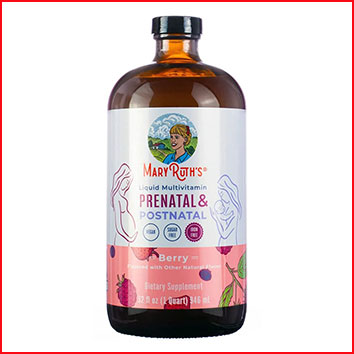
I want to start by being upfront about where I was when I found this product. I was eight weeks pregnant, dealing with morning nausea that made swallowing large traditional prenatal pills feel genuinely impossible, and my previous prenatal vitamin was making everything worse.
My midwife had suggested looking into liquid or gummy prenatal options as an alternative to capsules.
A friend who had used Mary Ruth’s products for general wellness mentioned their prenatal line, and I started researching immediately.
What drew me in first was the liquid format. The idea of getting my prenatal nutrients in a form I could add to a small amount of juice rather than choking down a horse-sized pill during the worst weeks of first-trimester nausea felt like a genuine solution rather than a compromise.
I ordered the liquid prenatal and started taking it within the week. The taste was mild enough that mixing it with a small amount of orange juice made it completely palatable even on my worst nausea days.
That alone felt like a significant win during a period when almost everything I ate or smelled triggered discomfort.
By the end of my first trimester, I had settled into a consistent daily routine with Mary Ruth’s Prenatal.
My energy levels, which had been completely depleted, started returning to something approaching normal — though I acknowledge that first-trimester fatigue resolving naturally plays a role in that alongside any supplement.
What I paid close attention to throughout my second and third trimesters was how my bloodwork looked at each prenatal appointment. My iron levels, folate, and vitamin D — all of which my midwife monitored closely — remained in healthy ranges throughout without requiring any additional supplementation.
My baby was born healthy, and I continued using Mary Ruth’s Postnatal during breastfeeding with equally positive results. I can’t attribute every positive outcome solely to the supplement, but I can tell you that I felt consistently supported nutritionally throughout my pregnancy in a way I hadn’t with my previous prenatal vitamin.
Read More: My Experience with Bengay Pain Cream Ultra Strength
Pros Of Mary Ruth’s Prenatal
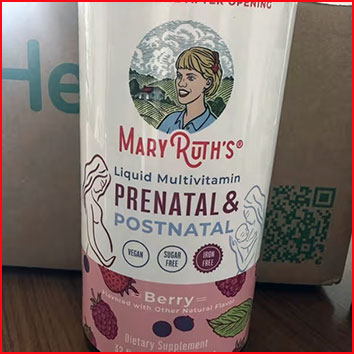
- Liquid Format Ideal For Nausea: The liquid delivery format is a genuine game-changer for pregnant women in the first trimester when swallowing large capsules can trigger or worsen nausea that’s already hard to manage.
- Certified USDA Organic Ingredients: Mary Ruth’s Prenatal uses USDA certified organic ingredients, which matters to many pregnant women who want to minimize their exposure to synthetic pesticides and chemical additives during pregnancy.
- Methylated Folate Instead Of Folic Acid: The formula uses methylfolate rather than synthetic folic acid, which is more bioavailable and better absorbed by women who carry the MTHFR gene variant that impairs folic acid conversion.
- Free From Common Allergens: The formula is free from gluten, dairy, soy, and nuts, making it accessible to pregnant women managing food allergies or sensitivities without needing to worry about cross-reactivity with their prenatal supplement.
- No Artificial Colors Or Preservatives: Mary Ruth’s avoids synthetic dyes and chemical preservatives that add no nutritional value, which aligns with the ingredient-conscious approach many expecting mothers prioritize during pregnancy.
- Third-Party Tested For Purity: The products undergo third-party testing, which provides an independent verification of label accuracy and purity that goes beyond the manufacturer’s own quality claims.
- Comprehensive Nutrient Profile: The formula covers the key prenatal nutrients including folate, iron, iodine, vitamin D, B12, and choline, providing broad nutritional support without requiring multiple separate supplements for most women.
- Vegan-Friendly Formula: Mary Ruth’s Prenatal is fully vegan, making it one of the few comprehensive prenatal options that works for plant-based mothers without compromising on nutrient breadth or bioavailability.
- Mild And Tolerable Flavor: The liquid version has a mild enough taste that it blends easily into juice or water without the unpleasant aftertaste that many liquid supplement users dread, which supports consistent daily compliance.
- Postnatal Option Available In Same Line: The continuity of being able to transition from prenatal to postnatal within the same product line and philosophy is genuinely convenient for mothers who plan to breastfeed after delivery.
- Positive Brand Transparency: MaryRuth Organics is open about their ingredient sourcing, manufacturing standards, and testing practices, which builds the kind of trust that matters when you’re choosing a supplement during pregnancy.
Cons Of Mary Ruth’s Prenatal
- Iron Content May Be Insufficient For Some: The iron level in Mary Ruth’s Prenatal is on the lower end compared to some traditional prenatal vitamins, which means women with iron deficiency anemia during pregnancy may need an additional iron supplement.
- Price Point Is Higher Than Conventional Options: Mary Ruth’s Prenatal costs more per serving than standard pharmacy prenatal vitamins, which can add up significantly over the course of a full pregnancy plus postpartum supplementation period.
- Liquid Format Requires Refrigeration After Opening: Unlike capsules that you can toss in your bag, the liquid prenatal needs refrigeration after opening, which adds a logistical consideration for travel or women with unpredictable daily schedules.
- Shorter Shelf Life Once Opened: The liquid format has a more limited window of use after opening compared to capsules, which requires attention to the use-by timeline and may result in waste if you’re not consistent with daily use.
- Vitamin D Level May Not Meet All Needs: Some pregnant women, particularly those in low-sunlight environments or with existing vitamin D deficiency, may need additional vitamin D supplementation beyond what Mary Ruth’s Prenatal provides on its own.
- Not All Formulas Contain DHA: DHA is critical for fetal brain and eye development, and not all Mary Ruth’s Prenatal formulas include it, meaning some women will need to source omega-3 DHA from a separate supplement.
- Liquid Measuring Can Feel Imprecise: Using a measuring spoon or dropper to get an accurate daily dose feels less precise and more effortful than simply swallowing a capsule, which some users find inconvenient over the long term.
- Limited Availability In Physical Retail Stores: While available online, Mary Ruth’s Prenatal is not always stocked at local pharmacies or grocery stores, which can be frustrating if you need to restock quickly between online deliveries.
Maintenance Tips For Mary Ruth’s Prenatal

Take It At The Same Time Each Day: Consistency is the foundation of effective prenatal supplementation. Choosing a specific time — whether with breakfast, lunch, or your evening meal — and sticking to it builds a habit that ensures you never miss a dose throughout your pregnancy.
Store The Liquid Formula Correctly: Once opened, the liquid prenatal must be refrigerated immediately and used within the window specified on the label. Storing it at the wrong temperature or for too long can degrade the nutrient content and reduce the supplement’s effectiveness.
Mix With Juice To Improve Palatability: If the taste is an issue, especially during first-trimester nausea, mixing your daily dose into a small amount of cold orange juice or apple juice makes it significantly easier to take without any gagging or aftertaste.
Pair With A DHA Supplement If Not Included: Check your specific Mary Ruth’s Prenatal formula to confirm whether DHA is included. If it isn’t, add a high-quality algae-based DHA supplement to your daily routine to support fetal brain and eye development throughout pregnancy.
Discuss Iron Levels With Your Provider: Because Mary Ruth’s Prenatal contains a conservative iron dose, bring your supplement label to your next prenatal appointment and ask your midwife or OB to assess whether your bloodwork suggests a need for additional iron support.
Track Your Daily Dose With A Simple Reminder: Use a phone alarm or a habit-tracking app to remind yourself to take your prenatal each day. Missed doses are common during busy or exhausting pregnancy weeks, and a simple system prevents gaps in your nutritional coverage.
Monitor Your Bloodwork At Each Prenatal Visit: Use your regular prenatal bloodwork appointments as checkpoints for how well your supplement routine is working. Flagging any nutrient levels that trend low gives you and your provider time to adjust before deficiencies become a concern.
Transition To Postnatal Promptly After Delivery: If you plan to breastfeed, transition from Mary Ruth’s Prenatal to their Postnatal formula immediately after delivery. Your nutritional needs shift postpartum, and continuing with a prenatal-specific formula is not optimized for the breastfeeding period.
Comparison With Other Brands
Versus Garden Of Life Prenatal: Garden of Life Raw Prenatal is another whole-food-based organic prenatal option that’s well-regarded in the natural health space. Mary Ruth’s edges ahead for women dealing with nausea thanks to its liquid format, while Garden of Life’s capsule form may suit women who prefer a more traditional supplement experience with a strong whole-food ingredient base.
Versus Ritual Essential Prenatal: Ritual’s prenatal vitamin has built a strong following through its transparent ingredient sourcing and subscription model. Both brands use methylfolate and prioritize clean formulas, but Mary Ruth’s liquid option offers a meaningful advantage for women who genuinely cannot tolerate capsules during early pregnancy nausea.
Versus Nature Made Prenatal: Nature Made Prenatal is one of the most affordable and widely available prenatal vitamins, and it carries USP verification for quality. Mary Ruth’s costs more but delivers a cleaner, organic ingredient profile with methylfolate rather than folic acid — a meaningful difference for women with MTHFR gene variants.
Versus Thorne Basic Prenatal: Thorne is a clinically respected brand with a strong reputation among healthcare providers for supplement quality and bioavailability. Both Thorne and Mary Ruth’s use high-quality bioavailable nutrient forms, but Thorne’s capsule format and higher iron content may make it a stronger choice for women with elevated iron needs during pregnancy.
Versus Pink Stork Total Prenatal: Pink Stork targets pregnant women specifically with a brand identity built around maternal wellness. Mary Ruth’s Prenatal outperforms it in terms of organic certification depth and third-party testing transparency, making it the stronger choice for women who prioritize independently verified clean-label supplementation throughout their pregnancy journey.
Also Read: My thoughts on Phyto Collagen Complex
Frequently Asked Questions (FAQ)
Yes, Mary Ruth’s Prenatal covers the key nutrients needed during pregnancy including methylfolate, iron, iodine, vitamin D, and B12, and its liquid format makes it particularly well-suited for women who struggle with nausea during the first trimester.
Some healthcare providers recommend Mary Ruth’s, particularly for patients who need a gentle, allergen-free, or liquid prenatal option — but as with any supplement during pregnancy, you should discuss your specific nutritional needs with your OB or midwife before starting.
Quality depends on individual needs, but top-tier options consistently include Mary Ruth’s, Thorne Basic Prenatal, Ritual Essential Prenatal, and Garden of Life Raw Prenatal — all of which prioritize bioavailable nutrient forms and transparent ingredient sourcing.
MaryRuth Organics maintains strong quality standards through USDA organic certification, third-party testing, and a commitment to clean-label formulation that avoids unnecessary synthetic additives across their entire product range.
Conclusion
After taking Mary Ruth’s Prenatal through my entire pregnancy and into the postpartum period, I can tell you it earns its reputation as one of the most thoughtfully formulated prenatal options available. If you’re looking for a clean, organic, nausea-friendly prenatal supplement, grab it on Amazon, the MaryRuth Organics website, or Thrive Market. Your body and your growing baby deserve nutritional support you can actually feel good about taking every single day.
Recent Posts
● Interactive 5-Zone Interior & Exterior Paint Blueprint Paint Coverage Calculator: Gallons, Primer, Square Footage & Cost Tap any architectural surface zone on the blueprint...
If you want smooth, shiny hair without spending a fortune on a premium styling tool, the Ella Bella hair dryer may be worth considering.In these Ella Bella hair dryer reviews, I’ll look...