
When I shop for a bunk bed, I want sturdy construction, reliable safety features, easy assembly, and long-term value.
Max and Lily bunk beds offer attractive designs for shared bedrooms, but disappointing customer experiences and concerns about assembly, durability, and customer service make me cautious.
After weighing the potential benefits against these drawbacks, I wouldn’t recommend buying a Max and Lily bunk bed without carefully checking the latest model-specific reviews and warranty terms.
If you want dependable furniture for your children, comparing alternative brands first is the smarter move.
My First Experience With Max And Lily Bunk Beds
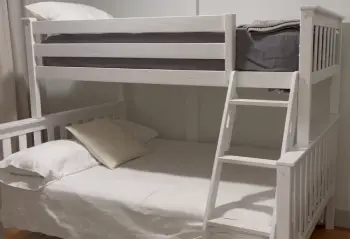
When I evaluate a bunk bed for a child’s bedroom, I look beyond its appearance.
A bed can look fantastic in product photos, but what matters most is how well it performs after assembly, how stable it feels during everyday use, and whether the manufacturer provides dependable support when something goes wrong.
Max and Lily sells children’s bedroom furniture, including wooden bunk beds, loft beds, and related sleeping solutions.
The brand is known for designs that help families make better use of limited bedroom space. Its products often feature clean lines, neutral finishes, and configurations that can suit different room layouts.
At first glance, these features make the brand appealing. If you have two children sharing a bedroom, a bunk bed can free up valuable floor space for toys, desks, bookshelves, and other essentials.
A well-designed model can also make a small room feel more organized without sacrificing separate sleeping areas.
However, I wouldn’t judge Max and Lily solely on its design. When I assess a product like this, I consider the entire ownership experience, including delivery, assembly, hardware quality, customer support, and the availability of replacement parts.
One thing I appreciate about Max and Lily’s product range is its straightforward appearance.
Many of its wooden bunk beds have a simple, modern style that fits easily into children’s bedrooms.
Rather than relying on oversized decorative elements, the designs generally focus on practical sleeping arrangements.
This versatility is useful because children’s furniture often stays in a room through several changes in age, taste, and decoration. A neutral bed can continue to look appropriate when you replace cartoon-themed bedding with more mature colors.
Nevertheless, attractive styling shouldn’t distract you from the structural details. I would carefully examine the guardrails, ladder design, bed-frame connections, and support system before considering any model. These components matter far more than whether the finish matches the curtains.
Pros Of Max And Lily Bunk Beds
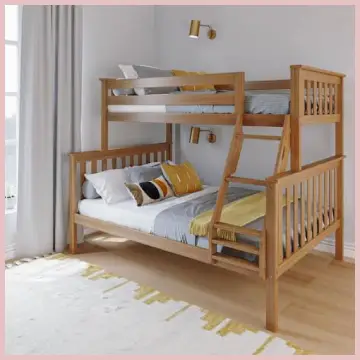
- Space-Saving Sleeping Arrangements
The most obvious advantage of a bunk bed is its efficient use of floor space. Instead of placing two separate beds side by side, you can stack the sleeping areas vertically.
I find this especially useful for families with two children sharing a bedroom.
The additional floor space can accommodate a toy chest, reading corner, dresser, or study desk.
Even a relatively small room can feel less crowded when the sleeping arrangements are planned properly.
Max and Lily offers different configurations, including twin-over-twin and twin-over-full designs.
The right layout depends on the room’s dimensions, the children’s ages, and whether one child needs more sleeping space than the other.
However, space-saving benefits are only worthwhile when the frame fits the room comfortably and provides safe access to the upper bunk.
- Attractive, Versatile Designs
Max and Lily beds generally appeal to buyers who prefer straightforward wooden furniture. Their relatively simple appearance can work with modern, traditional, and minimalist bedroom decor.
I like the idea of buying furniture that doesn’t need to be replaced simply because a child outgrows a particular theme. A neutral finish can work with colorful children’s bedding today and more understated bedding a few years later.
Different configurations also allow families to consider how they want to arrange their rooms. Depending on the model, a bunk bed may include a ladder, storage features, or a design that can be separated into individual beds.
Before paying extra for these features, I would confirm exactly what comes in the package. Similar-looking product names do not necessarily indicate identical components.
- Potentially Useful for Growing Families
Children’s furniture needs change as children grow. A bed that accommodates different sleeping arrangements can be more useful than a product designed for only one stage of childhood.
Some Max and Lily configurations are intended to provide flexibility, including options that can be separated into individual beds. This can help when siblings eventually move into separate bedrooms.
I would still check the manufacturer’s instructions to confirm whether the specific model can be separated and whether doing so requires additional hardware or changes to the original assembly.
Flexibility is a genuine benefit, but it shouldn’t be assumed simply because two beds appear to be stacked together.
- A Range of Sizes and Configurations
I appreciate having options when shopping for a bunk bed. A twin-over-twin configuration may suit two younger children, while a twin-over-full arrangement can provide additional space for an older child or accommodate different sleeping preferences.
The best size depends on more than mattress dimensions. You also need to account for ceiling height, the space above the upper mattress, ladder clearance, and access to windows or doors.
Max and Lily’s range gives shoppers different designs to compare. That variety can make it easier to identify a layout that suits a particular room.
Nevertheless, I would check the measurements carefully rather than relying on product photographs. A bed can look compact online but occupy more space than expected once the ladder and surrounding clearance are included.
- Wood-Furniture Appearance
Wooden bunk beds can create a warmer, more traditional look than some metal alternatives. Depending on the finish and construction, they may also coordinate more naturally with existing wooden furniture.
Some customers praise the appearance and materials of their Max and Lily beds, although other reviews raise concerns about construction and stability.
I would therefore distinguish appearance from proven durability. A product may look well finished without necessarily meeting my expectations for long-term performance.
Cons Of Max And Lily Bunk Beds
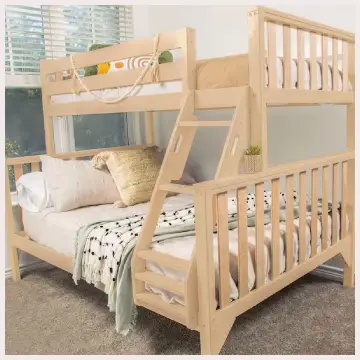
- Concerns About Long-Term Stability
My greatest concern is the possibility of a frame becoming loose during ordinary use.
Some customers have described wobbling, connections that loosen repeatedly, and problems that continued despite tightening the fasteners.
These are customer reports rather than proof that every model has the same defect. Nevertheless, I would investigate them carefully before purchasing.
A bunk bed should not require a parent to repeatedly compensate for a persistent structural problem.
If a frame moves noticeably or a connection cannot be secured according to the instructions, I would stop using it until the manufacturer or a qualified professional determines that it is safe.
- Potentially Complicated Assembly
A bunk bed is a substantial piece of furniture, and assembling it can require considerable time and space.
Some customers describe straightforward assembly, while others report missing hardware, incorrect components, or difficulties aligning parts.
These problems can turn a weekend project into a frustrating experience. They may also make it difficult to determine whether a component is defective or simply incompatible with the model.
I would prefer a product with clearly illustrated instructions, accurately labeled components, and accessible assembly assistance.
- Uncertainty About Replacement Parts and Support
Customer service is particularly important when the item is too large to return easily. If a rail arrives damaged or a structural component is missing, you need an efficient resolution.
Reports of delayed responses and replacement-part difficulties make me cautious about relying on Max and Lily for post-purchase assistance.
Before buying any model, I would ask how damaged parts are handled, whether replacement hardware is available, and what happens if the company cannot provide a necessary structural component.
- Possible Mattress-Support Complications
The mattress-support system deserves attention because slat spacing varies among bed designs. Some customer reviews raise concerns about widely spaced slats and the additional support needed for particular mattresses.
This matters because a mattress manufacturer may specify maximum allowable gaps between supports. Using a mattress on an incompatible base can affect its performance and potentially its warranty.
I would check the bunk bed’s exact slat spacing against the mattress manufacturer’s requirements before purchasing either item. If additional support is needed, I would calculate that expense before deciding whether the bed represents good value.
- Warranty Limitations Can Affect Value
A warranty can help protect you against certain manufacturing defects, but it does not necessarily cover every problem or every year of ownership.
I would read the written warranty carefully, paying attention to its duration, exclusions, treatment of shipping damage, and requirements for making a claim. I would also check the return policy before placing an order.
If a component fails after the warranty period, replacement costs may become the owner’s responsibility. That risk is especially relevant when buying furniture intended to last throughout childhood.
Maintenance For Max And Lily Bunk Bed
- Inspect the Frame and Connections Regularly
I would make a habit of examining the frame, particularly the points where the upper bunk connects to the lower structure.
Look for visible gaps, shifting joints, cracked wood, damaged metal fittings, and fasteners that appear loose. Follow the manufacturer’s instructions for checking and tightening connections.
Do not overtighten bolts or improvise repairs with replacement screws that may not match the original specifications. If a connection repeatedly loosens, investigate the underlying cause instead of treating tightening as a permanent fix.
If the frame develops persistent movement or structural damage, stop using the affected bunk until it has been properly assessed and repaired.
- Check Guardrails and Ladder Security
Guardrails help prevent falls from the upper sleeping area, while a secure ladder provides a stable route into and out of bed.
I would check that the guardrails are correctly installed and firmly attached. The ladder should also be properly secured and positioned according to the manufacturer’s instructions.
Watch for loose rungs, sharp edges, damaged fasteners, and gaps that could create entrapment hazards. Keep the ladder area clear of toys, clothes, and other objects that could cause a child to trip.
- Never remove a required guardrail or modify the ladder to make the bed look simpler.
- Follow Mattress Size and Thickness Requirements
Not every mattress is appropriate for every bunk bed. The frame’s specifications determine the acceptable mattress dimensions and thickness.
I would check the maximum mattress thickness stated in the instructions, especially for the upper bunk. A mattress that is too thick can reduce the effective height of the guardrails.
I would also verify the required mattress-support spacing and ensure that the chosen mattress is compatible with the slat system. If a bunkie board or another support is necessary, I would use only an option approved for the bed.
These checks help preserve the intended design and reduce the risk of using an incompatible sleeping surface.
- Overloading the Bed
Every bunk bed has a specified weight limit. The limits may differ between the upper and lower bunks, so I would never assume that the same capacity applies to both.
Check the manufacturer’s stated limits for the particular model and follow them carefully. Include the weight of the sleeper and any other items that contribute to the load.
Avoid jumping on the mattress, hanging from the guardrails, or using the upper bunk as a play structure. These activities can place forces on the frame that differ from normal sleeping use.
I would also make sure children understand that the ladder is for climbing and that the upper bunk is not a place for roughhousing.
- Keep Wooden Surfaces Clean and Dry
Dust and ordinary dirt can be removed with a soft cloth. For marks, use a cleaning method compatible with the bed’s finish, following the manufacturer’s care instructions.
Avoid soaking wooden components or using harsh chemicals that may damage the finish. Wipe up spills promptly, and allow surfaces to dry thoroughly.
Moisture can affect wood and some hardware over time. Keeping the room reasonably dry and maintaining good ventilation can help preserve the furniture’s condition.
I would also inspect areas that are difficult to see, such as the undersides of rails and the corners where dust tends to accumulate.
Comparison Of Max and Lily With Other Bed Brands
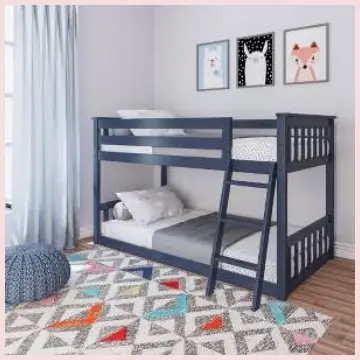
- Max and Lily vs. IKEA
Best for: comparing design flexibility with practical, budget-conscious shopping
IKEA is the first alternative I would investigate because it offers a recognizable furniture range and standardized product information.
Depending on the model and market, IKEA bunk beds may appeal to shoppers who want simple designs and a relatively straightforward purchasing experience.
Max and Lily offers wooden designs in different configurations, including twin-over-full options. That flexibility can be attractive if your children need different mattress sizes.
However, I would not automatically declare either brand safer or more durable. IKEA products vary by model, just as Max and Lily products do. I would compare the specific frames, mattress requirements, guardrails, assembly instructions, and warranty coverage.
My preference: I would lean toward the model with clearer specifications, stronger evidence of reliable construction, and better-supported customer service. I would not buy Max and Lily over an IKEA alternative based on appearance alone.
- Max and Lily vs. Storkcraft
Best for: comparing children’s furniture options
Storkcraft is another brand I would consider when shopping for children’s bedroom furniture. Its range includes different bed styles, making it worth comparing with Max and Lily’s wooden bunk bed designs.
I would focus on the exact model’s construction, the quality of its support system, the clarity of its instructions, and its weight limits. I would also read recent owner feedback to see whether the same complaints appear repeatedly.
Neither brand should receive an automatic recommendation simply because it specializes in children’s furniture. I would favor the model with more convincing evidence of stability and a clearer process for resolving defects.
- Max and Lily vs. DHP
Best for: comparing different materials and price points
DHP is worth investigating if you’re open to metal bunk beds or other space-efficient designs. Depending on the product, a metal frame may provide a different appearance and maintenance experience from a wooden bed.
Metal construction is not automatically stronger or safer, though. The quality of the joints, fasteners, frame design, guardrails, and ladder still matters.
Max and Lily may appeal more to shoppers who prefer the look of wood, while a suitable DHP model might appeal to someone prioritizing a simpler metal design.
I would compare the total price, structural specifications, mattress compatibility, and warranty rather than assuming that either material guarantees better performance.
- Max and Lily vs. Donco Kids
Best for: comparing traditional and space-saving children’s beds
Donco Kids is another option I would explore when looking for wooden bunk beds and children’s bedroom furniture. Its range is worth considering if you want to compare different configurations and styles.
I would look closely at the ladder placement, upper-bunk guardrails, mattress-support design, and the space required to access the bed. These details can affect how practical the furniture is in a smaller bedroom.
For both Donco Kids and Max and Lily, I would check recent reviews for the exact model and confirm that replacement components are available.
My preference: I would choose the bed with the most reassuring evidence of structural reliability and the clearest warranty protection, even if it costs slightly more.
Which Alternative Would I Choose?
I wouldn’t name a universal winner without comparing specific models and current customer feedback. Instead, I would shortlist IKEA, Storkcraft, DHP, and Donco Kids, then compare their available bunk beds against the same criteria.
The important point is that changing brands does not eliminate the need to check safety specifications. A less expensive bed can become costly if it requires additional support or has unresolved defects, while a more expensive model is not automatically better.
For my own purchasing decision, I would prioritize verified safety compliance, stable construction, compatible mattress support, and a responsive warranty process. Those qualities matter more than extra decorative features.
Also Read: Is LapCatz Nest Bed Worth It?
Frequently Asked Questions (FAQ)
Not necessarily. Max and Lily offers appealing wooden designs and several sleeping configurations, while IKEA provides alternatives across different styles and price points. I would compare specific models, construction details, mattress requirements, and customer feedback before choosing. Given the concerns reported by some Max and Lily customers, I would investigate an IKEA alternative first rather than assuming Max and Lily is the better option.
I wouldn’t make a blanket statement that every Max and Lily bunk bed is either safe or unsafe. Safety depends on the particular model, its construction, correct assembly, guardrails, mattress compatibility, and compliance with applicable safety standards. Because some customers have reported stability concerns, I would carefully investigate the exact model before purchasing it.
There is no single best brand for every family. IKEA, Storkcraft, DHP, and Donco Kids are alternatives worth comparing, but the best choice depends on your budget, room size, preferred material, and children’s needs. I would prioritize verified safety compliance, sturdy construction, clear instructions, suitable mattress support, and dependable customer service over appearance alone.
Max and Lily is a children’s furniture brand associated with Maxwood Furniture. Its brand identity and business presence are associated with the United States, but that does not necessarily mean every product is manufactured there. If manufacturing origin matters to you, check the country-of-origin information for the specific product and its packaging before buying.
Final Verdict
After weighing the design advantages against the customer complaints, I would not recommend Max and Lily as my first choice for a bunk bed.
Its space-saving layouts and attractive wooden finishes are appealing, but reports of instability, damaged components, and inconsistent support give me reason to hesitate.
I would compare IKEA, Storkcraft, DHP, and Donco Kids before deciding.
If you still consider Max and Lily, verify the exact model’s safety specifications, mattress compatibility, return policy, and warranty first.
For children’s furniture, peace of mind matters more than appearance.
Recent Posts
● Interactive 5-Zone Interior & Exterior Paint Blueprint Paint Coverage Calculator: Gallons, Primer, Square Footage & Cost Tap any architectural surface zone on the blueprint...
If you want smooth, shiny hair without spending a fortune on a premium styling tool, the Ella Bella hair dryer may be worth considering.In these Ella Bella hair dryer reviews, I’ll look...