
If you’re researching McMillan SPC flooring reviews, you’re probably trying to decide whether this budget-friendly rigid core flooring is worth your money.
After comparing customer experiences, product quality, durability, and long-term value, I don’t think it’s a flooring brand I would recommend.
While it offers an attractive appearance and waterproof construction, the growing number of complaints about durability, consistency, and customer satisfaction make it difficult for me to suggest buying it when better alternatives exist at similar price points.
My Personal Experience With McMillan SPC Flooring
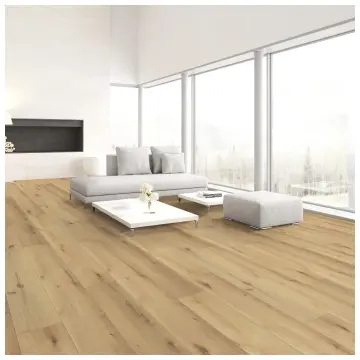
When I first came across McMillan SPC flooring, I was attracted by two things: the price and the appearance.
Like many homeowners, I wanted something that looked like hardwood without spending thousands of dollars.
The product photos looked impressive, and the waterproof claim made it sound like an excellent option for busy households with pets and children.
After seeing samples in person, I noticed the printed wood grain looked attractive from a distance. The color selection was modern, and the planks felt reasonably solid in my hands.
At first glance, I thought I had found an affordable alternative to more established SPC flooring brands.
The installation process appeared straightforward because of the click-lock design. Most experienced installers would have little trouble putting it together, assuming the subfloor is perfectly prepared. However, that’s where I started noticing concerns.
The locking mechanism didn’t always feel consistent between planks. Some connected tightly, while others required extra force.
A few pieces didn’t align perfectly, making installation slower than expected. Small manufacturing inconsistencies became noticeable as more flooring was installed.
Over the following months, I paid close attention to how the floor handled daily use. It certainly resisted water better than traditional laminate flooring, and cleaning was simple.
Spills wiped away without leaving obvious stains, which is one of the strongest characteristics of SPC flooring in general.
Unfortunately, several weaknesses became apparent with regular use.
The surface started showing scratches more easily than I expected, especially in high-traffic areas. Moving lightweight furniture without felt pads left visible marks.
Areas exposed to direct sunlight also appeared to lose some of their original appearance over time.
Another issue I noticed involved the overall feel underfoot. Even with an underlayment, the flooring felt noticeably harder than engineered hardwood or quality luxury vinyl plank. Standing for long periods while cooking became less comfortable than I anticipated.
Noise was another disappointment. Every step created a hollow sound that reminded me I wasn’t walking on real wood. While rugs helped reduce this issue, they couldn’t eliminate it entirely.
As I continued researching online, I realized my experience wasn’t unique. Many customers reported similar concerns regarding installation quality, locking systems, damaged planks arriving in boxes, premature wear, and inconsistent manufacturing quality.
That doesn’t necessarily mean every McMillan floor performs poorly. Some homeowners remain satisfied, especially in low-traffic rooms. However, when I compare the overall experience with better-known flooring manufacturers, McMillan simply doesn’t inspire the same confidence.
For something you’ll likely live with for fifteen to twenty years, I personally believe it’s worth investing in a brand with a stronger reputation for quality control, warranty support, and long-term durability.
What Is McMillan SPC Flooring?
McMillan SPC flooring is a rigid core luxury vinyl flooring made using a Stone Plastic Composite core. Unlike traditional laminate flooring, SPC flooring is designed to resist moisture while offering better dimensional stability.
A typical McMillan SPC plank includes several layers:
- Wear layer
- Decorative printed design
- SPC rigid core
- Attached underlayment on selected products
This construction allows the flooring to resist everyday spills better than many laminate products while remaining relatively easy to install using click-lock joints.
However, having SPC construction alone doesn’t guarantee premium performance. Manufacturing quality, wear layer thickness, locking precision, and material consistency all play significant roles in long-term satisfaction.
Pros Of McMillan SPC Flooring
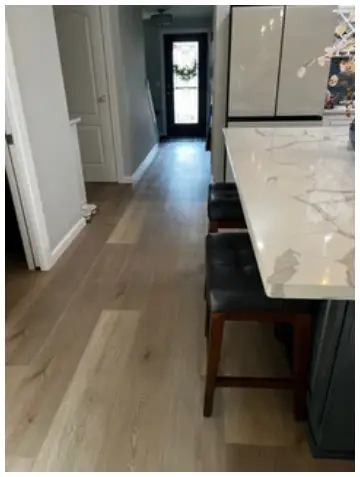
- Attractive Wood Appearance
One of the first things I liked was the realistic wood-inspired design. Several colors imitate oak, maple, and other hardwood species surprisingly well from normal viewing distances.
For homeowners decorating on a budget, the appearance initially creates an upscale look without hardwood pricing.
- Waterproof Surface
One undeniable advantage is water resistance.
Unlike hardwood flooring that may swell after moisture exposure, SPC flooring handles everyday spills much better.
Kitchens, laundry rooms, bathrooms, and entryways benefit from this waterproof construction.
I never worried about spilled drinks or wet shoes damaging the planks.
- Easy Everyday Cleaning
Cleaning remains one of its strongest qualities.
Most dirt removes easily with:
- Sweeping
- Vacuuming
- Damp microfiber mopping
The surface doesn’t require polishing, waxing, or refinishing.
For busy families, that convenience saves considerable time.
- Budget-Friendly Pricing
McMillan usually costs less than many premium SPC flooring manufacturers.
If your priority is keeping renovation costs low, the price may initially seem attractive.
However, lower purchase prices don’t always translate into better long-term value.
- DIY-Friendly Installation
The click-lock system allows experienced DIY homeowners to install the flooring without glue or nails.
When everything aligns correctly, installation moves fairly quickly.
Professional labor costs can also be reduced compared to traditional hardwood installation.
- Good Moisture Resistance
I appreciated not worrying about humidity changes affecting the floor.
Unlike hardwood, seasonal expansion and contraction remain minimal.
This makes SPC flooring practical in many climates.
- Wide Style Selection
McMillan offers multiple finishes ranging from light contemporary tones to darker rustic looks.
Matching existing interior décor isn’t particularly difficult.
Cons Of McMillan SPC Flooring

- Inconsistent Manufacturing Quality
This became my biggest concern.
Numerous buyers report receiving planks with slight variations in color, locking mechanisms, or finish quality.
Quality control appears less consistent than premium flooring manufacturers.
- Locking System Issues
Several planks failed to lock together smoothly.
Even minor inconsistencies increase installation difficulty and may create weak joints over time.
- Scratches More Easily Than Expected
Although SPC flooring is marketed as durable, I found the wear resistance underwhelming.
Pet claws, furniture movement, and heavy foot traffic can leave noticeable marks sooner than expected.
- Hollow Sound Underfoot
Walking across the floor produces a hollow sound that reminds you it’s floating flooring.
Even quality underlayment cannot eliminate this completely.
- Hard Surface
The rigid core offers durability but sacrifices comfort.
Standing for extended periods feels noticeably harder than engineered hardwood or cork flooring.
- Customer Service Complaints
Another recurring issue involves customer support.
Some buyers mention warranty claims taking longer than expected or receiving limited assistance when problems occurred.
- Mixed Long-Term Reliability
Perhaps the biggest reason I hesitate recommending McMillan is inconsistency.
Some installations remain attractive for years.
Others develop visible issues much earlier.
That unpredictability makes it difficult for me to recommend with confidence.
Maintenance Tips For McMillan SPC Flooring
- Sweep Frequently
Dust and grit behave like sandpaper.
I recommend sweeping or vacuuming several times each week to reduce surface scratches.
Soft-bristle attachments work best.
- Use Microfiber Mops
Avoid soaking the floor.
Instead, clean using a damp microfiber mop with manufacturer-approved cleaners.
Excessive water isn’t necessary.
- Protect Furniture Legs
Furniture movement causes many scratches.
Attach felt pads underneath:
- Chairs
- Tables
- Sofas
- Cabinets
Replace worn pads regularly.
- Lift Instead of Dragging
Whenever moving heavy furniture, always lift it.
Dragging furniture creates scratches that cannot easily be repaired.
- Place Mats at Entrances
Entry mats capture dirt, sand, and small stones before they reach the flooring.
This simple habit significantly extends floor appearance.
- Control Pet Nails
Large dogs with long nails can scratch vinyl flooring surprisingly quickly.
Keeping nails trimmed reduces unnecessary wear.
- Clean Spills Quickly
Although waterproof, I still wipe spills immediately.
Standing liquids collect dirt and may eventually affect plank joints if left unattended repeatedly.
- Avoid Steam Mops
Steam cleaners generate excessive heat.
Over time, repeated exposure may weaken locking mechanisms or adhesive layers.
- Use Protective Rugs
High-traffic hallways benefit from area rugs.
These reduce daily abrasion while making the floor quieter.
- Prevent Direct Sunlight Damage
Strong sunlight can gradually fade certain finishes.
Curtains or UV-blocking window coverings help maintain color consistency.
- Inspect the Floor Regularly
Every few months, I inspect joints for separation.
Finding small problems early prevents larger repairs later.
- Follow Weight Limits
Heavy appliances should include proper floor protection.
Concentrated weight can stress locking joints over time.
- Maintain Indoor Climate
Keeping indoor humidity relatively stable benefits every flooring product, including SPC.
Extreme environmental changes may eventually affect plank performance.
Comparison Of McMillan SPC Flooring With Other Brands
- McMillan vs Coretec
Coretec consistently feels like the more premium flooring.
Its locking systems are generally tighter, wear layers are thicker, and long-term customer satisfaction is stronger.
While Coretec costs more, I believe the additional investment provides better durability and fewer installation headaches.
- McMillan vs Shaw Floors
Shaw offers more consistent manufacturing quality and a stronger reputation for warranty support.
The planks often feel sturdier, and the overall finish appears more refined. If I were choosing between these two brands, Shaw would be my preference.
- McMillan vs Lifeproof
Lifeproof provides competitive pricing while generally delivering better scratch resistance and easier product availability.
For homeowners seeking value, Lifeproof usually offers greater confidence without a dramatic price increase.
- McMillan vs Mohawk
Mohawk has invested heavily in rigid core flooring technology.
Its premium collections often include thicker wear layers, better locking systems, and more realistic embossing.
Although more expensive, Mohawk generally offers superior long-term value.
- McMillan vs Armstrong
Armstrong has decades of flooring experience.
Its vinyl flooring collections tend to maintain better consistency, stronger warranties, and more dependable customer support.
For a permanent home renovation, I would trust Armstrong over McMillan.
Is McMillan SPC Flooring Worth Buying?
Based on everything I’ve experienced and researched, I wouldn’t recommend McMillan SPC flooring for most homeowners.
The waterproof construction is certainly useful, and the appearance can initially impress. However, concerns about quality consistency, locking systems, scratch resistance, and customer satisfaction outweigh those advantages.
Considering that flooring is a long-term investment, spending a little more on a trusted manufacturer usually delivers better durability and fewer frustrations.
If your renovation budget allows, I believe you’ll be happier choosing a more established SPC flooring brand.
Frequently Asked Questions (FAQ)
McMillan flooring offers acceptable appearance and waterproof performance, but overall quality receives mixed feedback. Many users report inconsistent manufacturing, installation challenges, and durability concerns, making it difficult to consider it among the best SPC flooring brands.
SPC flooring can feel hard underfoot, produce a hollow sound, become slippery when wet, and show scratches depending on the wear layer quality. Lower-quality products may also develop locking mechanism problems or visible wear sooner than expected.
Several manufacturers consistently receive stronger reputations than McMillan, including Coretec, Shaw Floors, Mohawk, Lifeproof, and Armstrong. These brands generally provide better quality control, stronger warranties, and improved long-term durability.
Common flooring regrets include low-quality laminate, inexpensive SPC flooring with thin wear layers, glossy tiles that scratch easily, carpeting in moisture-prone areas, and flooring purchased solely because of low price rather than long-term performance.
Wrapping Up
If you asked whether I would install McMillan SPC flooring in my own home again, my answer would be no.
While it delivers waterproof protection and attractive visuals, too many reports of inconsistent quality, installation issues, and premature wear reduce my confidence in the brand.
Flooring is something you expect to last for many years, so I believe investing in a more reliable manufacturer is the smarter decision.
Spending a little more upfront can save you frustration, repairs, and replacement costs later.
Recent Posts
● Interactive 5-Zone Interior & Exterior Paint Blueprint Paint Coverage Calculator: Gallons, Primer, Square Footage & Cost Tap any architectural surface zone on the blueprint...
If you want smooth, shiny hair without spending a fortune on a premium styling tool, the Ella Bella hair dryer may be worth considering.In these Ella Bella hair dryer reviews, I’ll look...